.png)


.png)




.png)

.png)


.png)
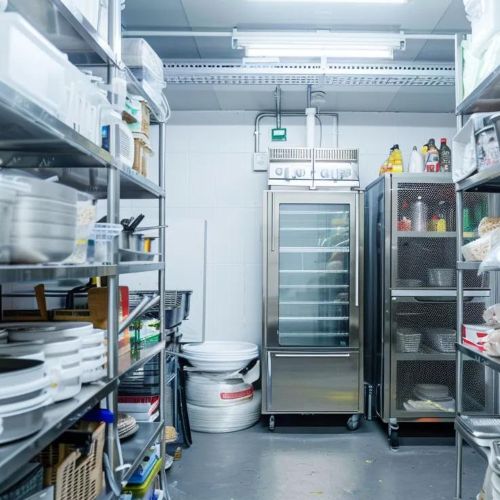
Cold Storage Planning for Restaurants Kitchen
link desc


The walls in a commercial kitchen must be smooth, durable, nonabsorbent, and easy to clean. According to the FDA Food Code and food establishment construction guides used across the United States, all wall surfaces in areas where food is prepared, stored, or washed must be made of materials that resist moisture, grease, and bacteria. Bare drywall, untreated wood, and porous surfaces are not approved. The most common approved wall materials are stainless steel panels, fiberglass reinforced plastic (FRP), PVC wall panels, glazed ceramic tile, and epoxy-coated surfaces. For homeowners and business owners in the Huntsville, Alabama area who are building or remodeling a kitchen, knowing these requirements matters whether you are opening a restaurant or simply upgrading a residential kitchen for better performance. This blog covers what health codes require, which wall materials work best, fire safety rules, and how the right choices protect your investment.
The type of walls required for a commercial kitchen must be smooth, nonabsorbent, durable, and easily cleanable. According to the FDA Food Code Section 6-201.11, all floors, walls, and ceilings in food preparation areas must be designed, constructed, and installed so they are smooth and easily cleanable. Surfaces must also be nonabsorbent in areas exposed to moisture, such as prep areas, walk-in refrigerators, dishwashing stations, and restrooms.
The California Health and Safety Code, Section 114271, provides one of the clearest state-level standards. It requires that wall surfaces in food prep areas be smooth, nonabsorbent, and washable up to the highest point where splashing or food soiling may occur. Many jurisdictions require walls behind cooking equipment and sinks to be finished with a washable material from floor to ceiling.
The most commonly approved wall materials for commercial kitchens are stainless steel, FRP (fiberglass reinforced plastic), PVC panels, glazed ceramic tile, and epoxy-coated surfaces. Each material has its own strengths and trade-offs, which we will cover in detail below.
For homeowners in Huntsville, Alabama, residential kitchens do not face these same requirements. But choosing durable, moisture-resistant materials for your home kitchen, especially behind the stove and sink, adds both longevity and resale value. Understanding the best material for high-humidity cabinets helps you make smart choices for areas of your home that see a lot of moisture.
The best material for commercial kitchen walls depends on your budget, the type of cooking you do, and local health code requirements. The three most popular options are stainless steel, FRP panels, and PVC panels.
Stainless steel is the gold standard for commercial kitchens. It is nonporous, heat-resistant, easy to sanitize, and built to last for decades. The downside is cost. Stainless steel wall panels are the most expensive option upfront.
FRP panels have been a workhorse in the restaurant industry for years. They are strong, easy to wash, and more affordable than stainless steel. However, the seams between FRP panels can trap moisture over time, which can lead to mold and mildew growth behind the panels if they are not properly sealed and maintained.
PVC panels are a newer option that is gaining popularity. They are lightweight, easy to install, FDA and USDA compliant, and carry a Class A fire rating. Their smooth, seamless surface resists bacteria and mold, making them a strong choice for kitchens that need frequent washdowns.
For homeowners in Huntsville, Alabama, residential kitchen walls are typically finished with painted drywall, tile backsplashes, or beadboard. The focus is on style and personal taste rather than health code compliance. When planning a home kitchen remodel, choosing the right cabinet finish to complement your wall color and backsplash material creates a cohesive, polished look.
Yes, commercial kitchen walls must meet fire resistance requirements set by local building codes, the International Building Code (IBC), and the National Fire Protection Association (NFPA). The specific fire rating depends on the type of building, the location of the kitchen within the building, and what is on the other side of the wall.
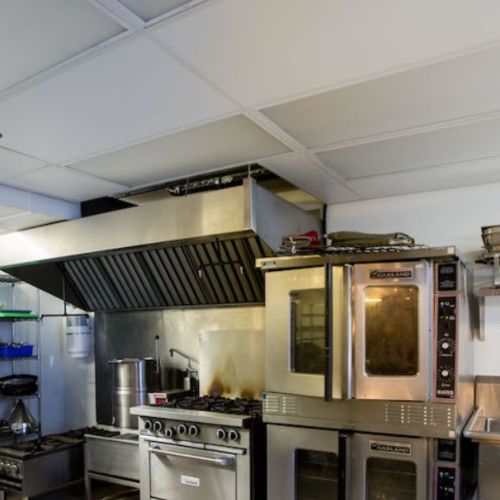
According to the NFPA, cooking equipment is responsible for more than 60% of restaurant fires. This statistic is why fire safety standards for commercial kitchens are so strict. The NFPA 96 standard governs ventilation control and fire protection for commercial cooking operations. It requires fire suppression systems in exhaust hoods and ducts, fire-rated materials near cooking equipment, and proper clearances between cooking surfaces and combustible walls.
In many jurisdictions, the wall behind a commercial cooking line must be noncombustible or protected by a noncombustible barrier. Stainless steel is naturally noncombustible and meets this requirement without additional treatment. FRP panels have varying fire ratings depending on the product. PVC panels from reputable manufacturers often carry a Class A fire rating, the highest classification for flame spread and smoke development.
Residential kitchens in the Huntsville area do not have the same fire-rated wall requirements, but safety still matters. Keeping combustible materials like wooden cabinets, towels, and curtains away from the stove reduces fire risk at home. Homeowners who invest in well-designed custom kitchen cabinets benefit from layouts that build in proper clearances between cooking surfaces and cabinetry.
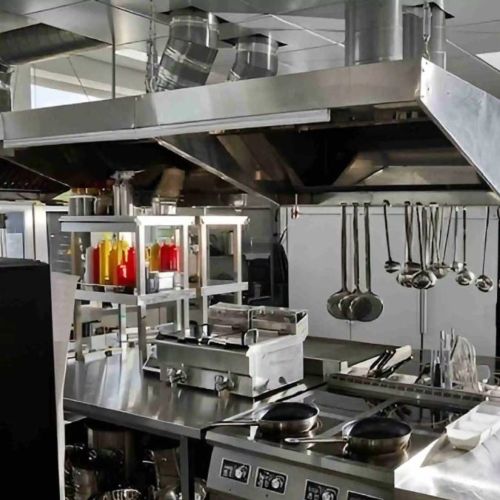
The biggest cause of fires in commercial kitchens is cooking equipment. According to the National Fire Protection Association (NFPA), cooking equipment causes more than 60% of all fires in eating and drinking establishments. Deep fryers are the single highest-risk piece of equipment, because they operate at very high temperatures with large amounts of flammable oil.
Failure to clean grease from hoods, ducts, and cooking surfaces is one of the leading contributing factors to these fires. Grease buildup in exhaust systems acts as fuel, and a small flare-up on a stovetop can quickly spread through an uncleaned duct system. An estimated 5,900 restaurant fires are reported to U.S. fire departments each year, resulting in injuries, deaths, and significant property damage.
Proper wall materials play a direct role in fire containment. Noncombustible wall surfaces behind cooking equipment help prevent fire from spreading to the building's structure. This is why health and fire codes require smooth, nonporous, and fire-resistant materials in commercial kitchen cooking zones.
Home kitchens face similar risks on a smaller scale. The U.S. Fire Administration reports that cooking is the number one cause of residential fires. Keeping your kitchen clean, your exhaust hood filters maintained, and your cooking area free of clutter helps reduce risk. For homeowners in Huntsville who want a safer, more organized kitchen, cabinets built for daily function and organization reduce countertop clutter and keep flammable items away from the stove.
Every commercial kitchen is required to have at least one Class K fire extinguisher. According to NFPA 10, the Standard for Portable Fire Extinguishers, Class K extinguishers must be provided for any area with a potential for fires involving combustible cooking oils and fats. The International Fire Code (IFC) Section 906.4.2 requires one Class K 6-liter fire extinguisher for every four deep fat fryers, and for individual fryers exceeding 6 square feet of surface area.
Class K extinguishers use a wet chemical agent that cools burning oil and creates a soapy foam layer through a process called saponification. This prevents the oil from reigniting, which is the biggest danger in a grease fire. Using a standard ABC extinguisher on a grease fire can actually make it worse by splashing the burning oil.
NFPA 10 requires that Class K extinguishers be placed within 30 feet of travel distance from any commercial cooking appliance. For larger kitchens with multiple cooking stations, this means you will need more than one extinguisher. In addition to Class K units, commercial kitchens also need ABC extinguishers for non-cooking areas like storage rooms, offices, and electrical panels.
Residential kitchens in Huntsville are not required by code to have a specific fire extinguisher type, but keeping a small ABC or kitchen-rated extinguisher near the stove is a smart safety practice for every home.
The 60 30 10 rule for kitchens is a color and design guideline. It says 60% of the kitchen's visual space should be a dominant color, 30% should be a secondary color, and 10% should be an accent color. This rule applies to both commercial and residential kitchens and helps create a balanced, visually appealing space.
In a commercial kitchen, the dominant color is almost always stainless steel or white wall panels. The secondary color comes from flooring and equipment finishes. Accents come from signage, safety markings, or trim.
In a residential kitchen, the 60% dominant color usually comes from the cabinets and walls. The 30% comes from countertops, backsplash, and flooring. The 10% accent comes from hardware, light fixtures, and decorative touches. For homeowners in Huntsville, Alabama who are planning a kitchen update, exploring popular kitchen cabinet color choices is a great starting point for applying this rule.
The 30% rule in remodeling says you should not spend more than 30% of your home's current market value on any single renovation project. This guideline helps homeowners avoid over-improving for their neighborhood, which can make it difficult to recoup the investment when they sell.
For example, if your home in the Huntsville area is valued at $300,000, you should aim to keep your kitchen remodel budget under $90,000. Going well above that threshold can price your home out of the neighborhood market, which limits your return on investment.
According to the 2025 Cost vs. Value Report from Remodeling Magazine, a minor kitchen remodel returns about 113% of its cost in resale value, making it the highest-returning interior home improvement project. Focusing on high-impact updates like new cabinet fronts, modern hardware, updated countertops, and better lighting gives you the best return without overspending. Knowing how to budget for a kitchen cabinet remodel helps you stay within the 30% guideline while still getting a kitchen you love.
The biggest expense in a kitchen remodel is the cabinetry. Cabinets typically account for about 40% of the total renovation budget, according to industry data. This makes sense because cabinets are the largest visual element in the room and they define the kitchen's storage capacity, layout, and overall style.
After cabinetry, the next biggest expenses are countertops, labor and installation, appliances, and flooring. Plumbing and electrical work can also add significantly to the cost if you are changing the layout of the kitchen.
For homeowners in the Huntsville, Alabama area, the best way to manage this cost is to choose custom cabinets that are built to last. Stock cabinets from big-box stores may cost less upfront, but they come in fixed sizes that often leave gaps and wasted space. Custom cabinets fit your exact measurements, maximize storage, and last decades longer. Learning the difference between stock, semi-custom, and custom cabinets helps you decide where to invest for the best long-term value.
The golden rule of kitchen design is to make the space work for the way you actually cook and live. Every design decision should serve a real purpose. Heavy pots go in lower cabinets near the stove. Spices go within arm's reach of the cooking surface. Cutting boards go near the sink. Trash and recycling belong close to the prep area.
This rule applies to both commercial and residential kitchens. In a commercial kitchen, the golden rule translates into the "flow of food" concept, where ingredients move in one direction from receiving to storage, prep, cooking, plating, and service without crossing paths. In a residential kitchen, it means designing around the kitchen work triangle and your daily habits.
Homeowners in Huntsville who invest in modern cabinet door styles that combine function with good looks get a kitchen that feels right every time they walk in. The golden rule is not about following trends. It is about building a kitchen that fits your life.
What not to do in kitchen design includes ignoring the workflow, choosing style over function, skipping storage, under-lighting the space, and placing appliances too close together. These mistakes are common in both residential and commercial kitchens and lead to frustration, wasted space, and safety hazards.
According to NKBA design standards, a work aisle should be at least 42 inches wide, and 48 inches if it faces an appliance door. Ignoring this clearance makes the kitchen feel cramped and creates bottlenecks during busy cooking sessions. Skipping under-cabinet lighting leaves shadows on the counter where you prep food, which is both inconvenient and potentially dangerous.
Another common mistake is not planning enough storage. Running out of cabinet and drawer space is the number one complaint homeowners have after a remodel. Adding features like pull-out pantry shelves and deep drawers for pots and pans solves this problem before it starts.
For homeowners in Huntsville, Alabama, coordinating your task lighting with your cabinet layout makes a dramatic difference in how the kitchen looks and works. Good lighting paired with smart storage turns an average kitchen into an exceptional one.
Yes, $10,000 can be enough for a minor kitchen remodel if you focus on updates that make the biggest visual and functional impact. According to the 2024 Cost vs. Value Report from Remodeling Magazine, a minor kitchen remodel has a national average ROI of about 96%, making it one of the best home improvement investments you can make.
With a $10,000 budget, you can update cabinet fronts, install new hardware, add a tile backsplash, upgrade lighting, and possibly replace the countertop depending on the size of your kitchen and the materials you choose. Cabinet refacing alone delivers one of the highest returns on investment in the remodeling industry.
The key is to avoid moving plumbing, tearing out walls, or changing the footprint of the kitchen. These structural changes eat up a budget fast. For homeowners in the Huntsville, Alabama area, scheduling a free consultation with Classic Cabinetry is the smartest first step. Their team helps you plan a kitchen upgrade that fits your budget and delivers real results.
Wall materials that pass health inspections in Huntsville include stainless steel, FRP panels, PVC wall panels, glazed ceramic tile, and epoxy-coated surfaces. The Alabama Department of Public Health requires all wall surfaces in food preparation areas to be smooth, nonabsorbent, and easily cleanable. Bare drywall, untreated wood, and porous surfaces do not pass inspection.
Yes, you can use glazed ceramic or porcelain tile on commercial kitchen walls, but the grout lines must be sealed with a waterproof, mold-resistant grout. Grout can trap bacteria and grease if not properly maintained, so many commercial kitchens prefer seamless materials like stainless steel or PVC panels instead. In residential kitchens across Huntsville, tile backsplashes remain a popular and attractive choice.
No, residential kitchens do not have the same wall material requirements as commercial kitchens. Standard painted drywall, tile, and beadboard are all acceptable for home kitchens. However, choosing moisture-resistant materials behind the stove and sink helps prevent water damage and mold growth over time. Custom cabinetry built with moisture-resistant finishes also extends the life of your kitchen.
The most common fire extinguisher for a commercial kitchen is the Class K wet chemical extinguisher. According to NFPA 10 and NFPA 96, Class K extinguishers are required in all commercial kitchens that use cooking oils, fats, or grease. ABC extinguishers are also needed for non-cooking areas like storage rooms and offices, but they should never be used on a grease fire.
An ABC fire extinguisher is fine for a residential kitchen or for non-cooking areas of a commercial kitchen like storage, offices, and dining rooms. However, it is not approved as the primary extinguisher for commercial cooking equipment. NFPA 10 requires Class K extinguishers within 30 feet of all commercial cooking appliances. Using an ABC extinguisher on a deep fryer fire can cause the burning oil to splash and spread the fire.
The first step is to set your budget and identify which updates will have the biggest impact. Cabinets, countertops, and lighting deliver the most value per dollar. For homeowners in the Huntsville, Alabama area, scheduling a free in-home consultation with Classic Cabinetry is the best way to get started. With 44+ years of experience, their team measures your space, discusses your design goals, and creates a plan that fits your life and your budget.
The walls in a commercial kitchen must be smooth, nonabsorbent, durable, and easy to clean. Stainless steel, FRP, PVC panels, and glazed tile are the most common approved materials. Fire safety requirements from the NFPA add another layer of standards that commercial kitchen owners must meet. For residential kitchens, the rules are more flexible, but choosing quality materials still matters for durability, safety, and resale value.
Whether you are opening a restaurant in Huntsville, Alabama or upgrading your home kitchen, the right materials and design choices make all the difference. Classic Cabinetry designs and builds custom cabinetry for both homes and commercial spaces throughout the Huntsville region. With 44+ years of craftsmanship, they deliver results that look great and last a lifetime. Call today to schedule your free estimate and start building the kitchen you deserve.