.avif)


.avif)


.avif)
How to Design a Home Office and Guest Room Combo With Custom Cabinetry
link desc
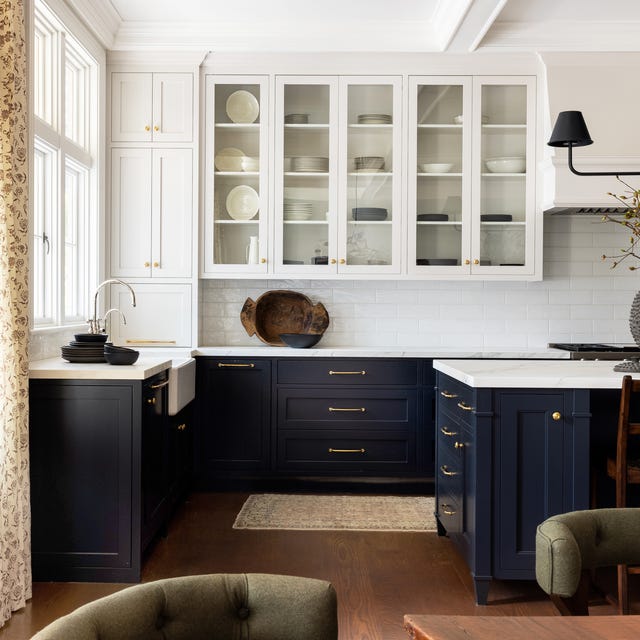


Two-tone kitchen cabinets use two different colors, finishes, or materials in the same kitchen to create visual depth and personality. According to ROC Cabinetry, lighter uppers paired with darker lowers are the most common approach, used in 44% of two-tone kitchens. According to the 2026 Houzz Kitchen Trends Study, 42% of recent renovations include multiple cabinet finishes, and the NKBA 2026 Kitchen Trends Report found that 52% of respondents expect cabinets to be the primary place for statement colors. Two-tone kitchens are not a passing fad. According to Highland Cabinetry, designers still list two-tone cabinetry among the top choices for kitchens heading into 2026. The approach works because it lets you take a design risk on one section without committing the entire kitchen. This article explains the rules, the best color combinations, the layouts that work, and the mistakes to avoid so you can create a two-tone kitchen that feels intentional and cohesive.
The rule for two-tone kitchen cabinets is to create a clear visual separation between two zones, keep the color palette cohesive through shared undertones, and use consistent hardware to tie everything together. The most effective two-tone kitchens follow three principles.
First, keep one tone dominant and the other secondary. According to Kitchen Search, the best two-tone designs layer tones in ways that feel custom and cohesive rather than competing for attention. A good ratio is roughly 60% of the cabinetry in the dominant tone and 40% in the accent tone. The dominant color should be the one that covers the most surface area, usually the upper cabinets and perimeter lowers, with the accent on the island or one set of base cabinets.
Second, stick to the same undertone family. Warm colors pair with warm colors. Cool colors pair with cool colors. Mixing a cool white upper with a warm honey oak lower creates a visual disconnect that makes the kitchen feel like two separate rooms pushed together. According to ROC Cabinetry, mixing paint and natural wood works best when you keep the undertones similar so they do not clash.
Third, use the same hardware finish on all cabinets. According to NextDAY Cabinets, the trick is making sure the colors complement each other, and consistent hardware choices along with a unifying countertop tie everything together. One hardware finish (matte black, brushed gold, or brushed nickel) across both tones is the thread that stitches the design into a single room rather than two halves. Choosing the right cabinet hardware is one of the most important steps in making a two-tone kitchen feel intentional.
The colors that work well for two-tone cabinets are combinations where one tone is light and the other adds depth, warmth, or contrast. According to Highland Cabinetry, classic white paired with navy, sage green paired with oak, and charcoal base cabinets paired with white uppers are among the strongest two-tone combinations trending in 2026.
According to Kitchen Search, the top color pairings for two-tone kitchens this year are white and warm wood (classic yet welcoming), navy and white (coastal or transitional feel), gray uppers with charcoal lowers (minimalist and layered), sage green and creamy off-white (earthy and calming), and black and natural wood (modern and dramatic). According to ImageWorks Painting, warm "new neutrals" like cream, mushroom, and warm stone are leading kitchen cabinet color trends for 2026, and these pair beautifully with natural wood or deeper tones.
The shift away from stark white and cool gray is significant. According to NextDAY Cabinets, the stark white-and-gray combinations that dominated five years ago are giving way to creams, taupes, and greige tones paired with natural woods or soft blues and greens. This reflects a broader move toward warmer, more organic palettes. Exploring the most popular cabinet colors helps you narrow down which combinations will look current and hold up over time.
CombinationBest Kitchen StyleVisual EffectWhite Uppers + Navy LowersCoastal, transitionalCrisp contrast, timelessOff-White Uppers + Natural Oak LowersModern farmhouse, ScandinavianWarm, organic, airySage Green + Creamy WhiteCottage, farmhouseCalming, earthyWhite Uppers + Charcoal LowersModern, minimalistDramatic, groundedLight Gray Uppers + Walnut IslandContemporary, transitionalSophisticated, warmBlack + Natural WoodModern, industrialBold, architecturalCream Uppers + Warm Taupe LowersTraditional, transitionalSubtle, layered
Sources: Highland Cabinetry, Kitchen Search, ROC Cabinetry, NextDAY Cabinets, RTA Cabinet Store, ImageWorks Painting, JullysPlace
Yes, two-tone kitchen cabinets are still in style in 2026 and growing in popularity. According to the 2026 Houzz Kitchen Trends Study, 42% of recent renovations include multiple cabinet finishes. According to the NKBA 2026 Kitchen Trends Report, 52% of respondents expect cabinets to be a primary place for statement colors. Designers list two-tone cabinetry among the top choices for 2026 kitchens.
The style has evolved. According to JullysPlace, two-tone cabinets in 2026 incorporate subtle color contrasts rather than stark opposites. Think sage green lowers with creamy uppers, or light oak paired with soft blue. Texture differences are also rising, like matte finishes on uppers with a subtle sheen on lowers. According to NV Kitchen and Bath, unlike fleeting color fads, well-executed two-tone designs feel fresh over time because a balanced palette with neutrals or earth tones remains stylish even as broader trends shift.
According to MasterBrand, light wood stains now rank as the number one preferred cabinet finish, overtaking white for the first time in nine years. That shift makes two-tone combinations that pair a painted upper with a warm wood lower or island more relevant than ever. The two-tone approach lets you participate in the wood-tone trend without giving up the brightness of painted custom kitchen cabinets on the uppers.
The best layout for two-tone cabinets separates the two tones along a natural visual boundary, like the line between upper and lower cabinets or the distinction between perimeter cabinets and the island.
This is the most popular two-tone layout. Light upper cabinets keep the room bright and open, while darker lower cabinets anchor the space and add depth. According to ROC Cabinetry, lighter uppers are used in 44% of two-tone kitchens because they are particularly effective in smaller kitchen footprints. The upper cabinets reflect light and make the ceiling feel higher, while the darker lowers ground the room visually.
Using a different color or wood on the island while keeping the perimeter cabinets consistent is one of the safest and most popular two-tone approaches. According to ROC Cabinetry, a rich wood tone or contrasting color on the island gives an open kitchen a natural centerpiece. This approach works well because the island already reads as a separate piece, so a different tone feels intentional rather than mismatched.
Some kitchens use two tones by giving one full wall (often the wall with the range hood or the pantry wall) a different finish than the rest of the kitchen. This approach works in larger kitchens where a single tone across every surface can feel flat. The accent wall adds architectural interest and helps define zones in an open-plan space.
Yes, you can do two-tone cabinets in a small kitchen, but the approach needs to be more restrained than in a large one. In tight spaces, subtlety beats contrast. According to JullysPlace, lighter colors on upper cabinets help small spaces feel bigger and airier, and that principle is the foundation of a successful small-kitchen two-tone design.
Keep the uppers in a light, warm tone (off-white, cream, or light wood) and use a slightly deeper tone on the lowers or the island. Avoid high-contrast combinations like black and white in small kitchens, because the strong visual break can make the room feel chopped up rather than cohesive. According to NV Kitchen and Bath, light upper cabinets with dark lower cabinets create a grounded yet airy look, which is exactly what a small kitchen needs.
The countertop and backsplash play a bridging role in small two-tone kitchens. Choose a countertop color that contains hints of both cabinet tones. This creates continuity between the uppers and lowers and keeps the eye moving smoothly through the space. For homeowners across North Alabama working with compact kitchens, we often recommend a soft two-tone combination using a quartz countertop that bridges both colors. Exploring ways to add space to cabinets helps small kitchens function better regardless of the color scheme.
Yes, two-tone cabinets can increase home value when the combination is well-chosen and professionally executed. According to the 2025 Zonda Cost vs. Value Report, a minor kitchen remodel (which can include updating cabinet finishes) returns 112.9% of its cost nationally. According to NV Kitchen and Bath, well-executed two-tone designs feel fresh over time, which means they hold their appeal with buyers longer than single-color trends that cycle in and out.
The key to resale value is keeping the combination broadly appealing. According to NextDAY Cabinets, a balanced palette with neutrals and earth tones stays stylish even as trends shift. A white-and-navy or off-white-and-oak kitchen appeals to a wide range of buyers. If you plan to sell within a few years, stick with combinations where both tones are neutral, warm, or part of the current design direction.
Two-tone cabinets also give buyers the impression that the kitchen was professionally designed rather than built from a standard template. That perception of intentional design adds perceived value beyond the materials and labor cost. We design custom cabinetry in two-tone combinations regularly and always select pairings that look current but will not date quickly.
Kitchen cabinets should be lighter than or the same tone as the walls in small kitchens, and can go darker than the walls in large, well-lit kitchens. In two-tone kitchens, the upper cabinets should be close in tone to the walls to create a seamless, open feel, while the lower cabinets can be darker to anchor the room.
According to RTA Cabinet Store, lighter colors like white or soft pastels can make a small or dark space feel more open and airy, while darker colors like black or navy create a sense of drama in larger rooms. In a two-tone layout, making the uppers match or nearly match the wall color is one of the most effective tricks for making a kitchen feel bigger. The uppers visually recede into the wall, and the lowers carry the accent color that gives the room personality.
If the walls are a warm off-white, choose uppers in a similar warm off-white and lowers in a complementary deeper tone like sage, warm gray, or natural wood. This keeps the top half of the room light and expansive while the bottom half provides the character and contrast. The right cabinet finish on each level ties the wall color and the two cabinet tones together into one cohesive design.
The best countertops for two-tone cabinets are those that contain visual elements of both cabinet tones. According to the NKBA 2026 Kitchen Trends Report, quartz remains the most popular countertop material at 78%, and countertops that are lighter than the cabinets are the most desired combination. A quartz slab with soft veining that picks up both the upper and lower cabinet colors acts as a bridge between the two tones.
For white uppers and navy lowers, a white quartz with subtle gray veining works well because it matches the uppers while complementing the depth of the navy. For off-white uppers and oak lowers, a warm-toned quartz or butcher block countertop on the island connects the natural wood to the painted perimeter. For sage green and cream, a warm white quartz or honed marble-look surface keeps the palette soft and cohesive.
Avoid countertops that introduce a third strong color. Two tones plus a third competing element makes the kitchen feel busy. The countertop should support the cabinet combination, not compete with it. Getting the material combination right between cabinets and countertops is one of the most important decisions, and choosing the right cabinet material helps you see how finishes interact with different stone and surface choices.
The most common two-tone mistakes are using too many colors, mixing warm and cool undertones, using equal amounts of both tones, and choosing hardware that clashes with one of the finishes.
Stick to two tones, not three or four. A two-tone kitchen plus a contrasting island plus a different backsplash creates visual chaos. According to ROC Cabinetry, stick to two or three main colors to keep the space looking clean. According to NextDAY Cabinets, combining too many colors and neglecting the role of hardware and countertops are the two biggest missteps homeowners make.
Avoid splitting the kitchen exactly 50/50. A perfectly even split between two tones feels indecisive rather than designed. Give one tone the majority and use the other as the accent. According to CabinetDoors.com, two-tone designs work best with one dominant and one supporting color.
Test your colors in your actual kitchen with real samples before committing. Paint chips and door samples look different under your lighting than they do in the showroom. According to Kitchen Search, getting the balance right between your two tones is what separates a two-tone kitchen that looks designed from one that looks confused. We help homeowners view full-size custom cabinet samples in their own kitchens before finalizing any two-tone combination.
The 60 30 10 rule for kitchens is a color distribution guideline. It says 60% of the kitchen should be a dominant color (usually the cabinets and walls), 30% should be a secondary color (countertops, backsplash, or flooring), and 10% should be an accent color (hardware, light fixtures, or decorative items). In a two-tone kitchen, the dominant cabinet tone covers the 60%, the accent cabinet tone contributes to the 30%, and the hardware and accessories cover the 10%.
The colors to avoid in kitchen cabinets are bright reds, neon yellows, stark cool-toned white (which is off-trend), and very dark colors in small kitchens. According to the NKBA 2025 Kitchen Trends Report, white and gray kitchens have been trending downward. For two-tone kitchens specifically, avoid high-contrast combinations with clashing undertones, like a cool blue with a warm honey oak, because the mismatch creates visual tension.
The flooring that works best with two-tone cabinets is a neutral tone that does not compete with either cabinet color. Light oak hardwood, warm-toned LVP (luxury vinyl plank), and large-format porcelain tile in light neutral tones all pair well with two-tone kitchens. The flooring should act as a quiet foundation that lets the cabinet combination be the visual focus.
Both framed and frameless cabinets work well in two-tone kitchens. Frameless cabinets deliver a cleaner, more modern look with smooth lines between the two tones. Framed cabinets add a traditional touch with visible face frames that create depth. The choice depends on your kitchen style, not the two-tone concept itself. You can explore the differences between frameless and inset builds to see which fits your design.
The 2026 trend for kitchen cabinet colors is warm natural wood tones overtaking white, soft earthy greens rising as a statement color, and two-tone combinations replacing single-color kitchens. According to MasterBrand, light wood stains are the number one preferred finish. According to the NKBA 2026 report, 96% of designers identified neutrals as the dominant palette. Tracking the latest cabinet trends helps you choose a combination that will feel current for years.
The cabinet colors that look most outdated are honey oak with cathedral-arch doors, dark espresso raised panels, and cool-toned gray. According to the NKBA 2025 Kitchen Trends Report, white and gray kitchens have been trending downward. The shift is toward warmer tones, natural wood, and off-whites with personality. Updating to a two-tone combination is one of the fastest ways to make an outdated kitchen feel current. Even a simple modern door style swap with a fresh color pairing transforms the space.
To make mismatched cabinets work, unify them with the same hardware finish, the same door style, and a countertop that bridges both colors. If the cabinets were not originally designed as a two-tone combination, painting or refinishing one set to complement the other creates intentional contrast. The key is making the difference look deliberate rather than accidental. According to NV Kitchen and Bath, maintaining cohesion through hardware choices and countertops that tie everything together is what separates mismatched from intentional.
Two-tone kitchen cabinets are one of the most effective ways to add personality, depth, and design sophistication to any kitchen without going overboard. The approach works because it lets you blend the warmth of natural wood with the crispness of a painted finish, or add a bold accent on the island without committing the entire room. Follow the rules (one dominant tone, shared undertones, consistent hardware), stick with combinations that are broadly appealing, and you get a kitchen that feels designed, personal, and built to last.
If you are considering a two-tone kitchen and want to see real color and material combinations in your space, Classic Cabinetry can help you design a combination that works. Call us at (256) 423-8727 to schedule a free consultation.