.avif)


.avif)


.avif)
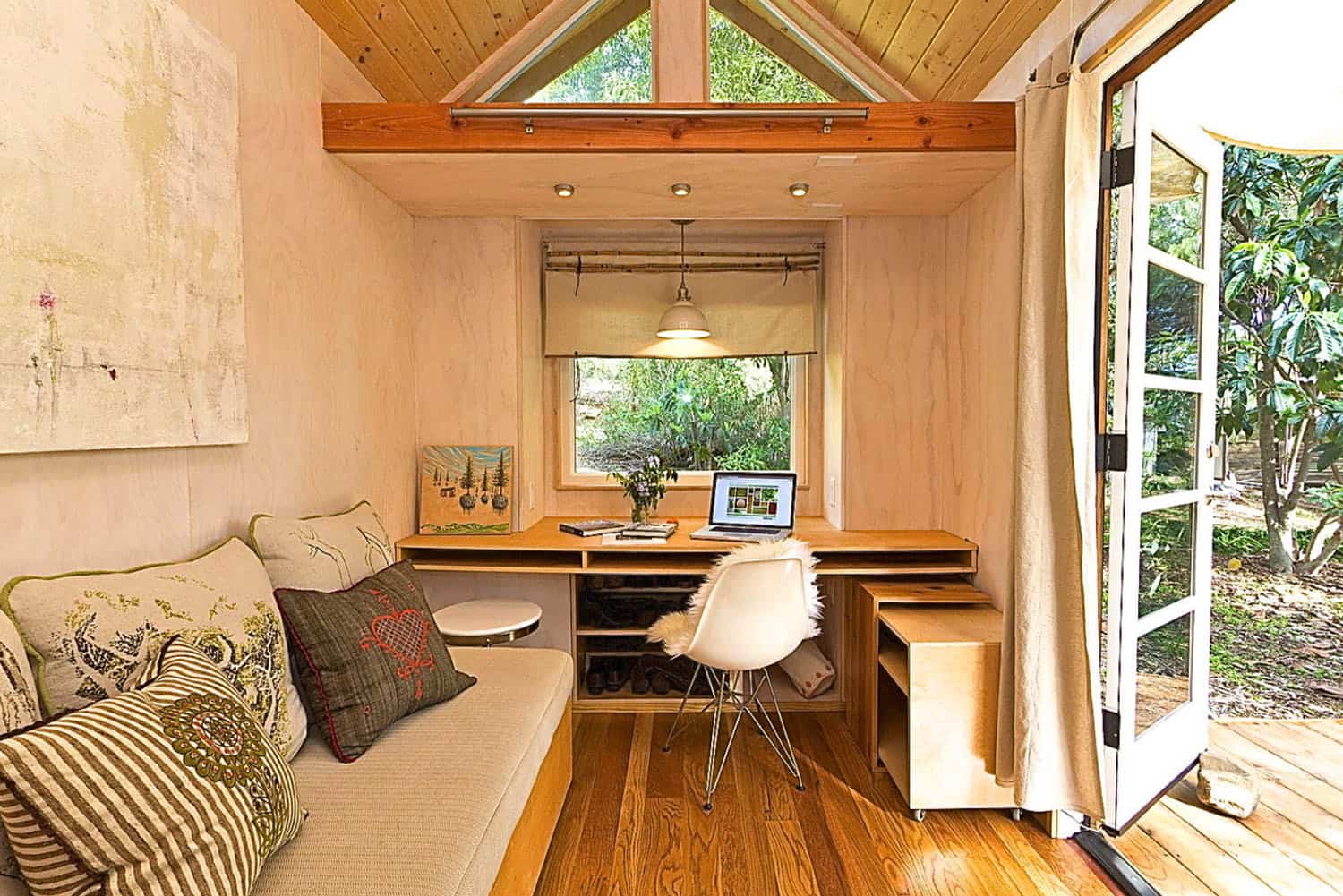
How to Design a Home Office and Guest Room Combo With Custom Cabinetry
link desc
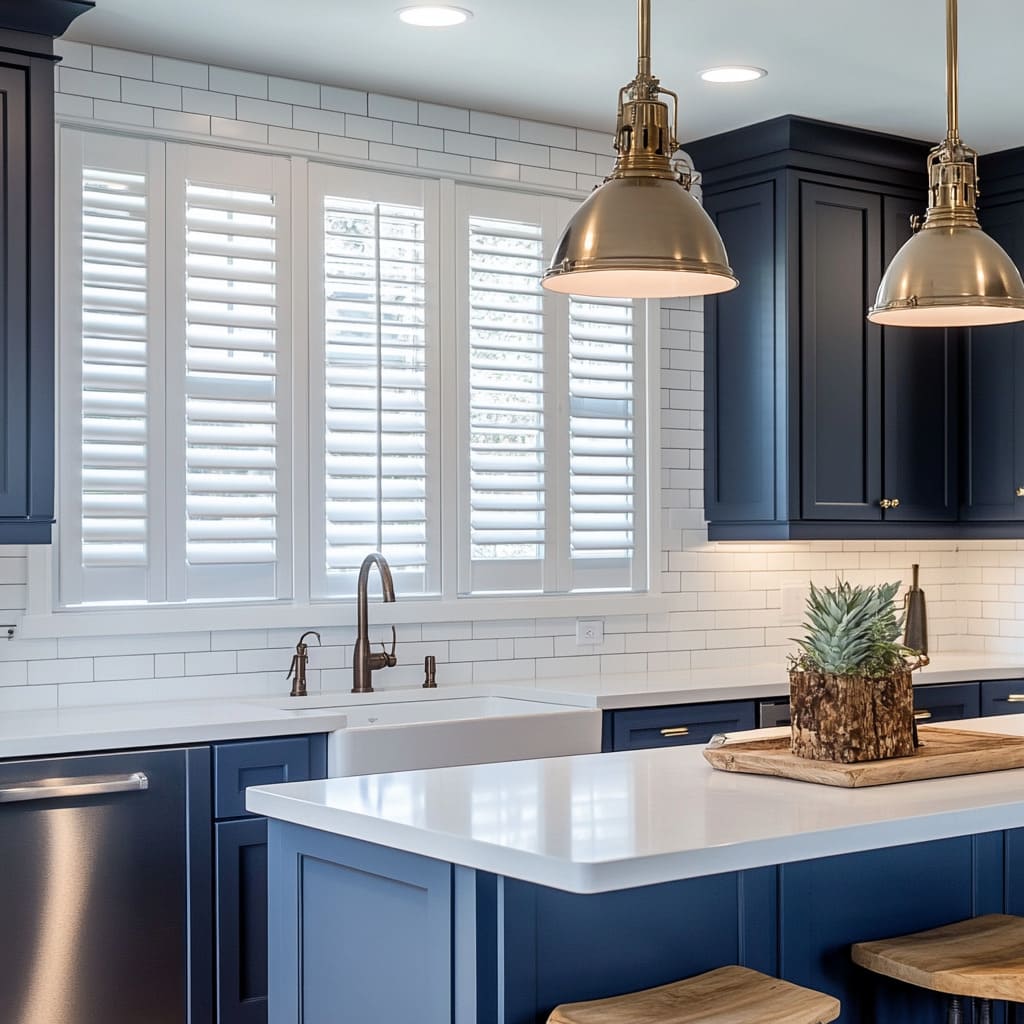


Yes, custom kitchen cabinets are worth the investment for homeowners who plan to stay in their home for several years, who have kitchens with unusual layouts, or who want storage designed around how they actually cook and live. Custom cabinets cost $500 to $1,200 per linear foot according to Kitchen Search, compared to $100 to $300 for stock and $150 to $650 for semi-custom. The price gap is real, but so is the difference in fit, quality, and lifespan. According to the 2025 Houzz Kitchen Trends Study, 32% of homeowners undertaking kitchen renovations hired a cabinet maker, and the NAR/NARI 2025 Remodeling Impact Report gave kitchen upgrades a perfect 10 out of 10 satisfaction score with 64% of homeowners reporting a greater desire to be at home after remodeling. This article examines the financial case, the quality difference, the resale impact, and the practical reality of custom cabinets so you can decide whether the investment makes sense for your kitchen.
Yes, custom cabinets increase home value by improving both the function and perceived quality of the kitchen. According to the 2025 Zonda Cost vs. Value Report, a minor kitchen remodel returns 112.9% of its cost nationally, the highest ROI of any interior improvement. A major midrange remodel recoups about 50% to 60%, and major upscale remodels return approximately 36%.
According to Bradco Kitchens, the HomeLight 2024 Survey confirms that 73% of real estate agents rank an updated kitchen as the number one buyer priority. Buyers assess visually: "Does it look new?" matters more than "What is the box construction?" That said, quality signals do register. According to Bradco, soft-close hardware is something buyers test during showings, and soft-close signals "high-end" while slamming doors reveal wear and signal "cheap." That $150 to $300 upgrade delivers 100% ROI because buyers expect it in a modern kitchen.
According to Bradco Kitchens, cabinets extending to the ceiling add $2,000 to $5,000 in appraised value, and pull-out organizers boost value $1,000 to $3,000. Walk-in or butler's pantries command $5,000 to $12,000 premiums, with 66% of buyers wanting concealed pantries according to NKBA 2025 data. All of these features require custom or semi-custom cabinets to execute properly. Stock cabinets simply do not offer them. The investment in custom kitchen cabinets pays back both while you live in the home and when you sell it.
Custom kitchen cabinets are worth it when the kitchen has an unusual layout, when you need specific storage features, when you plan to stay in the home long-term, or when you want materials and finishes that stock cabinets cannot deliver. According to Rebon Cabinets, a $15,000 custom cabinet set used daily for 10 years translates to 73,000 interactions at about 20 cents each. A $5,000 stock cabinet set that sticks, does not close, and needs replacement in 5 years costs more per use over time.
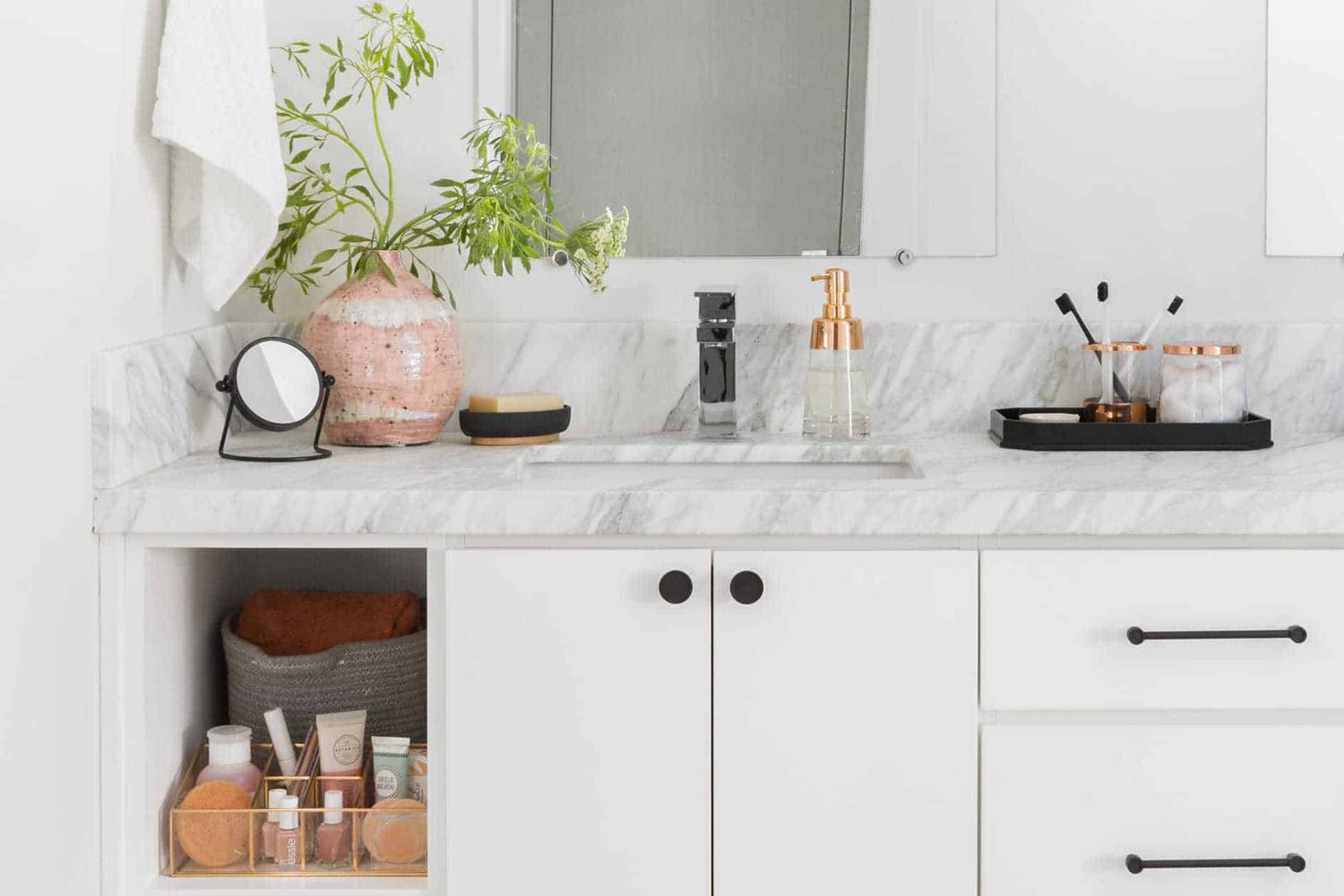
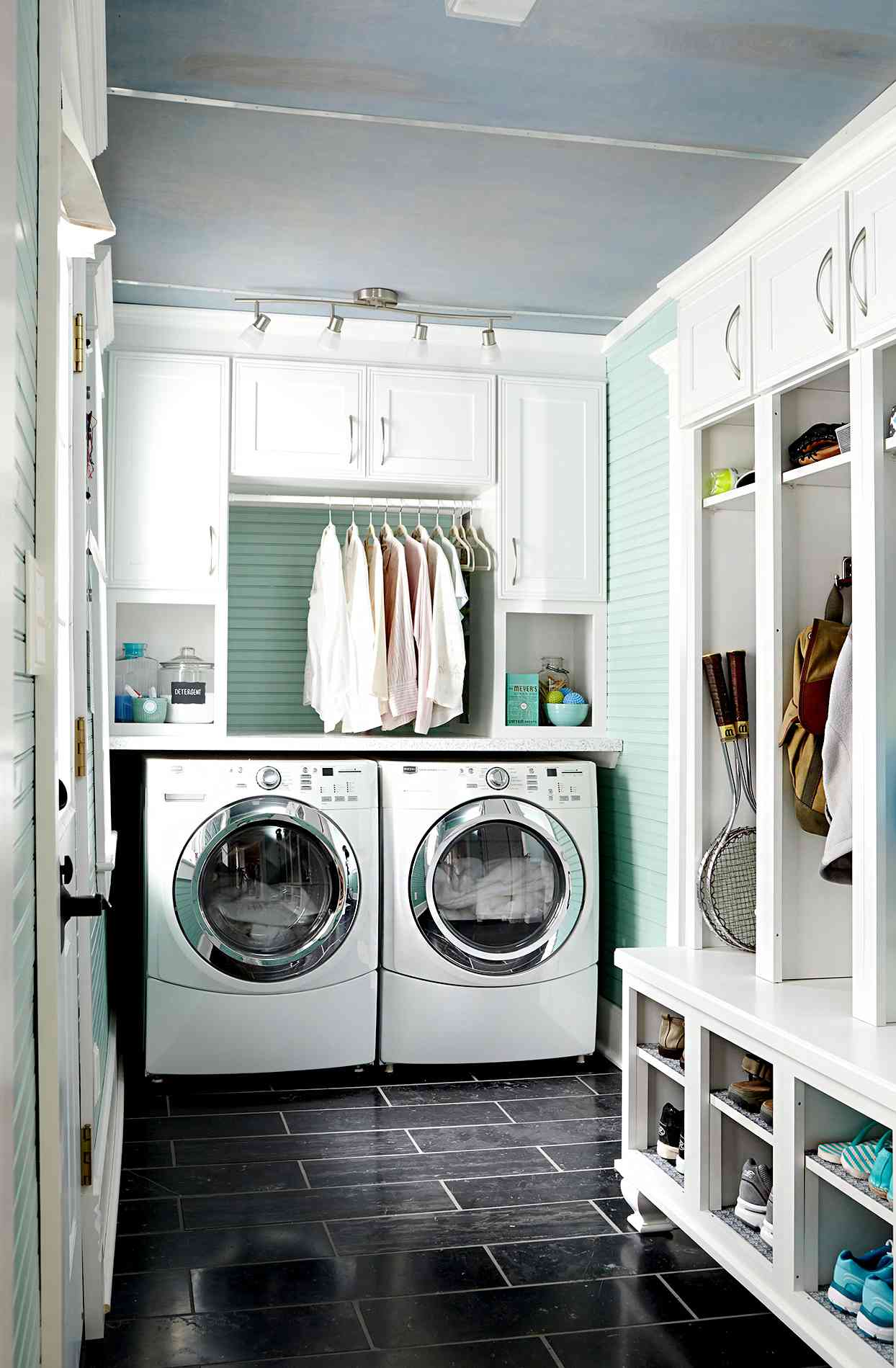
Custom cabinets solve problems that stock and semi-custom cannot. Odd wall angles, non-standard ceiling heights, extra-deep drawers for pots and pans, built-in appliance garages, and hidden spice racks all require custom cabinetry built to your exact specifications. According to Kitchen Search, custom cabinets add features and finishes that cannot be found in stock or semi-custom options, and that is true not just for kitchens but also for bathrooms, laundry rooms, and garage storage.
Custom cabinets also last significantly longer. According to multiple industry sources, stock cabinets made from particle board last 10 to 15 years, while custom cabinets built from plywood and solid hardwood last 25 to 50 years or more. Over a 30-year ownership period, replacing stock cabinets twice costs more than installing custom cabinets once. Choosing the right cabinet materials upfront determines how long the investment lasts.
FactorStock CabinetsSemi-CustomCustom CabinetsCost Per Linear Foot$100 to $300$150 to $650$500 to $1,200Market ShareDeclining (KCMA: -12.4% in 2025)60% of market (Bradco)Growing demandSizingStandard sizes onlySome modificationsBuilt to exact measurementsMaterialsParticle board, MDFPlywood, some solid woodPlywood, solid hardwood, premiumInterior FeaturesBasic fixed shelvesSome pull-outs and organizersFully customizableLifespan10 to 15 years20 to 30 years25 to 50+ yearsLead TimeDays to 2 weeks4 to 12 weeks10 to 16 weeksResale AppealModerateStrong (best ROI tier)Strong in mid- to high-end homes
Sources: Kitchen Search, Bradco Kitchens, CabinetNow, KCMA, 2025 Zonda Cost vs. Value Report, Kitchen Cabinet Kings
Semi-custom cabinets dominate 60% of the market because they hit the sweet spot of quality and cost, according to Bradco Kitchens. Custom cabinets make the most sense in homes where the kitchen is a primary selling feature, where standard sizes do not fit, or where the homeowner values craftsmanship and daily function over strictly minimizing the upfront cost. Understanding the differences between cabinet grades helps you see exactly what you get at each price point.
Yes, wood cabinets are coming back strongly in 2026 and have overtaken white for the first time in nearly a decade. According to the 2026 Houzz Kitchen Trends Study, 29% of homeowners chose wood tones versus 28% for white. According to MasterBrand, light wood stains are the number one preferred cabinet finish. According to the NKBA 2026 Kitchen Trends Report, white oak leads at 51% of professional specifications.
According to Kitchen Cabinet Kings, three independent data sources using different methodologies all point in the same direction: wood is the leading finish. The move is real. Custom cabinets are the best way to take advantage of this trend because they let you choose the exact wood species, grain pattern, and stain color you want. Stock cabinets offer limited wood options, and the species available in stock lines are typically the least expensive (birch, basic oak) rather than the trending species (white oak, walnut) that custom builders work with regularly. Exploring the most popular cabinet colors and finishes shows how wood tones have taken the lead.
Saving money on custom cabinets is possible without sacrificing the benefits that make them worth the investment. Here are the most effective strategies.
Keep the existing layout. Moving plumbing, gas lines, or electrical adds $5,000 to $15,000 to a kitchen renovation. If your sink, stove, and refrigerator are already in good positions, designing new custom cabinets around the existing footprint saves thousands. That money is better spent on the cabinets themselves.
Choose plywood boxes with MDF doors for painted kitchens. Solid hardwood doors are only necessary if you plan to stain. For painted cabinets, MDF delivers a smoother, flawless surface at a lower cost. A plywood box with an MDF door is the standard in quality custom and semi-custom cabinetry. According to Kitchen Cabinet Kings, understanding how materials affect cost helps you allocate your budget where it makes the most visible difference.
Skip the most expensive add-ons unless you will use them daily. A motorized spice rack, a built-in TV lift, and under-toe-kick drawers all add cost. Spend on the features you interact with every day (soft-close drawers, pull-out trash bins, deep pot drawers) and skip the novelty features that look good in a showroom but rarely get used at home.
Bundle projects. If you are renovating the kitchen, adding bathroom cabinetry, a pantry build, or a laundry room to the same project reduces design and installation overhead because the team is already on site. According to Kitchen Search, many homeowners extend custom cabinetry into adjoining spaces to match the kitchen finish, and doing it all at once is always cheaper than doing it in stages.
What makes kitchen cabinets look cheap is thin materials, visible particle board edges, doors that do not close flush, sagging shelves, loose hinges, and hardware that wobbles or does not align. According to Bradco Kitchens, buyers test cabinet doors during showings, and slamming doors scream "cheap" while soft-close signals "high-end." That one feature alone changes how an entire kitchen is perceived.
Thermofoil finishes that peel, laminate edges that chip, and cabinets that stop 12 inches short of the ceiling all signal budget construction. According to Real Simple (cited by Kitchenique Cabinetry), 66% of kitchen designers say more homeowners are opting for floor-to-ceiling cabinets, which adds a streamlined, elegant look. Stopping short of the ceiling creates a dust-collecting gap that makes the kitchen feel unfinished.
The most affordable fix for cheap-looking cabinets is better hardware, soft-close hinges, and crown molding to close the ceiling gap. The more complete fix is replacing the cabinets with quality custom or semi-custom units that are built from durable materials, fitted precisely to the walls and ceiling, and finished with the care that makes a kitchen look like it was designed by a professional.
The things most homeowners wish they knew before remodeling their kitchen are how much hidden costs add up, how long the project actually takes, and how important the cabinet decision is relative to everything else.
According to a 2026 This Old House survey of 1,000 homeowners, about 1 in 3 said the cost was more than expected, often because of plumbing upgrades, water damage discovered during demolition, or structural repairs. According to the NKBA, keeping a 20% contingency fund for surprises is standard advice. Hidden costs inside walls, above ceilings, and under floors are impossible to predict until demolition begins.
Cabinets take 40% to 60% of the time and budget in a kitchen remodel, according to Pelican Cabinets. That makes the cabinet decision the single most important choice in the project. According to the NAR/NARI 2025 Remodeling Impact Report, the top reason homeowners remodel is replacing worn surfaces and finishes (27%), followed by improving energy efficiency (19%) and wanting a design change (18%). Understanding those priorities before you start helps you spend in the right places.
The smartest advice is to invest in the cabinets and save on cosmetic finishes you can upgrade later. You can swap hardware, repaint walls, and change a backsplash for a few hundred dollars. You cannot easily swap cabinet boxes once they are installed. Proper cabinet care after installation protects the investment and extends the life of the finish for years.
The 30% rule in remodeling says you should not spend more than 30% of your home's current market value on any single renovation project. For a $300,000 home, that caps a kitchen remodel at $90,000. For a $500,000 home, the cap is $150,000. This rule helps homeowners avoid over-improving for their neighborhood, which can reduce the effective return on investment at resale.
According to the NKBA, the recommended spending guideline for a primary kitchen remodel is 5% to 10% of home value. For a $400,000 home, that puts the kitchen budget at $20,000 to $40,000, which comfortably accommodates semi-custom or mid-range custom cabinets. According to Kitchen Cabinet Kings, a $28,000 kitchen refresh beats a $164,000 gut renovation on ROI in almost every market.
The takeaway is clear. Spend proportionally to the home's value, focus the budget on the elements that deliver the biggest daily and resale impact (cabinets, countertops, layout), and resist the urge to over-build beyond what the neighborhood supports. Custom cabinets are absolutely worth the investment at the right price point for the right home. Where to draw that line depends on your home's value and your local market. For homeowners across North Alabama, we design custom kitchen cabinets at every price tier and always help match the investment to the home's value and the homeowner's goals.
White cabinets are not out of style in 2026, but they are no longer the dominant choice. According to the 2026 Houzz Kitchen Trends Study, wood tones (29%) have edged past white (28%). According to a Kitchen and Bath Design News survey, 68% of homeowners still include white in their color scheme. The shift is away from all-white kitchens and toward white as one element in a more layered palette. Warm off-whites and linen tones are gaining at the expense of cooler whites.
The kitchen cabinets that look most outdated are honey oak with cathedral-arch doors, dark espresso raised panels, thermofoil with visible peeling, and cool-toned gray. According to the NKBA 2025 Kitchen Trends Report, white and gray kitchens have been trending downward. Updating to a warm modern door style in a natural or warm neutral finish is the fastest way to make an outdated kitchen feel current.
The most expensive part of a kitchen remodel is the cabinetry. According to Highland Cabinetry, cabinets account for approximately 41% of the total kitchen renovation budget. Countertops come second, followed by appliances, flooring, and labor. That is why the cabinet decision deserves more time and attention than any other single choice in the project.
What devalues a house the most is deferred maintenance, overly personalized renovations, and improvements that exceed the neighborhood's price range. According to the 2025 Zonda Cost vs. Value Report, major upscale kitchen remodels return only 36% at resale. A $160,000 luxury kitchen in a $300,000 neighborhood hurts more than it helps. Keep improvements proportional to the home's value and the local market.
The hardest months to sell a house are typically December and January, when buyer activity drops due to holidays, weather, and end-of-year financial focus. According to NAR seasonal data, spring (April through June) consistently sees the highest buyer traffic and the strongest sale prices. If you are remodeling a kitchen to sell, timing the project to finish before spring listing season maximizes the return.
The biggest red flags in a home inspection are water damage, foundation issues, faulty electrical, and plumbing problems. In the kitchen specifically, water damage around the sink base cabinet is one of the most common issues inspectors find. Custom cabinets built with plywood rather than particle board resist this damage far better, which is one of the practical reasons the material upgrade is worth the investment.
The countertop colors in for 2026 are warm whites with soft veining, natural stone tones, and matte or honed finishes. According to the NKBA 2026 Kitchen Trends Report, quartz remains the most popular countertop material at 78%, followed by quartzite at 62% and granite at 43%. Countertops that are lighter than the cabinets are the most desired combination. Pairing custom cabinets with a trending finish and a warm countertop creates the most current look.
Custom kitchen cabinets cost more upfront than stock or semi-custom, but they deliver better fit, better materials, better storage, and a longer lifespan that often makes them the more economical choice over time. They increase home value, earn the highest satisfaction scores of any interior improvement, and let you design a kitchen that works exactly the way you need it to. The investment makes the most sense when you plan to stay in the home, when your kitchen has non-standard dimensions, and when daily function and quality matter to you. For homeowners who want the best balance of cost and quality, semi-custom cabinets are a strong middle ground. For those who want the best possible result, custom is worth every dollar.
If you are ready to explore what custom cabinets would look like in your kitchen, Classic Cabinetry can design a solution that fits your space, your goals, and your budget. Call us at (256) 423-8727 to schedule a free consultation.