.avif)


.avif)


.avif)
How to Design a Home Office and Guest Room Combo With Custom Cabinetry
link desc
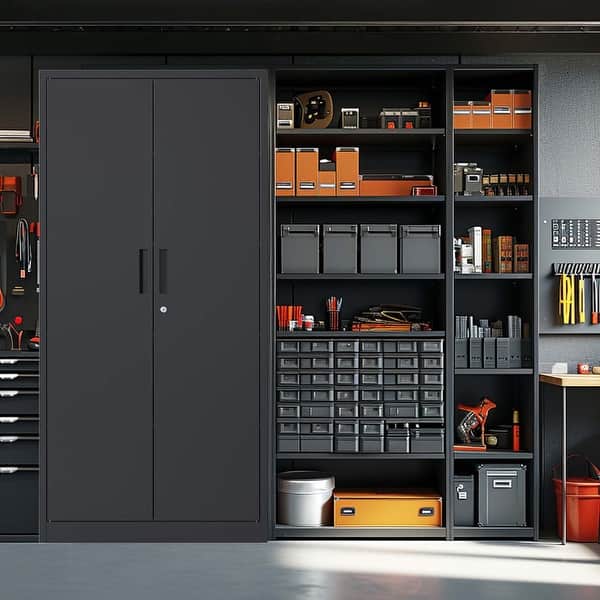


Garage cabinets are better for concealed storage, protecting items from dust and moisture, and creating a finished, professional look. Open shelving is better for frequently used items, bulky gear, and budget-conscious projects where quick access matters more than appearance. According to Garage Living, 81% of homebuyers want sufficient storage space in their garage, based on the latest What Home Buyers Really Want Study. According to an OnePoll survey for The Container Store, the garage is the most difficult home storage area to keep organized, and 24% of homeowners are embarrassed to leave their garage doors open. The best approach for most garages is a combination of both: cabinets where you need protection and a clean look, and shelving where you need speed and flexibility. This article compares both options across cost, durability, function, and resale so you can design a garage that works for your daily life.
The difference between garage cabinets and shelving is that cabinets are enclosed storage units with doors (and sometimes drawers) that hide their contents, while shelving consists of open platforms mounted to walls or standing on their own that keep everything visible. That core difference drives every other trade-off: appearance, accessibility, protection, cost, and how much effort it takes to keep the space looking organized.
According to Storewall, cabinets create clear storage zones where you can assign one cabinet to car care, another to yard tools, and another to home repair supplies. That separation helps you stay organized without constantly rearranging. According to Garage Living, cabinets provide garages with a cleaner, more organized appearance than shelving because the stored items are hidden. Professionally installed cabinets give the garage a finished look that shelving alone cannot achieve.
According to Knudson Cabinetry, the practical rule is simple: conceal what looks messy, and display what works. Store paint, oils, cleaners, and hobby supplies in cabinets you do not want to see. Store labeled totes, coolers, and anything that will not tip over on open shelves. That is the foundation of every well-designed garage. We apply the same principle to every custom garage project we build.
The best storage for a garage is a combination of closed cabinets for items that need protection and open shelving for items that need quick access. According to InReach Storage, many homeowners find the best solution is a combination of both, using cabinets for concealed storage and shelves for items that need to stay within easy reach. According to Garage Kings Delaware, custom garage storage solutions offer the best return on investment because they improve both functionality and property value.
The hybrid approach works because garages store a huge range of items with different needs. Chemicals, sharp tools, and small hardware do best behind closed doors where they are safe from children, pets, and dust. Bulk storage bins, sports equipment, and coolers do best on open shelves where you can grab them in seconds. A workbench with drawers underneath and closed cabinets above creates the most functional workspace for DIY projects and repairs.
FactorGarage CabinetsOpen ShelvingCost Per Unit$500 to $2,500$100 to $1,000AppearanceClean, polished, finished lookFunctional but can look clutteredDust and Moisture ProtectionFull (enclosed behind doors)None (items exposed)AccessibilitySlower (open door, then grab)Faster (grab and go)Safety (Chemicals, Sharp Tools)Lockable, child/pet safeExposed, no lock optionBulky Item StorageLimited by door/drawer sizeExcellent (no size constraints)FlexibilityFixed once installedEasy to reconfigureResale AppealStrong (built-in, professional)Moderate (functional only)MaintenanceLow (wipe doors occasionally)Higher (dusting, reorganizing)Best ForTools, chemicals, small items, resaleBins, sports gear, coolers, daily-use
Sources: Angi, Garage Living, Knudson Cabinetry, Storewall, InReach Storage, Core Custom Closets, Croc Coatings
The cheapest way to organize your garage is to start with wall-mounted shelving and basic hooks. According to Angi, garage shelving costs $100 to $1,000 depending on type and material. Basic metal shelves, pegboards ($20 to $300), and wall-mounted racks provide functional storage at a fraction of the cost of full cabinet systems. According to Croc Coatings, building your own garage shelves using DIY methods can reduce costs by 50% to 70% compared to buying prefab units.
A practical budget approach is to start with one wall of shelving for the most-used items, add a pegboard above a workbench for tools, and use labeled bins on the shelves to keep things visible and sorted. You can add cabinets later as the budget allows, starting with one tall locking cabinet for chemicals and valuables. According to Knudson Cabinetry, starting small with wall-mounted shelves and expanding over time is a smart strategy because the system grows with your needs.
Free or nearly free strategies also make a big difference: decluttering first (donate or sell anything you have not used in two years), grouping items by category, and getting everything off the floor. Even without new storage, a well-sorted garage with clear floor space feels dramatically more organized. Proper cabinet maintenance keeps any investment looking clean for years.
Garage shelving alone adds minimal measurable home value, but it contributes to the overall impression of a well-maintained, organized home. Garage cabinets add more resale value because they create a finished, built-in look that buyers perceive as a permanent upgrade. According to the National Association of Realtors, a well-organized garage improves efficiency and increases resale value. According to the 2025 Zonda Cost vs. Value Report, garage door replacement returns 268% ROI nationally, the highest of any remodeling project.
While interior garage cabinets do not generate that same measurable ROI, they add perceived value that can prevent price reductions and speed up the sale. According to Garage Living, 81% of homebuyers want sufficient garage storage. A garage with built-in cabinets, a workbench, and organized shelving photographs better, shows better during open houses, and signals that the homeowner cares about the entire property. For homeowners across North Alabama, we see well-organized garages with custom cabinetry consistently help listings stand out.
The best shelving for a garage depends on what you plan to store and how much humidity and temperature variation your garage experiences. Metal shelving (steel or wire) is the most durable and moisture-resistant option. Wood shelving (plywood) is warmer looking and easier to customize. Plastic shelving is the most affordable and fully moisture-proof but the least sturdy for heavy loads.
According to Enhance Your Garage, wire shelving helps airflow, which is useful in humid environments, but for heavier items, steel or solid wood options are more durable. According to Croc Coatings, properly constructed and anchored shelves can hold 15 to 50 pounds per linear foot, depending on thickness. For shelves up to 3 feet long, 3/4-inch-thick wood is sufficient for light to moderate loads. Longer spans need thicker material to prevent sagging.
For most garages, heavy-duty steel shelving for bins and equipment combined with a custom cabinet workstation for tools and chemicals delivers the best overall result. Choosing moisture-resistant materials is especially important in garages that are not climate-controlled.
What should not be stored in a garage includes anything sensitive to heat, cold, or moisture. Electronics, photographs, important documents, leather goods, and canned food should be stored inside the house. According to RebootMyGarage, dangerous chemicals and fluids should be kept locked away from children and pets, making a locking cabinet the responsible storage solution for paint thinners, pesticides, and automotive fluids.
Propane tanks should never be stored inside a garage because a small leak can create an explosive concentration of gas in an enclosed space. Firewood invites insects and moisture. Pet food in open containers attracts pests. Choosing the right cabinet and storage materials helps protect the items that do belong in the garage from temperature and humidity damage. Refrigerators in uninsulated garages run inefficiently and can fail in extreme heat or cold. Keeping these items out of the garage and using the space for items that tolerate temperature swings is the safest approach.
Making a garage look nice on a budget comes down to a few high-impact, low-cost moves that transform the space without a full renovation.
Start by getting everything off the floor. Wall-mounted shelves and hooks immediately make the garage feel larger and cleaner. According to RebootMyGarage, getting everything up off the floor is a major victory in any garage organization project. Shelves excel at this and make cleaning the floor much simpler.
Add a coat of epoxy or concrete sealer to the floor. A clean, sealed floor changes how the entire garage feels. Gray or light-colored epoxy reflects light and makes the space feel brighter. This costs $200 to $600 for a DIY application.
Install one section of closed cabinets for the items that look worst when exposed (paint cans, cleaning supplies, random hardware). Even a single tall cabinet with two or three shelves creates a huge visual improvement. According to Storewall, simply closing the doors conceals the clutter, giving you a tidy space without constant effort.
Matching your bins and labels. Uniform bins in the same color and size create a cohesive, organized look that mismatched cardboard boxes never will. Pairing organized shelves with matching cabinet hardware pulls the whole design together. Clear bins let you see contents without opening. White or gray bins look cleaner than bright colors. Bundling a small cabinet section with a mudroom or laundry room project saves on design and installation when the team is already on site.
The most common garage layout mistakes are storing everything on the floor, using only one type of storage, ignoring vertical space, blocking vehicle doors with deep shelving, and failing to create zones for different categories of items.
According to Storewall, tossing unrelated items onto one open shelf and calling it organized is a common habit that cabinets help break by creating dedicated zones. According to Knudson Cabinetry, the secret to a garage that stays organized is using the strength of each storage system to its advantage rather than relying on just cabinets or just shelves.
Another common mistake is not leaving enough clearance for vehicle doors. Deep shelving or cabinets that extend too far into the parking area make it impossible to open car doors without hitting the storage. According to Angi, a small one-car garage (12 by 22 feet) can accommodate wall-mounted cabinets and shelving on one or two walls, but depth needs to be planned carefully. Standard base cabinets at 24 inches deep work for most garages. Deeper configurations should go on the far end wall where they do not interfere with parking. We always account for vehicle clearance when designing custom garage storage because a system you cannot use comfortably is a system you stop using.
The latest trends in garage cabinets include warm wood or warm gray finishes, matte hardware, integrated workbench surfaces, LED lighting inside cabinets, and hybrid layouts that combine cabinets with open shelving and overhead storage racks. According to the NKBA 2026 Kitchen Trends Report, 94% of professionals agree that homeowners are adding functional spaces to their homes, and that mindset is extending to garages.
According to Croc Coatings, thermally fused laminate (TFL) on plywood cores is gaining popularity for garage cabinets because it adds moisture resistance and a polished look. Powder-coated steel cabinets remain popular in high-use workshop garages where durability matters more than aesthetics. The shift toward matching garage cabinetry to the style of the house (consistent finishes, consistent hardware) reflects the broader trend of treating the garage as a finished space rather than an afterthought.
According to Knudson Cabinetry, the hybrid model of combining tall locking cabinets, a drawer-base workbench, and adjustable shelving is the most recommended approach in 2026. This combination provides storage that works in the first week and grows over time. Choosing the right cabinet finish helps the garage feel like a natural extension of the home rather than a separate, neglected zone.
It is cheaper to build garage shelving yourself. According to Croc Coatings, DIY construction reduces costs by 50% to 70% compared to buying prefab units because you eliminate labor, which typically accounts for 35% to 50% of a traditional project's expenses. A basic DIY shelf system using 2x4 framing and 3/4-inch plywood costs $50 to $200 in materials for a single wall section. Prefab shelving units start at $100 to $500 per unit installed.
The color that makes your garage look bigger is a light, neutral tone like white, light gray, or beige on the walls and a light epoxy or concrete sealer on the floor. Light colors reflect both natural and artificial light, making the space feel more open. Matching the cabinet color to the wall color creates a seamless look that further expands the perceived size. Dark cabinets against light walls add contrast and definition, while all-dark garages feel smaller and heavier.
Yes, garage cabinets are worth it for homeowners who want a clean, organized, and protected storage space. According to Garage Living, 81% of homebuyers value garage storage, and professionally installed cabinets create a finished look that adds to both daily function and resale appeal. The investment runs $500 to $2,500 per cabinet according to Angi, and it pays back in convenience, protection, and buyer perception.
The average cost of garage cabinets is $500 to $2,500 per unit, according to Angi. A small one-car garage setup costs $500 to $4,000. A medium two-car garage runs $2,000 to $5,000. Prefab systems cost $2,000 to $6,000, and custom builds range from $200 to $10,000 or more depending on materials, features, and scope. Understanding the difference between cabinet grades helps you see what you get at each price point.
The best garage storage cabinets come from custom cabinet makers who build to your exact garage dimensions, followed by premium prefab brands like Gladiator, NewAge, and Ulti-MATE. Custom builds offer the best fit, materials, and features. Prefab systems offer convenience and faster installation at a lower price. The best choice depends on your budget, your garage's dimensions, and how much customization you need.
What devalues a house the most is deferred maintenance, cluttered and disorganized spaces, overly personalized renovations, and improvements that exceed the neighborhood's price range. According to the 2025 Zonda Cost vs. Value Report, major upscale interior remodels return only 36% at resale. A cluttered, disorganized garage signals neglect to buyers. Spending modestly on garage cabinets and shelving delivers a better return than over-investing in high-end finishes beyond what the market supports.
A 24x30-foot concrete slab (720 square feet) costs approximately $2,880 to $5,760 at $4 to $8 per square foot for a standard 4-inch slab with basic grading and finishing, according to national concrete contractor averages. Costs vary by region, soil conditions, and whether reinforcement (rebar or mesh) is included. The slab is the single biggest expense in a new garage build, typically representing 15% to 20% of the total construction cost.
Garage cabinets and shelving are not competing solutions. They are complementary systems that work best together. Cabinets handle the items that need protection, concealment, and security. Shelving handles the items that need fast access, airflow, and flexibility. The strongest garage designs use both: tall locking cabinets for chemicals and tools, a drawer-base workbench for projects, and open shelving for bins, sports gear, and seasonal items. That combination keeps the garage clean, safe, organized, and ready for whatever you need it to do.
If you are ready to transform your garage into a space that actually works, Classic Cabinetry can design a custom cabinet and storage system built for your garage. Call us at (256) 423-8727 to schedule a free consultation.