.avif)


.avif)


.avif)
How to Design a Home Office and Guest Room Combo With Custom Cabinetry
link desc
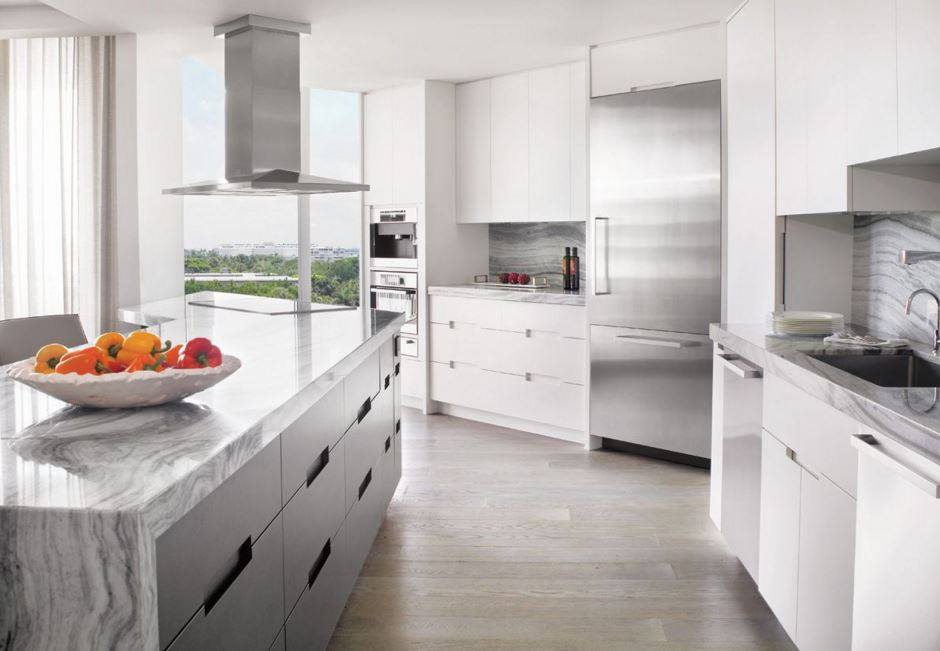


Shaker cabinets feature a five-piece door with a recessed center panel and clean square edges, while flat panel cabinets (also called slab cabinets) have a single smooth surface with no framing or detailing. Shaker cabinets hold 58% of the market and flat panel cabinets hold 22%, according to the 2026 Houzz Kitchen Trends Study. The NKBA has named shaker-style cabinets the number one choice in U.S. kitchen remodels. Both styles work in modern kitchens, but they look, feel, cost, and perform differently. This article compares shaker and flat panel cabinets across every factor that matters so you can choose the one that fits your home, your budget, and your daily life.
The difference between shaker style and flat panel style comes down to door construction. Shaker cabinets use a five-piece door: four frame pieces surrounding a flat or slightly recessed center panel. This creates a subtle border and adds visual depth without any ornate detailing. The design goes back to the Shaker religious community of the 1700s, which valued simplicity, strength, and function above everything else.
Flat panel cabinets use a single piece of material for the door. There is no frame, no recessed panel, and no detailing. The surface is completely smooth and flush. This gives flat panel cabinets their signature sleek, minimalist look. They became popular in mid-century modern design and have gained serious momentum in contemporary and Scandinavian-inspired kitchens.
That construction difference affects everything else: how they look in a room, what they cost, how easy they are to clean, and how well they hold up to daily use. According to AK Cabinet Craft, these two styles account for about 85% of all cabinet installations nationally, with shaker claiming the larger share.
The best cabinet style for a kitchen depends on the look you want, your home's architecture, and how you plan to use the space. Shaker cabinets are the safest and most versatile pick for the majority of homes. They work equally well in traditional, transitional, farmhouse, and even modern kitchens when paired with the right hardware and finishes. According to Fabuwood, shaker cabinets are easier to install because the face frame helps compensate for uneven walls or floors.
Flat panel cabinets are the best choice when you want a clean, contemporary aesthetic. They shine in modern, industrial, and Scandinavian-inspired spaces where minimal lines and smooth surfaces are the priority. According to iCabinetry, flat panel cabinets make kitchens feel more spacious because their smooth surfaces create visual calm and draw the eye upward. In small kitchens, that effect can make a noticeable difference.
According to Highland Cabinetry, cabinet style influences how potential buyers perceive a home. Shaker cabinets offer broad appeal that suits many tastes, making them a safe bet for maintaining or increasing property value. Flat panel cabinets attract buyers who specifically want a modern look, but may seem too plain for those who prefer traditional styles. We help homeowners weigh both options based on their home's layout and their long-term plans.
Yes, shaker cabinets are still in style in 2026. According to the 2026 Houzz Kitchen Trends Study (based on a survey of 1,780 U.S. homeowners), shaker-style doors hold 58% of the market for cabinet door styles. That makes them the most popular cabinet door in the country by a wide margin. The NKBA 2025 report confirmed shaker as the number one choice in U.S. remodels.
However, the style is evolving. According to IST Cabinets, a "slim shaker" or "micro-shaker" profile is gaining traction. It keeps the familiar recessed panel proportions but uses thinner rails and stiles, which reads more contemporary without the coldness of a pure flat panel. MasterBrand, the largest cabinet manufacturer in North America, confirmed this direction in their 2026 forecast: shaker leads, but flatter profiles and subtle raised details are rising fast.
According to Kitchen Cabinet Kings, design professionals are moving toward flatter profiles while consumers still favor traditional shaker. That gap reflects a typical 3- to 5-year lag between high-end design work and the broader market. For homeowners renovating now and selling within 2 to 3 years, shaker remains the safest choice for kitchen cabinetry.
Yes, flat panel cabinets are in style and gaining ground. According to the 2026 Houzz Kitchen Trends Study, flat panel (slab) doors hold 22% of the market, making them the strongest runner-up to shaker. That 22% share represents real momentum toward cleaner, more architectural cabinet lines.
Flat panel cabinets pair well with the current trend toward handle-free designs, integrated hardware, and matte or high-gloss finishes. According to the NKBA 2026 Kitchen Trends Report, 59% of designers identified wood grain as growing in popularity, and flat panel doors are especially effective at showcasing the natural beauty of wood grain because there is no frame to interrupt the pattern.
According to Fabuwood, flat panel cabinets are gaining on shaker in popularity and may be a stronger choice for homeowners who want to feel current. However, Fabuwood also notes that flat panel is more trend-dependent than shaker, so if timeless resale value is the priority, shaker is still the better bet. The key is matching the door style to the overall design direction of the home.
Yes, shaker style is generally more expensive than flat panel because of its more complex construction. According to George Cabinetry, shaker cabinets cost approximately $100 to $300 per linear foot depending on material and finish. Flat panel cabinets run $70 to $250 per linear foot, with high-gloss acrylic or custom wood veneers pushing toward the higher end of that range.
The price difference comes from the five-piece door construction of shaker cabinets. Each door requires four separate frame pieces and a center panel, which means more cutting, more assembly, and more material. Flat panel doors use a single piece, so production is simpler and faster. According to Badger Cabinets, the intricate craftsmanship and attention to detail in creating shaker doors contribute to the higher price tag.
That said, the gap narrows when you choose premium flat panel options. According to iCabinetry, high-quality solid wood flat panel cabinets can match or exceed shaker pricing. It all comes down to material choice. A basic laminate flat panel will cost less than a painted maple shaker, but an exotic wood slab door can cost just as much or more. When choosing between these two cabinet materials, focus on the total project cost rather than just the per-foot price.
The table below puts shaker and flat panel cabinets side by side across every major factor homeowners care about, from cost and durability to cleaning and resale value.
FactorShaker CabinetsFlat Panel CabinetsCost Per Linear Foot$100 to $300$70 to $250Market Share (2026 Houzz)58%22%Door ConstructionFive-piece frame with recessed center panelSingle flat surface, no frameBest Kitchen StylesTraditional, transitional, farmhouse, modernContemporary, minimalist, Scandinavian, industrialEase of CleaningGrooves collect dust and greaseSmooth surface, easy to wipeScratch VisibilityFrame shadows help hide minor imperfectionsScratches and dents are more visibleInstallation EaseEasier (frame compensates for uneven walls)Harder (alignment errors are noticeable)Resale AppealBroad, suits most buyer preferencesStrong for modern buyers, limited for traditionalTrend Durability200+ years and still leadingGrowing but more trend-dependent
Sources: George Cabinetry, 2026 Houzz Kitchen Trends Study, Fabuwood, iCabinetry, AK Cabinet Craft, Highland Cabinetry
Both styles are strong choices. Shaker wins on versatility, durability, and resale appeal. Flat panel wins on modern aesthetics, easy cleaning, and affordability at the entry level. The right answer depends on the kitchen you want to build.
The three styles of cabinets are shaker, flat panel (slab), and raised panel. Shaker cabinets feature a flat recessed center panel with a simple square frame. Flat panel cabinets have a smooth, single-surface door with no frame or detailing. Raised panel cabinets have a center panel that is elevated above the surrounding frame, creating a more ornate and traditional look.
According to the 2026 Houzz Kitchen Trends Study, shaker holds 58% of the market, flat panel holds 22%, and raised panel holds about 12% of purchases. Raised panel cabinets have declined steadily over the past decade but still have a loyal following among homeowners who prefer a formal, traditional kitchen. Each of these three door styles can be built with different finishes and materials to fit a wide range of budgets.
The most popular color for cabinets in 2026 is natural wood tone, which has overtaken white for the first time in nearly a decade. According to the 2026 Houzz Kitchen Trends Study, 29% of homeowners chose wood tones compared to 28% who chose white. That shift, confirmed by MasterBrand's annual cabinetry report, marks a turning point in kitchen design.
According to IST Cabinets, off-white and cream hold steady at 15%. The NKBA 2026 Kitchen Trends Report found that 59% of designers identified wood grain as growing in popularity, with white oak leading at 51% of professional specifications. Green continues to trend as an accent or statement color, and muted tones like sage, navy, and warm gray work well with both shaker and flat panel styles.
Both shaker and flat panel cabinets adapt well to current color trends. Shaker doors showcase popular colors with added depth from the recessed panel. Flat panel doors let the color or grain pattern speak for itself with no visual interruption. For homeowners in our area, we find that warm wood tones and soft off-whites consistently hold up better over time than stark white or very bold colors.
The hottest trend in kitchen cabinets is the move toward warm, natural wood finishes with concealed storage and smart functionality built in. According to the NKBA 2026 Kitchen Trends Report, 94% of respondents agree that homeowners are adding functional spaces like pantries, closets, and flex areas to their homes. The emphasis is on clutter reduction, hidden storage, and a clean visual line.
According to IST Cabinets and MasterBrand, the "slim shaker" or "micro-shaker" profile is one of the fastest-growing subcategories. It bridges the gap between traditional shaker and modern flat panel by keeping the recessed panel proportions but using thinner frame pieces. This hybrid gives homeowners the warmth of shaker with a more contemporary edge. According to MasterBrand, light wood stains now rank first among preferred cabinet finishes, overtaking white for the first time in nine years.
According to the NKBA 2026 report, 82% of designers listed under-cabinet lighting as a top feature, and 72% pointed to interior cabinet lights. Smart features like sensor-activated drawer lighting, hidden USB charging stations, and motion-activated waste pull-outs are moving from luxury features to mainstream expectations. These functional upgrades work equally well in both custom kitchen cabinets with shaker doors and flat panel doors.
What makes a kitchen look cheap is a combination of flimsy cabinet doors, visible particle board edges, mismatched hardware, poor lighting, and cluttered countertops. Cabinets set the tone for the entire room, so thin, hollow-core doors or warped surfaces instantly drag the appearance down.
According to the NKBA 2025 Kitchen Trends Report, 87% of designers said homeowners want concealed, seamless kitchen designs. Visible wire racks, open clutter, and outdated fluorescent lighting all work against that goal. Cheap hinges that do not close smoothly and handles that wobble or do not align are dead giveaways of low-quality cabinets.
The fix does not always require a full replacement. Upgrading cabinet doors to a quality shaker or flat panel style, adding soft-close hinges, and installing better hardware can dramatically change a kitchen's feel. Even swapping fluorescent overhead lights for under-cabinet LEDs makes a noticeable difference. Staying on top of the latest cabinet trends helps you avoid choices that date quickly. Choosing the right cabinet hardware is one of the simplest and most affordable upgrades with the biggest visual impact.
The kitchen cabinets that look most outdated are honey oak with cathedral-arch doors, dark espresso raised panels, and thermofoil cabinets with visible peeling. Ornate raised panel doors with heavy detailing read as 1990s or early 2000s to most buyers. According to the 2026 Houzz Kitchen Trends Study, raised panel cabinets still represent about 12% of purchases, but they have declined steadily as shaker and flat panel have grown.
According to MasterBrand and the NKBA, the biggest visual shift happening right now is from cool, stark white toward warm wood tones and off-whites. All-white kitchens are no longer the automatic default. Soffits above cabinets also date a kitchen, as does shiny brass hardware from the 1990s. The current preference is for matte finishes, brushed metals, and clean lines.
If your cabinets are structurally sound but the style feels dated, a door swap can be one of the fastest fixes. Replacing raised panel or cathedral-arch doors with modern door styles like shaker or flat panel instantly updates the kitchen without a full tear-out. Families here in North Alabama often start with a door and hardware update before deciding whether a bigger renovation makes sense.
Choosing between shaker and flat panel comes down to three things: the look you love, the level of maintenance you are comfortable with, and your resale timeline.
Pick shaker if you want a style that will never look dated, if your home has traditional, transitional, or farmhouse elements, or if you plan to sell within the next few years and want the broadest buyer appeal. Shaker cabinets add visual depth and warmth to any kitchen, and they are easier to install on imperfect walls.
Pick flat panel if you love clean, modern lines, if your home has contemporary or minimalist architecture, or if easy cleaning is a top priority. Flat panel cabinets create a sleek, spacious feel and let bold materials or colors take center stage.
A growing number of homeowners are mixing both styles. According to AK Cabinet Craft, using shaker for perimeter cabinets and flat panel for the island is a popular approach that gives the kitchen character without committing the entire space to one look. Combining styles works best when you keep the color and hardware consistent across both. Whether you go shaker, flat panel, or a mix of the two, the goal is a kitchen that feels right for how you live every day.
We design both styles and often recommend a combination based on the kitchen's layout and the homeowner's goals. Pairing the right door style with quality custom cabinetry makes all the difference in how the finished kitchen looks and performs.
Yes, shaker style is still popular and remains the number one cabinet door choice in the United States. According to the 2026 Houzz Kitchen Trends Study, shaker holds 58% of the market. The NKBA 2025 report declared shaker the top choice in U.S. remodels. The style has been in demand for over 200 years, and the current evolution toward slimmer profiles only strengthens its staying power.
No, shaker cabinets are not cheap. They sit in the mid-range to premium price tier. According to George Cabinetry, shaker cabinets cost $100 to $300 per linear foot depending on material and finish. Custom shaker cabinets built from solid hardwood cost more because of the five-piece door construction. Stock shaker cabinets from home improvement stores are more affordable but offer less customization.
No, flat panel cabinets are generally less expensive than shaker cabinets at comparable quality levels. According to George Cabinetry, flat panel cabinets run $70 to $250 per linear foot. The simpler construction means lower production costs. However, premium flat panel options using exotic wood or high-gloss acrylic can match or exceed shaker pricing, according to iCabinetry.
The most expensive style of cabinets is the inset cabinet, where doors and drawers are set flush within the face frame. Inset construction requires extremely precise measurements and fitting, which drives up both material and labor costs. Custom inset cabinets can cost 20% to 30% more than standard overlay shaker or flat panel cabinets. Learning the differences between frameless and inset builds helps you understand why pricing varies so much. Raised panel cabinets with ornate detailing and custom molding also run higher than standard shaker or flat panel.
What is replacing shaker cabinets is a slimmer version of the shaker itself. According to IST Cabinets and MasterBrand, the "slim shaker" or "micro-shaker" uses thinner frame pieces that give the door a more contemporary proportion while keeping the recessed panel structure. Flat panel (slab) doors are also growing at 22% market share. But no single style has overtaken shaker, which still holds 58% of the market.
The three grades of cabinets are stock, semi-custom, and custom. Stock cabinets are pre-built in standard sizes and ship quickly. Semi-custom cabinets start as stock but allow modifications to sizing, finishes, and interior features. Custom cabinets are built from scratch to fit your exact measurements and design preferences. Both shaker and flat panel doors are available across all three grades. You can explore the differences in more detail in how cabinet grades affect cost and quality.
The new look for kitchens in 2026 is warm, natural, and functional. According to MasterBrand, light wood stains now rank as the number one preferred cabinet finish, overtaking white for the first time in nine years. Two-tone kitchens (pairing a bold island with neutral perimeter cabinets), concealed appliances, and integrated storage define the current direction. According to the NKBA, 94% of respondents agree that homeowners are prioritizing lifestyle features like beverage stations, pet feeding areas, and concealed pantry storage behind cabinet doors.
Shaker cabinets and flat panel cabinets are both strong choices, and neither one is going away anytime soon. Shaker leads the market for good reason: it is versatile, timeless, and works in almost any kitchen. Flat panel is the right choice when you want sleek, modern simplicity and do not mind a bit more visibility on surface imperfections. The best kitchens often combine elements of both, creating a space that feels personal and intentional rather than pulled straight from a catalog.
If you are weighing shaker versus flat panel for your next kitchen project, Classic Cabinetry can help you see both options in the context of your actual space. Call us at (256) 423-8727 to schedule a free consultation and get started.