.avif)


.avif)


.avif)
How to Design a Home Office and Guest Room Combo With Custom Cabinetry
link desc
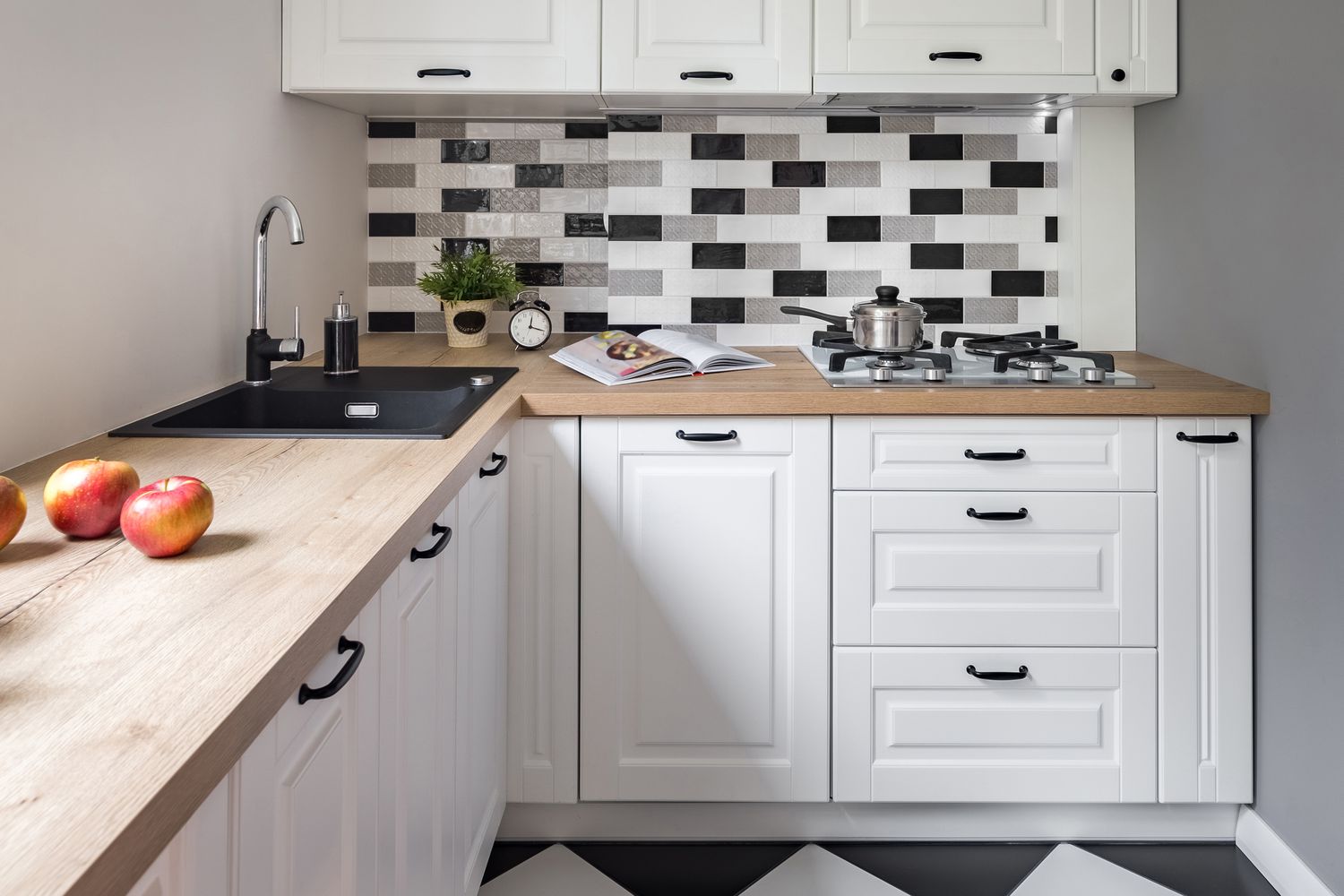


The best kitchen cabinet layouts for small kitchens are galley, L-shaped, and single-wall. According to Illustrarch, galley and single-wall layouts consistently outperform other options in small spaces because they maximize the ratio of usable surface to floor area. According to KitchenAid, these compact layouts create practical cooking zones that keep everything within easy reach while maintaining smooth workflow between appliances. According to the 2025 Houzz Kitchen Trends Study, the median spend on a major remodel of kitchens under 200 square feet was $35,000, up 9% from the year before, proving that homeowners are investing seriously in making small kitchens work harder. The right layout turns a cramped kitchen into one that feels organized, efficient, and even spacious. This article compares the best layouts for small kitchens, explains the design rules that matter most, and shares practical tips for getting the most out of limited space.
The ideal layout for a small kitchen depends on the room's shape, how many walls are available for cabinets, and whether the kitchen opens into another room. Three layouts work best for small spaces, and each one solves a different problem.
A galley kitchen places cabinets and countertops along two parallel walls with a walkway in the middle. According to Kitchen Search, a galley kitchen thrives in small spaces because everything fits within two walls, eliminating awkward corners and oversized islands. The walkway should be 42 to 48 inches wide for comfortable movement, according to Illustrarch. If you cannot reach that width, removing upper cabinets on one side and replacing them with open shelving reduces the visual weight.
Galley kitchens are the most efficient layout for cooking because the sink, stove, and refrigerator are all within a few steps of each other. According to Tasting Table, everything is within easy reach, making cooking seamless and intuitive. The compact footprint also helps cut back on installation costs because fewer materials and shorter countertops are needed.
An L-shaped kitchen places cabinets along two walls that meet at a 90-degree corner. According to Tasting Table, this is consistently reported as the most popular kitchen layout in residential design because it adapts to a wide range of room sizes and supports an open-plan configuration. One leg of the L handles cooking and prep while the open side leaves room for a small dining table or a movable cart.
According to Homedit, the L-shape creates more usable surface area without expanding the footprint. For small kitchens that open into a living or dining area, an L-shaped layout with a compact peninsula gives you the open-plan feel of a larger kitchen. We often recommend this layout for homeowners who want both cooking efficiency and a place to sit and eat without adding a separate dining room. For families across North Alabama, the L-shape is the most common starting point for small kitchen renovations because it balances openness with storage. The corner where the two walls meet can be tricky, but smart corner solutions like pull-out trays and custom corner drawers make that space fully usable.
A single-wall kitchen lines everything up on one wall: sink, stove, refrigerator, and all cabinetry. According to House Digest, the I-shaped (single-wall) layout is gaining popularity in 2026 because it is streamlined, sleek, and uses space efficiently. It makes a smaller kitchen look bigger and opens up floor space for a dining area or island on the opposite side.
According to Tasting Table, full-height cabinets, integrated appliances, and concealed pull-out pantries help make the most of limited square footage in a single-wall kitchen. The trade-off is less total storage compared to two-wall layouts. If you go this route, running custom cabinets all the way to the ceiling captures storage that would otherwise be lost.
LayoutBest ForStorage CapacityMinimum WidthOpen-Plan FriendlyGalleyNarrow rooms, efficiencyHigh (two full walls)42 to 48 inches walkwayLimitedL-ShapedCorner rooms, open plansModerate to high4 to 6 ft per legYesSingle-WallStudios, open-concept homesLower (one wall)8 to 12 ft runYesU-Shaped (small)Square rooms with 3 wallsHighest6 ft between wallsNoPeninsulaL-shape with added counterHigh4 ft clearance aroundYes
Sources: KitchenAid, Illustrarch, Tasting Table, Kitchen Search, GoldenHome, OPPEIN
The 3 kitchen rule refers to the kitchen work triangle, a design principle that places the three most-used work zones (the sink, the stove, and the refrigerator) in a triangle formation. Each side of the triangle should measure between 4 and 9 feet. The total perimeter should not exceed 26 feet. The goal is to minimize unnecessary steps while keeping the three zones close enough for efficient cooking.
In small kitchens, the work triangle becomes even more important because there is less room for error. A poorly placed refrigerator that blocks the walkway or a stove crammed into a corner can make a tight kitchen feel impossible to use. According to Kitchen Search, galley kitchens naturally support the work triangle because the sink and stove often land on one wall with the refrigerator on the opposite wall, keeping all three points within easy reach.
Modern designers are expanding beyond the traditional triangle to zone-based planning. Instead of connecting three appliances, zone planning creates distinct areas for prep, cooking, and cleaning. According to GoldenHome, dividing the kitchen into functional zones enhances usability, especially in layouts where an island or peninsula shifts the traditional triangle. For small kitchens, the classic triangle still works best because there are fewer elements competing for space.
The 60 30 10 rule for kitchens is a color distribution guideline. It says 60% of the kitchen should be a dominant color (usually the cabinets and walls), 30% should be a secondary color (countertops, backsplash, or flooring), and 10% should be an accent color (hardware, light fixtures, or decorative items). This ratio creates a balanced, visually pleasing space.
In small kitchens, following this rule matters even more because color mistakes are harder to hide. A dominant dark color can make a small kitchen feel like a cave, while too many competing colors create visual chaos. According to the NKBA 2026 Kitchen Trends Report, 96% of designers identified neutrals as the most popular kitchen colors. Light, warm tones as the dominant 60% make small kitchens feel open, while a natural wood or warm stone as the 30% adds depth. A bold hardware finish or a colorful backsplash covers the 10% accent without overwhelming the space. Choosing the right cabinet color is one of the most impactful decisions in a small kitchen because the cabinets dominate the visual field.
The design mistakes to avoid in a small kitchen are choosing oversized appliances, ignoring vertical storage, using too many upper cabinets without visual relief, poor lighting, and placing the refrigerator where it blocks traffic flow.
Oversized appliances eat up counter and floor space that a small kitchen cannot spare. A 36-inch refrigerator in a 100-square-foot kitchen can dominate the room. Counter-depth models save 6 to 8 inches of floor space and create cleaner sight lines. According to OPPEIN, smart appliances and integrated designs are key to making small kitchens feel larger without sacrificing function.
Ignoring vertical space is the most common storage mistake. According to Homedit, single-wall kitchens prove that one wall is enough when cabinets run floor to ceiling and the layout is planned properly. Running cabinets to the ceiling captures storage that standard-height upper cabinets leave behind. That extra 12 to 18 inches of height can hold seasonal items, serving platters, and rarely used appliances.
Too many closed upper cabinets can make a small kitchen feel dark and cramped. Mixing some open shelves with closed uppers gives visual breathing room. According to Illustrarch, replacing some upper cabinets with open shelving reduces visual weight and makes the walls feel less closed-in. Good lighting matters just as much as the layout. Under-cabinet LEDs, recessed ceiling lights, and a window over the sink make a small kitchen feel twice as large. According to the NKBA 2026 report, 82% of designers listed under-cabinet lighting as a top feature.
The golden rule of kitchen design is to keep the work triangle efficient and unobstructed. No leg of the triangle should be shorter than 4 feet or longer than 9 feet. No major traffic path should cut through the triangle. The sink, stove, and refrigerator should be positioned so you can move between them without walking around an obstacle.
In small kitchens, this rule practically designs the layout for you. The room's dimensions narrow the options, and the golden rule helps you place each element where it functions best. According to Twin Valley Woodcrafts, your starting layout makes the biggest difference to the flow of your kitchen, which is why layout choices should come first before selecting cabinets, countertops, or finishes. Once the layout is right, custom kitchen cabinets can be designed to fit every inch precisely.
A fridge should be placed at the end of a cabinet run or at the entry point of the kitchen, never in the middle of the countertop where it breaks up workspace. In a galley kitchen, the refrigerator works best at one end of one wall, with the sink and stove further down the same wall or on the opposite wall. In an L-shaped layout, it goes at the outer end of one leg so it does not interrupt the cooking zone.
According to Tasting Table, tall units like refrigerators should be positioned at the ends rather than the center to maintain an uninterrupted workflow. Placing the fridge in the center forces you to walk around it every time you move between the stove and the sink, which kills efficiency in a tight space. In single-wall kitchens, the refrigerator goes at one end of the wall run, with the sink in the middle and the stove at the other end. This keeps the three work triangle points in a straight, efficient line.
The 2026 trend for small kitchens is warm natural materials, concealed storage, multi-functional layouts, and the single-wall (I-shaped) configuration. According to House Digest, the I-shaped kitchen is gaining popularity in 2026 because it is streamlined, minimalist, and makes small spaces feel bigger. According to the NKBA 2026 Kitchen Trends Report, 94% of professionals agree that homeowners are adding functional spaces with concealed storage and personalized features.
According to the 2026 Houzz Kitchen Trends Study, wood tones have overtaken white for the first time, with 29% of homeowners choosing wood versus 28% for white. That warm, natural palette works especially well in small kitchens because it adds depth and richness without making the space feel heavy. Light wood cabinets paired with a white or light stone countertop keep the room bright while adding character.
According to Homedit, the best small kitchens in 2026 are designed with far more intention, where every surface, corner, and proportion has a clear role. Instead of cramming more storage in, the trend is toward fewer things organized better. Concealed pantry storage, built-in spice racks, and pull-out drawers are replacing cluttered open shelves. The direction is clear: make every inch count, and make it look good doing it.
Maximizing storage in a small kitchen requires thinking vertically, using cabinet interiors strategically, and choosing features that pull their weight every day.
Run cabinets to the ceiling. According to Illustrarch, running cabinets all the way up captures a significant amount of storage and makes the ceiling feel higher. Use the top section for seasonal items, backup supplies, and things you reach for once a month or less.
Add pull-out drawers to base cabinets. Deep base cabinets with fixed shelves waste the space in the back because items get buried. Pull-out drawers and sliding pantry shelves bring everything into view and make every inch accessible. According to OPPEIN, wall-mounted rails and hooks turn empty wall space into functional storage for frequently used items like knives, utensils, and pot racks.
Use the inside of cabinet doors. Door-mounted racks hold spices, cutting boards, and lids without taking up shelf space. Lazy Susans in corner cabinets eliminate dead zones. According to the NKBA 2026 report, 94% of updated cabinets now include specialty storage like pull-out bins, tray drawers, and spice organizers. These features are not luxury add-ons in a small kitchen. They are essentials. The right cabinet storage solutions can nearly double the usable capacity of a compact kitchen.
The kitchen color that will not date is a warm natural wood tone, classic white, or soft off-white. According to multiple NKBA surveys, these colors have consistently ranked among the most enduring choices across decades. According to the 2026 Houzz Kitchen Trends Study, wood tones have overtaken white for the first time in nearly a decade, but white remains a strong second at 28% and is unlikely to ever fully go out of style.
For small kitchens specifically, lighter tones tend to hold up better because they keep the space feeling open. A warm off-white, cream, or light maple finish is safer than a very dark or very bold color. Dark cabinets in a small kitchen can make the room feel smaller, while overly trendy colors risk looking dated within a few years. A two-tone approach, lighter uppers with a warmer lower or accent finish, adds personality without overwhelming a compact space.
What makes a kitchen look outdated is honey oak cabinets with cathedral-arch doors, dark espresso raised panels, soffits above cabinets, shiny brass hardware from the 1990s, fluorescent lighting, and visible clutter. According to the NKBA 2025 Kitchen Trends Report, 87% of designers said homeowners want seamless designs with concealed elements. Visible wire racks, open clutter, and mismatched finishes all work against that direction.
In small kitchens, dated elements are harder to ignore because everything is in your line of sight. A modern door style like shaker or slim shaker paired with warm wood or a soft neutral finish instantly updates the look. Adding soft-close hinges, brushed hardware, and under-cabinet lighting takes the transformation even further. According to MasterBrand, light wood stains now rank as the number one preferred cabinet finish, overtaking white for the first time in nine years.
The 5 basic kitchen layouts are single-wall, galley, L-shaped, U-shaped, and island. Single-wall lines everything on one wall. Galley uses two parallel walls. L-shaped wraps around a corner. U-shaped uses three walls. Island adds a freestanding work surface in the center. According to KitchenAid, the best layout depends on your room's shape, size, and how you use the space.
The most popular kitchen layout is the L-shaped layout. According to Tasting Table, it is consistently reported as the most popular in residential design because it adapts to a wide range of room sizes, supports open-plan configurations, and leaves room for a dining area or island. For small kitchens, the galley layout is a close second because of its efficiency and compact footprint.
Yes, $30,000 is enough for a kitchen remodel. According to Angi's 2026 data, the national average kitchen remodel cost is $26,962, with most projects falling between $14,585 and $41,534. At $30,000 you can afford new semi-custom cabinets, quartz countertops, updated flooring, and a full appliance swap in a small kitchen, as long as you keep the existing plumbing and electrical layout.
$10,000 is enough to renovate a kitchen if you keep the scope focused on cosmetic updates. At that budget, you can reface or paint existing cabinets, replace hardware, upgrade the backsplash, and swap out light fixtures. Full custom cabinet replacement on a $10,000 budget is only realistic in a very small kitchen with stock or ready-to-assemble units.
Two colors that should not be seen together in a kitchen are bright orange and bright red, or neon green and neon yellow. These high-intensity combinations clash and create visual discomfort, especially in small spaces where you see everything at once. According to the NKBA 2026 report, the dominant direction is toward warm neutrals, natural wood tones, and muted accent colors like sage green and navy, all of which pair harmoniously.
The color replacing gray in 2026 is warm off-white, cream, and natural wood tone. According to the NKBA 2025 Kitchen Trends Report, gray kitchens are off-trend, with homeowners moving toward warmer, more organic tones. According to MasterBrand, light wood stains are the number one preferred finish. Sage green is also rising as a popular alternative that adds softness without the coolness of gray.
To choose the right layout for your small kitchen, start by measuring the room and identifying how many walls are available for cabinets. If the room is long and narrow, choose a galley. If you have two perpendicular walls and want an open feel, choose an L-shape. If only one wall is available, choose a single-wall layout with floor-to-ceiling cabinets. Then place the sink, stove, and refrigerator to form an efficient work triangle. Choosing the right hardware and finishes after the layout is set ties everything together.
A small kitchen does not have to feel small. The right layout keeps everything within reach, the right cabinets capture every inch of storage, and the right finishes make the room feel open and inviting. Galley, L-shaped, and single-wall layouts consistently deliver the best results for compact spaces. Pair the layout with smart storage features, warm finishes, and good lighting, and even the smallest kitchen can become the most functional room in the house.
If you are planning a small kitchen and want to see what a custom layout would look like in your space, Classic Cabinetry can design cabinetry that fits every inch. Call us at (256) 423-8727 to schedule a free consultation.