.avif)


.avif)


.avif)
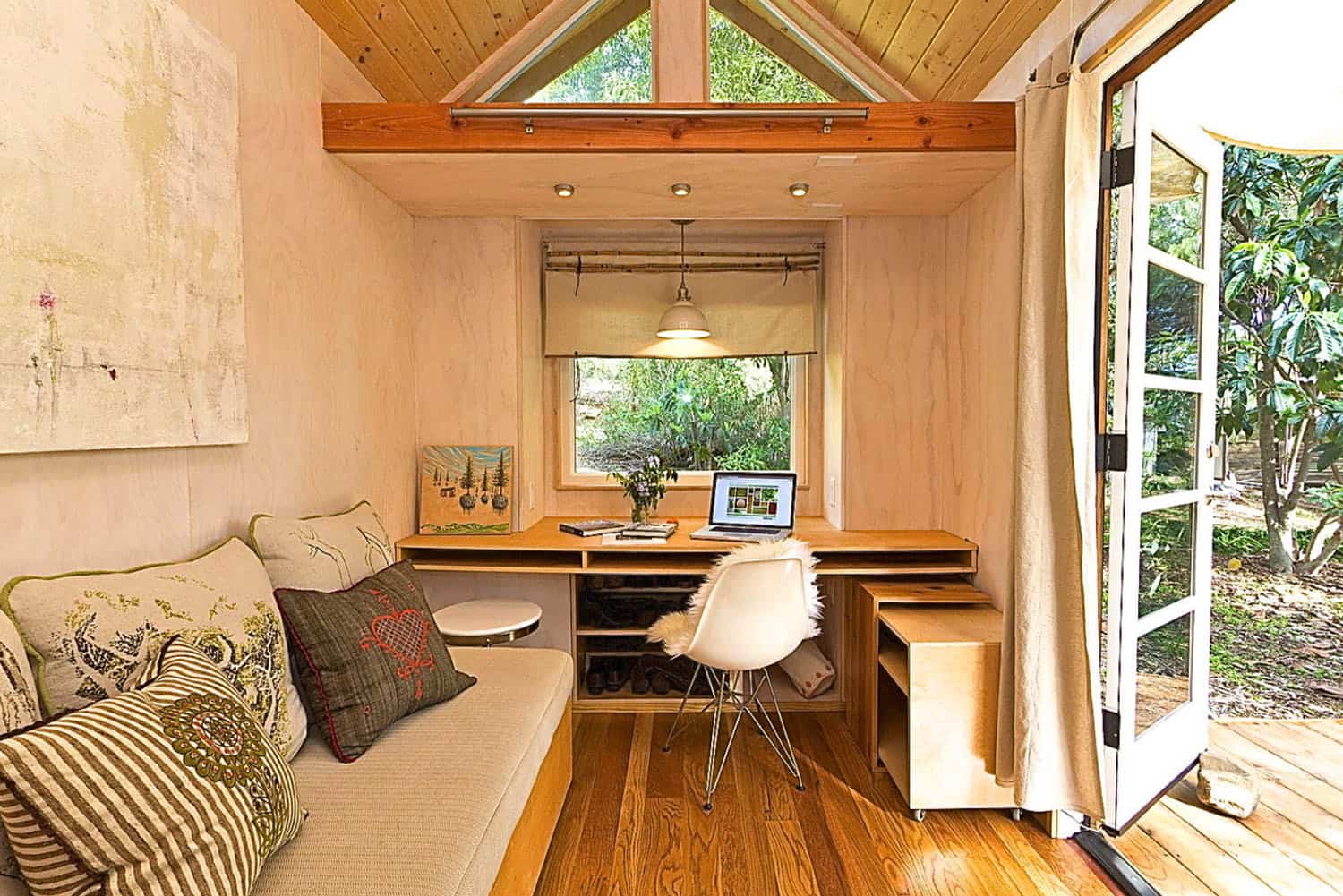
How to Design a Home Office and Guest Room Combo With Custom Cabinetry
link desc


Painted cabinets give you a smooth, opaque finish in virtually any color, while stained cabinets let the natural wood grain show through and create warmth and character. Painted cabinets typically cost 10% to 15% more than stained cabinets made from the same wood species, according to Deslaurier Custom Cabinets. Stained cabinets hide everyday scratches and wear better, while painted cabinets deliver a cleaner, more modern look. According to the 2026 Houzz Kitchen Trends Study, wood tones have overtaken white for the first time in nearly a decade, which means stained finishes are gaining serious ground. This article breaks down every factor that matters, from cost and durability to color trends and resale value, so you can choose the finish that fits your kitchen, your lifestyle, and your long-term plans.
Stained cabinets are not universally better than painted cabinets. Each finish excels in different areas. Stained cabinets are better for showcasing the natural beauty of wood, hiding minor damage, and keeping costs lower. Painted cabinets are better for achieving bold or neutral color palettes, creating a sleek modern look, and working with engineered materials like MDF.
According to Custom Kitchen Cabinets, paint gives you unlimited color options and a smooth, uniform surface, while stain lets the natural character of the wood speak for itself. The right choice depends on what you want your kitchen to look and feel like. If you love the texture and warmth of real wood, stain is the clear winner. If you want a crisp, clean canvas that can be any color on the spectrum, paint is the way to go.
According to Lamont Bros., painted finishes provide better initial protection against dings and scratches, but once damage occurs, it becomes highly visible. Stained cabinets naturally conceal damage better because the wood's color variations and grain patterns disguise small marks. That difference in how each finish ages is one of the most important practical considerations.
Painted cabinets cost more than stained cabinets when you compare the same wood species and door style. According to Deslaurier Custom Cabinets, a painted birch kitchen costs 10% to 15% more than the same kitchen in stained birch. According to Custom Kitchen Cabinets, paint adds 15% to 20% to finishing costs due to the additional prep, multiple coats of primer and paint, and longer application time.
According to Mint Cabinet Refinishing, professional staining costs approximately $1,800 to $4,500 for a full kitchen, while professional painting can cost upwards of $5,000. Even for DIY projects, cabinet paint costs more per gallon than staining products. The labor difference comes from the painting process itself: sanding, priming, painting (two coats minimum), sanding between coats, and applying a protective topcoat. Staining requires fewer steps and fewer coats.
However, total cabinet cost depends on more than just the finish. According to Deslaurier, the wood species and door style often have a bigger impact on the final price than the finish choice alone. A painted MDF cabinet can actually cost less than a stained solid cherry cabinet. That is because MDF is cheaper than hardwood, and paint works perfectly on MDF's smooth surface. When choosing between finishes for your custom kitchen cabinets, consider the total project cost rather than the finish in isolation.
The disadvantages of painted kitchen cabinets are higher cost, visible chipping and cracking over time, difficulty matching colors during touch-ups, and the tendency to show fingerprints and grease on lighter colors.
According to Kitchen Cabinet Kings, painted wood cabinets are typically 10% to 15% more expensive than stained wood cabinets. Over time, painted surfaces can chip, especially in high-traffic areas like around handles and near the dishwasher where heat and steam are constant. According to Houzz, paint touch-ups can be tricky because manufacturers often apply paint by spraying, which creates a smooth finish that is hard to replicate with a brush or touch-up kit.
According to Custom Kitchen Cabinets, lighter colors show grease and food splatter, while darker painted colors show fingerprints and dust. Semi-gloss sheens are easier to clean but show surface imperfections more readily. Paint also completely hides the wood grain underneath, so if you are paying a premium for a beautiful species like cherry or walnut, painting over it wastes that investment. According to Deslaurier, there is no reason to select a high-end wood species for painted cabinets since the grain will not show. Maple, birch, or MDF are the smart choices for a painted finish.
Stained cabinets are generally considered more timeless because they showcase the natural beauty of real wood, which never truly goes out of style. According to Kitchen Cabinet Kings, stained cabinets complement a wide range of design styles, from traditional to rustic to transitional. The natural grain and color of wood have been valued in homes for centuries.
Painted cabinets, particularly in white and soft gray, have also proven to be enduring choices. According to the NKBA 2026 Kitchen Trends Report, 96% of respondents identified neutrals as the most popular kitchen colors. White cabinets dominated for nearly a decade before the recent shift toward wood tones. Both finishes can be timeless when done well.
The current data, however, favors stain. According to the 2026 Houzz Kitchen Trends Study, 29% of homeowners chose wood tones compared to 28% for white. According to MasterBrand, light wood stains have overtaken white as the number one preferred cabinet finish for the first time in nine years. According to the NKBA, 59% of designers identified wood grain as growing in popularity, and white oak leads at 51% of professional specifications. That momentum points toward stained cabinet finishes as the stronger trend entering 2026 and beyond.
The table below compares painted and stained cabinets across every factor that matters when making your decision.
FactorPainted CabinetsStained CabinetsCost Difference10% to 20% more expensiveBaseline (lower cost)Color OptionsUnlimited (any color)Limited to natural wood tonesWood Grain VisibilityCompletely hiddenFully visible and enhancedBest Wood SpeciesMaple, birch, MDFOak, cherry, walnut, hickoryScratch and Wear VisibilityHighly visible (chips show base wood)Less visible (grain disguises marks)Touch-Up EaseDifficult (hard to match color and texture)Easy (stain markers blend into grain)CleaningShows fingerprints and greaseHides dirt better but needs periodic careLongevity of FinishMay need repainting in 8 to 15 yearsCan last 20 to 30 years with proper careBest Kitchen StylesModern, contemporary, transitionalTraditional, rustic, farmhouse, transitional2026 Trend DirectionShifting from dominant to supporting roleRising (wood tones overtook white)
Sources: Deslaurier Custom Cabinets, Custom Kitchen Cabinets, Kitchen Cabinet Kings, 2026 Houzz Kitchen Trends Study, NKBA 2026 Report, MasterBrand, Lamont Bros.
Neither finish is universally better. Painted cabinets give you design flexibility and a clean modern look. Stained cabinets give you natural warmth, easier maintenance, and lower cost. The strongest kitchens often combine both.
Yes, painted cabinets can increase home value, especially when done professionally and in a neutral color that appeals to a broad range of buyers. According to the 2025 Zonda Cost vs. Value Report, a minor kitchen remodel (which often includes refreshing cabinet finishes) returns 112.9% of its cost nationally, the highest ROI of any interior improvement.
The key is color choice. According to the NKBA 2026 report, warm off-whites, soft greens, and navy blue are currently performing well. Stark white is losing ground to warmer tones. According to Kitchen Cabinet Kings, the all-white kitchen trend is fading, and buyers increasingly prefer kitchens with personality and warmth. A well-painted kitchen in a current, neutral color still sells well, but the gap between painted and stained has narrowed as wood tones regain popularity.
Stained cabinets also increase home value, particularly when they feature a quality hardwood with a natural or warm-toned finish. According to Kitchen Cabinet Kings, stained cabinets bring a classic, timeless quality that appeals to traditional buyers. For homeowners planning to sell, either finish works if it is executed well and matches what buyers in the local market expect. For the Huntsville area, we see both painted and stained kitchens performing well, with the strongest results coming from two-tone combinations that pair a neutral painted upper with a warm stained lower or island.
White cabinets are not out of style in 2026, but they are no longer the automatic default choice. According to the NKBA 2025 Kitchen Trends Report, white and gray kitchens have been trending downward for several years. According to the 2026 Houzz Kitchen Trends Study, wood tones (29%) have edged past white (28%) for the first time in nearly a decade.
According to MasterBrand, light wood stains have taken the top spot as the preferred cabinet finish, with off-white slipping to third place. That does not mean white is dead. It means white is becoming a supporting element rather than the star. Two-tone kitchens that use white for uppers and a warm wood or bold color for lowers or the island are one of the most popular current approaches.
If you already have white cabinets in good condition, there is no need to rip them out. If you are choosing a finish for new cabinets, consider warm off-white, cream, or oatmeal tones instead of stark white. These softer whites feel current and pair beautifully with the natural wood accents and warm hardware trending in the most popular cabinet colors right now.
What most homeowners wish they knew before painting cabinets is how much prep work matters, how hard touch-ups are, and how quickly painted surfaces show wear in a busy kitchen.
According to Custom Kitchen Cabinets, painting cabinets is a multi-step process that includes sanding, priming, painting (at least two coats), sanding between coats, and applying a protective topcoat. Skipping any step leads to peeling, bubbling, or an uneven finish. According to Oceanside Painting and Refinishing, painted finishes are more prone to cracking and chipping over time, and repairs are harder to hide because matching the color and texture of factory-sprayed paint is difficult with a brush.
Another common surprise is how much lighter colors show grease, water spots, and fingerprints. White and light gray cabinets need wiping down far more often than most homeowners expect. According to Lamont Bros., painted cabinets show dirt quickly, which actually prompts more frequent cleaning and can be a benefit in keeping the kitchen hygienically clean.
If you do paint, use a quality paint-grade material like maple, birch, or MDF. These give you the smoothest surface under paint. Avoid painting over coarse-grained woods like oak, because the grain texture can telegraph through the paint over time and create an uneven appearance.
No, stained cabinets are not outdated. In fact, stained wood is the fastest-growing finish category in kitchen design right now. According to the 2026 Houzz Kitchen Trends Study, 29% of homeowners chose wood tones over 28% for white. According to the NKBA 2026 report, 59% of designers identified wood grain as growing in popularity, with white oak leading at 51%.
What looks outdated is not stained wood itself, but specific combinations from past decades. Honey oak with brass hardware from the 1990s looks dated. Dark espresso stains with ornate raised panel doors from the early 2000s feel heavy and old. A modern stained cabinet in white oak or light maple with brushed black or brushed gold hardware looks completely current.
According to RTA Cabinet Store, the broader design trend is toward warm, natural materials, and stained wood fits perfectly into that direction. Choosing a modern door style like shaker or slim shaker in a light to medium stain is one of the smartest moves for a kitchen that will look good for years.
Professionally painted cabinets last 8 to 15 years before they need repainting, depending on daily use, humidity, and how well they are maintained. According to Kitchen Cabinet Kings, stained cabinets can look great for up to 30 years with proper care, giving stain a significant edge in longevity. The difference comes down to how each finish ages.
Paint sits on top of the wood surface and is susceptible to chipping, cracking, and yellowing over time. High-humidity kitchens and areas near dishwashers and stoves see the most wear. Stain, by contrast, soaks into the wood fibers and expands and contracts with the wood as temperature and humidity change. This makes stain less prone to cracking or peeling.
To get the most life out of painted cabinets, avoid harsh cleaners, wipe up spills quickly, and use soft-close mechanisms to reduce impact on the finish. Regular cabinet maintenance extends the life of both painted and stained finishes. When it is time for a refresh, stained cabinets are much easier and cheaper to re-stain than painted cabinets are to repaint.
The colors to avoid in kitchen cabinets are anything too trendy, too bold for the whole kitchen, or too dark for a small space. Bright reds, neon yellows, and very dark espresso on all cabinets tend to date quickly and can hurt resale appeal.
According to the NKBA 2025 Kitchen Trends Report, white and gray kitchens are off-trend, with homeowners moving toward warmer, more natural tones. Stark, cool-toned white is losing favor to warm whites, creams, and off-whites. Very dark cabinets in small kitchens make the space feel cramped and closed-in.
If you love a bold color, use it as an accent on the island or lower cabinets while keeping the uppers neutral. This two-tone approach lets you take a design risk without committing the entire kitchen. According to Lamont Bros., pairing two paint colors or combining paint with stain is one of the most popular current approaches. For the safest long-term value, warm wood tones, off-whites, soft greens, and navy blue are the current sweet spot across both kitchen cabinetry finishes.
Choosing between painted and stained cabinets comes down to four questions: What look do you want? What wood are you using? How busy is your kitchen? And what is your budget?
Choose paint if you want a bold or neutral color that hides the wood underneath, if you are using MDF or a budget-friendly paint-grade wood like birch, or if your design leans modern or contemporary. Paint gives you the widest color range and the cleanest visual line.
Choose stain if you want to show off the natural beauty of a quality hardwood like oak, cherry, or walnut. Stain costs less, lasts longer, hides everyday wear better, and aligns with the current design trend toward warm, natural materials. If your kitchen gets heavy daily use, stain is the more forgiving option.
Consider combining both. Two-tone kitchens that pair painted uppers with a stained island or stained base cabinets are one of the strongest design moves right now. According to the NKBA 2026 report, 42% of recent renovations include multiple cabinet materials or finishes, according to Houzz. This mixed approach gives you the modern clean of paint and the warmth of natural wood in the same space. We design both finishes and regularly pair them together for homeowners looking for something that feels personal and current rather than straight off a showroom floor. Picking the right custom cabinets means getting both the material and the finish right from the start.
It is better to restain cabinets if the wood is in good condition and you want to keep or change the wood tone. Restaining costs less and takes less time. It is better to paint if the wood is damaged, the grain is unappealing, or you want a completely different color that stain cannot achieve. According to Deslaurier, painting is an 8-step process that is more time-consuming and uses more products than staining, which directly affects cost.
The cabinet colors that look most outdated are honey oak, dark espresso, and cool-toned gray. According to the NKBA 2025 report, white and gray kitchens have been trending downward. Honey oak with cathedral-arch doors is the most commonly cited "dated" look. Warm wood tones, off-whites, and soft greens are the current favorites. A simple finish update can bring an outdated kitchen back to life without a full replacement.
What makes cabinets look expensive is consistent finish quality, soft-close hardware, concealed hinges, clean lines, and well-matched materials throughout the kitchen. According to the NKBA 2026 report, 87% of designers say statement lighting, floor-to-ceiling cabinetry, and hidden storage create the strongest luxury impression. The finish, whether painted or stained, looks expensive when it is professionally applied with no visible brush marks, drips, or uneven coverage.
The colors that make a house look expensive are warm whites, soft greens, deep navy, and natural wood tones. According to the 2026 Houzz Kitchen Trends Study, the trend is toward warm, natural palettes rather than stark white or cool gray. Matte and satin finishes on cabinets read as higher end than high-gloss. Pairing these colors with natural stone countertops and brushed metal hardware reinforces the upscale look.
Yes, painted kitchen cabinets are still popular. According to the 2026 Houzz Kitchen Trends Study, white cabinets still hold 28% of the market, and painted finishes in off-white, green, blue, and gray collectively account for a significant share. The shift is not away from paint entirely, but away from all-white kitchens and toward more varied, personalized approaches that often combine paint with natural wood finishes.
What devalues a house the most is deferred maintenance, overly personalized renovations, and improvements that exceed the neighborhood's price range. According to the 2025 Zonda Cost vs. Value Report, major upscale kitchen remodels return only about 36% of their cost at resale, while minor remodels return 112.9%. Spending $100,000 on a luxury kitchen in a $250,000 neighborhood can actually reduce your effective return. Keep improvements proportional to your home's value and your neighborhood.
The 2026 trend for kitchen cabinets is warm wood tones overtaking white, two-tone combinations gaining momentum, concealed storage becoming standard, and slim shaker door profiles bridging traditional and modern styles. According to MasterBrand, light wood stains are the number one finish choice. According to the NKBA 2026 report, 94% of professionals say homeowners are adding functional storage features like pull-out bins, appliance garages, and hidden pantry storage. The focus has shifted from pure aesthetics to a balance of beauty and daily function.
Painted cabinets give you a clean, modern canvas in any color you can imagine. Stained cabinets bring the warmth and character of real wood into your kitchen in a way paint simply cannot replicate. Both finishes have earned their place in well-designed kitchens, and the strongest current trend is combining them. Whether you go all paint, all stain, or a mix of both, the finish you choose should match how you actually use your kitchen every day and how long you plan to enjoy it.
If you are ready to explore your options in person, Classic Cabinetry can show you real painted and stained samples side by side in the context of your kitchen. Call us at (256) 423-8727 to schedule a free consultation.