.avif)


.avif)


.avif)
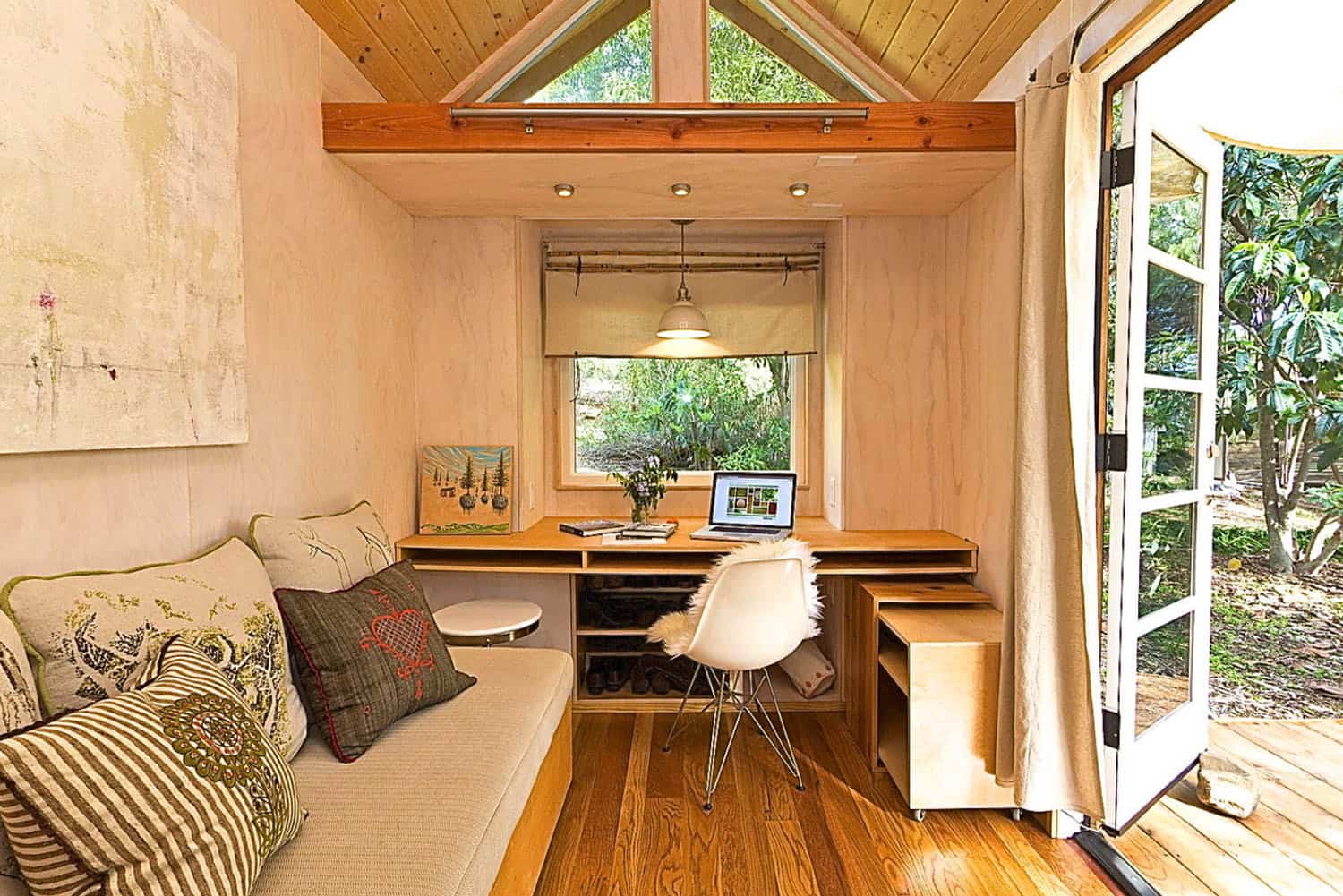
How to Design a Home Office and Guest Room Combo With Custom Cabinetry
link desc


Cabinet refacing costs less than replacing in most situations. Refacing runs $4,000 to $9,500 for an average kitchen, while full cabinet replacement costs $12,000 to $35,000 according to data from Kitchen Cabinet Guys. That means refacing saves homeowners 30% to 50% compared to a complete tear-out and reinstall. But the cheaper option is not always the right option. The best choice depends on the condition of your cabinet boxes, whether you want to change the layout, and how long you plan to stay in your home. In this article, we compare costs, timelines, return on investment, and the pros and cons of each approach so you can make a confident decision.
The difference between refacing and replacing kitchen cabinets comes down to what stays and what goes. Refacing keeps your existing cabinet boxes attached to the walls. A professional removes the old doors, drawer fronts, and hardware, then installs new ones. The visible surfaces of the cabinet frames get covered with a matching veneer or laminate. The result is a kitchen that looks brand new on the outside, while the interior structure stays the same.
Replacing means tearing everything out, the boxes, doors, drawers, shelves, hinges, and all hardware. New cabinets get built or ordered, then leveled and installed from scratch. This gives you a completely clean slate. You can change the layout, add cabinets where there were none, remove cabinets you do not need, and upgrade every interior feature. According to Angi, refacing costs $900 to $6,000 at the low end, while replacement can run $2,000 to $30,000 depending on the scope and materials.
The choice between the two shapes everything else: your budget, your timeline, how long your kitchen is out of commission, and how much flexibility you have with the design. We walk homeowners through both options during every consultation to help them decide which path makes the most sense for their space and their goals.
The average cost of refacing a kitchen is $4,000 to $9,500 for a standard-sized kitchen of about 150 to 250 square feet. According to Modernize, the national average sits around $6,750. Kitchen Cabinet Guys places the range at $4,000 to $9,000, or about $100 to $250 per linear foot. The final number depends on the number of cabinets, the materials you pick, and the complexity of the project.
Material choice is the biggest cost driver in a refacing project. Laminate and thermofoil are the most budget-friendly options. Real wood veneers like white oak or walnut cost significantly more. According to Payless Kitchen Cabinets, laminate and thermofoil refacing runs $80 to $160 per linear foot, while real wood veneers cost $160 to $350 per linear foot. Soft-close hinges add about $15 to $30 per door but make a noticeable difference in how the kitchen feels.
Market trends suggest refacing costs will rise 10% to 15% by late 2026 according to Kitchen Cabinet Guys, with average prices climbing to $4,500 to $10,500. Locking in pricing sooner rather than later can save you money if you are on the fence.
Full kitchen cabinet replacement costs $12,000 to $35,000 for a mid-range project, according to Kitchen Cabinet Guys. Stock cabinets are the most affordable option, running $100 to $280 per linear foot installed according to CabinetNow. Semi-custom cabinets fall in the $150 to $400 per linear foot range. The differences between cabinet grades affect cost, quality, and lifespan. Fully custom kitchen cabinets cost $500 to $1,200 per linear foot, with total project costs of $12,500 to $18,000 or more.
Labor adds 15% to 25% of the total budget. For an average kitchen, that means $2,000 to $4,500 in installation costs alone. On top of that, removing old cabinets and disposing of them can add $100 to $300. According to N-Hance, a full cabinet replacement runs $25,000 to $30,000 or more for most kitchens when you factor in every expense. Hidden costs like wall repairs, flooring adjustments, and plumbing modifications can push the total even higher once the old cabinets come off the wall.
According to the Kitchen Cabinet Manufacturers Association (KCMA), overall cabinet sales in 2025 fell 6.5% from the prior year. Stock cabinet sales dropped 12.4%, semi-custom fell 5.7%, and custom declined 4.4%. That softening market can work in your favor if you are shopping for replacement cabinets, because manufacturers and dealers may be more willing to negotiate.
Yes, it is cheaper to reface cabinets than to replace them in most cases. According to Kitchen Cabinet Guys, refacing saves 50% to 70% compared to full replacement. Most refacing projects cost $4,000 to $9,000, while replacement runs $15,000 to $35,000. That is a difference of $10,000 to $25,000 for an average kitchen.
The savings come from three places. First, you use far less material because the cabinet boxes stay in place. Second, labor is simpler and faster since there is no demolition, no wall repair, and no plumbing or electrical work. Third, you avoid the surprise costs that come with tearing out old cabinets, like damaged drywall, uneven subfloors, or outdated wiring hidden behind the boxes.
However, refacing is not always the cheapest long-term decision. If your cabinet boxes are warped, water-damaged, or made from low-quality particle board, refacing is just putting new doors on a failing structure. According to SouthRay Kitchen and Bath, if the structural integrity of your cabinets is already compromised, refacing can actually damage them further, and you may end up paying for both refacing and replacement. That is why we always inspect the cabinet materials before recommending a path forward.
Seeing the numbers next to each other makes the difference clear. The table below compares refacing and replacing across every major cost and timeline factor for a standard kitchen with approximately 20 linear feet of cabinetry.
FactorCabinet RefacingCabinet ReplacementTotal Project Cost (Average Kitchen)$4,000 to $9,500$12,000 to $35,000Cost Per Linear Foot$100 to $350$100 to $1,200Installation Time3 to 5 days2 to 4 weeksKitchen DowntimeMinimal (kitchen usable)1 to 3 weeks (kitchen unusable)Layout Changes PossibleNoYesInterior Cabinet UpgradesLimitedFull (pull-outs, dividers, etc.)Added Lifespan15 to 20 years20 to 50+ yearsHidden Cost RiskLowHigh (wall, floor, plumbing repairs)ROI at Resale70% to 85%50% to 113% (scope dependent)
Sources: Kitchen Cabinet Guys, Angi, Granite Transformations, CabinetNow, America's Advantage Remodeling, 2025 Zonda Cost vs. Value Report, Depo Homes
For homeowners who like their layout and have solid cabinet boxes, refacing delivers the biggest bang for the dollar. For those who need a new layout, more storage, or have cabinets that are falling apart, replacement is the better investment even though it costs more upfront.
The downsides of refacing are limited customization, no layout changes, no interior upgrades, and the risk of adhesion failure over time. Understanding these limitations upfront helps you avoid spending money on a project that does not actually solve your problem.
According to CabinetNow, the biggest downside is that you cannot change much beyond the doors and drawer fronts. The cabinet boxes stay exactly where they are. If your kitchen has poor traffic flow, awkward storage, or cabinets in the wrong spots, refacing will not fix any of that. According to SouthRay Kitchen and Bath, if veneer or laminate is not applied correctly, or if your home has high humidity or temperature swings, the new surfaces can bubble, peel, or warp over time.
The interior of your cabinets also stays the same. If shelves are warped, chipped, or sagging, those issues remain after refacing. You cannot add pull-out drawers, lazy Susans, or built-in dividers to the existing boxes the way you can with new custom cabinetry. According to NextDAY Cabinets, refaced cabinets may only last 5 to 10 additional years compared to 15 to 20 years for new cabinets, though that estimate varies widely depending on the quality of the refacing work and materials.
Yes, renovating a kitchen increases property value even if the kitchen is only 5 years old, but the return depends heavily on the scope. A 5-year-old kitchen is still relatively new, so a minor update like refacing cabinets, swapping hardware, and upgrading the backsplash will usually deliver a better return than a full gut renovation.
According to the 2025 Zonda Cost vs. Value Report, a minor kitchen remodel (which includes cabinet refacing, new countertops, and updated fixtures) returns 112.9% of its cost nationally, making it the highest-returning interior renovation tracked. A major midrange kitchen remodel, by contrast, only recoups about 50% to 60%. According to Houghton Contracting, cabinet refacing alone can yield up to 96.1% ROI.
The NAR/NARI 2025 Remodeling Impact Report found that the top reason homeowners remodel is to replace worn surfaces and finishes (27%), followed by improving energy efficiency (19%) and wanting a design change (18%). If your 5-year-old kitchen just needs a cosmetic refresh, refacing is almost always the smarter financial move. If there are deeper functional issues, that is when replacement starts to make sense.
Yes, $30,000 is enough for a kitchen remodel if you plan carefully and keep the project in the minor to mid-range tier. According to Angi's 2026 data reported by DIYTalk, the national average kitchen remodel cost is $26,962, with most projects falling between $14,585 and $41,534. A $30,000 budget puts you right at the national average.
At that level, you can afford new semi-custom cabinets, quartz or granite countertops, updated flooring, and a full appliance swap, as long as you keep the existing layout and do not move plumbing or electrical. According to Kitchen Solvers, a mid-range remodel with new cabinets, countertops, flooring, and appliances typically runs $30,000 to $50,000. Staying at the lower end of that range means making smart trade-offs, like choosing semi-custom cabinets over fully custom, or keeping the cabinet budget tight by selecting a popular door style rather than something highly specialized.
If you want to stretch $30,000 even further, combining cabinet refacing with new countertops and updated appliances is a proven strategy. You spend $5,000 to $9,000 on refacing and have $20,000 or more left for everything else.
Cabinet refacing takes 3 to 5 days on average for a standard kitchen. According to Granite Transformations, the majority of refacing projects are completed within a week. Eagle Woodworking reports that total refacing timelines run 2 to 4 weeks from start to finish when you include the initial consultation and material ordering, but the actual installation work is only 3 to 5 days.
That is dramatically faster than full cabinet replacement, which takes 2 to 4 weeks of active construction. According to Deslaurier Custom Cabinets, the labor portion of a cabinet replacement takes about 2 weeks, and if you order custom cabinets, you need to add at least 8 weeks of production lead time before the installers even show up.
The speed of refacing is one of its biggest advantages. Your kitchen stays mostly usable during the project. You do not need to set up a temporary cooking station in the garage or eat out for weeks. For families with kids or anyone who works from home, that reduced disruption is worth a lot. We see many homeowners across North Alabama choose refacing specifically because they cannot afford to lose their kitchen for a month.
Yes, there are potential hidden costs in refacing, but they are much smaller than the hidden costs in a full replacement. The most common surprise expenses include hardware upgrades, interior shelf repairs, hinge replacements, and veneer touch-ups around difficult corners or angles.
According to N-Hance, new handles, knobs, and hinges are usually included in a professional refacing quote. But if you want soft-close mechanisms, that adds $15 to $30 per door. Upgrading all doors and drawers to soft-close in a 20-cabinet kitchen can add $300 to $600 to the total. If your existing shelves or drawer boxes are in poor shape, fixing them adds more.
With full replacement, the hidden costs are much bigger. According to N-Hance, contractors often find problems behind old cabinets like damaged drywall, outdated wiring, or water damage that must be fixed before new cabinets go in. If the new cabinets have a different footprint than the old ones, you may also need to extend or replace flooring and hardware to fill gaps. These surprise costs can add $1,000 to $5,000 or more to a replacement project.
What adds the most value to a kitchen is a focused mid-range update that modernizes the look without overspending. According to the 2025 Zonda Cost vs. Value Report, a minor kitchen remodel costing around $28,458 returns an estimated $32,141 in resale value, producing a 112.9% ROI. That is the highest return of any interior home improvement project tracked nationally.
Opendoor confirms that the key to maximizing kitchen value is keeping the scope minor: reface or replace cabinet fronts, install new countertops, update the sink and faucet, add new flooring, and refresh the appliances. According to Price Builders, you will rarely make your money back on high-end luxury appliances or moving plumbing lines. A major kitchen remodel costing $80,000 or more typically sees only about a 40% return.
The NAR/NARI 2025 Remodeling Impact Report gave kitchen upgrades a perfect 10 out of 10 satisfaction score, and nearly two-thirds of homeowners said they want to spend more time at home after a kitchen remodel. That quality-of-life benefit does not show up in a resale number, but it matters just as much. Whether you reface or replace, the goal is to get a kitchen that works better for your daily life while protecting your home's value.
What makes a kitchen look outdated is a combination of worn cabinet finishes, old hardware, dark or honey-toned oak, laminate countertops, fluorescent lighting, and visible clutter. Cabinets are the most dominant visual element, so when they look tired, the whole kitchen feels old.
According to the NKBA 2025 Kitchen Trends Report, 87% of designers said homeowners want seamless, clutter-free kitchens with concealed elements like hidden doors and panel-ready appliance fronts. Open shelving and visible pantries have fallen out of favor. Shiny brass hardware from the 1990s, soffits above cabinets, and cathedral-arch door styles all signal "dated" to modern buyers.
The good news is that many of these issues are fixable with refacing alone. New door styles in a current color, updated hardware, and better lighting can completely transform how a kitchen reads. According to the NKBA 2026 Kitchen Trends Report, wood grain cabinets have surpassed painted white for the first time in a decade, with 59% of designers calling it a growing trend. Switching from honey oak to white oak through refacing can take a kitchen from dated to current in a matter of days.
The color kitchen that will not date is one built around natural wood tones, classic white, warm gray, or navy blue. These colors have remained popular across decades of design trends. According to multiple NKBA surveys, white oak is the most popular wood type for cabinets in both 2025 and 2026, with 51% to 59% of designers naming it as a top choice.
According to Kitchen Cabinet Kings, 29% of homeowners recently chose wood finishes compared to 28% for white, marking a shift that three independent data sources confirm. The movement is toward warm, natural tones rather than the cool grays and stark whites that dominated for the past decade. Navy blue and deep green work well as accent colors on islands or lower cabinets, but they carry more risk as a whole-kitchen commitment.
If you are choosing between cabinet colors, natural wood is the safest long-term play. It pairs with virtually any countertop and backsplash combination, and it ages gracefully rather than looking trendy for two years and then dated for twenty.
White cabinets are not completely out of style in 2026, but they are no longer the dominant trend. According to the NKBA 2025 Kitchen Trends Report, white and gray kitchens are off-trend, with homeowners moving toward light, natural colors instead. Green was the most popular cabinet color for 2025 at 76%, followed by blue (63%) and brown (56%).
The 2026 NKBA report reinforced this shift, showing wood grain surpassing painted cabinets in popularity for the first time in nearly a decade. White kitchens still sell well because they photograph cleanly and appeal to a broad range of buyers. But for homeowners who want their kitchen to feel current rather than safe, warm wood tones and two-tone combinations are where the momentum is heading.
If you already have white cabinets and they are in good shape, there is no rush to change them. If you are making a fresh choice, consider a warm off-white, a natural wood tone, or a two-tone design that pairs a neutral upper with a bolder lower. That approach gives you personality without sacrificing long-term appeal. Exploring different cabinet finishes can help you land on the right combination.
Deciding between refacing and replacing comes down to three questions: Are your cabinet boxes in good shape? Are you happy with the current layout? And how long do you plan to live in the home?
If the boxes are solid, the layout works, and you just want a fresh look, refacing is the clear winner. You save 30% to 50% on costs, your kitchen is back in action within a week, and you can put the savings toward countertops, appliances, or other upgrades.
If the boxes are damaged, the layout is frustrating, or you want to add features like pull-out shelves, a built-in pantry, or an island, full replacement is worth the higher investment. There are clear warning signs that tell you when refacing is not enough and full replacement is the right call. New cabinets give you complete control over every detail, and high-quality custom cabinets can last 30 to 50 years or more.
For homeowners planning to sell within 1 to 2 years, refacing almost always delivers a better financial return. According to the 2025 Zonda Cost vs. Value Report, minor kitchen remodels (which include refacing) return 112.9% nationally. For homeowners staying long-term, replacement provides better daily function and durability. According to the 2025 Houzz Kitchen Trends Study, 85% of homeowners upgrade their cabinets during a kitchen renovation, and the median spend on a major remodel reached $60,000. There is no shortage of homeowners investing seriously in kitchens they plan to enjoy for years.
The downside of cabinet refacing is that it does not allow layout changes, does not fix structural problems inside the boxes, and limits your customization options. According to CabinetNow, the inside of your cabinets stays the same after refacing, so warped shelves, chipped interiors, and old drawer boxes remain. If you want a different layout or advanced storage features, refacing will not get you there.
What devalues a house the most is deferred maintenance, outdated kitchens, and overly personalized renovations that do not match the neighborhood. According to the 2025 Zonda Cost vs. Value Report, major upscale kitchen remodels return only about 36% nationally, which means spending $160,000 on a luxury kitchen in a $300,000 neighborhood actually hurts your overall return. Keeping improvements proportional to the home's value protects your equity.
The $2,500 expense rule is an IRS guideline that allows businesses to immediately deduct expenses for tangible property costing $2,500 or less per item, rather than depreciating them over time. For homeowners, this rule does not directly apply to personal kitchen renovations. It is primarily relevant to rental property owners and small business owners who can deduct qualifying improvement costs on their taxes.
The 3x4 kitchen rule is a layout guideline that recommends keeping the kitchen work triangle (sink, stove, refrigerator) within a 3-foot to 4-foot distance between each point. This keeps the most-used zones close enough for efficiency while leaving enough room to move comfortably. Cabinet placement must work around this triangle, which is why changing the layout during a cabinet replacement project matters for daily function.
What increases house value the most is a combination of exterior upgrades and strategic kitchen improvements. According to the 2025 Zonda Cost vs. Value Report, garage door replacement leads all projects with a 268% ROI, followed by steel entry doors at 216% and manufactured stone veneer at 208%. For interior projects, a minor kitchen remodel returns 112.9%, making it the single best interior investment.
What not to tell your contractor is your maximum budget before getting a detailed quote. Sharing your ceiling number upfront often leads to estimates that magically land right at that figure. Instead, describe what you want done, get itemized quotes from at least three professionals, and then negotiate based on the scope of work. Be honest about your timeline and priorities, but let the competitive bidding process work in your favor.
The color countertops that are in for 2026 are warm whites, soft veining patterns, and natural stone tones. According to the NKBA 2026 Kitchen Trends Report, quartz remains the most popular countertop material at 78%, followed by natural quartzite at 62% and granite at 43%. Honed and matte finishes are overtaking high-gloss surfaces, and countertops lighter in color than the cabinets are the most desired combination according to the three-year trend prediction. Proper cabinet care helps both refaced and replaced cabinets hold up for decades.
Refacing costs less and works faster, but replacing gives you more flexibility and lasts longer. The right answer depends on the condition of your existing cabinets, how you use your kitchen every day, and how much you are willing to invest. If your boxes are solid and your layout works, refacing can save you $10,000 or more while still delivering a kitchen that looks and feels new. If you need a fresh start, custom replacement cabinets pay for themselves in daily comfort and long-term durability.
Either way, the most important step is getting an honest assessment of what your cabinets actually need. At Classic Cabinetry, we help homeowners figure out the smartest path forward for their space and their budget. Call us at (256) 423-8727 to set up a free consultation.