.png)


.png)




.png)

.png)


.png)
Cold Storage Planning for Restaurants Kitchen
link desc
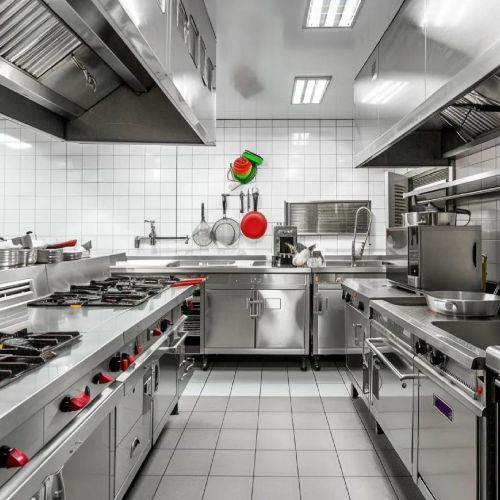


The difference between a regular kitchen and a commercial kitchen comes down to size, equipment, safety requirements, and purpose. A regular kitchen is built for home cooking and family meals. A commercial kitchen is built to prepare large amounts of food for paying customers in a restaurant, hotel, or catering business. According to the National Kitchen & Bath Association (NKBA), the average home kitchen in a newly built single-family house is about 161 square feet. A survey by RestaurantOwner.com of more than 700 restaurants found that the average commercial kitchen is about 1,051 square feet. That is more than six times bigger. This blog covers everything you need to know about these two types of kitchens, from layout and equipment to fire safety, health codes, and how the right cabinetry makes a difference for homeowners in Huntsville, Alabama and the surrounding area.
What classifies a kitchen as commercial is its purpose, equipment, and compliance with health and safety codes. A commercial kitchen is a space designed to prepare food for sale to the public. It is found in restaurants, hotels, catering companies, and food trucks. Unlike a home kitchen, a commercial kitchen must follow strict local health department rules and pass regular inspections.
According to the U.S. Food and Drug Administration (FDA), the FDA Food Code serves as a model set of food safety recommendations for retail food establishments across the country. Every commercial kitchen must meet standards for ventilation, fire suppression, sanitation, and food storage. Staff working in these kitchens often need food safety certifications.
The equipment in a commercial kitchen is also very different. Commercial ranges, ovens, and dishwashers are built for heavy, continuous use. Deep fryers, walk-in coolers, and industrial mixers are standard. Homeowners in Huntsville who are thinking about upgrading their home kitchen often look at these differences to decide what level of cabinetry and design they really need. Those looking into custom kitchen cabinets in Huntsville benefit from layouts that blend style with smart storage, without the need for commercial-grade equipment.
Commercial kitchens differ from residential kitchens in size, layout, equipment, materials, and regulations. A home kitchen is designed around the needs of one family. It focuses on comfort, style, and personal taste. A commercial kitchen is designed for speed, volume, and safety.
One big difference that many families across the Huntsville area notice is in cabinetry. Residential kitchens use beautiful wood cabinets with custom finishes and hardware. Commercial kitchens almost never use wood cabinets because stainless steel is easier to sanitize. Knowing how to choose the right material for kitchen cabinets matters a lot for homeowners who want durability and good looks in their home kitchen.
The three types of kitchens are residential kitchens, commercial kitchens, and industrial kitchens. Each one serves a very different purpose and has its own set of design rules.
A residential kitchen is the kitchen in your home. It is built for daily cooking and gathering. The layout is usually one of a few standard shapes like L-shaped, U-shaped, galley, or island. According to NKBA data, kitchens in homes under 1,500 square feet average about 103 square feet, while kitchens in homes over 4,000 square feet average about 238 square feet.
A commercial kitchen is found in restaurants, hotels, and catering businesses. It handles high-volume cooking. According to industry data, most dine-in restaurants use about 30% of their total floor space for the kitchen and 60% for the dining room.
An industrial kitchen is built for mass food production. These kitchens can be 2 to 20 times larger than a commercial kitchen, according to data from WilPrep Kitchen. They work more like a factory, with conveyor belts, bulk processing zones, and automated lines. A frozen dinner facility, for example, might cover 40,000 square feet or more.
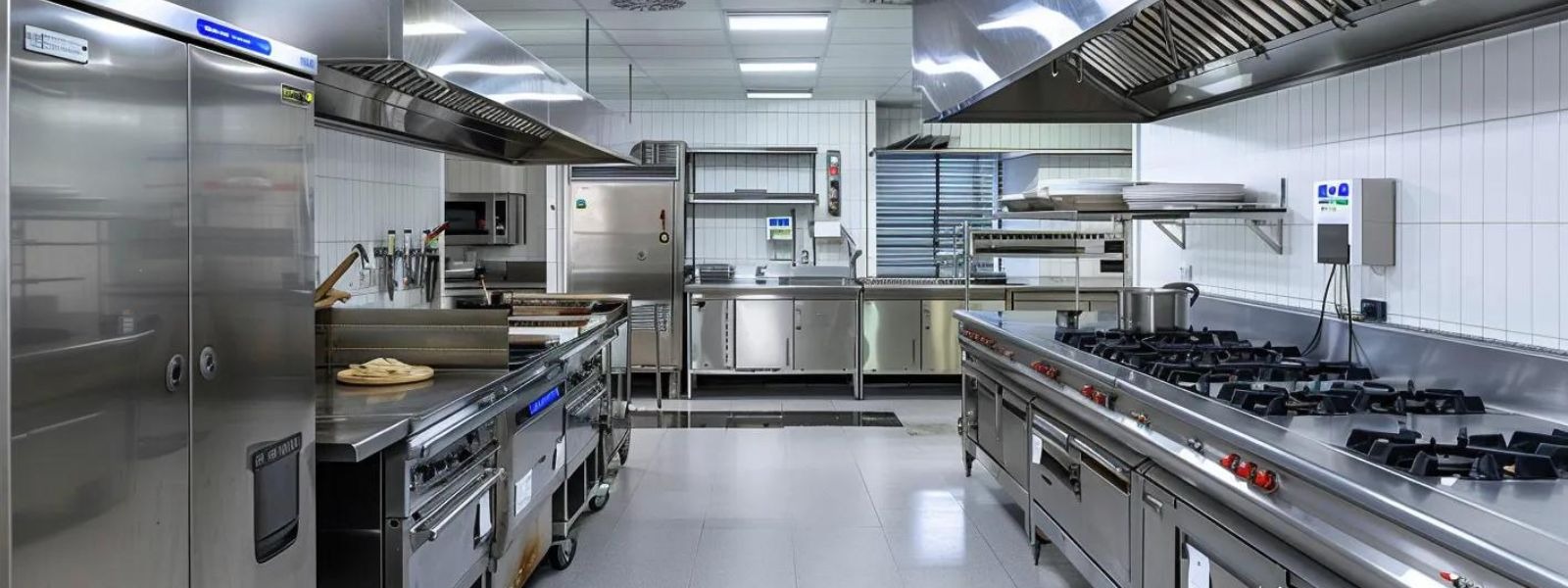
The five types of commercial kitchens are restaurant kitchens, catering kitchens, ghost kitchens (also called dark kitchens), commissary kitchens, and central production kitchens. Each type serves a specific part of the food service industry.
Restaurant kitchens are the most common. They prepare meals that are served on-site. Catering kitchens focus on making food in bulk for events and delivery. Ghost kitchens handle delivery-only orders, and they have grown rapidly since 2020. Commissary kitchens support food trucks by providing space for prep, cooking, and cleaning. Central production kitchens make large batches of food that get shipped to other locations for final service.
According to industry data from CloudKitchens, ghost kitchens can operate in as little as 300 to 600 square feet, making them one of the most compact commercial kitchen options available. This is a big shift from the traditional 1,000+ square foot restaurant kitchen. For homeowners in Huntsville, Alabama, the takeaway is simple: residential kitchens are getting smarter and more efficient, too. Well-planned cabinetry for spaces like your home office or kitchen uses the same principle of maximizing every square foot.
No, in most cases you cannot put a full commercial kitchen in your house without major renovations and special permits. Commercial kitchens must meet strict building codes, health department rules, and fire safety standards that go far beyond what a home kitchen requires.
According to the National Fire Protection Association (NFPA), commercial kitchens must follow NFPA 96, which is the standard for ventilation control and fire protection in commercial cooking. This means you would need a commercial-grade exhaust hood, a fire suppression system, grease traps, and slip-resistant flooring. The International Mechanical Code (IMC) also requires specific airflow rates measured in cubic feet per minute (CFM) based on your cooking equipment.
Some states allow "cottage food" operations from home kitchens, but these come with limits on what you can sell and how much revenue you can earn. If you are in the Huntsville, Alabama area and want a high-performing home kitchen that comes close to commercial functionality, the answer is custom cabinetry and smart layout design. Families across Madison and Decatur often find that custom pantry storage solutions paired with the right appliances give them most of the prep space they need.
The kitchen work triangle rule is a design guideline that places the three most-used work areas, the sink, the stove, and the refrigerator, in a triangle shape. According to NKBA design standards, the sum of the three sides of this triangle should be 26 feet or less, and each side should be between 4 and 9 feet long.
This rule applies mainly to residential kitchens. It was developed in the 1940s to help home cooks move between tasks with fewer steps and less wasted motion. A good work triangle makes meal prep faster and more comfortable.
Commercial kitchens do not follow the work triangle rule. They use a station-based layout instead. Each area of the kitchen has a specific job, such as a prep station, a cooking line, a plating area, and a dishwashing zone. Multiple cooks work at different stations at the same time, so the flow is linear, not triangular. For homeowners in Huntsville upgrading their kitchen layout, working with a cabinet team that understands the work triangle makes a real difference in how the finished kitchen feels and functions.
The 3x4 kitchen rule is a general guideline that says a functional kitchen needs at least 3 feet of clear counter space on one side of the sink and 4 feet on the other. This gives enough room for food prep on one side and dish drying or staging on the other.
This rule is a simple way to make sure your kitchen counter is not too cramped. It works well in homes with smaller kitchens or galley layouts. For families in the Ardmore or Huntsville area, custom-built cabinets can help maximize counter space even in a tight kitchen footprint. Knowing the difference between stock, semi-custom, and custom cabinets helps you pick the right option for your budget and kitchen size.
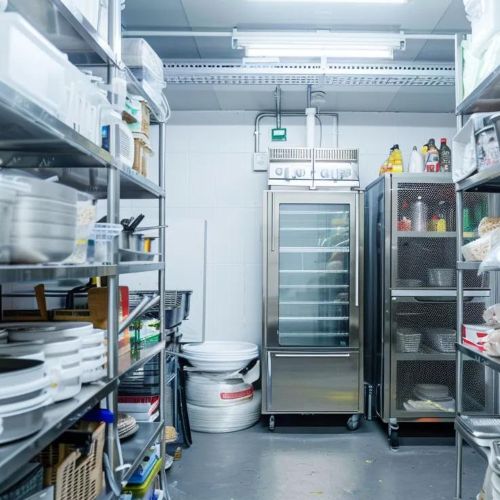
No, you typically cannot use a regular refrigerator in a commercial kitchen. Health codes in most states require commercial kitchens to use NSF-certified, commercial-grade refrigeration. These units are built to maintain consistent temperatures under heavy use, and they have features like self-closing doors, digital temperature displays, and stainless steel construction for easy cleaning.
According to the FDA Food Code, cold storage in a commercial kitchen must keep food at or below 41 degrees Fahrenheit at all times. Commercial refrigerators are designed to recover their temperature quickly after the door is opened, which happens dozens or even hundreds of times per day in a busy kitchen. A standard home refrigerator is not built for that kind of demand.
Home refrigerators, on the other hand, are designed for a household that opens the door maybe 20 to 30 times a day. They come in a wider variety of styles, colors, and finishes to match your home's look. For homeowners in the Huntsville area, choosing cabinets made from moisture-resistant materials is important, because the area around the refrigerator can collect condensation over time.
The most popular kitchen style right now is a clean, transitional look that blends modern lines with classic warmth. White and neutral-toned cabinets remain at the top, often paired with contrasting hardware for visual interest. According to a report by the National Association of Realtors, around 54% of surveyed realtors recommend upgrading the kitchen before listing a home for sale.
Countertops and backsplashes continue to be the most commonly updated elements. Data from kitchen renovation statistics shows that 91% of kitchen remodels include new countertops and 86% include updated backsplashes. Shaker-style cabinet doors remain a favorite because they work in both modern and traditional settings.
In the Huntsville, Alabama area, homeowners often choose custom cabinets with painted finishes and modern hardware. Classic Cabinetry has seen strong demand for clean, functional designs that prioritize storage and organization. Learning about popular kitchen cabinet color choices can help you plan a remodel that looks great and holds its value.
The common issues of commercial kitchens are fire hazards, foodborne illness risk, equipment breakdowns, poor ventilation, and high energy costs. These problems come with the territory of running a high-volume cooking operation.
According to the Centers for Disease Control and Prevention (CDC), more than half of all foodborne illness outbreaks reported each year in the United States are tied to food from restaurants. The CDC estimates that 48 million cases of foodborne illness happen each year in the U.S., leading to about 128,000 hospitalizations and 3,000 deaths. The FDA found that the two most common risk factors in restaurant kitchens are improper holding time and temperature and poor personal hygiene.
Fire is another major concern. According to the National Fire Protection Association (NFPA), about 61% of restaurant fires are caused by cooking equipment. An estimated 5,900 restaurant fires are reported to U.S. fire departments each year. These fires result in injuries, deaths, and significant property damage. Failure to clean grease from hoods, ducts, and equipment is a leading contributor to these fires.
Home kitchens face some of these same risks on a smaller scale. The U.S. Fire Administration reports that cooking is the number one cause of residential fires, with kitchens accounting for 93% of nonconfined cooking fires. Proper layout and storage help reduce clutter and hazards. For homeowners in the Huntsville area, a well-organized kitchen starts with cabinets designed for daily function and organization.
The 60 30 10 rule for kitchens is a color and design guideline. It says that 60% of the kitchen's visual space should be a dominant color (usually cabinets and walls), 30% should be a secondary color (like countertops and backsplash), and 10% should be an accent color (hardware, light fixtures, or decorative pieces).
This rule helps create a balanced, visually appealing kitchen without making one color or material feel overpowering. It is used by interior designers and kitchen planners across the country. In practice, many homeowners choose white or light-colored cabinets as their dominant color, a natural stone or quartz countertop as their secondary, and matte black or brushed gold hardware as their accent.
If you are planning a kitchen update in the Huntsville area, choosing your cabinet finish first makes it easier to apply the 60 30 10 rule to the rest of the room. Exploring different types of cabinet finishes is a great starting point for choosing a look that ties the whole room together.
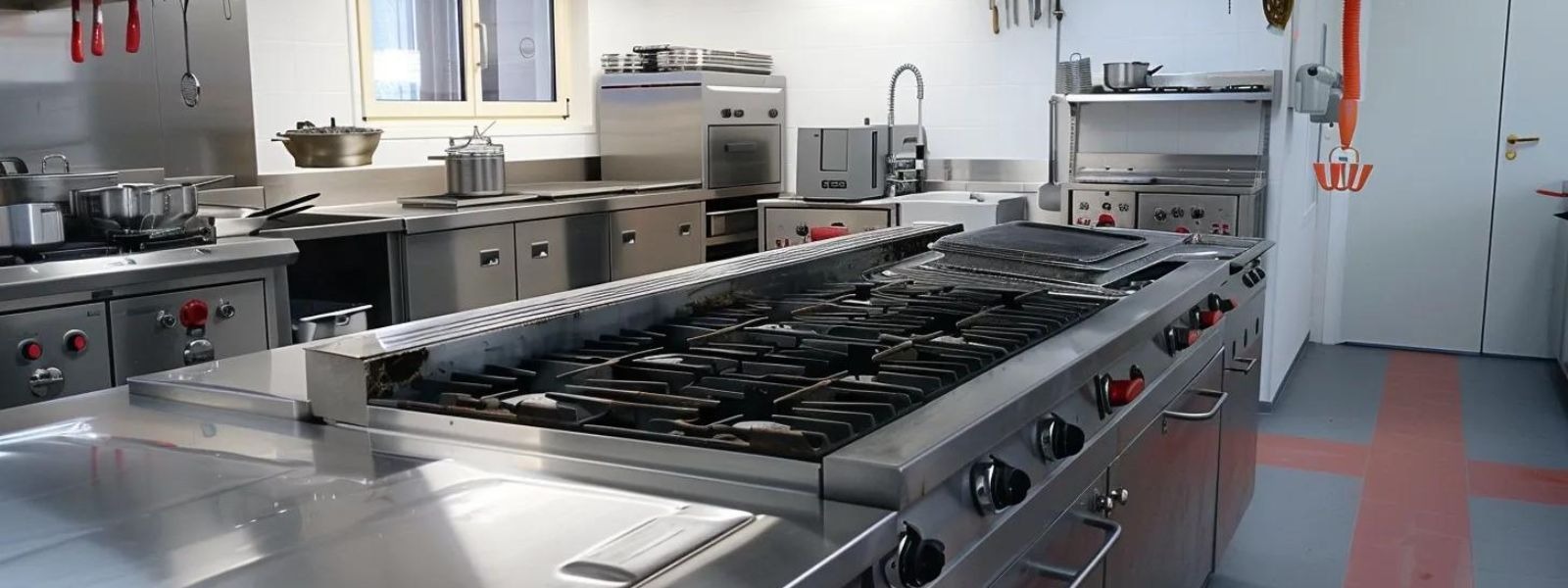
You avoid the 5 worst kitchen design mistakes by planning your layout carefully, choosing the right cabinet sizes, leaving enough clearance, prioritizing storage, and not ignoring lighting.
The first mistake is a poor layout. If your sink, stove, and refrigerator are too far apart or too close together, cooking becomes frustrating. The NKBA recommends following the work triangle rule to keep things efficient.
The second mistake is choosing cabinets that do not fit the space. Stock cabinets from big-box stores come in fixed sizes that often leave gaps or wasted corners. Custom cabinets solve this problem by fitting your exact measurements.
The third mistake is not leaving enough clearance. You need at least 42 inches for a work aisle and 48 inches if the aisle faces an appliance door. Tight spaces slow you down and create safety hazards.
The fourth mistake is skipping storage. Many homeowners in Madison and Huntsville realize too late that they do not have enough pantry space, drawer inserts, or cabinet organizers. Adding pull-out pantry shelves in the kitchen is one of the easiest ways to fix this.
The fifth mistake is poor lighting. A dark kitchen is hard to work in and looks smaller than it is. Under-cabinet lights, recessed ceiling fixtures, and pendant lights over the island make a big difference. Homeowners in the Huntsville, Alabama area who coordinate task lighting with their cabinet design see the best results.
The best type of kitchen depends on how you use it. For most homeowners, a well-designed residential kitchen with custom cabinetry is the best fit. It gives you the storage, prep space, and style you need for everyday cooking and entertaining.
According to the 2025 Cost vs. Value Report from Remodeling Magazine, a minor kitchen remodel returns about 113% of its cost in resale value. That makes it the highest-returning interior home improvement project in the country. This data shows that investing in your home kitchen is one of the smartest financial moves you can make.
For business owners, a commercial kitchen is the only realistic option. The volume of cooking, the number of staff, and the health code requirements make a residential kitchen completely impractical for food service.
If you are a homeowner in the Huntsville area weighing your options, focus on a residential kitchen that is designed for your life. Custom cabinetry, good storage, and a smart layout will serve you better than any commercial-style appliance. The right cabinets can even boost your home's resale value significantly over time.
The golden rule of kitchen design is to make the space work for the way you actually cook and live. Every design decision, from cabinet height to drawer placement, should serve a real purpose. Form follows function.
This means your most-used items should be within easy reach. Heavy pots go in lower cabinets. Spices go near the stove. Cutting boards go near the sink. Trash and recycling should be close to the prep area. The best kitchens are the ones where everything has a home and nothing is in the way.
In both residential and commercial kitchens, this golden rule holds true. The difference is that a commercial kitchen applies it to a team of cooks making hundreds of meals a day, while a home kitchen applies it to a family making breakfast, lunch, and dinner. Homeowners across Huntsville who want a kitchen built around the way they live often explore modern cabinet door styles that combine good looks with smart function.
Yes, $10,000 can be enough for a minor kitchen remodel if you focus on high-impact updates. According to Remodeling Magazine's 2024 Cost vs. Value Report, a minor kitchen remodel has a national average ROI of about 96%, making it one of the best investments you can make in your home.
A $10,000 budget can cover new cabinet fronts, updated hardware, a fresh backsplash, and possibly a new countertop, depending on the size of your kitchen and the materials you choose. Cabinet refacing alone can yield an impressive 96.1% return on investment, according to 2024 industry data.
The key is to skip major layout changes and focus on refreshing what is already there. Replacing cabinet doors, adding modern hardware, and installing under-cabinet lighting can transform the feel of a kitchen without tearing anything out. For homeowners in the Huntsville area looking to stretch their budget, having a clear plan for budgeting a kitchen cabinet remodel helps set realistic expectations and avoid overspending.
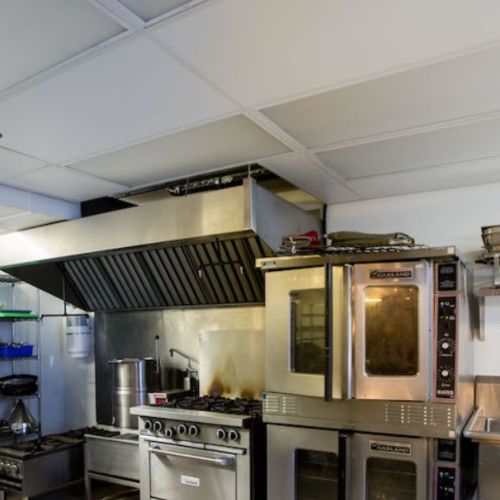
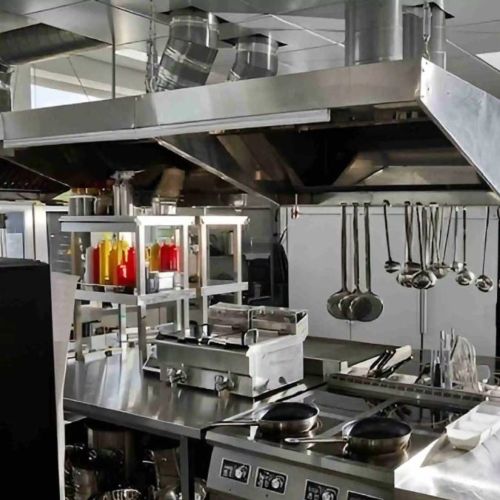
An example of a commercial kitchen is the back-of-house cooking area in a full-service restaurant. Picture a 1,200-square-foot space with a long cooking line running down the center. On one side, there are gas ranges, flat-top grills, and deep fryers. On the other side, there are cold prep stations with cutting boards and refrigerated drawers. At the end, there is a dishwashing station with a high-temperature commercial dishwasher.
Above the cooking line, a large stainless steel exhaust hood with a built-in fire suppression system pulls grease-laden air out of the kitchen. Slip-resistant flooring covers the ground. Stainless steel shelving lines the walls. Walk-in coolers and freezers sit in the back. Every inch of the space is built for speed, safety, and volume.
This is very different from a home kitchen in Huntsville, Alabama, where the focus is on warmth, comfort, and personal style. Home kitchens use custom wood cabinetry, stone countertops, and finishes that reflect the homeowner's taste. Knowing the best material for your bathroom vanity cabinet also helps homeowners see how material choices differ between residential and commercial spaces.
The biggest difference between a home kitchen and a commercial kitchen in Huntsville is the purpose and the rules that govern each space. A home kitchen is a private space for family cooking. A commercial kitchen must meet strict health department codes, fire safety standards from NFPA 96, and regular inspections. Commercial kitchens in the Huntsville area must also follow Alabama Department of Public Health regulations for food handling and storage.
Yes, custom kitchen cabinets make a big difference in a home kitchen. They are built to fit your exact space, which means no wasted corners or awkward gaps. According to the 2025 Cost vs. Value Report, a minor kitchen remodel that includes updated cabinets returns about 113% of its cost. Many homeowners across Huntsville, Madison, and Decatur choose custom cabinets because they last longer and offer better storage than stock options.
A commercial kitchen needs a ventilation system that follows NFPA 96 and the International Mechanical Code (IMC). This includes a Type I grease hood over all cooking equipment that produces grease-laden vapors, a fire suppression system, and makeup air units that replace exhausted air. Home kitchens in the Huntsville area only need a standard range hood, though upgrading to a more powerful hood can improve air quality during heavy cooking.
Commercial kitchen cabinetry differs from residential cabinetry because commercial spaces almost always use stainless steel shelving instead of wood. This is for sanitation and durability under constant heavy use. Residential kitchens in Alabama use wood species like maple, cherry, or oak with custom finishes. The beauty of a home kitchen comes from the craftsmanship of the cabinets, which is something you do not find in a commercial setting.
Commercial kitchens in Alabama are inspected by the Alabama Department of Public Health on a regular basis, usually at least once or twice a year. Some high-risk operations may be inspected more often. These inspections check for proper food storage temperatures, sanitation practices, ventilation, and fire suppression systems. Home kitchens do not face these inspections, but keeping your kitchen clean and well-organized is still important for your family's health.
Yes, kitchen renovations are worth it for Huntsville homeowners. According to the National Association of Realtors, about 54% of surveyed realtors recommend updating the kitchen before listing a home for sale. A minor kitchen remodel returns 113% of its cost in resale value, based on the 2025 Cost vs. Value Report. Even small updates like new cabinet fronts, modern hardware, and a fresh backsplash can boost your home's appeal and value.
The first thing to do when planning a kitchen remodel in Huntsville is to set your budget and decide which updates will have the biggest impact. Start with your cabinets, because they take up the most visual space in the room. Then look at countertops, hardware, and lighting. Scheduling a free estimate with Classic Cabinetry is a smart first step for homeowners across the Huntsville, Alabama area. Their team helps you plan a kitchen that fits your budget, your style, and the way you live.
A regular kitchen and a commercial kitchen serve very different purposes, but they share one thing in common: good design matters. For commercial kitchens, that means meeting strict health and fire codes, using industrial equipment, and building for speed and volume. For home kitchens, it means creating a space that is beautiful, functional, and built to last.
If you are a homeowner in Huntsville, Alabama or the surrounding area, the best investment you can make in your kitchen is custom cabinetry that fits your space and your life. With 44+ years of experience, Classic Cabinetry designs, builds, and installs custom cabinetry that turns your kitchen into the heart of your home. The team also handles commercial cabinetry projects for businesses across the region. Call today to schedule a free estimate and take the first step toward a kitchen you will love for years to come.