.avif)


.avif)


.avif)
How to Design a Home Office and Guest Room Combo With Custom Cabinetry
link desc
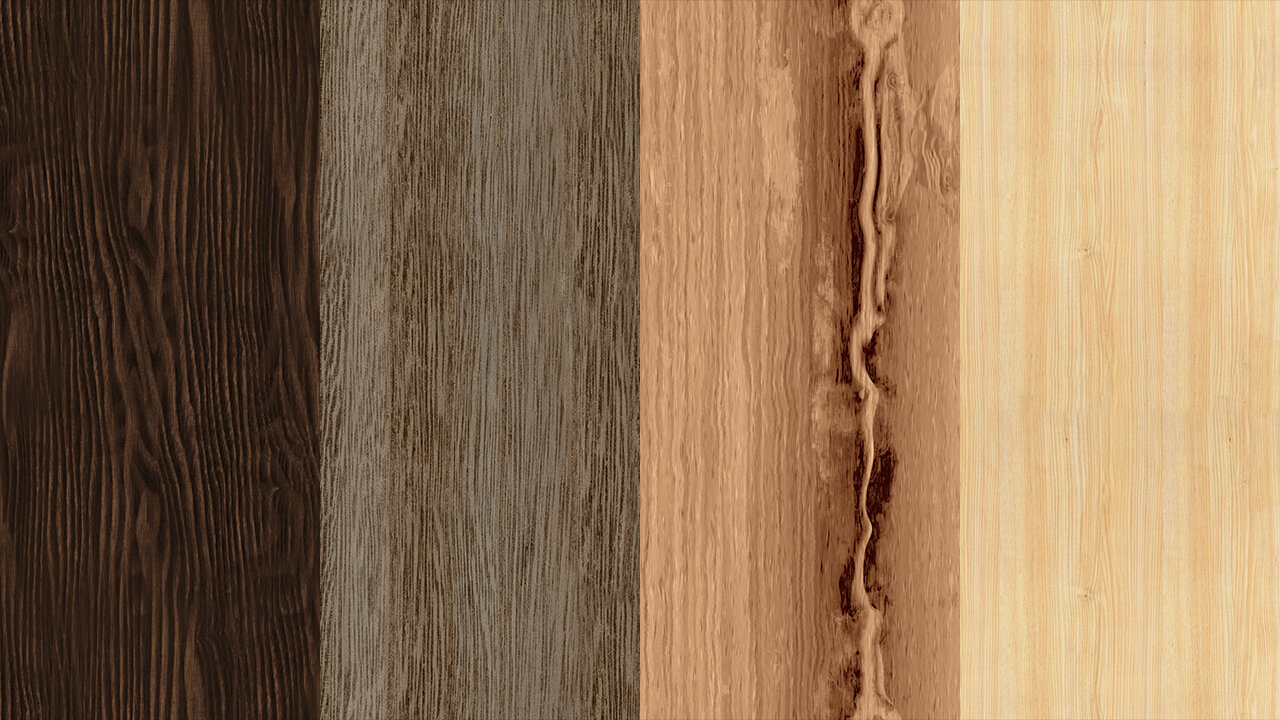


The best wood species for custom kitchen cabinets are maple, white oak, cherry, hickory, walnut, and birch. Each one brings a different combination of hardness, grain pattern, color, and cost to your kitchen. Maple is the top choice for painted cabinets because its fine, even grain creates the smoothest surface under paint. White oak leads the current design trend, with 51% of designers naming it the most popular wood type in the NKBA 2026 Kitchen Trends Report. Cherry develops a rich, dark patina over time that many homeowners love. Hickory is the hardest domestic cabinet wood at 1,820 on the Janka scale. In this article, we compare all six major species side by side so you can choose the wood that fits your kitchen, your lifestyle, and your budget.
The best wood for custom kitchen cabinets depends on whether you plan to paint or stain, how much traffic your kitchen gets, and how much you want to spend. There is no single winner. Each species excels in a different area.
For painted cabinets, maple is the best choice. According to Deslaurier Custom Cabinets, maple and birch are considered the best paint-grade surfaces available for kitchen cabinets. Their smooth textures create a flawless finish with minimal grain show-through. For stained cabinets where the wood grain is the star, white oak and cherry deliver the most visual impact. For maximum durability in a busy household, hickory and maple stand above the rest.
According to the NKBA 2026 Kitchen Trends Report, wood grain has surpassed painted cabinets in popularity for the first time in nearly a decade. That shift means the species you choose matters more than ever, because stained wood puts the grain front and center. We walk every homeowner through sample boards in their actual kitchen lighting before they commit to a species, because wood can look dramatically different under warm versus cool light.
Maple is a light-colored hardwood with a fine, even grain and a pale, creamy tone that ranges from blonde to light cinnamon. It has a Janka hardness rating of 1,450, making it one of the hardest domestic woods used in cabinetry. According to Today's Homeowner, maple resists warping and cracking, stands up to daily use in kitchens where temperatures and humidity fluctuate, and handles bumps from dropped pans and kids' toys without denting easily.
Maple is the number one recommendation for painted custom kitchen cabinets. Its smooth surface takes paint beautifully with no heavy grain showing through. According to Custom Kitchen Cabinets, maple's uniform grain creates an extremely smooth surface under paint that outperforms every other common species. For staining, maple works best with lighter tones. Dark stains can come out blotchy without a pre-stain conditioner.
According to Unfinished Kitchen Cabinets, stock maple cabinets start around $100 to $150 per linear foot, semi-custom runs $200 to $500, and full custom hits $500 to $1,200 or more. For most homeowners, maple offers the best combination of durability, finish quality, and reasonable cost.
White oak is the most popular wood species for kitchen cabinets in 2026. According to the NKBA 2026 Kitchen Trends Report, 51% of design professionals named white oak as the preferred wood type. According to MasterBrand, light wood stains have overtaken white as the number one preferred cabinet finish for the first time in nine years, and white oak is leading that charge.
White oak has a Janka hardness of 1,360 and a straight, consistent grain with subtle tan tones that can show hints of pink and gold. According to Unfinished Kitchen Cabinets, custom white oak cabinets run $400 to $600 per linear foot, about 30% more than red oak. The tight cell structure of white oak makes it naturally resistant to moisture, which is a practical advantage in kitchens where steam, splashes, and humidity are constant.
Red oak is the more affordable option at $100 to $300 per linear foot for stock to mid-range cabinets. It has a bolder, more prominent grain with wavy variations and a warm reddish undertone. Red oak has been a staple in American kitchens for decades, though the honey-toned oak cabinets from the 1990s gave it a dated reputation. According to Today's Homeowner, high-quality solid oak cabinets with a modern stain never truly go out of style. The key is choosing the right finish and hardware pairing to keep the look current.
Cherry is a premium hardwood with a smooth, straight grain and a natural reddish-brown color that darkens and deepens with age and light exposure. That natural patina is one of cherry's most prized qualities. A cherry kitchen installed today will look noticeably richer five years from now without anyone lifting a finger. According to Custom Kitchen Cabinets, cherry's Janka hardness is 995, which makes it softer than maple, oak, or hickory but still strong enough for daily kitchen use.
According to Unfinished Kitchen Cabinets, cherry cabinets typically cost 15% to 25% more than maple or oak. A custom cherry kitchen can range from $5,000 to $30,000 depending on size and features. Cherry takes a clear finish beautifully and is often left natural or lightly stained to let the wood's color do the work. It pairs well with both lighter and darker design schemes.
Cherry is the best choice for homeowners who want timeless elegance and do not mind a softer surface. It is less suited for households with young children or heavy daily wear because it will show dents and scratches more readily than harder woods like maple or hickory. Proper cabinet care helps cherry age gracefully and keeps the surface looking its best.
Hickory is the hardest domestic wood used in kitchen cabinetry, with a Janka rating of 1,820. According to Osborne Wood Products, hickory can withstand denting and wear better than any other common cabinet wood. It is 41% harder than traditional oak, according to Unfinished Kitchen Cabinets. If durability is the top priority, hickory is the clear winner.
Hickory has a bold, dramatic grain with color shifts ranging from creamy white to rich reddish-brown within the same board. That natural variation gives hickory cabinets a rustic, character-driven look. It works best in farmhouse, rustic, and lodge-style kitchens. In sleek modern spaces, the heavy grain can feel too busy.
Stock hickory cabinets run $100 to $400 per linear foot. Semi-custom designs jump to $150 to $700 per linear foot. Full custom hickory cabinets cost $500 to $1,200 per linear foot, according to Unfinished Kitchen Cabinets. Hickory is a strong choice for families who want cabinets that can take a beating and still look good years later. For homeowners across North Alabama who lead active lifestyles, we often recommend hickory for high-traffic kitchens and garage cabinetry where toughness matters most.
Walnut is a dark hardwood prized for its smooth grain and rich chocolate-brown color. It ranges from light brown to deep, warm tones that instantly elevate any kitchen. According to Quality Custom Cabinetry, walnut adds sophistication and richness that is hard to replicate with any other domestic species. Its Janka hardness of 1,010 makes it softer than maple, oak, or hickory but comparable to cherry.
Walnut is the most expensive common cabinet wood. According to Custom Kitchen Cabinets, walnut occupies the highest end of the cabinet cost spectrum. It is best used as a statement piece, such as a walnut island paired with painted perimeter cabinets in white or light gray. This approach delivers the visual impact of walnut without the cost of using it for the entire kitchen.
One thing to know about walnut: it lightens slightly over time with sun exposure, which is the opposite of cherry's darkening. The change is subtle but worth considering when choosing finishes and placement. According to RTA Cabinet Store, darker woods like walnut are making a comeback in 2026, driven by the "latte decorating" trend that draws inspiration from the warm, creamy tones of a cup of coffee. Walnut works beautifully in modern and contemporary kitchens where the cabinets serve as the design centerpiece.
Birch is a lighter hardwood with a fine grain that closely resembles maple at a lower price point. According to Blueridge Cabinet Connection, birch costs less than maple and looks similar enough that most people cannot tell the difference. It has a Janka hardness of 1,260, according to Deslaurier Custom Cabinets, which puts it below maple (1,450) but above cherry (995) and walnut (1,010).
Birch is an excellent paint-grade wood and a solid choice for homeowners who want kitchen cabinetry that looks great without the premium price of maple or oak. It is widely available and easy to work with, making it a favorite among cabinet makers. According to Today's Homeowner, if you are looking for budget-friendly wood cabinets with a clean, modern look, birch is the way to go.
The main limitation of birch is staining. Like maple, birch can blotch with darker stains if not properly prepped with a conditioner. For painted or lightly stained applications, birch delivers excellent value and solid performance.
The table below compares all six major wood species used in custom kitchen cabinets across the factors that matter most: hardness, cost, best use, and color behavior over time.
Wood SpeciesJanka Hardness (lbf)Cost Per Linear Foot (Custom)Best ForColor Over TimeMaple1,450$500 to $1,200Painted cabinets, busy kitchensYellows slightlyWhite Oak1,360$400 to $600Stained modern kitchens, moisture resistanceStable with slight amber shiftRed Oak1,290$100 to $300 (stock to mid)Traditional kitchens, budget-friendly hardwoodStableCherry99515% to 25% more than mapleElegant, upscale kitchensDarkens significantlyHickory1,820$500 to $1,200High-traffic kitchens, rustic styleStableWalnut1,010Highest of all common speciesStatement islands, modern luxuryLightens slightlyBirch1,260Less than maplePainted cabinets, budget projectsYellows slightly
Sources: Janka Hardness Scale, Deslaurier Custom Cabinets, Unfinished Kitchen Cabinets, Custom Kitchen Cabinets, Today's Homeowner, Quality Custom Cabinetry
Plywood is better for cabinet boxes, while MDF is often a better choice for painted cabinet doors. Plywood is made from layers of real wood veneer bonded together, giving it excellent strength, screw-holding ability, and moisture resistance. MDF (medium-density fiberboard) is made from compressed wood fibers and resin. It has a perfectly smooth surface with no visible grain, which makes it ideal for painting.
According to Deslaurier Custom Cabinets, MDF and thermofoil are not measured on the Janka scale because they are engineered materials. MDF's durability is often compared to red oak (Janka 1,290) in terms of general surface resistance. However, MDF is highly vulnerable to water damage. If moisture gets into MDF, it swells and does not recover. Plywood handles moisture much better and is the standard for quality cabinet construction.
For the best of both worlds, many custom cabinet builders use plywood for the cabinet boxes and MDF or solid wood for the doors. This gives you a strong, moisture-resistant structure with a smooth, paint-ready surface where it matters most. Choosing the right cabinet material combination is one of the most important decisions in any kitchen project.
The type of wood cabinets in style right now are white oak with a natural or light stain finish. According to the 2026 Houzz Kitchen Trends Study, 29% of homeowners chose wood tones versus 28% for white, marking the first time wood has overtaken white in nearly a decade. The NKBA 2026 report confirmed white oak at 51% among professional specifications.
According to IST Cabinets, the broader trend is toward warm, natural finishes with visible grain rather than painted surfaces. According to the NKBA, 59% of designers identified wood grain as growing in popularity. The movement is away from the stark white kitchens that dominated the past decade and toward warmer, more organic tones. Maple with a natural or honey finish, cherry with a clear coat, and walnut as an accent are all in strong demand.
For homeowners who prefer painted cabinets, the trend is shifting from pure white to warmer off-whites, creams, and soft greens. According to the NKBA 2026 report, 96% of respondents identified neutrals as the most popular colors, with greens at 86% and blues at 78%. The most popular cabinet colors all work well across multiple wood species.
The cheapest wood for kitchen cabinets is pine, followed by birch and poplar. Pine has a Janka hardness of only about 420 to 690 depending on the species, which means it dents easily. According to The Cabinet Door Store, pine is one of the softest woods used in cabinetry, but protective coatings like polyurethane or lacquer can make it more durable. Pine works best in low-traffic kitchens or cottage-style designs where minor wear adds character.
Birch is the best budget hardwood. It costs less than maple but delivers similar visual results when painted. Poplar is another affordable option commonly used for painted cabinets. It has a Janka rating of about 540, making it softer than birch, but its even texture takes paint well. According to Prater Built, poplar is the best budget choice specifically for painted cabinets when maple is out of reach.
If budget is the primary concern, choosing a quality birch or poplar door on a plywood box gives you a solid cabinet at a lower price than maple, oak, or cherry. You can always upgrade finishes and hardware later to elevate the look without replacing the entire cabinet.
The most expensive wood for kitchen cabinets among common domestic species is walnut. Among exotic species, woods like Brazilian walnut (Ipe), bubinga, and African blackwood command even higher prices. According to NextDAY Cabinets, quartersawn white oak, black walnut, and bird's eye maple represent the premium pricing tier for domestic woods due to their stunning grain patterns and relative scarcity.
Cherry also sits in the premium category, typically costing 15% to 25% more than maple or standard oak. The cost difference between budget woods (birch, pine) and premium woods (walnut, cherry) can be $10,000 or more for a full kitchen, according to industry pricing data. That is why many homeowners use a premium species as an accent, like a walnut island paired with custom cabinets in a more affordable species around the perimeter.
Choosing the right wood comes down to answering four questions. Are you painting or staining? How busy is your kitchen? What style fits your home? And what is your budget?
If you are painting, choose maple (premium) or birch (budget). The grain will not show through, so there is no reason to pay for a visually striking species like cherry or walnut. If you are staining, pick the species whose grain and color you love most, because that grain will be the dominant visual element in your kitchen for years.
If your kitchen gets heavy daily use with kids, pets, and frequent cooking, lean toward harder woods like maple, hickory, or oak. If your kitchen is more of a showpiece that sees lighter daily traffic, cherry and walnut deliver unmatched elegance. For any species, always view samples in your own kitchen under your actual lighting before making a final decision. Wood looks dramatically different under warm and cool light, and what you see in a showroom may not match what you see at home.
According to the NKBA 2026 report, 94% of updated cabinets now include specialty storage like pull-out bins, tray drawers, and spice organizers. The wood species you choose affects how those features get built and finished. We always discuss species, finish, and interior features together so everything works as a complete system inside your organized kitchen.
The top 5 strongest woods for cabinets based on Janka hardness are hickory (1,820), hard maple (1,450), white ash (1,320), white oak (1,360), and red oak (1,290). Hickory is the clear leader for dent resistance. Maple and oak provide a strong balance of hardness and workability that makes them the most popular choices for all grades of cabinets.
The wood that does not rot easily among common cabinet species is white oak. Its tight cell structure gives it natural resistance to moisture and decay. Cedar and redwood also resist rot but are rarely used for kitchen cabinets. For any kitchen wood, a proper sealed finish is the most important line of defense against moisture damage, regardless of species.
The highest quality wood for cabinets in terms of grain beauty and prestige is walnut or quartersawn white oak. In terms of overall performance (hardness, stability, finish quality, and longevity), hard maple is the highest quality all-around choice. According to Quality Custom Cabinetry, the best wood is the one that matches your design vision and your household's daily demands.
The 1 3 rule for cabinets is a kitchen design guideline that divides cabinet budgets into thirds. Roughly one-third of your cabinet investment should go to upper cabinets, one-third to lower (base) cabinets, and one-third to specialty features like islands, pantries, and built-in storage. This helps homeowners distribute their budget evenly and avoid overspending on one area while neglecting another.
The color hardware that is in for 2026 is matte black, brushed gold, and brushed nickel. According to the NKBA 2026 report, decorative hardware continues to be a key way homeowners express personality in the kitchen. Matte finishes have overtaken shiny or polished options. Warm metals like brushed gold and aged brass pair naturally with the warm wood tones that are trending. Choosing the right cabinet hardware and hinges ties the entire look together.
What makes a kitchen look luxury is high-quality wood cabinetry, natural stone countertops, integrated lighting, concealed appliances, and consistent attention to detail throughout. According to the NKBA 2026 report, 87% of designers say statement lighting, floor-to-ceiling cabinetry, and hidden storage create the strongest luxury impression. Premium wood species like walnut, cherry, or white oak instantly elevate the look, especially when paired with quality hardware and soft-close mechanisms.
The most popular wood color right now is a warm, natural tone with visible grain. According to the 2026 Houzz Kitchen Trends Study, wood tones overtook white for the first time at 29% versus 28%. White oak with a natural or light honey finish leads the trend. Warm beige, honey, and golden undertones are in demand, while cool gray stains and dark espresso tones have fallen out of favor. Exploring the latest trends can help you pick a finish that looks fresh today and ages well over the coming years.
The wood species you choose sets the tone for your entire kitchen. Maple gives you the smoothest painted finish and excellent durability. White oak leads the current trend with natural warmth and moisture resistance. Cherry ages beautifully for homeowners who love rich, deepening color. Hickory is the toughest wood available for families that put their kitchens through heavy use. Walnut makes a striking luxury statement. And birch delivers solid quality at a friendlier price. There is no wrong answer, only the answer that is right for your home, your habits, and your goals.
If you want to see and feel real wood samples in the context of your kitchen, Classic Cabinetry can walk you through every option. Call us at (256) 423-8727 to set up a free consultation.