.png)


.png)




.png)

.png)


.png)
What Kind of Walls Are Required in a Commercial Kitchen?
link desc
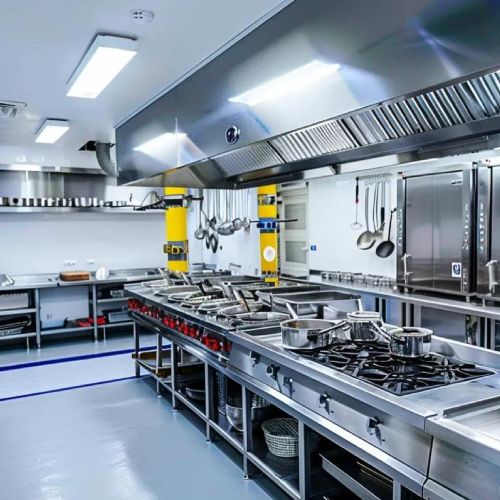


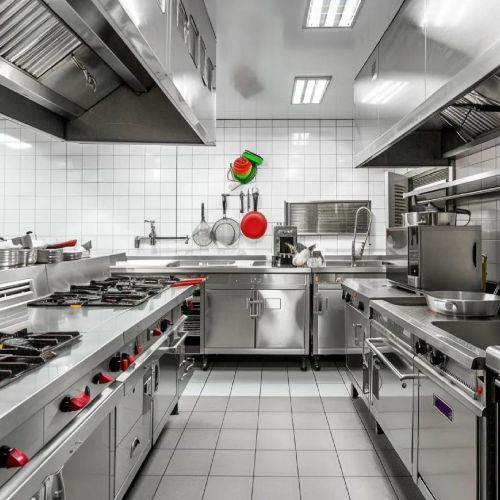
Stainless steel requirements in commercial kitchens focus on sanitation, durability, and food safety compliance. Health codes typically require stainless steel for surfaces like prep tables, sinks, shelving, and backsplashes because it is non-porous and easy to clean. It must be smooth, corrosion-resistant, and properly maintained to prevent bacteria buildup and meet inspection standards.
Walk into any professional kitchen and you'll see stainless steel everywhere. There's a good reason for this. The material handles the demands of commercial cooking better than any alternative.
Stainless steel contains iron, carbon, and at least 10.5% chromium. This chromium does something remarkable. It reacts with oxygen in the air to form a thin, invisible layer on the surface. This protective film keeps the metal from rusting and makes it highly resistant to corrosion.
The best part? If the surface gets scratched, this protective layer heals itself. As long as oxygen is present, the chromium oxide layer reforms automatically. This self-healing property makes stainless steel perfect for busy kitchens where surfaces take constant abuse.
Commercial kitchens are tough environments. Hot pans, acidic foods, harsh cleaning chemicals, and heavy equipment all take their toll. Stainless steel handles all of this without breaking a sweat.
The material doesn't react with acidic ingredients like tomatoes, citrus, or vinegar. This means your prep tables and countertops won't affect food taste or safety. It also resists staining from colorful ingredients like beets, turmeric, or red wine.
Heat resistance is another major advantage. Stainless steel withstands temperatures up to 600°C (1,112°F) without warping or degrading. You can set a hot pan directly on a stainless steel surface without worry. This heat resistance also means the material survives steam cleaning and thermal sanitization processes.
The smooth, non-porous surface is easy to clean and sanitize. Unlike porous materials that can harbor bacteria in tiny crevices, stainless steel offers nowhere for germs to hide. A quick wipe with the right cleaner removes virtually all contaminants.
Not every piece of stainless steel belongs in a commercial kitchen. Federal regulations and industry standards determine which types are safe for food contact. Understanding these rules protects your business and your customers.
For stainless steel to be considered food-grade, it must meet specific requirements from the FDA (Food and Drug Administration), ANSI (American National Standards Institute), and NSF (National Sanitation Foundation). The key requirement is a minimum chromium content of 16%.
This chromium threshold ensures the material has adequate corrosion resistance for food environments. Stainless steel that meets this standard won't leach harmful substances into food or degrade under normal kitchen conditions.
The FDA regulates food-contact materials under 21 CFR 177.2600. This regulation ensures that stainless steel used in food applications doesn't release toxic substances and maintains its integrity during use.
NSF International sets strict standards for food service equipment. NSF/ANSI Standard 51 specifically covers food equipment materials. This certification tells you that the stainless steel meets rigorous requirements for cleanliness, corrosion resistance, and structural integrity.
When you see an NSF stamp on kitchen equipment, it means the product has been independently tested and verified. Health inspectors look for this certification during inspections. Equipment with NSF approval typically passes inspection more easily.
The NSF standards require that food-contact surfaces be smooth, non-toxic, non-absorbent, and easily cleanable. Stainless steel naturally meets all these requirements when properly manufactured and finished.
Three SAE (Society of Automotive Engineers) series are approved for food contact:
SAE 200 Series uses manganese instead of nickel to reduce costs. However, this substitution weakens corrosion resistance. These steels work for some applications but aren't ideal for prolonged food contact.
SAE 300 Series contains higher nickel content, giving it the best corrosion resistance. Grades 304 and 316 belong to this series. They're the most commonly used types in commercial kitchens and food processing.
SAE 400 Series includes some grades with adequate chromium (16%+) for food contact. Grade 430 is popular for items like backsplashes, table tops, and equipment housings where cost matters more than maximum corrosion resistance.
Different parts of your kitchen need different types of stainless steel. Choosing the right grade ensures your equipment performs well and lasts for years.
Grade 304 stainless steel is the most popular choice for commercial kitchens. It contains 18% chromium and 8% nickel, giving it excellent corrosion resistance and a bright, attractive finish.
This grade handles most kitchen environments without issue. Prep tables, sinks, countertops, storage racks, and most cooking equipment use 304 stainless steel. It resists common food acids and stands up well to regular cleaning.
Grade 304 also goes by other names. You might see it labeled as 18/8 stainless (referring to its chromium/nickel content), SAE 304, or A2 stainless. These all describe the same material.
The versatility of 304 makes it the default choice for general kitchen applications. Unless you have specific environmental challenges, this grade provides the best balance of performance and cost.
Grade 316 stainless steel contains added molybdenum, which significantly improves resistance to chlorides and harsh chemicals. This makes it ideal for kitchens facing special challenges.
Consider 316 if your kitchen is near saltwater or in a coastal area. The salty air can corrode lesser grades over time. Seafood processing facilities especially benefit from this upgrade.
Kitchens that use aggressive cleaning chemicals or chlorine-based sanitizers may also need 316. While normal cleaning products won't harm 304, frequent exposure to strong chemicals can eventually break down its protective layer.
The trade-off is cost. Grade 316 costs more than 304 due to its additional alloying elements. For most inland kitchens using standard cleaning products, the extra expense isn't necessary.
Grade 430 stainless steel contains 16-18% chromium but little or no nickel. This makes it significantly cheaper than the 300-series grades.
This grade works well for non-critical applications. Backsplashes, wall panels, equipment housings, and decorative elements often use 430 stainless. It provides adequate corrosion resistance for these uses while keeping costs down.
However, 430 shouldn't be your first choice for food-contact surfaces that see heavy use. Its lower corrosion resistance means it may not hold up as well to constant exposure to food acids and moisture.
The material also has a different appearance. Instead of the bright, mirror-like finish of 304, grade 430 typically has a flatter, more matte look. Some custom kitchen cabinet projects pair 430 stainless accents with other materials for a balanced aesthetic.
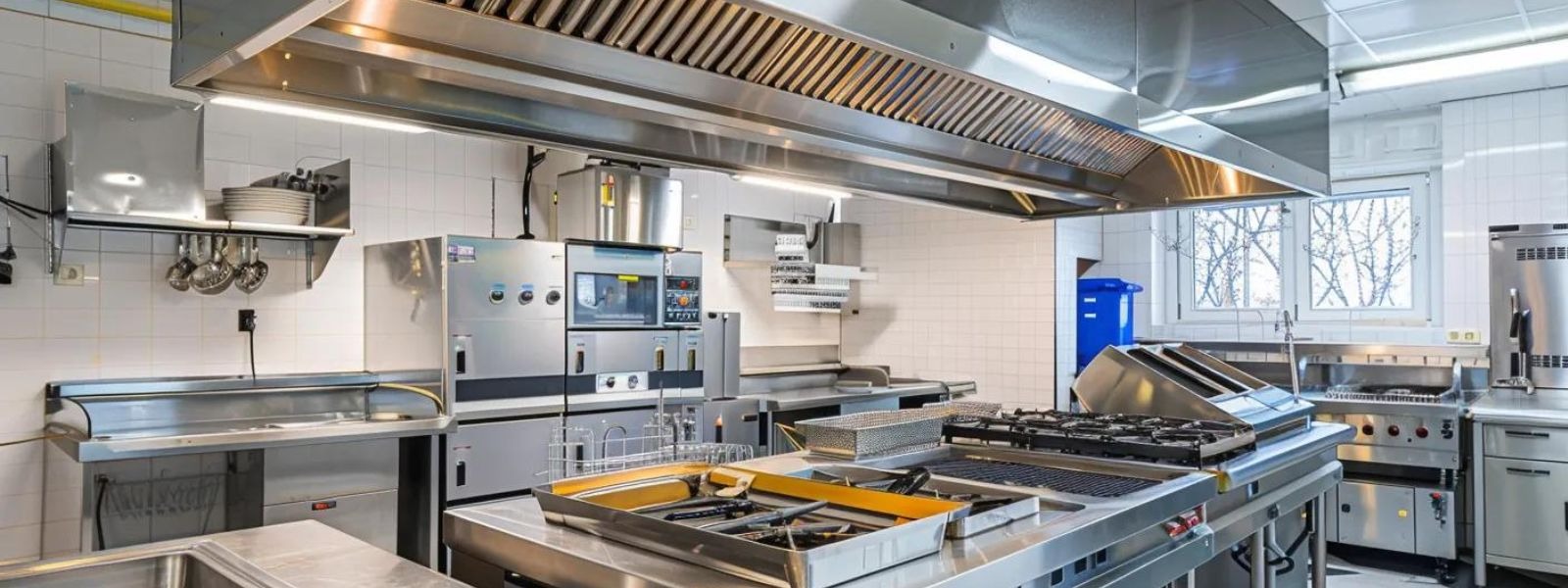
Stainless steel thickness is measured in gauges. This number affects durability, weight, and cost. Understanding gauges helps you choose equipment that will last.
Here's the counterintuitive part: lower gauge numbers mean thicker steel. An 14-gauge sheet is thicker and stronger than an 18-gauge sheet. This backward numbering system confuses many buyers, so keep it in mind when shopping.
High-volume kitchens need thicker steel. The constant pounding, heavy equipment, and frequent cleaning demand durability. For prep tables and work surfaces that see constant use, 14-gauge steel provides the backbone your kitchen needs.
This thickness resists dents and maintains a perfectly flat surface even after years of heavy use. When staff members tenderize meat, drop heavy pots, or lean on counters during prep, 14-gauge steel holds up without complaint.
Medium-duty applications like sinks and mid-grade tables often use 16-gauge steel. This provides good durability at a more moderate price point. For kitchens with moderate traffic, 16-gauge offers an excellent balance.
Light-duty or economy applications can get by with 18-gauge or thinner. Storage shelves, backsplashes, and equipment in low-use areas don't need the same strength as primary work surfaces. Choosing thinner gauges here helps manage costs without sacrificing function.
Sinks deserve special attention when discussing gauge. They face constant water exposure, heavy pot drops, and aggressive scrubbing. Commercial sinks typically use 14 or 16-gauge steel.
The 14-gauge option provides premium durability. It handles the daily abuse of a busy dish station without denting or warping. Yes, it costs more—but it also lasts longer and maintains its appearance better.
The 16-gauge serves as a solid middle ground for most operations. It's durable enough for commercial use while being more budget-friendly. Unless your kitchen runs 24/7 or handles extremely heavy loads, 16-gauge sinks perform admirably.
Health departments across the country set specific requirements for commercial kitchen surfaces. Understanding these codes helps you build a kitchen that passes inspection every time.
State and local health codes draw heavily from the FDA Food Code. While specific requirements vary by jurisdiction, certain principles apply almost everywhere.
All food-contact surfaces must be smooth, non-porous, and easily cleanable. They cannot be toxic or absorbent. Stainless steel meets all these requirements, which is why health inspectors prefer it.
The California Retail Food Code offers a good example of typical requirements. It specifies that floors, walls, and ceilings in food preparation areas must be smooth, impervious, and easily cleanable. Many states follow similar guidelines.
Non-food-contact surfaces have slightly more flexibility. Wall panels, for instance, don't need to meet the same standards as prep tables. However, they still need to be durable, washable, and resistant to moisture.
Commercial kitchen floors need special attention. Health codes typically require smooth, non-absorbent, durable materials that can handle frequent cleaning. The floor must slope slightly toward drains in areas subject to water or frequent washing.
Wall surfaces in food prep areas must also be smooth and washable. Acceptable materials include stainless steel, ceramic tile, FRP (Fiberglass Reinforced Panel), and epoxy paint. Many commercial cabinetry installations incorporate these approved materials.
The junction where floors meet walls requires special treatment. Coved bases with a minimum 3/8-inch radius must extend at least 4 inches up the wall. This prevents moisture and debris from collecting in corners where they're difficult to clean.
How you install equipment matters as much as what you install. Health codes specify clearances and mounting requirements that affect cleaning and inspection.
Floor-mounted equipment must either be sealed to the floor or raised at least 6 inches on easily cleanable legs. This allows staff to clean underneath and prevents pest harborage.
Counter-mounted equipment needs similar consideration. It should either be sealed to the counter surface or mounted on 4-inch legs for cleaning access. The goal is eliminating spaces where food particles and moisture can accumulate.
These requirements influence how you design your kitchen layout. Working with experienced professionals who understand both code requirements and practical kitchen operations helps avoid costly mistakes.
Selecting the right stainless steel equipment involves more than just picking the cheapest option. Smart choices now prevent headaches later.
Look beyond the price tag when evaluating stainless steel equipment. Several factors indicate quality and longevity.
First, check the steel grade. Reputable manufacturers specify whether they use 304, 316, or 430 stainless steel. If the listing doesn't mention the grade, ask before buying. Lower-quality imports sometimes use substandard alloys that won't hold up to commercial use.
Next, examine the gauge thickness. Heavy-use items like prep tables should be 14 or 16-gauge. If a manufacturer doesn't list the gauge, that's a warning sign. Quality manufacturers are proud to share this information.
Construction details matter too. Look for welded (not bolted) joints on high-stress areas. Check that edges are properly finished with no sharp burrs. Examine drawer slides and hinges for commercial-grade hardware.
NSF-certified equipment simplifies your life in several ways. Health inspectors recognize the certification immediately. You don't need to prove that your equipment meets standards—the NSF stamp does that for you.
The certification also indicates build quality. NSF testing evaluates not just materials but construction, cleanability, and durability. Certified equipment has passed rigorous third-party evaluation.
Yes, NSF-certified equipment often costs more. But the peace of mind during inspections and confidence in quality usually justify the premium. Think of certification as insurance against inspection problems and premature equipment failure.
The "best" equipment depends entirely on your specific operation. A high-volume steakhouse has different needs than a small café.
Consider your menu and prep volume. Kitchens doing extensive meat cutting need heavier-gauge prep tables than those mainly plating prepared foods. Think about what activities happen at each station and choose equipment accordingly.
Space constraints also influence choices. Custom-fabricated stainless steel pieces might make sense when standard sizes don't fit your layout. Many commercial operations work with fabricators to create custom cabinetry solutions that maximize their specific space.
Budget matters, but focus on total cost of ownership rather than just purchase price. A cheaper table that needs replacement in three years costs more than a quality table that lasts fifteen years.
Even the best stainless steel needs proper care. The right cleaning routine keeps your equipment looking professional and functioning safely.
Daily cleaning prevents buildup and maintains the protective chromium layer. The process is simple but must be done correctly.
Start by wiping surfaces with warm water and mild dish soap. Use a soft cloth or non-abrasive sponge—never steel wool or rough scrubbing pads. These abrasive tools scratch the surface and damage the protective layer.
Always wipe in the direction of the grain. Stainless steel has a "grain" direction visible in the brushed finish. Wiping against the grain can leave streaks and accelerate wear. Following the grain produces a cleaner result and preserves the finish.
Rinse thoroughly after washing. Residual soap or detergent left on the surface can cause spotting or even damage over time. Follow the rinse with a dry cloth to prevent water spots, especially in areas with hard water.
Weekly deep cleaning addresses tougher buildup. For stuck-on grease or baked-on residue, make a paste of baking soda and water. Apply the paste, let it sit for 15 minutes, then scrub gently in the direction of the grain.
Commercial stainless steel cleaners work well for stubborn problems. Choose cleaners specifically designed for food service environments. These products clean effectively without leaving harmful residues.
After deep cleaning, consider applying a food-safe stainless steel polish. This adds an extra layer of protection and restores shine. Some kitchens use a small amount of mineral oil or olive oil as a natural polishing option.
Certain cleaning practices damage stainless steel. Knowing what not to do is as important as knowing proper techniques.
Never use bleach or chlorine-based cleaners on stainless steel. These chemicals attack the protective chromium layer, causing pitting and corrosion. The damage might not show immediately but accumulates over time.
Avoid leaving acidic substances on surfaces for extended periods. While stainless steel resists acids, prolonged contact can eventually affect the finish. Wipe up tomato sauce, vinegar, and citrus juices promptly.
Don't let hard water dry on surfaces. The mineral deposits left behind can etch the steel and cause permanent staining. Always dry stainless steel after cleaning or any water exposure.
Never use ordinary steel tools or carbon steel wool on stainless surfaces. Iron particles from these tools can embed in the stainless steel and cause rust spots. If you need an abrasive, use plastic scouring pads or stainless-steel-specific products.
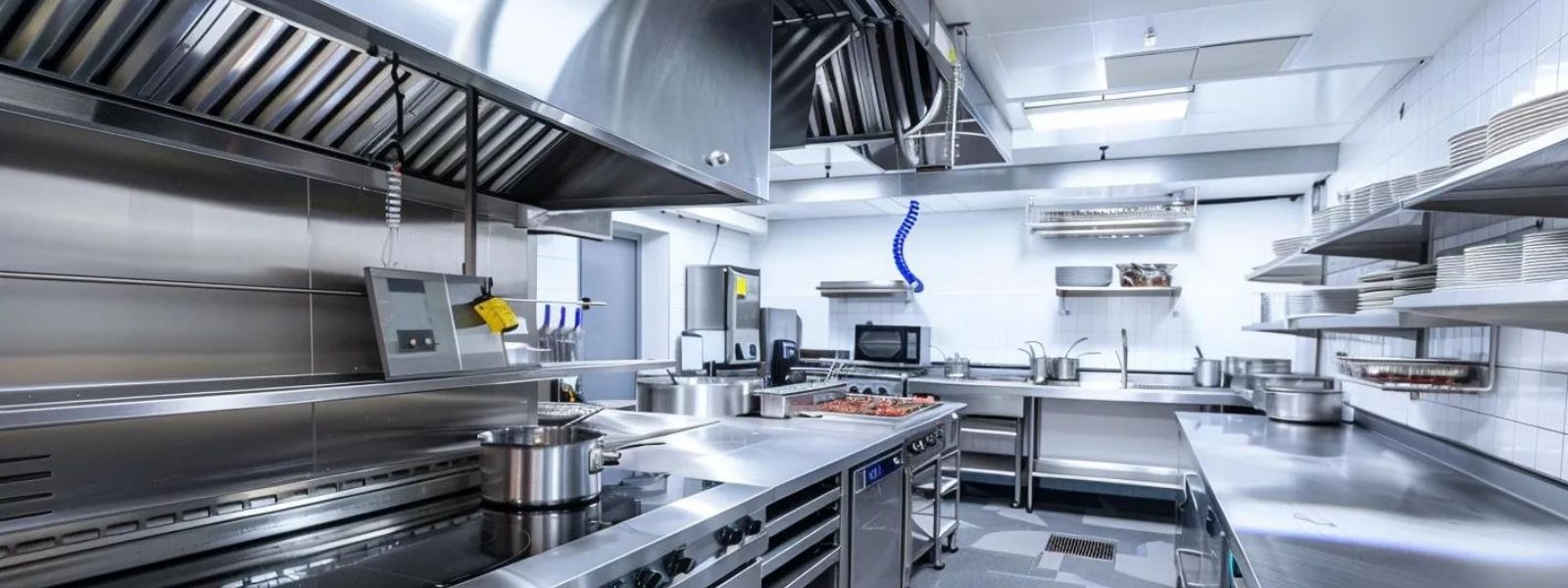
Even with proper care, issues sometimes arise. Knowing how to address problems quickly prevents permanent damage.
Rust on stainless steel usually comes from external contamination rather than the steel itself. Iron particles from other metals, hard water deposits, or damaged areas can cause rust spots.
For light rust, a paste of baking soda and water often works. Apply it, let it sit, then scrub gently with the grain. Rinse and dry thoroughly.
For stubborn rust, commercial rust removers designed for stainless steel provide stronger action. Follow manufacturer instructions carefully. Test any new product in an inconspicuous area first.
Preventing rust is easier than removing it. Keep dissimilar metals away from stainless surfaces. Use stainless steel scrubbers instead of steel wool. Address any scratches or damage promptly, as these areas are more vulnerable.
Heat discoloration appears as rainbow-colored marks, usually around cooking equipment. This occurs when the steel gets very hot and the oxide layer thickens.
Vinegar-based cleaners often remove light heat discoloration. Apply, let sit briefly, then scrub with the grain. Specialized stainless steel cleaners can handle more severe cases.
General discoloration or dullness usually indicates buildup of oils, hard water deposits, or cleaning product residue. A thorough deep cleaning followed by polishing typically restores the original appearance.
If discoloration persists after cleaning, the problem might be more serious surface damage. In these cases, professional refinishing might be necessary, or it may be time to consider replacement.
Minor scratches are inevitable in busy kitchens. Fortunately, they're usually cosmetic rather than functional concerns.
For light scratches, a stainless steel polish applied in the direction of the grain can minimize their appearance. The polish fills in minor imperfections and creates a more uniform surface.
Deeper scratches that catch your fingernail may need professional attention. In some cases, the entire surface can be refinished to restore a uniform appearance. However, this is typically only worthwhile for high-value equipment.
Prevention remains the best strategy. Use cutting boards for food prep, handle equipment carefully, and train staff on proper cleaning techniques. These habits keep your stainless steel looking professional longer.
No law mandates stainless steel specifically. However, health codes require food-contact surfaces to be non-porous, non-toxic, corrosion-resistant, and easily cleanable. Stainless steel meets all these requirements better than almost any alternative. This practical reality makes it the de facto standard even without explicit legal requirements.
Grade 304 stainless steel is the best choice for most restaurant prep tables. It provides excellent corrosion resistance, handles food acids well, and is easy to clean. For coastal locations or kitchens using harsh cleaning chemicals, Grade 316 offers extra protection. Most health departments readily approve 304 for all food-contact applications.
For heavy-use prep areas, 14-gauge (approximately 2mm thick) stainless steel provides optimal durability. Medium-traffic areas can use 16-gauge successfully. Light-duty stations may be acceptable with 18-gauge, but this is best reserved for areas with minimal impact and wear. Investing in thicker steel for high-use areas prevents replacement costs later.
Yes, but with caution. NSF certification isn't legally required in all jurisdictions. However, using non-certified equipment puts the burden on you to prove it meets health code standards. Certified equipment passes inspections more easily and gives you documentation of compliance. For new kitchens, the peace of mind usually justifies choosing certified equipment.
Quality stainless steel equipment properly maintained can last 15-25 years or longer. Replacement is typically needed only when structural damage occurs, corrosion becomes severe, or health code compliance becomes impossible. Regular cleaning and maintenance dramatically extend equipment life. Address minor issues promptly before they become replacement-worthy problems.
Stainless steel remains the backbone of every successful commercial kitchen. Understanding the requirements from FDA-approved grades to proper gauge thickness—helps you make informed decisions. The right stainless steel equipment passes health inspections, withstands daily abuse, and maintains a professional appearance for years.
Start with quality materials: Grade 304 or 316 stainless steel with appropriate gauge thickness for each application. Look for NSF certification when possible. Then maintain your investment with proper cleaning techniques that preserve the protective chromium layer.
Whether you're building a new kitchen or upgrading existing equipment, these principles guide you toward solutions that work. The initial investment in quality stainless steel pays dividends through years of reliable service and trouble-free inspections.
Ready to create or upgrade your commercial kitchen space? Contact Classic Cabinetry for expert guidance on commercial cabinetry solutions that meet your specific needs. Our team understands both the aesthetic and functional requirements of professional kitchen environments.