.png)


.png)




.png)

.png)


.png)
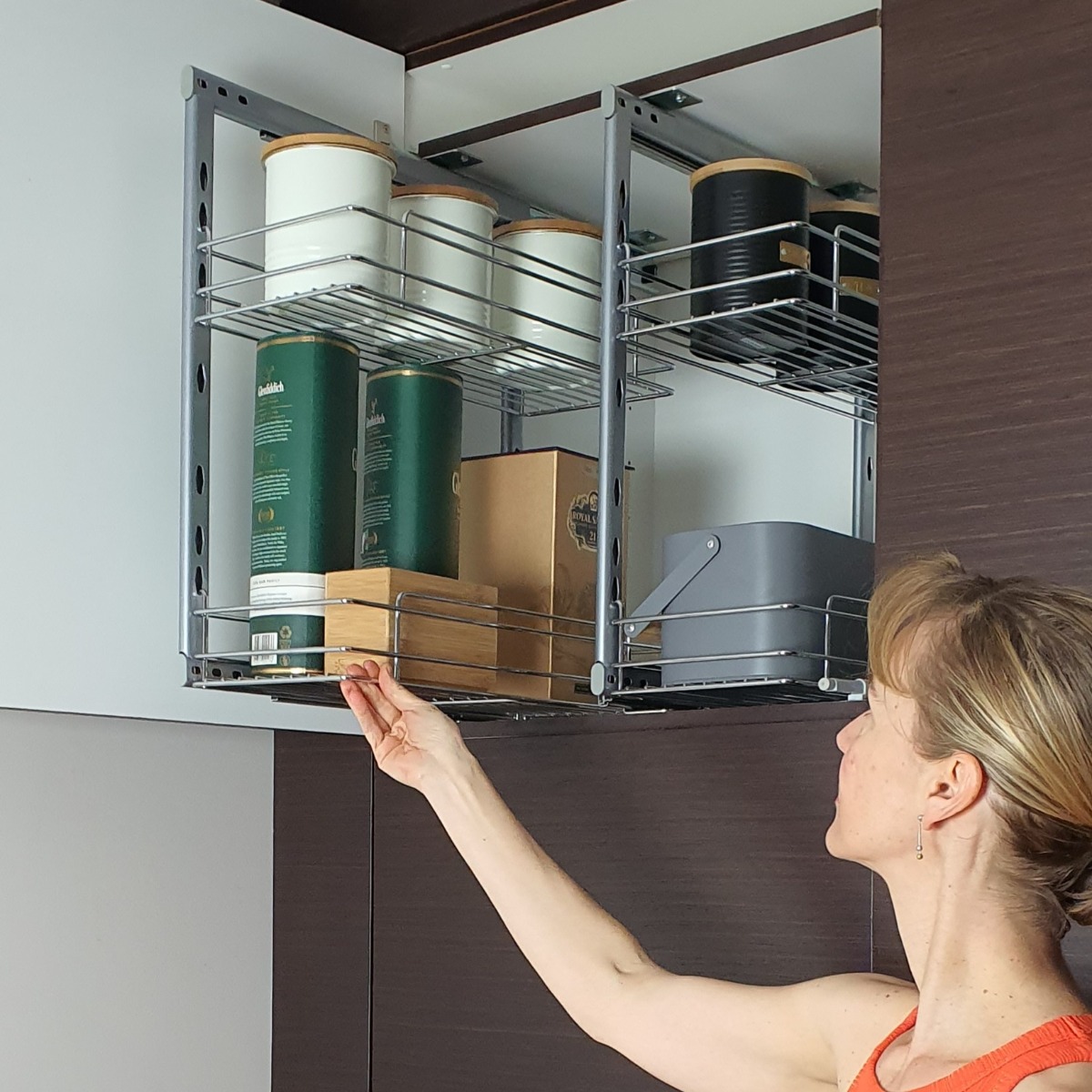
Overhead Storage Solutions for Commercial Kitchens
link desc
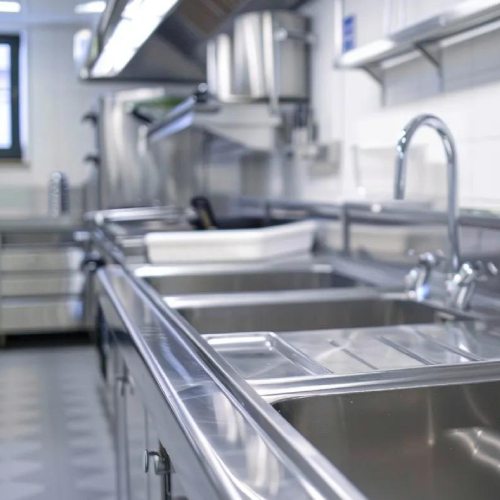


Three-compartment sink rules for commercial kitchens require one sink for washing, one for rinsing, and one for sanitizing utensils and equipment. Each compartment must be large enough to fully submerge items and use hot water at approved temperatures. Health codes also require proper sanitizing solutions, air drying after washing, and regular cleaning of the sink itself. These rules help prevent cross-contamination and keep kitchens compliant with health regulations.
If you run a restaurant, food truck, or any business that serves food, you need to know these rules. Getting them right keeps your customers safe and helps you pass health inspections.
A three-compartment sink is a special type of sink with three separate basins. Each basin does a different job in the cleaning process.
The first basin is for washing. You fill it with hot, soapy water and scrub dishes by hand.
The second basin is for rinsing. Clean water washes away soap and leftover food bits.
The third basin is for sanitizing. This is where you kill germs using chemicals or very hot water.
Think of it like this: washing removes the dirt you can see, rinsing gets rid of soap, and sanitizing kills the germs you can't see. All three steps matter.
The U.S. Food and Drug Administration requires all food service businesses to have either a three-compartment sink or a working commercial dishwasher. Many health departments say you need both.
Not all pots and pans fit in a dishwasher. Big stock pots, baking sheets, and delicate items need hand washing. That's where the three-compartment sink comes in.
More than 20% of foodborne illness outbreaks come from poor cleaning and sanitizing, according to health officials. Your three-compartment sink is your best defense against making customers sick.
Even though there are three compartments, the full process has five steps. Missing even one step can put your kitchen at risk.
Before dishes go into the first sink, scrape all food scraps into the trash or garbage disposal. Use a spray hose to rinse off stuck-on food.
This step keeps the wash water cleaner longer. When food bits build up in the wash water, it stops working well. You'll have to change the water more often, which wastes time and money.
Fill the first basin with water that's at least 110°F. Add dish detergent and mix it in.
Scrub each dish, pot, and utensil with a brush or scrubbing pad. Get into corners and remove all visible dirt, grease, and food.
The hot water helps break down grease. The soap lifts dirt away from surfaces. If the water gets cool or dirty, drain it and start fresh.
The second basin should have clean water at about 110°F. Don't add soap to this sink.
Dip each washed item into the rinse water. This removes soap residue that could mess up the sanitizer in the next step.
Soap left on dishes can make the sanitizer less effective. It can also leave a bad taste on plates and glasses.
The third basin is where germs die. You have two choices: chemical sanitizer or very hot water.
Chemical sanitizing uses chlorine bleach at 50-100 parts per million, quaternary ammonium at 150-400 ppm, or iodine at 12.5-25 ppm. Water temperature for chemical sanitizers should be at least 75°F. Submerge items completely for at least 30 seconds, though some sanitizers need up to 1 minute.
Hot water sanitizing requires water at least 171°F. Items must soak for at least 30 seconds at this temperature.
Always use test strips to check sanitizer strength. Test strips are cheap and help you avoid health code violations. Most violations happen when sanitizer is too weak or too strong.
Place clean, sanitized items on a clean drying rack or drainboard. Let them air dry completely.
Never dry dishes with a towel. Towels can spread germs back onto clean dishes. Even a clean-looking towel can have bacteria on it.
Air drying is the law in food service. It's also the safest way to dry.
Temperature matters more than you might think. Wrong temperatures mean germs survive and your cleaning doesn't work.
The wash water must be at least 110°F. This helps detergent work and breaks down grease.
If water is too cool, grease sticks to dishes. Below 110°F, detergent doesn't activate properly.
Use a thermometer to check. Don't guess. Water feels hot to your hands even when it's only 90°F.
The rinse water should also be around 110°F. It doesn't need to be exact, but warm water rinses better than cold.
For chemical sanitizers, water needs to be at least 75°F. Some sanitizers work best between 75°F and 120°F.
For hot water sanitizing, you need 171°F minimum. That's very hot. Most sinks need special equipment to reach this temperature.
Nearly 30% of kitchens fail inspections because their sanitizer sink is below the required temperature or chemical strength.
You can pick from several approved sanitizers. Each has good points and downsides.
Regular bleach is the most popular choice. It's cheap and kills germs fast.
Mix it to 50-100 ppm. That's about 1 tablespoon of bleach per gallon of water.
Downsides: It can corrode metal over time, has a strong smell, and loses strength when water gets dirty.
Quats don't smell bad and won't damage stainless steel. They also keep working even when water has some food particles.
Use 150-400 ppm. Follow the product label for exact amounts.
Downsides: Hard water makes quats less effective. Always test with strips.
Iodine works well but costs more than bleach. It turns water brown, so you can see it's there.
Use 12.5-25 ppm in water between 75°F and 120°F.
Downsides: It can stain plastic items. Check if your health department allows it. Not all areas approve iodine for food service.
Change your sanitizer water every 2-4 hours, or sooner if it looks cloudy or dirty. Dirty water means the sanitizer isn't working anymore.
Keep a log of when you change the water. Health inspectors often ask to see these records.
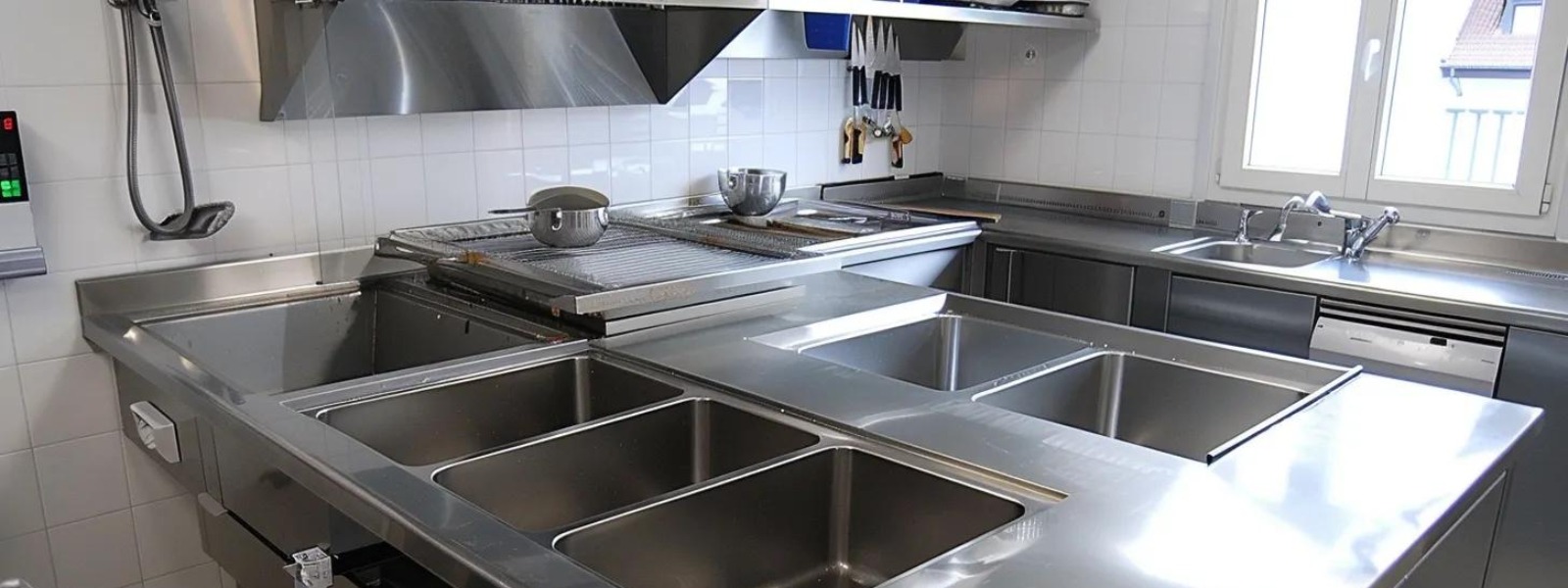
Your three-compartment sink has one job only: cleaning dishes, pots, and utensils that touch food.
You can wash and sanitize dishes, clean pots and pans, wash cooking tools, clean cutting boards, wash wiping cloths, rinse produce when done properly, and thaw frozen food with permission from your health department.
Never use your three-compartment sink for washing hands, dumping mop water, cleaning mop heads, washing maintenance tools, preparing food directly, or any non-food-related tasks.
Using the sink for these things spreads germs and is a serious health code violation. You need separate sinks for hand washing and for janitorial work.
Health inspectors see the same mistakes over and over. Don't let these happen in your kitchen.
A sink filled at 110°F can drop to 90°F or lower within an hour. During busy times, check temperature often and add hot water as needed.
Keep a thermometer at each sink. Check every 30 minutes during peak hours.
When sanitizer water looks dirty, it's not working. Replace it right away, not just when it "looks really bad."
Cloudy water means the sanitizer can't reach surfaces to kill germs.
Washing hands in the dish sink is one of the most common violations. Even one time can earn you a citation.
Train all staff. Post clear signs. Have separate, well-stocked hand washing sinks nearby.
This seems harmless but spreads bacteria. Air drying is not optional—it's the law.
Make sure you have enough drying space. If your drainboard is too small, add dish racks or a drying table.
Guessing sanitizer strength is risky. Too weak means germs survive. Too strong can be toxic.
Test strips cost just pennies per test. Use them at least twice per shift—more during busy times.
The sink needs cleaning too. At the end of each day, and before starting, scrub all three basins with sanitizer.
Spray down surfaces, scrub corners, rinse, and sanitize. Let air dry overnight.
Your three-compartment sink needs more than just three basins.
Each basin must be large enough to completely submerge your biggest pot or pan. If items don't fit underwater, you can't clean them properly.
Most codes require each basin to be at least 16 inches wide, 20 inches from front to back, and 12 inches deep.
Stainless steel construction is required because this material resists rust and is easy to clean. You need both hot and cold water faucets to control temperature. Most kitchens need at least one drainboard for air drying, while large operations need two. Each basin needs its own drain because slow drains lead to standing water and bacteria growth.
You need accurate thermometers for checking water temperature, test strips for checking sanitizer strength, dish brushes and scrubbing pads, waterproof gloves to protect workers' hands, clear labels for each basin showing Wash, Rinse, and Sanitize, dish racks for drying, and a spray nozzle for pre-rinsing.
Equipment doesn't help if workers don't use it right. Good training prevents violations and keeps food safe.
Show new employees the full five-step process. Don't just tell them—watch them do it.
Teach them why each step matters. When people understand the reasons, they're more likely to follow rules.
Have new workers practice the three-compartment sink process at least three times with an experienced staff member watching.
Check their work. Make sure they scrub thoroughly, change water when needed, and use test strips correctly.
Even experienced workers get sloppy over time. Hold monthly refresher trainings.
Post simple instructions near the sink. Use pictures if possible. Many workers respond better to visual guides.
Write down training dates and who attended. Health inspectors sometimes ask to see training records.
Keep a log book at the sink. Record water temperatures and sanitizer test results each shift.
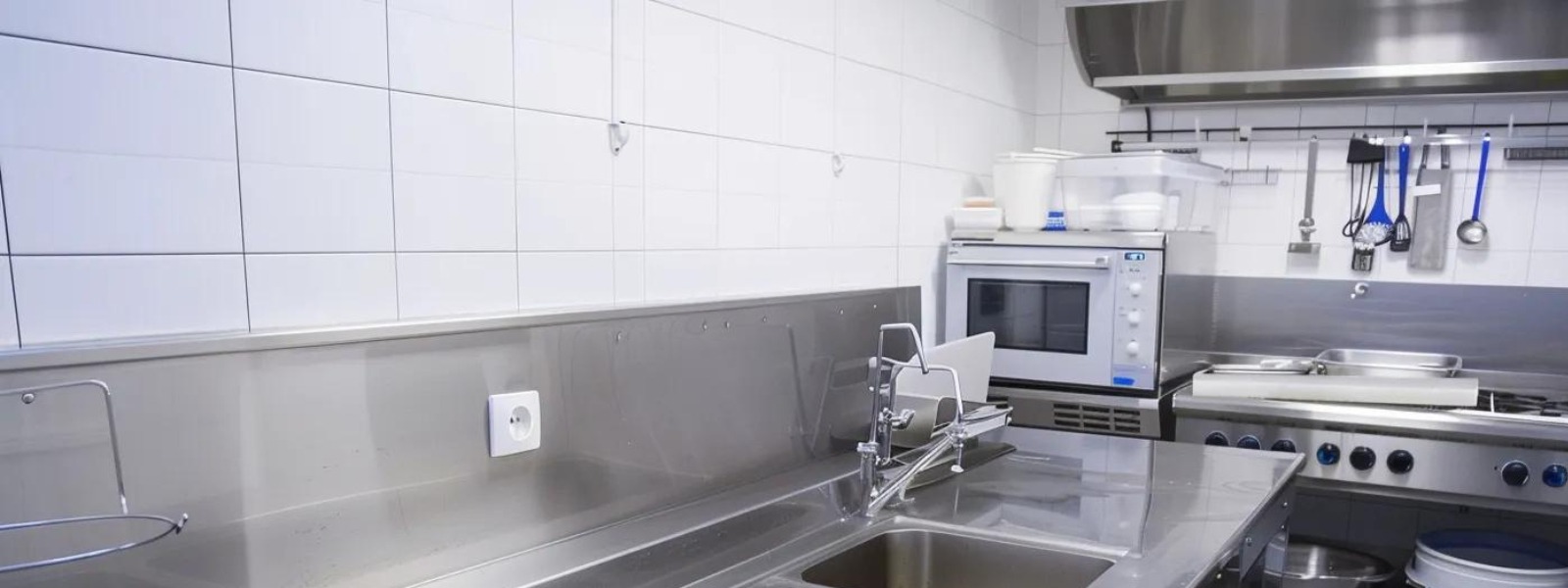
Different situations call for different setups.
Some areas allow two-compartment sinks in low-volume kitchens, but this is rare. Most health departments require three compartments.
If you use a two-compartment system, you must use it for specific tasks only, not continuous dishwashing.
Some busy kitchens add a fourth compartment for pre-soaking or food waste disposal.
This gives you a dedicated space for heavily soiled items before washing. It keeps food out of the wash water longer.
If you have a commercial dishwasher that meets health department standards, you might not need a three-compartment sink for regular dishes.
But most codes still require the sink as backup. Dishwashers break down. When they do, you need a way to keep serving food safely.
Food trucks and small operations sometimes get approval for alternative setups. Check with your local health department first.
Planning your kitchen layout makes daily work easier and helps you pass inspections. Just like proper custom kitchen cabinet planning in residential spaces, commercial kitchens need smart design.
Put your three-compartment sink near the dishwashing area but away from food prep. You don't want dirty dish water splashing near fresh food.
Leave enough space around the sink for workers to move. Cramped spaces lead to accidents and shortcuts.
Set up a clear path: dirty dishes come in on one side, move through wash-rinse-sanitize, and exit clean on the other side.
This prevents clean dishes from touching dirty ones. It also speeds up work.
Place hand washing sinks close to food prep areas and near the exit from bathrooms. Workers should never have to walk far to wash hands.
Hand sinks need soap, paper towels, and a trash can. Stock them every shift.
Have a dedicated mop sink away from food areas. This is usually required by code and prevents cross-contamination.
If you're building a new kitchen or remodeling, work with professionals who understand commercial cabinetry services and health codes. Proper layout and equipment placement make a huge difference in daily operations and inspection results.
Regular maintenance keeps your sink working and extends its life. Think of it like maintaining your home's custom cabinetry but with stricter health code requirements.
At the end of each day, drain all basins. Scrub them with detergent and sanitizer. Pay attention to corners where food can hide.
Clean faucets, handles, and the area around drains. These spots collect bacteria.
Once a week, remove drain covers and clean them thoroughly. Use a drain snake if needed to clear any buildup.
Check spray nozzles for mineral buildup. Soak them in vinegar to remove deposits.
Look for signs of wear like rust spots, loose faucets, or cracked baskets. Fix small problems before they become big ones.
Check that all drains flow freely. Slow drains mean trouble ahead.
If your sink has rust that won't come off, deep scratches, or damaged drains, it's time to replace it. Old equipment fails health inspections and can contaminate food.
Quality stainless steel sinks last 10-20 years with good care. Cheap sinks need replacing much sooner.
Understanding costs helps you budget and make smart choices. Commercial equipment is an investment similar to custom home office cabinetry but with ongoing operational expenses.
A basic three-compartment sink costs $300-$1,200. Commercial-grade models with drainboards run $800-$3,000.
Factor in installation costs. Plumbing connections and proper drainage add to the price.
Water, detergent, and sanitizer add up. A typical restaurant uses 5-10 gallons of water per sink fill, and might fill the sink 5-10 times per day.
That's a lot of water. Modern commercial dishwashers use much less—often under 1 gallon per cycle.
Health code violations come with fines, usually $100-$500 per violation. Serious violations can shut down your business.
The real cost is lost customers. One bad inspection report can ruin your reputation.
Investing in proper equipment and training saves money in the long run.
Some kitchens have unique needs.
Food trucks still need a three-compartment sink, even in a small space. The basins can be smaller if they fit your largest items.
Some jurisdictions allow portable three-compartment sinks that connect to water tanks. Check local rules carefully.
Very small operations sometimes get approval for alternative methods, like using disposable plates and utensils.
This is expensive over time and creates a lot of waste. Most businesses do better with proper dishwashing equipment.
Older buildings can be tricky to retrofit. Work with your health department to find solutions that meet code while respecting the building.
Sometimes you can add a three-compartment sink in a nearby room or upgrade plumbing to meet requirements.
Catering companies and temporary food booths often use portable sinks. These must still follow the three-compartment rule.
Set them up completely before you start serving food. Have enough water on hand to last the entire event.
Whether you run a restaurant, cafeteria, or catering business, proper dishwashing protects everything you've built.
One foodborne illness outbreak can destroy years of good work. Following three-compartment sink rules is cheap insurance.
Customers trust businesses that take food safety seriously. Pass your inspections with high scores, and people notice.
Well-trained staff work faster and safer. They know what to do and don't waste time guessing.
Good systems reduce stress during busy shifts. Everyone knows their role.
Businesses that follow health codes stay open. Those that cut corners eventually pay the price.
Think of your three-compartment sink as an investment, not an expense. It protects your customers, your staff, and your business.
For businesses planning kitchen renovations or new construction, understanding these requirements early saves time and money. Professional designers who specialize in commercial kitchen cabinetry can help you plan a layout that meets all codes while working efficiently. They understand the flow of work, space requirements, and how to integrate sinks with other equipment properly. Similar to how custom pantry cabinetry organizes home storage, commercial kitchens need organized, efficient layouts.
Yes, in most cases. Health departments typically require a three-compartment sink even when you have a commercial dishwasher. The sink serves as backup when the dishwasher breaks down or for items that don't fit in the machine, like large pots and pans. Some jurisdictions make exceptions for very small operations, but always check with your local health department first.
Test your sanitizer at least twice per day—once at the start of your shift and once during peak hours. If your kitchen is very busy or the water gets dirty quickly, test more often. Every time you refill the sanitizer basin, test it before using. Test strips cost very little compared to the risk of a health code violation or making customers sick.
You can rinse produce in a three-compartment sink, but only if you're not using it for dishes at the same time. Clean and sanitize the sink first. Many health departments require a separate sink dedicated to produce washing to prevent cross-contamination. Check your local codes. Never wash produce in the same water you're using for dishes.
Penalties vary by location. Minor violations usually result in warnings and required corrections within a set time, often 5-14 days. Serious violations can mean fines from $100 to $500 or more per violation. Critical violations that put public health at risk can result in immediate closure of your food service operation until you fix the problem. Repeat violations face higher fines and possible license revocation.
Each basin must be big enough to completely submerge your largest pot, pan, or piece of equipment underwater. If an item sticks out of the water, it's not being cleaned or sanitized properly. Measure your biggest items before buying a sink. Most codes require basins at least 16 inches by 20 inches by 12 inches deep, but check local requirements. When in doubt, go bigger because it's better to have extra space than to fail inspection because items don't fit.
Three-compartment sink rules exist for one simple reason: they keep people from getting sick. When you follow these rules, you protect your customers, your employees, and your business.
The process is straightforward: scrape, wash, rinse, sanitize, and air dry. Use the right temperatures. Test your sanitizer. Train your staff well. Keep records.
Yes, it takes time and attention. But cutting corners on food safety always costs more in the end.
If you're setting up a new commercial kitchen or upgrading an existing one, don't go it alone. Work with professionals who understand health codes and can design efficient, compliant workspaces. Companies that specialize in commercial cabinetry and kitchen design can help you create a layout that passes inspections while making your daily work easier. The same attention to detail that goes into custom bathroom cabinets applies to commercial kitchen planning.