.png)


.png)




.png)

.png)


.png)
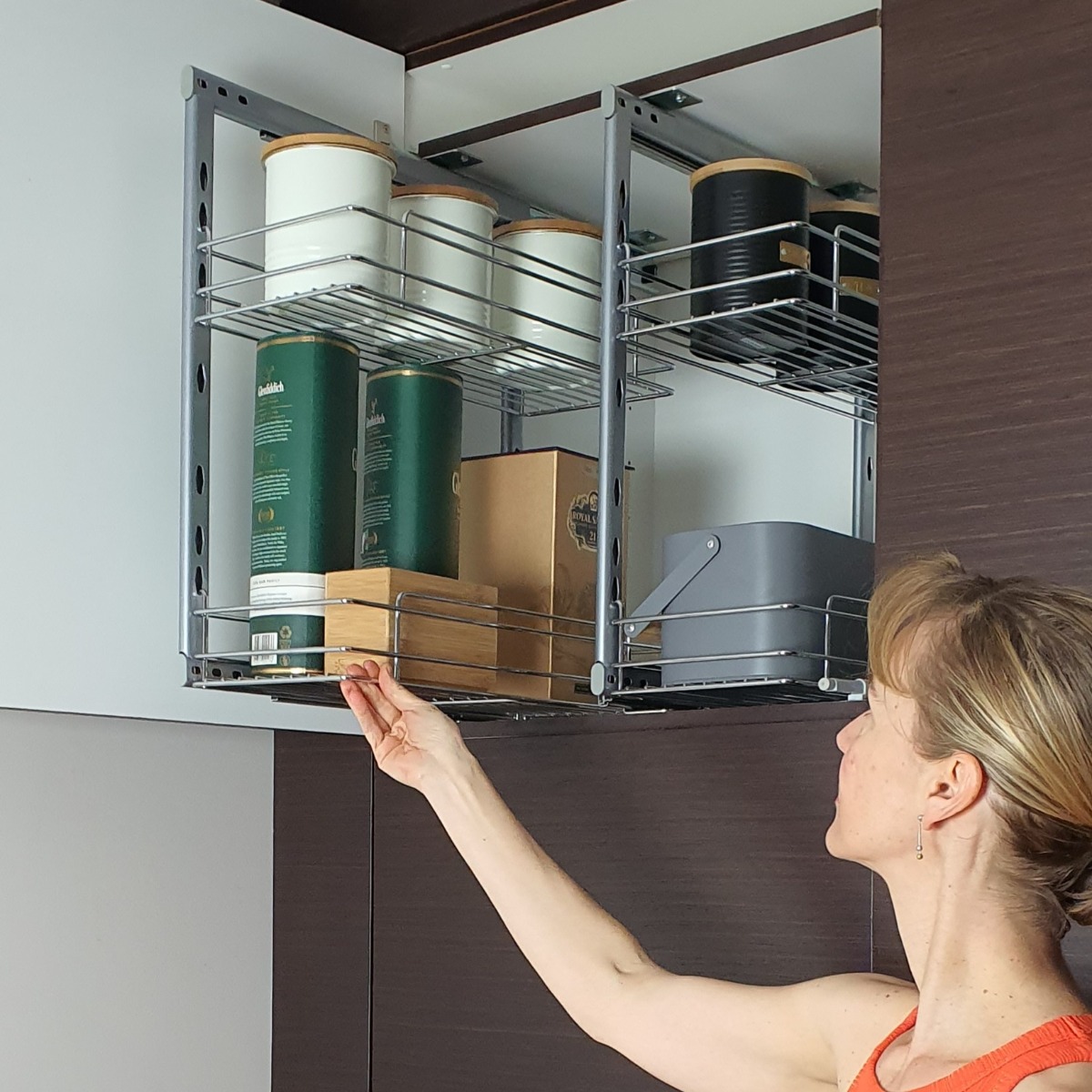
Overhead Storage Solutions for Commercial Kitchens
link desc
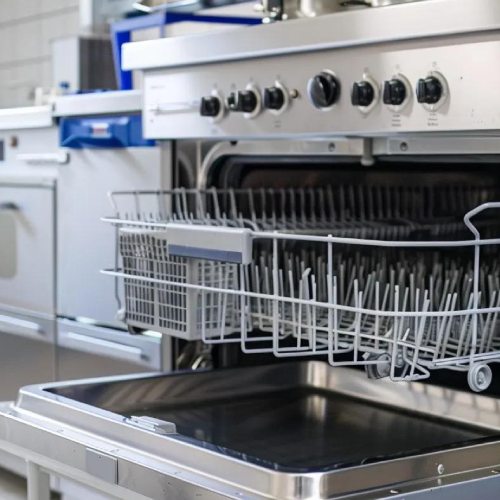


Dishwasher requirements for commercial kitchens include using NSF-certified equipment designed for high-temperature or chemical sanitizing. Machines must reach proper water temperatures to effectively sanitize dishes, utensils, and cookware. Commercial dishwashers also require adequate ventilation, approved detergents, and regular maintenance to meet health department standards. Proper installation and daily cleaning are essential to remain code-compliant and prevent contamination.
Picking the right dishwasher starts with knowing your options. Each type works best for different kitchen sizes and dish loads.
These small machines fit under your counter. They clean 20 to 55 dish racks every hour. Perfect for small cafes, bars, and restaurants that don't wash tons of dishes at once.
Most undercounter models need less space and use single-phase electricity. This makes them easy to install in tight spots. You can put them in the front of your kitchen so servers don't have to walk far.
Door type machines are the most common in restaurants. You load a rack of dishes, close the door, and the machine does its work. These units handle 30 to 350 racks per hour.
They need more space than undercounter models. But they work great for mid-sized restaurants and busy kitchens. Some people also call these "rack dishwashers" because they wash one rack at a time.
Big kitchens use conveyor dishwashers. These powerful machines move dishes through different wash and rinse zones on a belt. They can clean 350 to 1,000 racks every day.
Hospitals, schools, and large restaurants rely on these. They take up lots of space and cost more. But when you need to wash hundreds of dishes fast, nothing beats a conveyor system.
Bars and restaurants with lots of glassware use glass washers. These machines clean up to 2,000 glasses per hour. They use gentle wash cycles so your glasses don't chip or break.
A wash cycle takes about 90 seconds. Glass washers fit under the bar so you always have clean glasses ready for customers.
Temperature matters a lot in commercial kitchens. The right heat kills germs and keeps food safe.
High-temp dishwashers wash at 150 to 160 degrees. Then they rinse at 180 degrees or higher. This hot water kills 99.999% of germs without chemicals.
The final rinse must reach between 180°F and 195°F to sanitize properly. Many health codes require this temperature range. You'll need a booster heater to get water this hot since most building water heaters only reach 120 to 140 degrees.
Low-temp dishwashers work at 120 to 140 degrees. They use special chemicals to sanitize dishes instead of super hot water. This saves energy but costs more for chemicals over time.
These machines don't need expensive booster heaters. They're cheaper to buy and easier to install. But remember - you'll buy sanitizing chemicals monthly.
The FDA Food Code sets national rules for dishwasher temperatures. Local health departments follow these guidelines when they inspect your kitchen.
Surface temperatures must hit 160 degrees on dishes to count as sanitized. All commercial dishwashers that meet NSF/ANSI 3 standards will reach these temperatures when you use them right.
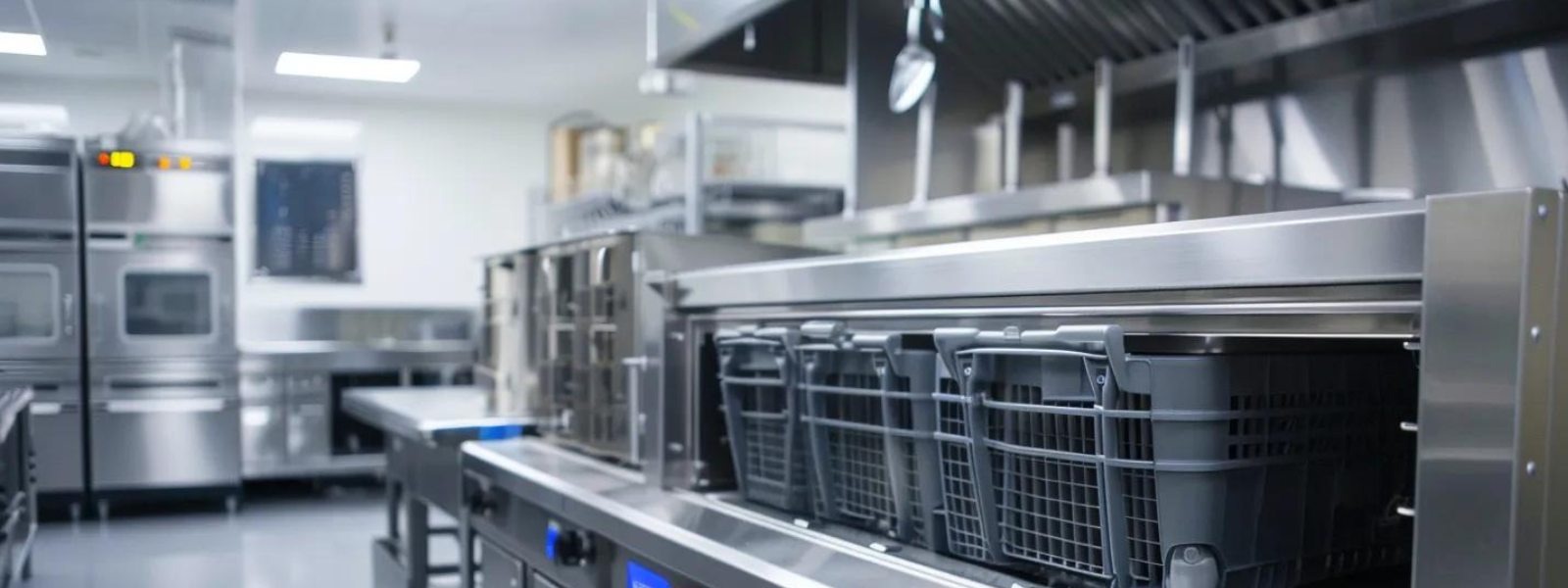
Your dishwasher needs room to work well. Planning the space right makes washing dishes faster and easier.
Start by measuring where your dishwasher will go. Write down the height, width, and depth. Don't forget to measure doorways if you need to move the machine through them.
Leave space for loading dirty dishes and unloading clean ones. Workers need room to move around without bumping into things. Tight spaces slow everyone down and can cause accidents.
You need two separate dish tables - one for dirty dishes and one for clean ones. The dirty side should have a pre-rinse sprayer and faucet. Some kitchens add a garbage disposal here too.
Keep the clean side away from the dirty side. This stops germs from spreading. Both tables should be the right height so workers don't hurt their backs.
Make sure doors can open all the way. Check that nothing blocks the path when loading or unloading racks. You need about 18 inches on both sides of the machine for smooth work flow.
Corner installations need extra planning. The dishwasher takes about 7 seconds to load in a corner setup versus 5 seconds for a straight-through design.
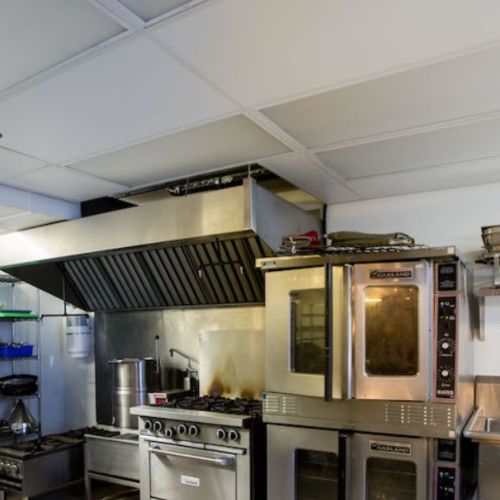
High-temp dishwashers create lots of steam. Most codes say you need a Type II ventilation hood above them. The hood should stick out 6 inches past the front of your dishwasher and 18 inches on both sides.
Not all dishwashers need hoods though. Ventless models and low-temp machines with good kitchen ventilation might not require one. Check your local building codes to be sure.
Getting the electricity right keeps your dishwasher running safely. Wrong wiring causes problems and fails inspections.
Most commercial dishwashers use 208/230 volts. High-temp machines often need three-phase power. Low-temp models usually work with single-phase electricity.
Check your dishwasher's data plate for exact numbers. A typical commercial unit draws 15 to 30 amps. Match your circuit breaker to what the manufacturer says.
Your dishwasher needs its own dedicated circuit. This means no other equipment shares the same electrical line. Dedicated circuits prevent overloads and keep your dishwasher running steady.
The 2020 National Electric Code requires GFCI protection for dishwashers with voltages under 150 volts to ground. This safety feature protects against electrical shocks in wet areas.
Commercial dishwashers usually get hardwired directly to your electrical panel. This is safer and more stable than plug-in connections. A licensed electrician should do all hardwiring work.
Some smaller undercounter models use plug-in cords. If you go this route, make sure the outlet is rated for kitchen use and has GFCI protection.
For a dishwasher pulling 19.7 amps at 208/230V, use a double-pole 30-amp breaker with 10/2 cable. The cable needs two hot wires and a ground wire.
Never use undersized wires or breakers. This creates fire hazards and makes breakers trip during busy times. Follow the manufacturer's specs and local electrical codes exactly.
Water connections must work right for your dishwasher to clean properly. Good plumbing prevents leaks and keeps water pressure steady.
Commercial dishwashers need water pressure between 2 and 4 bar (about 29 to 58 PSI). If your pressure is too low, install a booster pump. Too much pressure can damage parts.
Test your water pressure before installing the dishwasher. Low pressure means dishes won't get clean. High pressure can cause leaks or break valves.
Connect the water intake hose to your dishwasher's 3/4-inch fitting. The other end goes to your hot water supply line. Use the right fittings and make sure connections don't leak.
Low-temp machines need water at least 120°F, but 130°F works better. High-temp dishwashers need a booster heater to reach 180°F or higher for the final rinse.
The drain hose connects at the bottom of your machine. It should run to a floor drain with a slight downward slope. Use 1 to 2 percent slope so water drains completely.
Avoid kinks and sharp bends in the drain hose. These cause clogs and backups. Make sure the drain can handle hot water since rinse temperatures get very high.
Hard water causes lime buildup inside your dishwasher. This damages heating elements and reduces cleaning power. Install a water softener if your water hardness is high.
Add an inlet water filter too. This catches debris before it enters the machine. Filters protect pumps and spray arms from getting clogged.
Steam and heat need somewhere to go. Understanding hood requirements keeps your kitchen comfortable and code-compliant.
Type I hoods remove grease, smoke, and heat from cooking equipment. You use them over fryers, grills, and stoves. They have grease filters or baffles.
Type II hoods handle steam and moisture without grease. These "condensate hoods" work perfect for dishwashers. They're simpler and cost less than Type I hoods.
Most codes require Type II hoods for high-temp dishwashers. The hot water creates so much steam that it makes kitchens uncomfortable and damages ceilings.
Undercounter dishwashers usually don't need hoods. Low-temp chemical sanitizing machines might not need them either if your kitchen has good ventilation and high ceilings.
Your hood should be at least 24 inches above the dishwasher. It must stick out 6 inches beyond the machine's front edge. The airflow should be at least 200 cubic feet per minute per linear foot of hood.
Steel hoods need to be at least 0.024 inches thick. Make sure the hood connects to proper ductwork that vents outside your building.
Ventless dishwashers have built-in systems that condense steam. They recycle heat to warm up water for the next cycle. This saves energy and removes the need for expensive hoods.
These machines cost more upfront but save you thousands on hood installation and ductwork. They work great in buildings where adding ductwork is hard or impossible.
Meeting health codes isn't optional. These standards protect customers and keep your business legal.
NSF/ANSI 3 is the main standard for commercial dishwashers. It sets rules for materials, design, and how well machines clean and sanitize.
All quality commercial dishwashers carry NSF certification. This tells inspectors your machine meets FDA Food Code requirements when operated correctly. Look for the NSF mark when buying equipment.
Dishes must reach a surface temperature of 160°F to be considered sanitary. High-temp machines do this with hot water. Low-temp machines use chemical sanitizers approved for food service.
NSF standards require a minimum 99.999% reduction in bacteria. This is called a 5-log reduction. Both high-temp and low-temp methods can achieve this when done right.
Health inspectors check your dishwasher during visits. They verify water temperatures, look for leaks, and make sure you're using the machine properly.
Keep temperature logs and maintenance records. These show inspectors you take sanitation seriously. Clean your machine daily and fix problems fast.
Write down when you clean and service your dishwasher. Note any repairs or part replacements. Keep chemical sanitizer test strips handy to check concentrations.
Good records protect you during inspections. They also help you spot problems before they become expensive repairs. Many health departments require written sanitation plans that include dishwashing procedures.
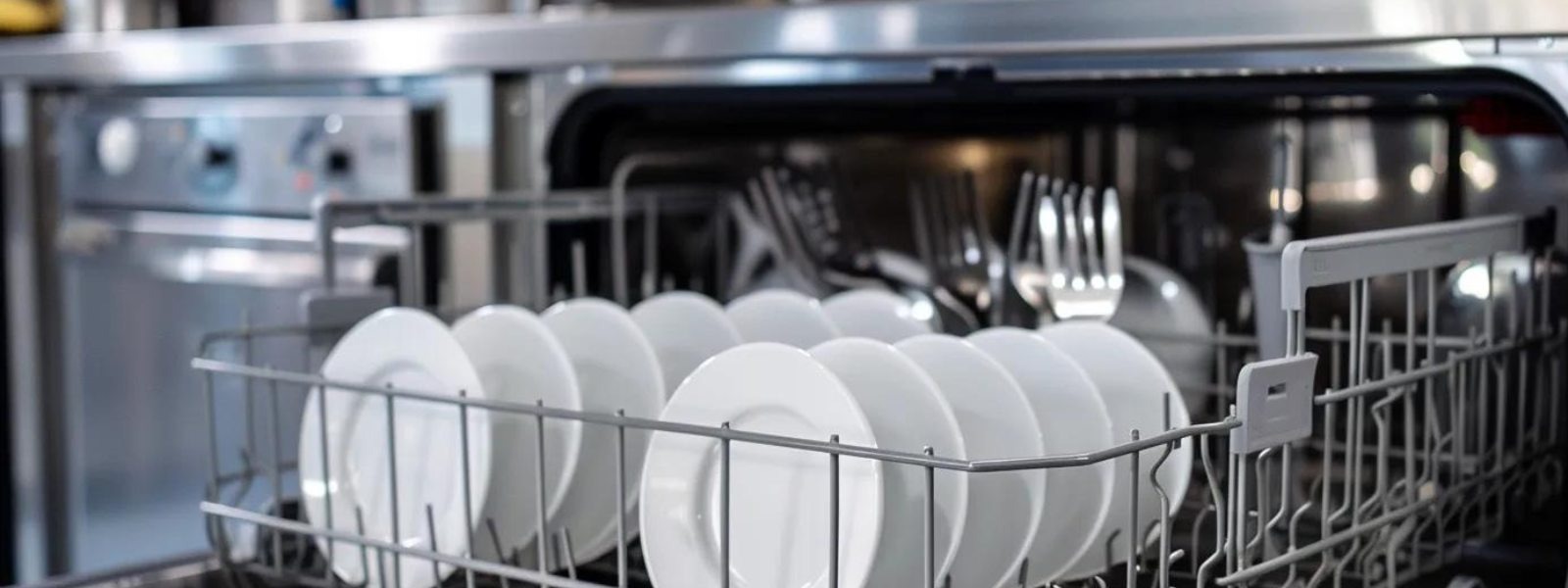
Saving energy cuts costs and helps the environment. ENERGY STAR certified dishwashers make this easy.
ENERGY STAR commercial dishwashers use 12% less energy and 50% less water than standard models. They save businesses about $360 per year and over 5,600 gallons of water.
These savings add up to more than $3,200 over the dishwasher's lifetime. Look for the ENERGY STAR label when shopping for new equipment.
Certified models meet strict water use limits during the final rinse. Different dishwasher types have different limits. Undercounter machines use less water per cycle than conveyor systems.
Efficient dishwashers waste less water without sacrificing cleaning power. This matters in areas where water costs are high or during droughts.
Factor in both energy and chemical costs when picking a dishwasher. Low-temp machines might seem cheaper but remember to add monthly chemical expenses.
High-temp dishwashers cost more to run because of the hot water. But you save money by not buying sanitizing chemicals. Calculate your yearly costs for both types before deciding.
Efficient equipment pays for itself over time. A dishwasher that uses less water and energy lowers your monthly utility bills. Over 10 years, these savings really add up.
Many electric companies and local governments offer rebates for ENERGY STAR equipment. These incentives reduce your upfront costs and make efficient models more affordable.
Getting the right size matters. Too small and you can't keep up. Too big wastes money and space.
Figure out how many dishes you use during your busiest hours. Count plates, glasses, utensils, and prep equipment. Every customer creates about 4 to 5 dirty items at a casual restaurant.
A 70-seat restaurant serving 80 customers in 3 hours needs a machine that handles 13 to 16 racks per hour. Small restaurants with 10 to 40 seats work well with 30 to 50 racks per hour.
Undercounter dishwashers handle 20 to 55 racks per hour. Door type machines do 30 to 350 racks per hour. Large conveyor systems process 350 to 1,000 racks daily.
Match your dishwasher capacity to your peak service times. Having extra capacity helps during unexpected rushes and special events.
Don't base your decision on average days. Plan for your busiest times. Friday and Saturday nights usually create the most dishes.
Add 10 to 20% extra capacity as a buffer. This prevents bottlenecks when things get hectic. Commercial cabinetry for dish storage near your dishwasher keeps clean items organized.
Think about the future too. Will your restaurant add more seats next year? Planning ahead prevents having to replace your dishwasher soon.
A machine with 25% more capacity than you need now gives you room to grow. This smart planning saves money in the long run.
Proper installation prevents problems and keeps your dishwasher running smoothly for years.
Hire licensed electricians and plumbers for installation. They know local codes and do the work safely. Professional installation usually comes with warranties too.
DIY installation might seem cheaper but mistakes cost more to fix later. Improper wiring or plumbing causes leaks, electrical hazards, and failed inspections.
Your dishwasher must sit level on all four feet. Use a spirit level to check. An unlevel machine doesn't drain properly and the door might not seal right.
If installing above ground level, secure both the stand and machine. This prevents accidents in busy kitchens where people might bump into equipment.
Run several test cycles after installation. Check for leaks around water connections and drains. Make sure the machine reaches proper temperatures.
Test door locks and safety features. Adjust water pressure if needed. This initial testing catches problems before you start using the machine for real dishes.
Show your team how to use the machine correctly. Teach them about loading racks properly, using chemicals right, and basic troubleshooting.
Post simple instructions near the dishwasher. Include emergency shut-off procedures. Well-trained staff prevents damage and keeps the machine running efficiently. Your custom commercial cabinetry setup should include clear signage for proper procedures.
Regular care extends your dishwasher's life and prevents costly breakdowns.
Clean the machine at the end of every shift. Remove food debris from filters and screens. Wipe down the inside and outside. Check spray arms for clogs.
Empty and clean the drain. A clogged drain causes flooding and bad smells. These quick daily tasks take just 10 minutes but prevent big problems.
Once a month, deep clean your dishwasher. Remove and scrub all filters thoroughly. Check water inlet filters and replace if needed. Inspect door gaskets for wear.
Test water temperatures with a thermometer. Make sure both wash and rinse cycles hit target temperatures. Adjust settings if needed or call for service.
If dishes come out dirty, check spray arms for clogs. Low water pressure or wrong temperatures also cause poor cleaning. Make sure you're using the right amount of detergent.
Leaks usually mean loose connections or worn gaskets. Tighten fittings and replace gaskets as needed. If the machine won't start, check the breaker and door latch.
Call a technician if temperatures stay wrong after adjusting. Unusual noises, constant trips of breakers, or error codes need professional attention.
Don't wait when you notice problems. Small issues become expensive repairs if ignored. Regular professional service every 6 months keeps your machine in top shape.
Understanding costs helps you make smart choices for your business.
Commercial dishwashers cost between $2,000 and $15,000 or more. Small undercounter models run $2,000 to $5,000. Mid-range door type machines cost $4,000 to $8,000.
Large conveyor systems start around $10,000 and go up to $15,000 or higher. Advanced features like energy efficiency and faster cycles add to the price.
Budget $200 to $500 for basic installation. This goes up if you need new plumbing or electrical work. Adding a ventilation hood costs $1,800 to $16,000 depending on size and type.
Three-phase electrical conversion, if needed, adds thousands more. Get quotes from contractors before starting your project. Hidden costs surprise many restaurant owners.
Calculate monthly costs for water, electricity, and chemicals. High-temp machines use more energy but no sanitizing chemicals. Low-temp machines cost less to run but need monthly chemical refills.
Factor in maintenance costs too. Regular service prevents breakdowns but costs money. Budget about $500 to $1,000 yearly for professional maintenance.
Efficient dishwashers save money over time. Compare utility bills with older models or hand washing. Labor savings matter too - machines wash dishes 50% faster than three-compartment sinks.
Good equipment lasts 10 to 15 years with proper care. Spread the purchase cost over this time when calculating ROI. The right dishwasher pays for itself through efficiency and reliability.
Not all commercial dishwashers need hoods. High-temp machines usually require Type II ventilation hoods because they create lots of steam. Undercounter and low-temp chemical sanitizing dishwashers often don't need hoods if your kitchen has good ventilation and high ceilings. Check your local building codes since requirements vary by location.
High-temp dishwashers sanitize with water at 180°F or higher during the final rinse. They don't need chemicals but use more energy and require booster heaters. Low-temp machines wash at 120 to 140°F and use special chemicals to sanitize. They cost less to install and use less energy but you'll buy sanitizing chemicals monthly.
Space needs depend on dishwasher type. Measure the machine dimensions plus 18 inches on each side for loading and unloading. Add room for dirty dish tables, clean dish tables, and worker movement. Don't forget about door swing clearance and access to plumbing and electrical connections. Custom kitchen layouts help maximize available space.
Most health codes require commercial dishwashers that meet NSF/ANSI 3 standards. Residential machines don't meet these requirements. They're not built for the heavy use and high temperatures commercial kitchens demand. Using residential equipment can fail health inspections and void your business insurance.
Clean your dishwasher daily by removing debris and wiping surfaces. Do deep cleaning monthly including filters and spray arms. Schedule professional maintenance every 6 months. This regular care prevents breakdowns and extends equipment life. Keep records of all service work for health inspections.
Getting your commercial dishwasher setup right from the start saves headaches later. Follow temperature, electrical, and plumbing requirements carefully. Meet health codes and pick equipment that matches your actual needs.
Professional installation costs more upfront but prevents expensive problems down the road. Regular maintenance keeps your dishwasher running efficiently for years. Energy-efficient models save money on utility bills over time.
At Classic Cabinetry, we understand that commercial spaces need equipment setups that work smoothly together. Whether you're designing a new commercial kitchen or updating an existing one, our team helps create functional layouts that meet all requirements. We serve restaurants and businesses throughout Huntsville, Madison, Decatur, and surrounding Alabama areas.
Ready to set up your commercial kitchen the right way? Contact our team for expert guidance on commercial kitchen layouts and cabinetry solutions that support your dishwashing operations.