.avif)


.avif)


.avif)
Soft-Close Hinges vs. Standard Hinges, Is the Upgrade Worth It?
link desc
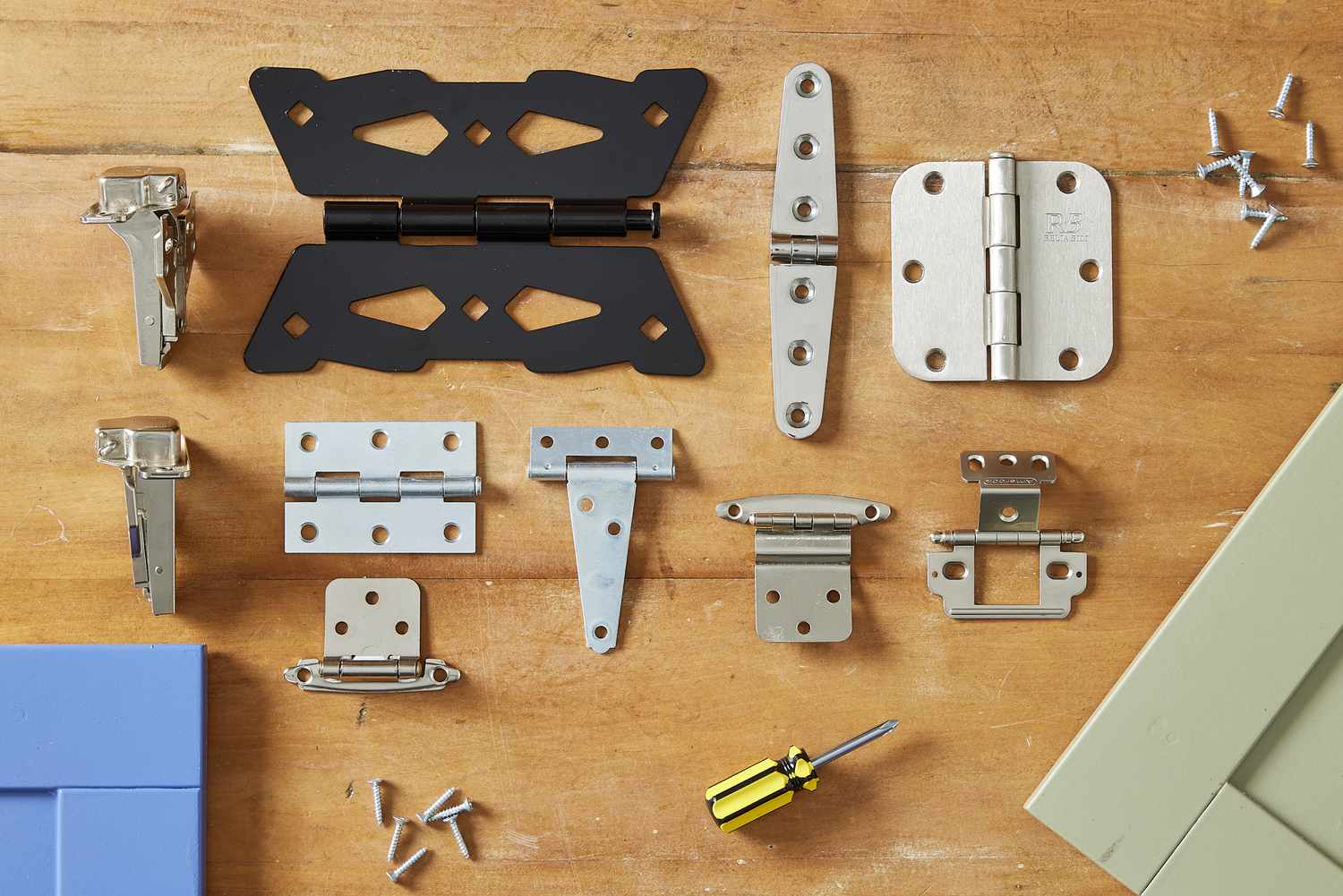


Yes, soft-close hinges are a worthwhile upgrade over standard hinges, because they eliminate loud slamming, prevent structural damage to cabinet frames and finishes, and protect fingers from getting pinched. A small damper inside the hinge catches the door in the last few degrees of its swing and sets it down quietly instead of letting it strike the frame.
Below we break down how the two hinge types differ mechanically, what the damper protects, what the upgrade costs, how hinge grades are actually measured, how to retrofit existing cabinets, and where the upgrade earns its keep first.
Soft-close hinges are worth it compared to standard hinges for any cabinet you open daily. The damper removes the impact that standard hinges transmit straight into the hinge pin, the mounting screws, and the face frame, and that impact is what loosens doors over a decade of use.
Scale explains why it matters. A busy household produces roughly 10,000 cabinet door closures over five years, and a meaningful share of those are hard closes made with full hands or by a child moving fast. Each one sends energy somewhere, and in a standard hinge that somewhere is the hardware and the wood.
Standard hinges still have a place. Utility cabinets, garage storage, and closets used a few times a month perform fine on them, and a well-made standard hinge from a reputable supplier will not fail. A field study of 317 kitchens tracked over 24 months found that no hinge of either type failed mechanically in that window, which is the honest counterweight to the sales pitch. What the same study found was that 23 percent of kitchens with standard hinges generated a slamming complaint, and that is the real difference: sound and feel, measured daily. Every one of our custom kitchen cabinets is specified with the hardware the household will actually notice.
The difference between soft-close and standard hinges is a built-in damper. A standard hinge is two metal leaves joined by a pin that swings freely and lands wherever momentum carries it, while a soft-close hinge contains a hydraulic or pneumatic cylinder that decelerates the door through the final stretch of its travel.
Self-close hinges are a third category that often gets collapsed into the second. A self-close hinge uses a spring to snap the door the rest of the way shut, which guarantees the door closes but offers no speed control at all. Many modern soft-close hinges combine both, using spring action to pull the door in and a damper to govern how fast it arrives.
The comparison below uses the damper engagement range and cycle figures published by hardware manufacturers and the ANSI/BHMA cabinet hardware standard.
Hinge typeMechanismClosing behaviorEffect on the cabinetBest fitStandardMetal leaves on a pin, no assistSwings freely, slams if pushedFull impact reaches the pin, screws, and frameLow-use utility and storage cabinetsSelf-closeSpring mechanismSnaps shut under spring forceCloses reliably, still lands hardDoors that must never sit ajarSoft-closeHydraulic or pneumatic damper, often with springDecelerates through the last 15 to 20 degreesDamper absorbs the impact energyKitchens, baths, pantries, anything used daily
Soft close is better than self close for daily-use cabinetry, because speed control protects the cabinet while spring force alone does not. A self-close hinge solves the problem of doors hanging open a quarter inch and creates nothing else; a soft-close hinge solves that same problem and removes the slam at the same time.
Self-close earns its place where positive closure is the priority and noise is not, such as a utility run in a garage or a shop. Everywhere a person stands and listens, soft-close is the better specification.
The most commonly used cabinet hinge is the concealed European hinge, bored into the back of the door with a 35mm cup. Concealed hinges hide completely when the door is shut, carry three-way adjustment built into the arm, and accept damper mechanisms directly into the hinge body rather than as an attachment.
Exposed butt hinges, semi-concealed hinges, and surface-mount styles all still appear on traditional and inset work, and the differences between cabinet hinges matter more than most homeowners expect once a door needs adjusting. The concealed hinge dominates new cabinetry because it adjusts, it hides, and it dampens.
Soft-close hinges work through a small hydraulic or pneumatic damper built into the hinge arm. The damper engages during the final 15 to 20 degrees of the door's travel, typically catching around 2 inches from the closed position, and converts the door's momentum into resistance inside the cylinder.
Resistance inside the cylinder is what the hand feels as the door being taken out of your control and set down. Push a soft-close door hard and it still lands softly, because the damper is governing the last stretch no matter how much force went in at the start. That behavior is factory-calibrated on quality hinges rather than adjusted at installation.
The mechanism costs almost nothing in weight or upkeep. A soft-close hinge adds roughly 30 grams over a standard one, needs no power, and asks for no maintenance beyond the screw-tightening any hinge wants once a year. That is an unusually small penalty for a mechanical feature that works tens of thousands of times.
Soft-close hinges protect the hinge pin, the mounting screws, the face frame, the door joinery, the finish, and anyone with fingers near the opening. Every slam a standard hinge takes travels through the hardware and into the cabinet box, and that cumulative force is what causes doors to hang crooked years later.
Crooked doors have a traceable cause. Repeated impact works mounting screws loose, enlarges the screw holes in the door and the frame, and fatigues the joints holding the door stile to the rail. Once a screw hole has opened up, re-tightening stops working and the hinge needs relocating or the hole needs plugging and redrilling.
Finish damage follows the same path. A door face striking a face frame thousands of times wears the finish at the contact points and eventually chips the edge, which is visible in a way that loose hardware is not. Vibration spreads too, since a cabinet door slamming beside a dishwasher or refrigerator transmits that shock into the adjacent appliance panel.
Finger safety is the benefit parents name first. The damper takes a closing door out of a child's control and ends the pinch risk at the opening, which pairs naturally with the simple ways to baby-proof cabinets without drilling the doors full of holes.
The cost difference between soft-close and standard hinges is roughly $5 to $15 more per hinge, according to remodeling cost data. Soft-close drawer slides carry a larger gap at roughly $20 to $60 more per drawer than a basic side-mount slide.
Across a whole kitchen the arithmetic stays modest. Industry figures for a kitchen with 25 to 35 cabinet openings and 8 to 12 drawer banks put the total hardware upcharge somewhere between $400 and $1,200, which is a small line item against the cabinetry it protects for twenty years.
The upcharge also shrinks as cabinet tier rises. Stock lines treat soft-close as a paid option or do not offer it at all, most semi-custom lines include it in the standard specification, and custom shops generally treat it as the floor rather than the ceiling of what they install. That is how hardware works on our kitchen cabinetry: the decision is which upgrade tier, not whether to have it.
Yes, soft-close drawers are worth more than soft-close doors in most kitchens. Drawers close under more force because the user is pushing weighted contents, so the slam transmits more sound and more shock into the cabinet box than a door ever does.
Undermount slides bring a second benefit that hinges cannot. Quality undermount soft-close slides rate for 100 to 150 pounds and extend the full depth of the drawer, where older side-mount slides typically stop around 75 percent and leave the back of the drawer out of reach. If only one category fits the budget, slides go first.
Cabinet hinge grades are defined by ANSI/BHMA A156.9, the American National Standard for cabinet hardware, which sorts hinges into performance grades verified by cycle testing. A Grade 1 cabinet hinge must complete 100,000 cycles of opening and closing without degradation that affects its function.
One hundred thousand cycles is a longer test than it sounds. The Architectural Woodwork Standards procedure referencing A156.9 runs the test at no more than 15 cycles per minute, which means a certified hinge is cycled continuously for more than four days before it earns the grade. Four days of uninterrupted motion is what separates a tested hinge from one that merely looks identical in the drawer.
The grade is encoded in the part designation. In an A156.9 number such as B01011, the digits identify the product class, the product type, and the performance grade, so a specifier reading the number knows what was tested. The same standard covers nearly one hundred types of cabinet hardware and sets strength requirements alongside cycle counts, including a 75 pound-force load test that a cabinet pull must survive without chipping or pulling its screws. The Builders Hardware Manufacturers Association has maintained standards across 35 product categories since 1983, and our AWI Quality Certification holds us to that same body of testing.
Grade is also the honest answer to "is this a good hinge." Factory-integrated systems on semi-custom and custom lines typically use hinges and slides rated at 100,000 cycles or more, which works out to roughly 25 to 50 years of normal household use, while low-tier clip-on dampers can lose tension within 5 to 10 years. That gap is the practical difference between cabinet tiers, and it runs alongside the other distinctions between stock, semi-custom cabinets, and full custom work.
Pick the right soft-close hinge by settling five specifications in order: overlay or inset, cup size, opening angle, adjustability, and grade. Getting the first one wrong makes every other decision irrelevant, because an overlay hinge will not mount an inset door.
Cup size comes next and is usually already decided for you. European-style concealed hinges use a 35mm boring cup as the industry standard, so a replacement hinge with a 35mm cup drops into an existing bore without new holes. Opening angle follows, with common hinges swinging 107 to 110 degrees and wide-angle versions reaching further for cabinets with pull-out inserts behind the door.
Adjustability is the specification installers care about most. A three-way adjustable hinge moves the door up and down, left and right, and in and out from the frame, which is what makes a long run of doors line up and stay lined up. Visible hardware is a separate decision entirely, and choosing cabinet hardware for finish and profile has no effect on how the hinge behaves.
The difference between overlay and inset hinges is where the door sits relative to the cabinet frame. An overlay door rests on top of the frame and covers part or all of it, while an inset door sits flush inside the frame opening with a consistent reveal all the way around.
Half-inch overlay is the common standard on modern kitchens, with full overlay used where doors cover nearly the entire frame face. Inset construction demands tighter tolerances, its own hinge family, and more skill at installation, which is part of why inset cabinets price differently from overlay work.
A cabinet door needs two hinges up to about 40 inches tall, three hinges from roughly 40 to 60 inches, and four hinges above 60 inches or on any unusually heavy door. Weight matters as much as height, so a thick solid-wood door or one carrying glass gets an extra hinge regardless of its measurement.
Adding a hinge does more than carry load. Each additional hinge shortens the unsupported span of the door edge, which keeps a tall door from twisting away from the frame at the top or bottom over time.
Yes, you can replace regular hinges with soft-close hinges on most cabinets, and there are two routes. Clip-on adapter dampers attach to an existing concealed hinge with a small bracket, while replacement soft-close hinges drop into the existing 35mm cup and mounting plate without new boring.
Replacement hinges are the better route when the hardware allows it. An integrated damper is factory-calibrated inside the hinge body and shares the hinge's cycle rating, where a clip-on adapter is a separate part doing the same job from the outside, and it is the component most likely to lose tension first. Clip-ons earn their place as a low-disruption fix on cabinets you are not otherwise touching.
Compatibility comes down to the bore. A cabinet already using a 35mm cup accepts standard soft-close replacements, and most modern doors between roughly 14 and 22 millimeters thick work without modification. Cabinets with surface-mount or semi-concealed hinges need new boring, which moves the project from a swap to a small carpentry job.
The correct way to install cabinet hinges is to mount the plates to the cabinet first, hang the door on the hinge arms, then adjust all three axes before tightening anything down. Working in that order lets the door find its position instead of forcing the frame to accept a fixed one.
Screws go into solid material at full depth, never into a hole that has already stripped once. A stripped screw hole gets plugged with a glued dowel and redrilled rather than shimmed, because a shimmed hinge works loose again under the first month of use.
Adjust a soft-close hinge using the three adjustment screws on the hinge arm plus the damper force switch found on most models. The screws control depth, height, and side-to-side position, and the switch sets how much resistance the damper applies on the way closed.
Symptoms point to specific fixes. A door that still lands hard usually needs the damper switch turned up or the hinge cleaned, since dust and cooking residue build up in the mechanism over years. A door that closes too slowly and drifts back open needs the damper force reduced or the door brought into proper alignment, because a door arriving at an angle never seats correctly. A door sitting proud of its neighbors needs the depth screw, not the damper.
Seasonal movement is the cause most people miss. Wood doors expand and contract with humidity, and across Ardmore and the surrounding region the summer-to-winter swing is wide enough to shift a door's position by a small but visible amount. A door that closed perfectly in February can sit a hair out of line in August, which is why a yearly pass with a screwdriver belongs in any cabinet maintenance routine.
One honest limit is worth stating. A hinge adjustment corrects a door's position, and it corrects nothing about a carcase that has racked out of square or a frame that has warped. If every door on a run has drifted the same direction, the problem is the box, not the hardware.
The soft-close upgrade matters most on the cabinets a household opens several times a day, and it matters least on the ones opened a few times a year. Spending the budget in that order gets most of the benefit for a fraction of the cost:
Building locally makes that selectiveness practical. Because we build our custom cabinets in our own shop, hardware gets specified cabinet by cabinet rather than as one blanket line on a factory order, so the pantry and the trash pull-out can carry different hardware from the rarely opened corner upper.
Yes, soft-close hinges matter outside the kitchen, and they matter most in rooms used at hours when noise carries. Every competitor conversation about this hardware stops at the kitchen, which leaves out the rooms where a quiet close is arguably more valuable:
Vanity cabinets deserve particular attention because of the hours they keep. Soft-close hardware on bathroom vanities removes the sound that carries down a hallway at five in the morning, and the humidity in a bathroom makes the alignment benefits of a three-way adjustable hinge worth having on their own.
Closet doors tell a similar story. Cabinetry inside a bedroom gets used at both ends of the day, and quiet hardware on custom closets is the difference between dressing early and waking the house.
Laundry spaces round out the list. Hands are full, doors get closed with an elbow or a hip, and the force behind those closes is exactly what a damper exists to absorb, which makes soft-close hardware on laundry cabinetry a quiet upgrade in both senses.
Soft-close hinges rated to the ANSI/BHMA Grade 1 standard last through at least 100,000 opening and closing cycles, which works out to roughly 25 to 50 years of normal household use depending on the cabinet. Lower-tier clip-on dampers are the component that fades first and can lose tension within 5 to 10 years.
No, soft-close hinges do not fit all cabinets. They drop straight into any cabinet already using a 35mm concealed hinge cup, which covers most cabinetry built in the last two decades. Cabinets with surface-mount or semi-concealed hinges need new boring before concealed soft-close hardware will mount.
A cabinet hinge cup is 35mm in diameter on European-style concealed hinges, which is the industry standard. Smaller 26mm cups exist for thin doors and specialty applications, so measure the existing bore before ordering replacements.
A soft-close hinge usually stops working because the damper force switch has shifted, the mechanism has collected dust and grease, or the door has drifted out of alignment so the damper never engages properly. Cleaning the hinge arm and resetting the three adjustment screws resolves most cases without replacing hardware.
Yes, soft-close hinges work on inset doors, using hinge families made specifically for inset construction. Inset doors demand a tighter reveal and more precise adjustment than overlay doors, so three-way adjustability matters more here than anywhere else in a cabinet run.
Soft-close hinges are made of steel or zinc-alloy hinge bodies with a sealed hydraulic or pneumatic damper cylinder inside the arm. The damper is a closed unit, which is why it needs no servicing and why a failed damper is replaced rather than repaired.
Every cabinet does not need soft-close hinges, though specifying them throughout keeps a kitchen feeling consistent and costs little at order time. On a tight budget, put them on drawers, trash pull-outs, pantry doors, and overheads, and leave the occasional-use cabinets on standard hardware.
Soft-close hinges earn the upgrade because the damper absorbs energy that a standard hinge passes straight into the pin, the screws, the frame, and the finish. The mechanical case is measurable: Grade 1 cabinet hinges pass 100,000 cycles under the ANSI/BHMA standard, the damper engages in the last 15 to 20 degrees of travel, and the upcharge is roughly $5 to $15 per hinge against cabinetry you expect to keep for decades. Specify them where the cabinet gets used daily, and spend the money on drawer slides before door hinges if the budget forces a choice.
We have been building cabinetry out of our Ardmore shop for more than four decades, and hardware is the part of a project homeowners notice every single day long after they stop noticing the door style. If you want to feel the difference before deciding, Classic Cabinetry can walk you through hinge options against your own doors and show you a 3D design before anything is built. Reach out whenever you are ready for a free estimate.