.avif)


.avif)


.avif)
Bathroom Cabinet Remodel on a Budget, Where to Spend and Where to Save
link desc


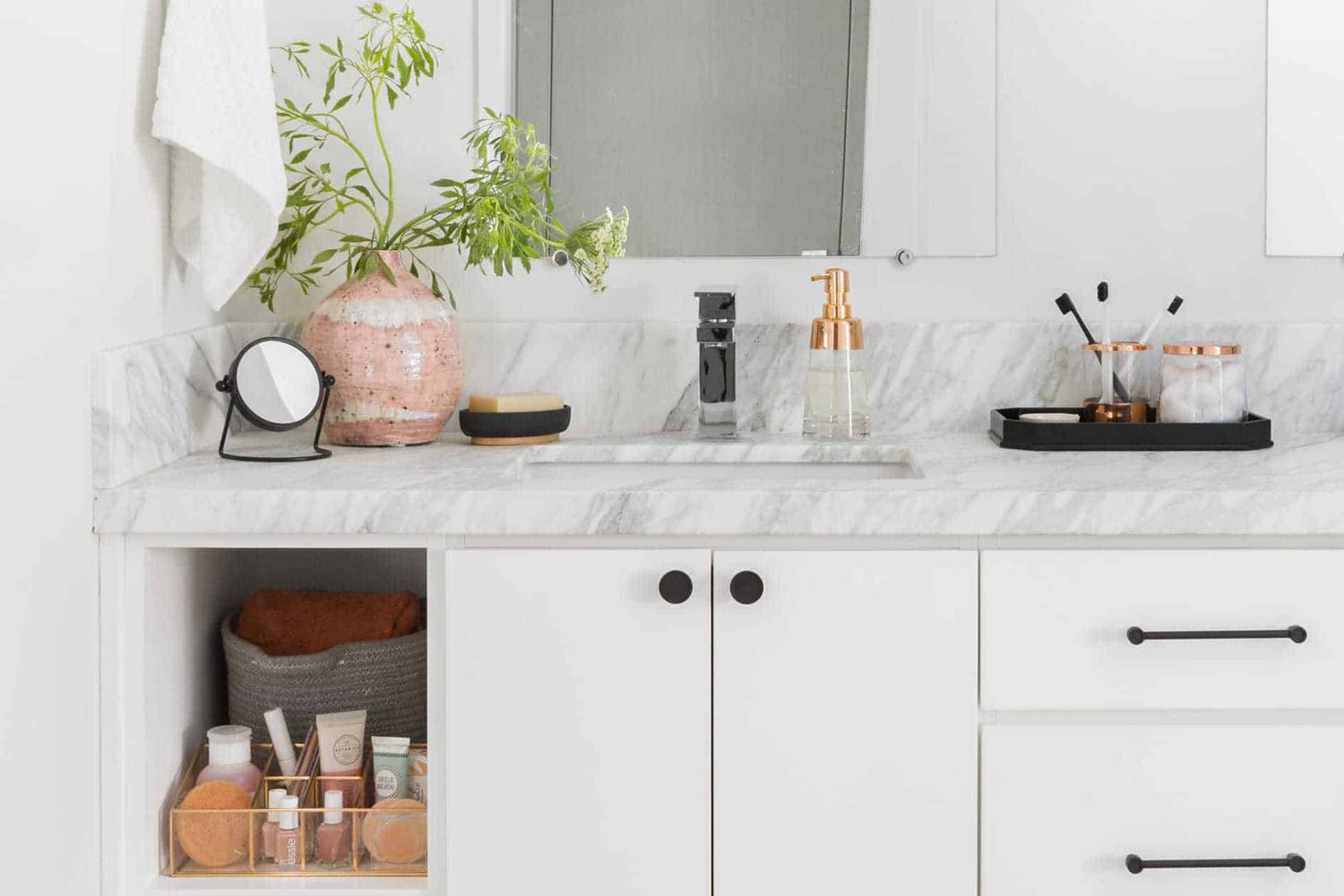
A single vanity works best for smaller bathrooms, powder rooms, and spaces used by one person. A double vanity is better for shared master bathrooms where two people get ready at the same time. The right choice depends on your bathroom size, how many people use the space, your storage needs, and your budget. According to Mordor Intelligence, bathroom cabinets are the fastest-growing segment of the cabinet market, projected to grow at a 7.87% compound annual growth rate through 2031. That growth tells us homeowners are paying closer attention to their bathroom cabinetry than ever before. This article compares single and double vanities across space, cost, design trends, storage, resale value, and daily function so you can pick the one that fits your bathroom and your life.
The pros of a single bathroom vanity are a smaller footprint, a lower cost, simpler installation, and more open floor space. The cons of a single bathroom vanity are limited counter area, less storage, and difficulty sharing the sink with another person during busy mornings.
Single vanities range from 24 to 48 inches wide, which makes them a natural fit for standard full bathrooms that measure around 5 by 8 feet. A 36-inch single-sink vanity is the most commonly purchased width in the United States because it fits the majority of American bathrooms without crowding the space. It leaves room for a toilet, a shower or tub, and enough walking clearance to move comfortably.
The tradeoff is real estate. A single sink means one person uses it at a time. If two people share a bathroom and both leave for work at the same hour, mornings get tight. Storage is also smaller because the cabinet underneath has less room for towels, toiletries, and cleaning supplies. Smart design choices like pull-out drawers, vertical dividers, and tiered organizers can help maximize storage even in a single vanity. For a guest bathroom, a half bath, or a bathroom that only one person uses regularly, a single vanity is the smart, efficient choice. Choosing the right vanity material makes a single unit last just as long as a larger one.
A single vanity is the right choice when your bathroom is under 50 square feet, when only one person uses the space daily, when budget is a priority, or when you want to leave room for other features like a larger shower or a freestanding tub. Single vanities also work well in powder rooms and guest bathrooms where function needs to be straightforward.
The drawbacks of a double vanity are a larger space requirement, a higher cost, more complex plumbing, and the need for a wider bathroom to avoid a cramped layout. Double vanities need at least 60 inches of wall width, and most design professionals recommend 72 inches for comfortable daily use by two people.
A double vanity also means twice the plumbing. Two sinks need two drain lines, two supply lines, and two faucets. That adds to both the material cost and the installation labor. If your bathroom currently has a single vanity and you want to upgrade to a double, you may need to move plumbing lines, which raises the project cost further.
Cleaning is another consideration. Two sinks and a wider countertop mean more surface area to wipe down, more hardware to maintain, and more grout lines if you use a tile backsplash. For homeowners who keep a busy schedule, that extra maintenance adds up over time. Despite these drawbacks, a well-designed double vanity in the right bathroom transforms how two people share the space.
A double vanity makes sense when two people share a master bathroom, when the room is wide enough to fit at least a 60-inch unit comfortably, and when morning routines overlap. Families with children who share a bathroom also benefit because the second sink reduces wait times and arguments. Custom bathroom cabinets let you design a double vanity that fits your exact dimensions, so even slightly unconventional room sizes can work.
The current trend for bathroom vanities in 2026 is floating designs, warm wood finishes, furniture-style silhouettes, and fluted or textured front panels. According to a Houzz survey, 62% of renovating homeowners now choose custom or semi-custom vanities, and 81% add soft-close drawers as a standard feature.
Wood-faced vanity designs have overtaken painted cabinets in popularity, reflecting the broader shift toward natural textures and warm tones across the home. White oak, natural walnut, and teak are the most popular species. Floating vanities, which mount to the wall and leave open floor space beneath, continue to grow at an estimated 15 to 20% year-over-year, according to industry analysts at NextDAY Cabinets.
Another rising trend is replacing a traditional double vanity with two separate single vanities placed on opposite walls. HGTV designers have highlighted this approach for creating a boutique-hotel feel in larger master bathrooms. Both single and double vanity layouts benefit from warm earth tones like sage green, terracotta, and warm taupe, which are the dominant color choices heading into 2026.
You need at least 60 inches of wall width for a double vanity, but 72 inches is the recommended standard for comfortable daily use. According to Angi, standard double vanity widths range from 48 to 72 inches, though 60 and 72 inches are by far the most common sizes installed in master bathrooms.
Beyond the vanity itself, you also need clearance around it. The National Kitchen and Bath Association recommends at least 18 inches from the center of the toilet to the edge of the vanity. Building codes require a minimum of 21 inches of floor space in front of the vanity for standing and bending room. A bathroom that is 8 feet wide or more can comfortably support a 72-inch double vanity with room to spare.
If your bathroom is narrower, a 60-inch double vanity can still work, but spacing gets tighter. A 48-inch double vanity technically fits two sinks, but the counter space between them is minimal, and daily use for two people feels cramped. Measuring your space carefully before choosing a size prevents expensive mistakes. Homeowners who also need well-planned storage in other rooms often apply the same space-first approach to their closet design.
FeatureSingle VanityDouble VanityStandard Width24 to 48 inches60 to 72 inchesBest ForSmall bathrooms, powder rooms, guest baths, single-user spacesShared master bathrooms, family bathrooms, larger layoutsStorageModerate; smaller cabinet footprintGenerous; wider cabinet with more drawers and shelvesCounter SpaceLimited to one side of the sinkTwo personal zones with counter space on each sideInstallationSimpler; one plumbing connectionMore complex; two drain and supply lines requiredMinimum Room Width4 to 5 feet7 to 8 feet recommendedResale ImpactStandard; expected in guest and secondary bathsPremium; viewed as a luxury feature in master bathroomsDaily FunctionOne user at a timeTwo users simultaneously
Vanity width data from Angi and the National Kitchen and Bath Association. Room width recommendations based on NKBA planning guidelines and standard building codes.
The colors that make a bathroom look expensive are deep navy, soft white, charcoal, warm greige, muted sage green, and rich wood tones. These colors create a calm, layered backdrop that lets high-quality materials like stone countertops, solid hardware, and real wood cabinetry stand out.
Pairing a warm wood vanity with a soft white wall creates depth without clutter. A navy blue vanity against white tile feels high-end because the contrast is bold yet controlled. The 2026 bathroom trend data from multiple design sources shows that earth tones and warm neutrals are replacing the cool grays and stark whites that dominated bathrooms for the past decade.
What makes a bathroom truly look expensive, though, has less to do with paint and more to do with how well everything fits together. Flush joints on cabinetry, seamless countertop edges, consistent hardware finishes, and a lack of visible gaps or uneven lines all contribute to a polished, high-end appearance. Quality vanity cabinetry is the foundation that holds the entire look together.
Yes, a double vanity increases home value, especially in a master bathroom. Real estate professionals consistently list double vanities as a desirable feature that buyers expect in primary suites. According to the 2025 Cost vs. Value Report, a midrange bathroom remodel that includes a modern vanity upgrade returns approximately 74% of its cost at resale. Houghton Contracting estimates the ROI for a vanity and counter upgrade specifically at 65 to 75%.
A well-planned bathroom remodel can boost overall home value by 4 to 7% on average, according to Moreno Bath's analysis of 2025 industry data. Adding a double vanity with a durable countertop and updated faucets creates both daily convenience and visual appeal that shows well in listing photos. In competitive housing markets, a clean, modern master bathroom with two sinks often makes the difference between a buyer scheduling a second showing or moving on.
Homeowners in North Alabama who are preparing their home for sale or simply upgrading for daily comfort see strong returns on bathroom investments.
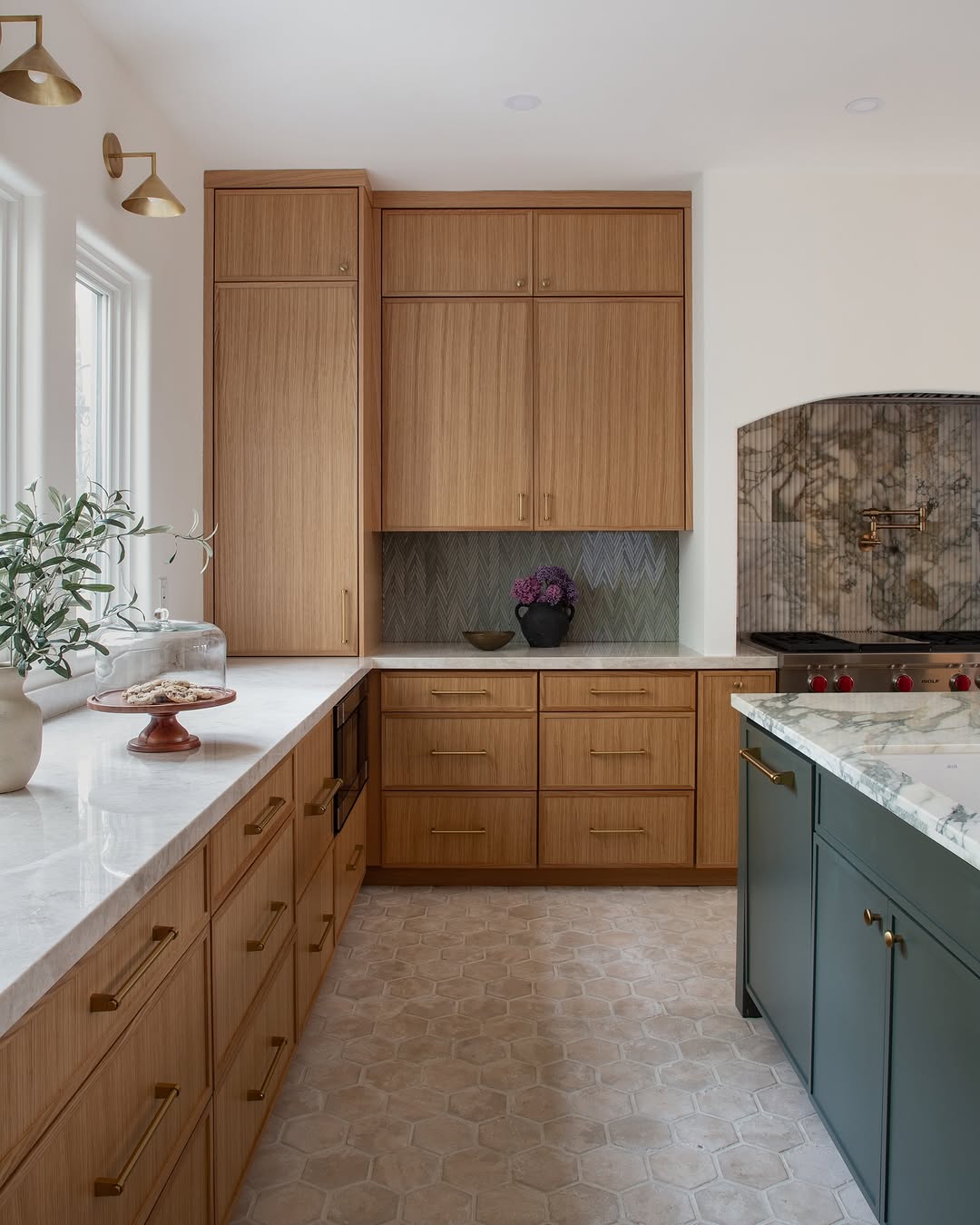
The same attention to detail that makes a bathroom feel finished also pays off in kitchen upgrades, where cabinetry quality drives buyer perception across the entire home.
What makes a bathroom look cheap is flimsy cabinetry, visible particleboard, mismatched hardware, poor grout lines, peeling laminate surfaces, and plastic or hollow-feeling fixtures. The vanity is the largest visual element in most bathrooms, so a low-quality vanity pulls down the look of the entire room.
Builder-grade vanities made from thin particleboard with a cheap laminate top often show wear within just a few years. Doors warp, edges chip, and the surface stains easily. Pairing a low-end vanity with a nice countertop or expensive tile creates a mismatch that makes the quality gap even more obvious.
Good lighting also plays a role. A bathroom with a single overhead bulb and no task lighting near the mirror looks flat and uninviting regardless of how nice the vanity is. Thoughtful task lighting around the vanity area brings out the beauty of the cabinetry, countertop, and fixtures while making daily grooming easier.
The colors that make a room look bigger are soft whites, light grays, pale blues, and warm off-whites. Light colors reflect more natural and artificial light, which makes walls feel like they are pushing outward rather than closing in. In a bathroom, where square footage is often tight, color choice makes a noticeable difference in how spacious the room feels.
Painting the walls a soft white and choosing a light-toned vanity creates an airy, open feeling, even in a 5-by-8-foot bathroom. Mirrors amplify this effect by bouncing light around the room. A single vanity in a light finish paired with a large mirror can make a small bathroom feel twice its size.
For homeowners who want warmth without darkness, warm off-whites and pale creams are the safest choices. These tones pair well with both single and double vanities and work across traditional, transitional, and modern design styles.
Deciding between a single and double vanity starts with three questions: how wide is your bathroom, how many people use it daily, and what matters more to you, open floor space or counter and storage space.
If your bathroom is under 60 inches wide, a single vanity is your only practical option. If it is 60 inches or wider but you prefer a larger shower or a freestanding tub, a single vanity preserves that flexibility. If it is 72 inches or wider and two people share the room, a double vanity is almost always the stronger choice for daily comfort and resale value.
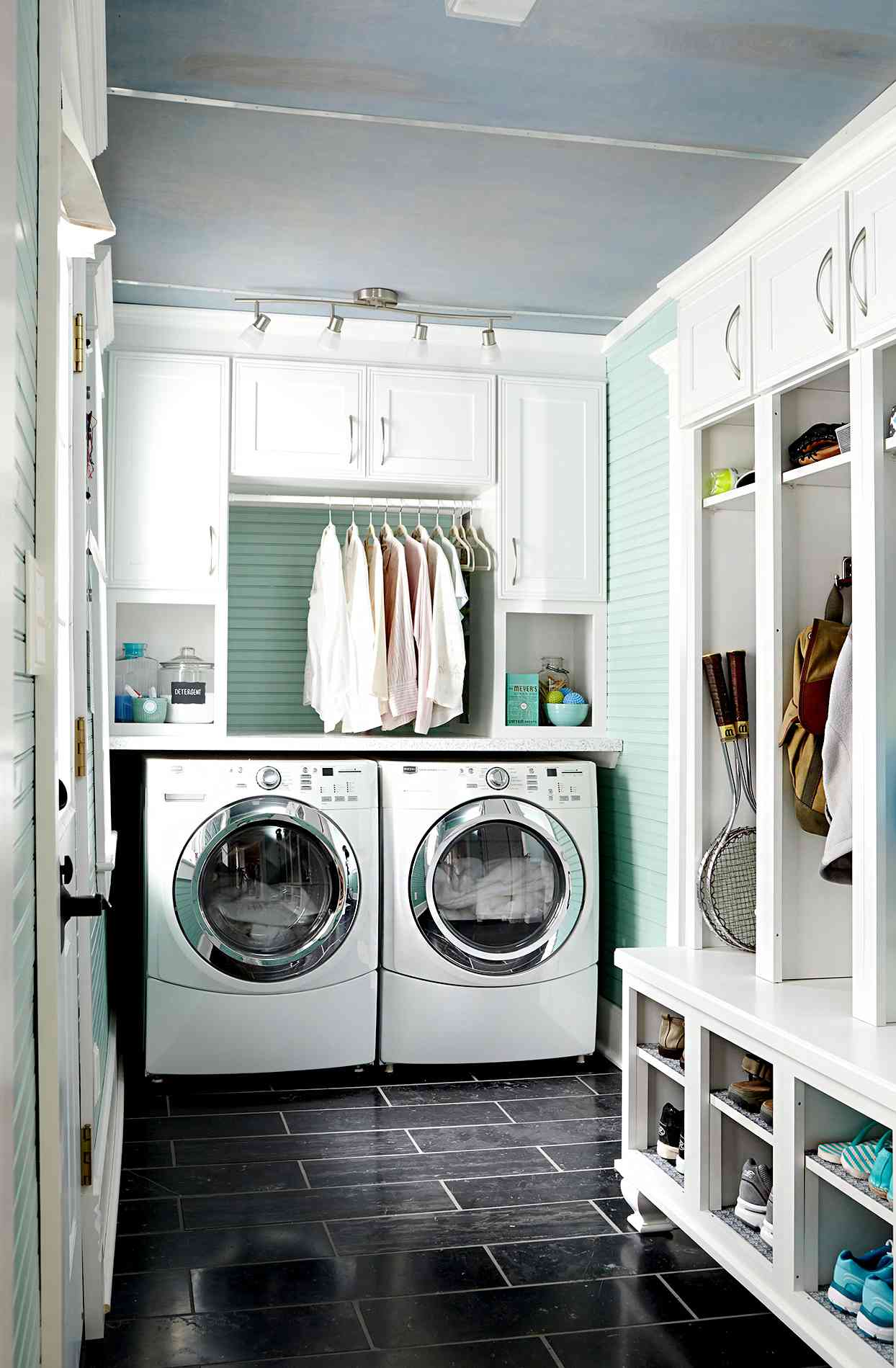
We always suggest having a professional measure your space before making a final decision. A trained designer can show you exactly how each layout fits, where the plumbing connections fall, and what storage options are possible at each size. Custom vanities are built to your exact specifications, which means you are not stuck choosing between standard sizes that may leave gaps or waste space. Homeowners who want the same precision in other rooms often carry that approach into their laundry room cabinetry as well.
Yes, you can replace a single vanity with a double vanity if your bathroom has enough wall width and if plumbing can be extended or relocated. The project usually requires adding a second drain line, a second supply line, and possibly moving existing pipes. A professional installer can assess your bathroom and tell you exactly what the upgrade involves.
The standard width for a double vanity is 60 to 72 inches. A 60-inch double vanity is the minimum size that comfortably fits two sinks, giving each person about 30 inches of personal space. A 72-inch vanity adds 16 to 20 inches of shared counter space between the sinks, which makes daily routines feel much less cramped.
No, you do not need two mirrors with a double vanity. One large mirror that spans the full width of the vanity works well and makes the bathroom feel wider. Two individual mirrors create a more defined, symmetrical look that separates each person's zone. The choice is a matter of style preference.
A floating vanity is better for making a small bathroom feel larger because the open floor space beneath it creates a sense of openness. A freestanding vanity is better for maximizing storage because it sits on the floor and uses the full height of the cabinet. Floating vanities are growing at an estimated 15 to 20% in annual sales, according to industry tracking from NextDAY Cabinets. Homeowners who need a vanity at a specific height for comfort or mobility find that accessible cabinetry options work well in both floating and freestanding styles.
The best countertop material for bathroom vanities is quartz. According to Houghton Contracting, about 39% of homeowners now choose quartz for bathroom counters, making it the most popular option. Quartz is non-porous, stain-resistant, low-maintenance, and available in a wide range of colors and patterns that pair well with both single and double vanity designs.
What makes a room look classy is a combination of quality materials, a cohesive color palette, well-proportioned furniture, good lighting, and clean lines. In a bathroom, this means a well-built vanity with consistent hardware, a seamless countertop, a framed or backlit mirror, and fixtures that all share the same finish. Keeping the design simple and letting the materials speak for themselves creates a polished look that never goes out of style.
Single vanities and double vanities each solve different problems. A single vanity saves space, costs less, and works perfectly for bathrooms used by one person. A double vanity gives two people their own sink, more storage, more counter space, and a stronger resale position. The best choice depends on your bathroom's dimensions, who uses it every day, and what matters most to you.
If you want help figuring out which layout fits your space, Classic Cabinetry offers free in-home consultations with 3D design renderings so you can see your new vanity before a single cut is made. Give us a call at (256) 423-8727 to get started.