.avif)


.avif)


.avif)
How Much Does a Custom Mudroom Cost?
link desc
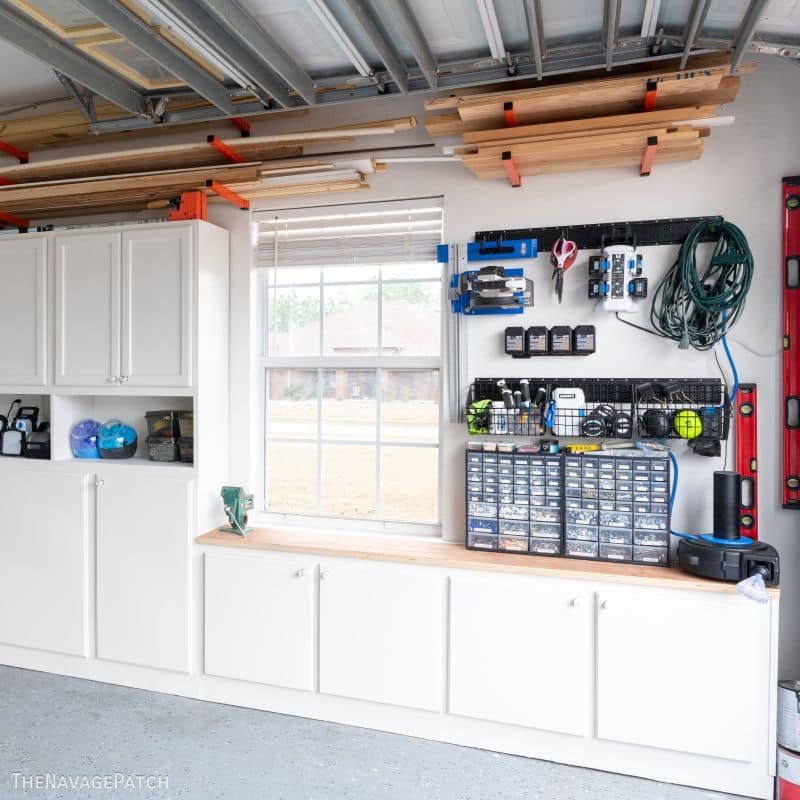


Metal garage cabinets resist moisture, pests, and heavy loads with minimal maintenance. Wood garage cabinets offer more customization, warmer aesthetics, and lower upfront cost. The right choice depends on what you store, the climate inside your garage, and how you want the space to look and function over the next 20 to 30 years. Garage cabinets represent the single largest segment of the storage market at 44.8% of total market share, according to Market.us, and the U.S. garage organization market reached USD 3.46 billion in 2024, according to Grand View Research. This guide compares metal and wood garage cabinets on durability, cost, weight capacity, maintenance, and resale value so you can choose the material that fits your garage and your goals.
The best material for garage cabinets is powder-coated steel when durability and moisture resistance are the top priorities, and 3/4-inch hardwood plywood when customization, aesthetics, and cost flexibility matter most. Each material solves a different set of problems in the garage environment.
Steel and aluminum dominate the commercial and industrial garage market because they resist water, pests, temperature swings, and heavy impact without degrading. Wood dominates the custom residential market because it can be cut to any dimension, stained or painted to match any style, and built with features like adjustable shelves, pull-out drawers, and soft-close hardware that metal systems often lack. A third option, high-density PVC or resin, resists moisture completely but holds less weight than either steel or plywood. Custom garage cabinets built from plywood combine the strength of solid wood construction with the finish flexibility that homeowners value most.
When evaluating garage cabinet materials, the key factors to weigh include:
Business Research Insights reports that 78% of homeowners store tools and equipment in their garages. Those tools need cabinets that handle their weight, protect them from moisture, and keep them organized. The material you choose determines how well the cabinets perform all three jobs over time.
A metal cabinet is better than wood for moisture resistance, pest immunity, and heavy industrial loads, while a wood cabinet is better for custom dimensions, aesthetic versatility, and cost-effective residential garage builds. Neither material is universally better; each wins in different categories.
FeatureMetal (Steel/Aluminum)Wood (Plywood/Hardwood)Weight Capacity per ShelfUp to 1,000 lbs (industrial steel)200-400 lbs (3/4" plywood)Moisture ResistanceHigh (powder-coated steel); very high (aluminum)Moderate (requires sealing)Pest ResistanceImmune (inorganic material)Vulnerable without treatmentCustomizationLimited to standard sizes and finishesUnlimited dimensions, stain, paint, profilesAestheticsIndustrial, modern, sleekWarm, traditional, residentialLifespan30-50+ years with minimal maintenance15-30 years with regular maintenanceUpfront CostHigher for quality steel systemsLower to moderate for plywood buildsMaintenanceWipe clean; minimal upkeepPeriodic sealing, refinishingDent/Scratch RiskDents and scratches in thin gaugesDings can be filled and refinishedThermal ConductivityHigh (cold to touch in winter)Low (natural insulator)
Sources: Inventive Garage (steel capacity: up to 1,000 lbs), Eagle Carports (lifespan: steel 30-50+ yrs, wood 15-30 yrs), Best In Show Garage (wood as natural insulator), Car Guy Garage (18-gauge steel minimum), Ceha Canada (total cost of ownership comparison)
Yes, metal garage cabinets are worth it when you need maximum durability, resistance to moisture and pests, and minimal long-term maintenance in a garage that experiences temperature extremes or high humidity. Ceha Canada found that a quality metal cabinet purchased once costs less over 10 years than replacing wood cabinets twice, because steel does not warp, swell, or rot in harsh garage conditions.
Metal cabinets excel in uninsulated garages where temperatures swing from below freezing to over 100 degrees Fahrenheit. The steel does not expand, contract, or degrade the way wood-based materials do under repeated thermal cycling. Powder-coated finishes carry warranties of 25 to 40 years on the panels, according to Steel Building Kit, which means the finish outlasts most homeownership periods. Lockable metal cabinets also provide superior security for valuables, power tools, and hazardous materials that need restricted access. Humidity-resistant cabinet materials matter most in garages where concrete floor sweating and seasonal humidity create a persistently damp environment.
The disadvantages of metal cabinets are higher upfront cost, susceptibility to dents and scratches in thin-gauge steel, a cold industrial aesthetic that may not match residential interiors, and limited custom sizing compared to wood.
Thin-gauge metal (20-gauge and above) dents on impact from dropped tools, bumped ladders, and shifting heavy items. Scratches through the powder coat expose bare steel to oxidation, which leads to rust spots in humid garages. Metal cabinets also conduct heat and cold; touching a steel cabinet door in a 20-degree garage feels noticeably colder than touching a wood door. Homeowners who want their garage to feel like an extension of the house rather than an industrial shop often find that metal's aesthetic falls short. Cabinet maintenance for metal involves touching up scratches with matching spray paint before rust forms, which is simpler than wood refinishing but still required in high-use environments.
Yes, you can put wood cabinets in a garage when the wood is moisture-resistant (plywood or marine-grade plywood), all exposed edges are sealed, and the cabinets are mounted off the floor to prevent direct contact with concrete moisture. Wood cabinets perform well in garages when they are built for the garage environment rather than simply moved from a kitchen or bedroom.
The key to wood cabinet success in a garage is material selection and finish protection. Standard MDF and particleboard fail in garages because both absorb moisture and swell. Plywood's layered construction resists warping and holds screws better than solid panels under humidity stress. Sealing all cut edges with polyurethane or edge banding prevents moisture from wicking into the end grain, which absorbs water 10 to 15 times faster than face grain. Garages across north Alabama experience summer humidity that regularly exceeds 70%, making sealed plywood the minimum acceptable substrate for any wood cabinet installation in an uninsulated garage. Cabinet materials rated for high-moisture rooms like laundry rooms apply the same moisture-barrier principles to garage installations.
The best wood for garage cabinets is 3/4-inch birch or maple plywood for cabinet boxes and shelves, with poplar or MDF doors for painted finishes and hardwood doors (oak, maple) for stained finishes. Birch plywood offers the strongest combination of moisture resistance, screw-holding strength, and cost efficiency among commonly available sheet goods.
Marine-grade plywood adds waterproof adhesive between veneers, making it the top choice for garages in flood-prone areas or regions with extreme humidity. The tradeoff is cost; marine-grade plywood runs roughly twice the price of standard birch plywood. For most residential garages, standard 3/4-inch birch plywood with sealed edges and a quality paint or lacquer finish provides 20 to 30 years of reliable service. Kitchen cabinets use the same birch plywood construction for box frames, and the material's proven performance in daily-use kitchens translates directly to garage applications.
Steel for garage cabinets should be at least 18-gauge (0.048 inches thick) for residential use and 16-gauge (0.060 inches) for heavy-duty workshop applications. Car Guy Garage confirms that 18-gauge steel is the minimum recommended thickness for cabinets that need to withstand regular tool storage, door opening and closing, and occasional impact from garage activities.
The gauge numbering system works in reverse: the lower the gauge number, the thicker and stronger the steel. A 20-gauge cabinet (0.036 inches) dents under moderate impact and bends when loaded heavily. A 16-gauge cabinet resists those same forces and supports heavier shelf loads. Checking the gauge before purchasing prevents the regret of buying a cabinet that looks strong in the store but buckles under real-world garage use. Garage cabinetry specifications should always list the steel gauge or the plywood thickness so the homeowner knows exactly what they are getting.
Steel garage cabinets last 30 to 50 years or more with minimal maintenance. Plywood garage cabinets last 15 to 30 years with periodic sealing and refinishing. Particleboard cabinets last 5 to 10 years in a typical garage environment before moisture damage causes failure. Eagle Carports and Ceha Canada both confirm the significant lifespan gap between metal and wood-based garage storage.
The lifespan difference narrows when wood cabinets are built with high-quality materials and properly maintained. A 3/4-inch plywood cabinet with sealed edges, a lacquer finish, and wall-mounted installation away from floor moisture can approach the 25-to-30-year mark without structural degradation. The lifespan gap widens when budget wood cabinets (particleboard or thin MDF) are placed directly on a damp concrete floor without any moisture protection. Material quality at the time of purchase determines whether you replace the cabinets in 8 years or enjoy them for 25.
Yes, garage cabinets should be off the floor, either wall-mounted or raised on legs, because concrete garage floors "sweat" when warm humid air contacts the cool slab, and that condensation pools at the base of anything sitting directly on the surface. Raising cabinets 4 to 6 inches above the floor eliminates direct contact with moisture and makes sweeping and mopping underneath easy.
Wall-mounted cabinets free the floor completely, which allows vehicles to park directly underneath and keeps the garage floor clear for projects. The wall-mounting process follows a clear sequence:
Custom closets use the same wall-mount hardware, and the engineering transfers directly to garage applications where floor clearance protects both the cabinets and the contents inside.
A good height for garage cabinets is 72 to 84 inches for full-height floor-standing units, 54 to 72 inches for wall-mounted upper cabinets (measured from the floor to the top of the cabinet), and 18 to 24 inches of clearance between the bottom of a wall cabinet and the countertop or workbench surface below.
Wall cabinets mounted with their bottom edge at 54 inches above the floor leave room for a 36-inch workbench surface below plus the 18-inch gap that provides access to items on the bench. Upper cabinets should stop at least 12 inches below the ceiling to allow airflow and prevent the garage from feeling closed in. The top shelf of any cabinet above 72 inches becomes difficult to reach without a step stool, so reserve that shelf for seasonal or rarely accessed items.
Garage cabinets should be a color that hides scuffs and dirt while keeping the space bright; charcoal gray, slate blue, black, and warm white are the most popular garage cabinet colors because they balance durability with visual appeal.
Dark cabinets (black, charcoal, navy) hide grease stains, hand marks, and tool scuffs better than light colors. Light cabinets (white, light gray) make the garage feel larger and brighter but show every mark. A two-tone approach, with dark lower cabinets and lighter upper cabinets, combines the practical benefits of both. Metallic silver and graphite finishes give steel cabinets a professional automotive-shop look that appeals to car enthusiasts. Laundry room cabinets follow the same light-upper, dark-lower color logic for the same practical reason: the surfaces that take the most daily contact hide wear better in darker finishes.
Yes, garage cabinets increase home value by making the garage look organized, functional, and move-in ready. The Angi 2025 Home Report found that homes with custom built-in storage sell 20% faster and command 10% to 15% higher prices than comparable homes without them. Curbio and HomeAdvisor data shows garage additions return 64% to 81% of their cost at resale.
The value increase comes from buyer perception. A garage with custom cabinets, a clean floor, and labeled storage communicates that the homeowner maintained the property with care. Buyers evaluate garages with the same scrutiny they apply to kitchens and bathrooms, especially in markets where two-car garages are standard. The NAHB reports that 65% of new U.S. homes are built with two-car garages, and those buyers expect the garage to function as usable space, not just a parking bay. Home value increases further when the cabinet system uses quality materials and professional installation that appraisers recognize as a permanent improvement.
The choice between metal and wood does not significantly affect resale value. What matters is that the cabinets are installed, organized, and in good condition. Garage storage systems that look intentional and permanent generate stronger buyer responses than loose shelving and plastic bins regardless of the cabinet material.
Yes, metal garage structures and cabinets last longer than wood equivalents. Steel cabinets last 30 to 50 years or more with minimal maintenance, while wood cabinets last 15 to 30 years with periodic sealing and refinishing, according to Eagle Carports and Ceha Canada. The lifespan advantage reflects steel's immunity to moisture absorption, pest damage, and warping under temperature swings.
The best type of cabinet for a garage depends on your priorities. Steel cabinets are best for maximum durability, moisture resistance, and minimal maintenance. Plywood cabinets are best for custom sizing, aesthetic warmth, and cost flexibility. Aluminum cabinets are best for garages that experience frequent water exposure because aluminum does not rust. High-density PVC cabinets are best for wet zones near utility sinks or wash stations.
Building garage cabinets from plywood is cheaper in materials but requires woodworking skills, tools, and time. Buying prefabricated steel or RTA (ready-to-assemble) cabinets costs more in product price but saves on labor time and eliminates the risk of construction errors. Custom-built wood cabinets from a professional cabinetmaker cost the most upfront but deliver exact-fit dimensions, integrated features, and a finished look that prefabricated units cannot match.
Yes, garage cabinets are worth the investment. The Angi 2025 survey found that 72% of buyers ranked built-in storage among the top three features influencing their purchase decision. Organized garage storage protects tools and equipment, reduces daily search time, and creates usable floor space for vehicles and projects. The cost of cabinets is recovered through daily convenience and long-term resale value.
Yes, you can mix metal and wood in the same garage. A common approach uses steel base cabinets for heavy tool storage along the lower wall and wood upper cabinets for lighter supplies and display items. The steel handles the weight and moisture at floor level while the wood provides the custom sizing and aesthetic warmth above the workbench. Matching the finish color (both in charcoal, for example) ties the two materials into a cohesive look.
Protect wood cabinets in a garage by sealing all exposed edges with polyurethane or edge banding, mounting the cabinets off the floor (wall-mounted or on legs), maintaining a gap of 1 to 2 inches between the cabinet back and the exterior wall for airflow, and running a dehumidifier to keep ambient humidity below 50%. A moisture barrier such as closed-cell foam or plastic sheeting between the cabinet base and any surface it touches adds another layer of protection against concrete sweating.
Metal garage cabinets deliver superior durability, moisture resistance, and long-term lifespan for homeowners who want a low-maintenance, heavy-duty storage system. Wood garage cabinets deliver superior customization, warmer aesthetics, and lower upfront cost for homeowners who want their garage to feel like an extension of their home. Both materials increase home value when installed professionally and maintained properly. With the U.S. garage organization market projected to reach USD 6.71 billion by 2033, homeowners are investing more in garage storage than ever before, and the material decision is the first and most important choice in the process.
At Classic Cabinetry, we design and build custom wood garage cabinets for homeowners across north Alabama and middle Tennessee. If you are ready to organize your garage with cabinets built to fit your space and your tools, call us at (256) 423-8727 for a free consultation.