.avif)


.avif)


.avif)
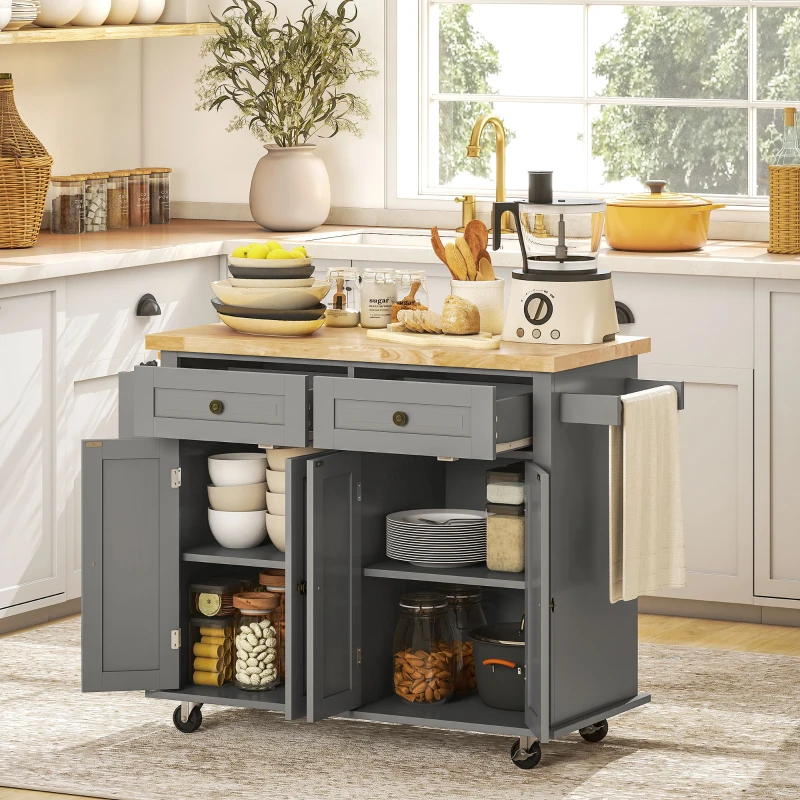
Kitchen Island Cabinet Ideas for Extra Storage
link desc
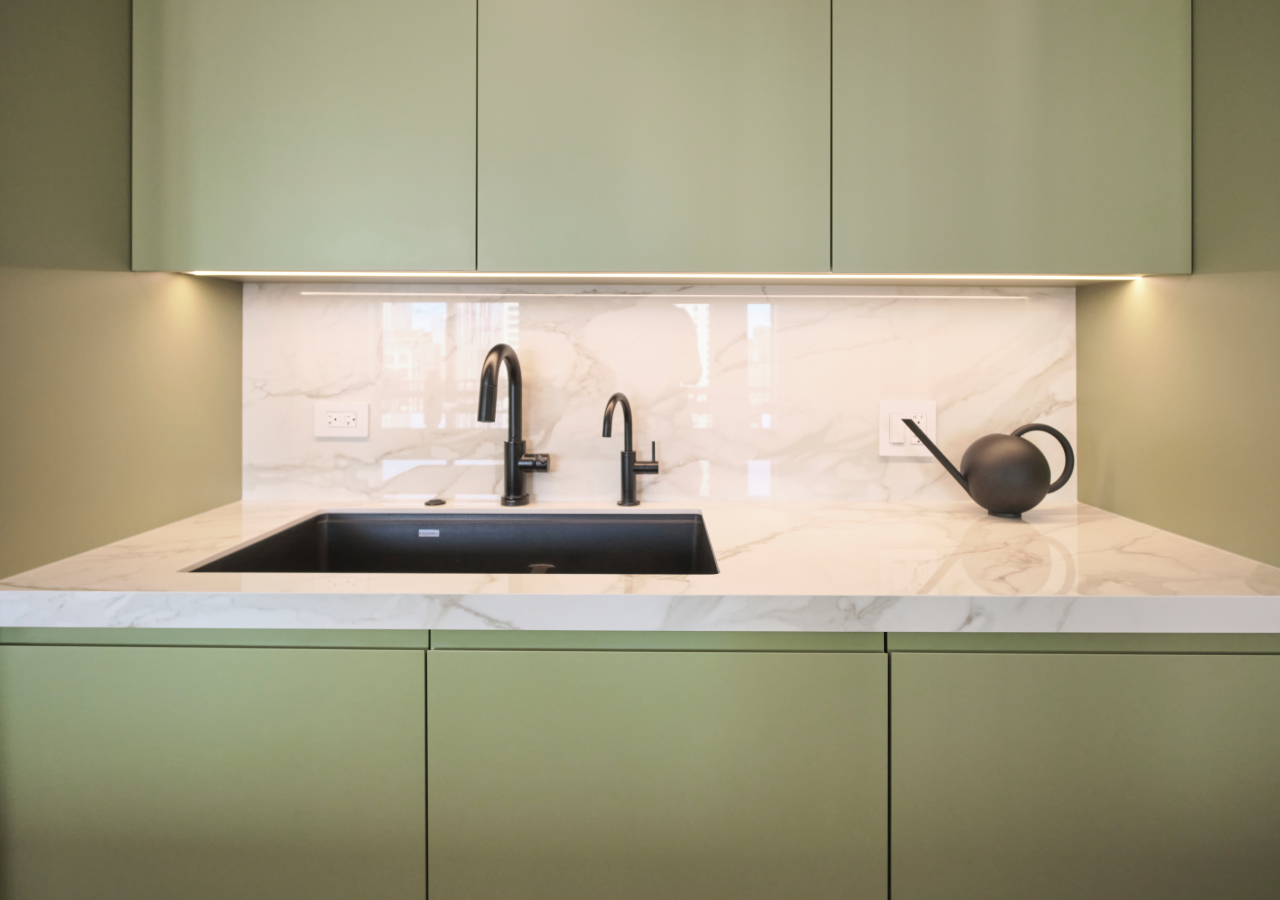


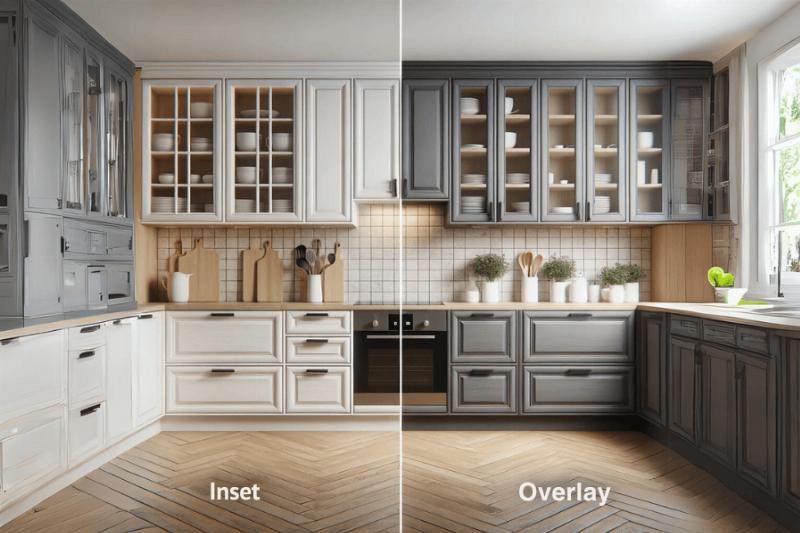
You save money on custom kitchen cabinets without sacrificing quality by choosing paint-grade materials over stain-grade hardwood, selecting a simple door style like shaker, reducing the number of drawers in favor of door-and-shelf combinations, and investing in quality hardware where it matters most. Cabinets consume over 50% of the average kitchen remodel budget, according to Bailey's Quality Homes, which means even small material and design decisions produce hundreds or thousands of dollars in savings. This guide breaks down what drives cabinet costs, where to cut without regret, where to invest for long-term value, and how to budget the entire project so the numbers work before the first board is cut.
Custom kitchen cabinets are expensive because every component, from the wood species to the door profile to the drawer slides, is selected and built to order for a single kitchen's exact dimensions. That per-project engineering, material procurement, and handcrafted assembly produces a product that stock and semi-custom cabinets cannot match in fit, finish, or longevity.
HomeAdvisor reports that custom cabinets cost $500 to $1,200 per linear foot in 2025, with the average full-kitchen project running $7,468. The price reflects four cost layers: material (wood species, sheet goods, hardware), labor (cutting, assembly, finishing, installation), complexity (drawer count, specialty inserts, non-standard sizes), and finish type (stain vs. paint, number of coats, lacquer vs. conversion varnish). Each layer offers specific opportunities to save without downgrading the result.
Understanding these cost layers is the first step toward custom kitchen cabinets that fit your vision and your budget simultaneously. A cabinetmaker who explains the cost breakdown openly helps you make informed tradeoffs rather than blind cuts.
Semi-custom cabinets save more on upfront cost, while custom cabinets deliver more value per dollar in kitchens with non-standard dimensions, unusual layouts, or specific storage needs that semi-custom options cannot address. The right choice depends on how standard your kitchen's measurements are.
Semi-custom cabinets offer a middle ground between stock and fully custom. They come in fixed width increments (typically 3-inch steps) with a selection of door styles, finishes, and interior options. Kitchen Search reports semi-custom pricing at $150 to $650 per linear foot installed, compared to $500 to $1,200 for fully custom. That gap narrows quickly when filler strips, odd-angle solutions, and non-standard heights are needed to make semi-custom units fit a kitchen that was not built on standard dimensions.
FeatureStock CabinetsSemi-Custom CabinetsCustom CabinetsCost per Linear Foot$100-$300$150-$650$500-$1,200+Size OptionsFixed standard sizes3-inch width incrementsAny dimension to 1/16"Door Styles5-10 options20-50 optionsUnlimitedWood Species1-3 options5-10 optionsUnlimitedInterior AccessoriesBasic shelvesPull-outs, lazy SusansFully customized insertsLead TimeDays to 2 weeks3-6 weeks6-12 weeksBest ForRentals, quick updatesStandard kitchens on a budgetNon-standard layouts, full control
Sources: HomeAdvisor (custom pricing: $500-$1,200/LF), Kitchen Search (semi-custom: $150-$650/LF), Hammer & Handsaw (stock: $100-$300/LF), Quality Custom Cabinetry (tier comparison)
A cabinet tier comparison helps you decide where custom is necessary (the island, the corner, the pantry tower) and where semi-custom fills the gap at a lower price. Mixing tiers in the same kitchen is one of the most effective savings strategies available.
The cheapest style of kitchen cabinet is the shaker door, which features a flat center panel surrounded by a simple four-piece frame with no applied moldings, arches, or carved details. Shaker cabinets cost less to manufacture because the door requires fewer machining steps and less material than raised-panel, beadboard, or cathedral-arch alternatives.
Slab-front doors (flat, frameless panels with no visible frame) run even cheaper in materials but require precision edge finishing to look clean. A single visible seam or chip ruins the minimalist effect. Shaker doors forgive minor imperfections because the frame detail draws the eye away from the panel. For most homeowners, shaker delivers the best balance between low cost, visual appeal, and long-term style durability. We build more shaker-profile kitchen cabinet designs than any other style because the profile works in traditional, transitional, and modern kitchens without looking dated.
Paint-grade cabinets are cheaper than stain-grade cabinets because paint-grade construction uses less expensive wood species (poplar, soft maple, MDF) that are hidden under an opaque paint finish, while stain-grade requires premium hardwoods (cherry, walnut, white oak) with visible grain that must be flawless.
The savings are significant. Paint-grade MDF doors cost 20% to 40% less than stain-grade hardwood doors of the same size and profile. MDF machines cleanly, accepts paint without grain telegraphing, and provides a perfectly smooth surface that solid wood cannot match without extensive sanding. The tradeoff is weight and moisture sensitivity; MDF weighs more per panel and swells if exposed to standing water. For kitchens with normal use and proper ventilation, paint-grade MDF performs well for decades. Material selection that matches the finish plan to the substrate eliminates waste and keeps the budget focused on what shows.
The cheapest wood for kitchen cabinets is poplar for paint-grade applications and oak for stain-grade applications. Poplar grows abundantly in the eastern United States, mills easily, and accepts paint finishes without blotching. Oak is the most widely available domestic hardwood, which keeps its price below cherry, walnut, and white oak quarter-sawn stock.
Birch plywood is the most cost-effective sheet good for cabinet boxes (the sides, top, bottom, and shelves). Birch plywood's layered construction resists warping, holds screws well, and costs roughly half as much as maple or walnut plywood. A hybrid construction approach, pairing birch plywood boxes with poplar or MDF doors, produces a cabinet that looks fully custom on the outside while saving 15% to 25% on materials compared to an all-hardwood build. Homeowners across north Alabama frequently choose this hybrid approach because it delivers the visual result of solid hardwood at a fraction of the material cost. Kitchen cabinetry built with this hybrid method holds up to daily use for 20 to 30 years with proper care.
Yes, fewer drawers are significantly cheaper than more drawers because each drawer requires a separate box, a face, a pair of slides, and additional assembly labor that a door-and-shelf combination does not. Raleigh Woodworks, a custom cabinet firm, identifies drawers as one of the most expensive components in cabinetry.
A single base cabinet opening fitted with a door, a fixed shelf, and an adjustable shelf costs a fraction of what the same opening costs when fitted with three or four drawer tiers. Ball-bearing, full-extension, soft-close drawer slides run $15 to $30 per pair. A four-drawer base cabinet uses four pairs ($60-$120 in slide hardware alone), plus four drawer boxes, four drawer faces, and the labor to build, fit, and install each one. Replacing two of those four drawers with a single door-and-shelf combination cuts the hardware, material, and labor cost for that cabinet by roughly half.
The key is placing drawers where they add the most daily value. Drawers next to the stove for utensils and near the sink for dish towels earn their cost every morning. Drawers in a far corner or next to the refrigerator see less use and can be replaced with doors and pull-out shelves at lower cost. Bathroom cabinets use the same drawer-vs-door logic, and the savings principle applies across every room in the house.
Invest in quality drawer slides, durable hinges, solid plywood box construction, and professional installation because these four elements determine how the cabinets perform every day for the next 20 to 30 years. Cutting corners on hardware or installation creates problems that cost more to fix than they saved.
The items worth the investment include:
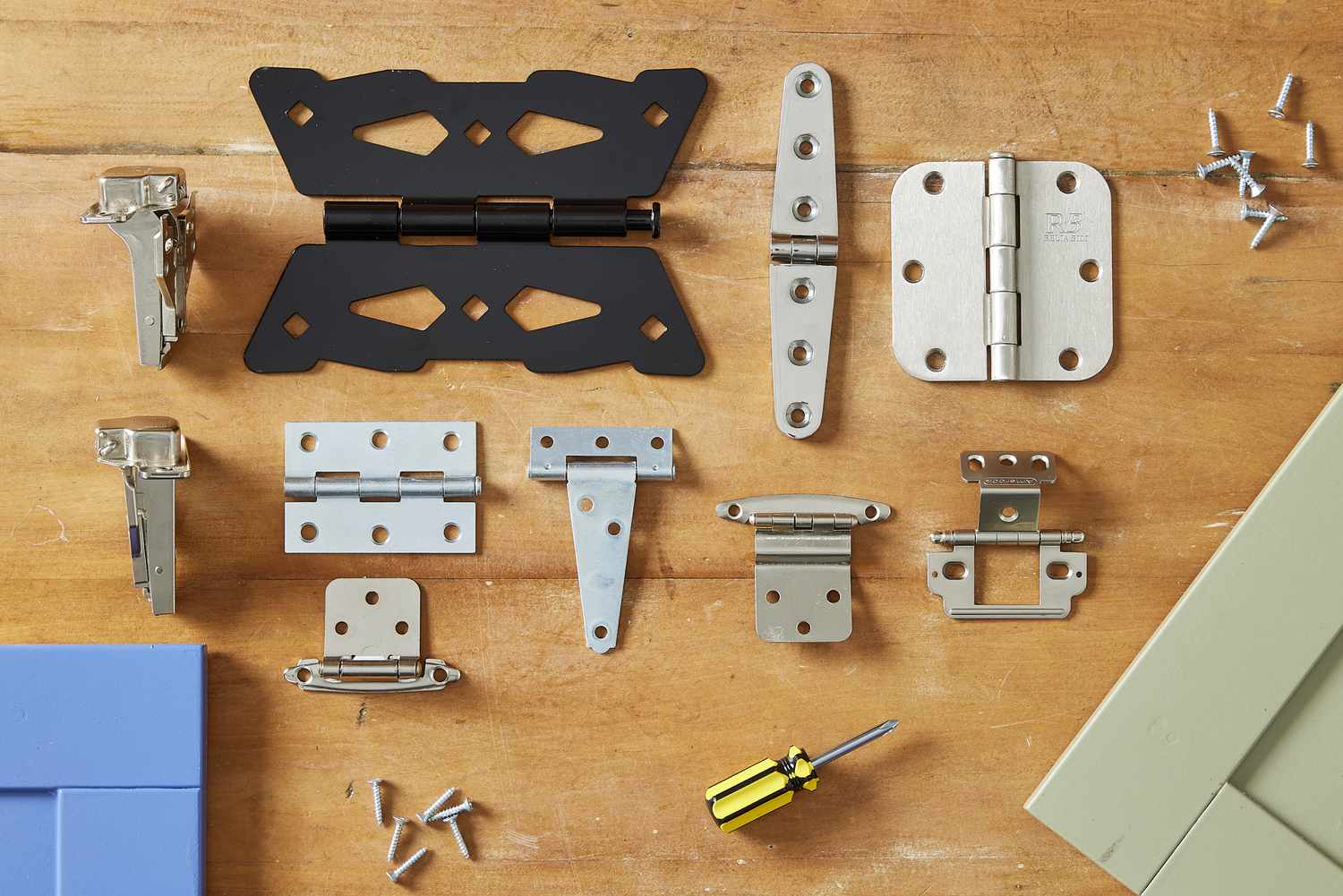
Cheap hardware fails first. A $2 hinge that loosens after 10,000 cycles causes a door to sag, scrape the frame, and eventually crack the finish. A $6 soft-close hinge rated for 100,000+ cycles lasts the life of the cabinet. The $4 difference per hinge across 30 hinges in a kitchen is $120 total, which is the cheapest insurance against the most visible cabinet failure. Custom closets depend on the same soft-close hardware for daily durability, and the quality gap between budget and premium hinges shows up within the first year.
Budget for custom kitchen cabinets by allocating 30% to 40% of your total kitchen remodel budget to cabinetry, then working with a cabinetmaker to value-engineer the design so the scope matches the number. The 2025 Cost vs. Value Report by Zonda and JLC found that a minor midrange kitchen remodel recoups approximately 96% of its cost at resale, making kitchen cabinets one of the strongest investments in a home.
The budgeting process follows a clear sequence:
A cabinet cost breakdown from your cabinetmaker should separate material, labor, hardware, and finish into distinct line items. That transparency lets you see exactly where each dollar goes and where substitutions produce the biggest savings.
Yes, $10,000 is enough for a kitchen remodel that focuses on cabinet refacing, new hardware, a fresh coat of paint, and updated lighting, but it is not enough for a full custom cabinet replacement in most kitchens. HomeAdvisor data shows the average custom cabinet project alone costs $7,468, which leaves little room for countertops, flooring, and appliances within a $10,000 total budget. A $10,000 remodel works best as a cosmetic refresh that updates the look without replacing the cabinet boxes.
Yes, $30,000 is enough for a kitchen remodel with semi-custom or selectively custom cabinets, new countertops, updated hardware, and modest appliance upgrades. Allocating 35% of a $30,000 budget to cabinetry gives you $10,500, which falls within the semi-custom range of $150 to $650 per linear foot for a standard 20-linear-foot kitchen. Upgrading key zones (the island, the pantry tower) to fully custom while keeping perimeter cabinets semi-custom stretches the $30,000 budget across the entire kitchen without sacrificing the areas you use most. Buy vs. build analysis at this budget level usually favors custom or semi-custom over stock because the fit, finish, and longevity justify the premium.
Yes, custom kitchen cabinets increase home value because the kitchen is the most scrutinized room in any home sale, and quality cabinetry signals to buyers that the home has been maintained and upgraded with care. The 2025 Cost vs. Value Report confirms that a minor midrange kitchen remodel, which includes cabinet refacing and hardware upgrades, recoups 96% of its cost at resale. That is the highest interior ROI of any remodeling project tracked in the report.
The Angi 2025 Home Report found that homes with custom built-in storage sell 20% faster and command 10% to 15% higher prices than comparable homes without them. Cabinet Corp reports that 78% of homeowners cite improved storage as their top remodeling priority. Custom cabinets deliver that storage with precision fit, premium hardware, and a finished look that stock cabinets cannot replicate. Home value increases most when the cabinetry matches the home's overall quality tier.
The resale payoff extends beyond the kitchen. Pantry cabinetry, bathroom vanities, and closet systems all contribute to the same buyer impression: this home was built and maintained with quality materials and professional craftsmanship.
Save money on custom cabinets by choosing a shaker or slab door style, using paint-grade MDF or poplar instead of stain-grade hardwood, reducing the number of drawers in favor of doors with pull-out shelves, using birch plywood for cabinet boxes, and finalizing all hardware selections before production begins to avoid change-order fees. Working with a cabinetmaker who offers value engineering helps you find the savings that matter most for your kitchen and your budget.
RTA (ready-to-assemble) cabinets range from low quality to surprisingly good depending on the manufacturer. High-quality RTA cabinets feature plywood boxes, dovetail drawer joints, and soft-close hardware, delivering performance comparable to pre-assembled semi-custom units at 30% to 50% lower cost. Budget RTA cabinets use particleboard and cam-lock joints that loosen over time. Inspecting the box material and hardware before purchasing separates good RTA from disposable RTA.
The most affordable cabinet material is melamine-coated particleboard for the cabinet box and MDF for the door. Melamine provides a smooth, wipe-clean surface at the lowest cost per square foot. The limitation is durability; particleboard swells when exposed to moisture, and melamine chips at the edges over time. Upgrading to plywood boxes with MDF doors adds 15% to 25% to the material cost but doubles the expected lifespan.
Custom kitchen cabinets built with plywood boxes, solid wood or MDF doors, and quality hardware last 25 to 50 years with normal use and periodic maintenance. Stock cabinets with particleboard construction typically last 10 to 15 years before shelves sag and joints loosen. The longevity difference means custom cabinets cost less per year of service than budget cabinets that need replacing in half the time.
Buy cabinets from a local shop or cabinetmaker when you need exact-fit custom dimensions, professional installation, and a warranty backed by a local business. Buy online when you need standard-size RTA cabinets for a straightforward layout and plan to assemble and install them yourself. Local shops offer design consultation, measurement verification, and post-installation support that online retailers cannot match.
Yes, you can mix cabinet types in one kitchen to save money. Use fully custom cabinets for high-visibility zones like the island, range wall, and pantry tower where precise fit and premium details matter most. Use semi-custom cabinets for standard runs of upper and lower perimeter cabinets where fixed-width increments fit without filler strips. Matching the door style and paint color across both types creates a cohesive look at a blended price point.
Saving money on custom kitchen cabinets does not mean settling for less. It means knowing where each dollar goes and making deliberate choices about materials, door styles, drawer counts, and hardware that reduce cost without reducing the quality of the finished kitchen. Paint-grade materials, shaker doors, hybrid construction, and strategic drawer placement produce real savings that add up to thousands of dollars across a full kitchen. The 2025 Cost vs. Value Report confirms that even a minor kitchen remodel recoups 96% of its cost at resale, which means the money you spend on quality cabinets comes back when you sell.
At Classic Cabinetry, we help homeowners across north Alabama and middle Tennessee build kitchen cabinets that match their vision and their budget. If you are planning a kitchen project and want to see where your dollars can go the furthest, call us at (256) 423-8727 for a free consultation.