.avif)


.avif)


.avif)
How Much Does a Custom Mudroom Cost?
link desc
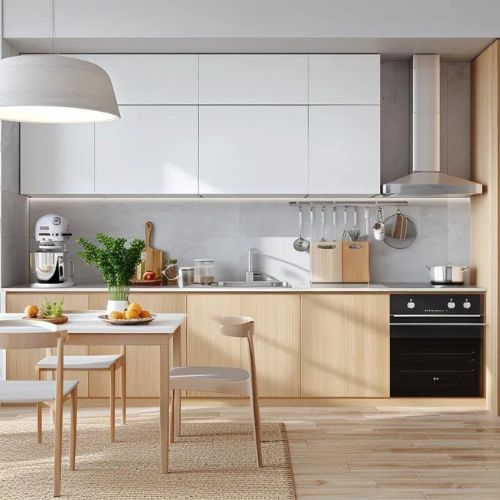


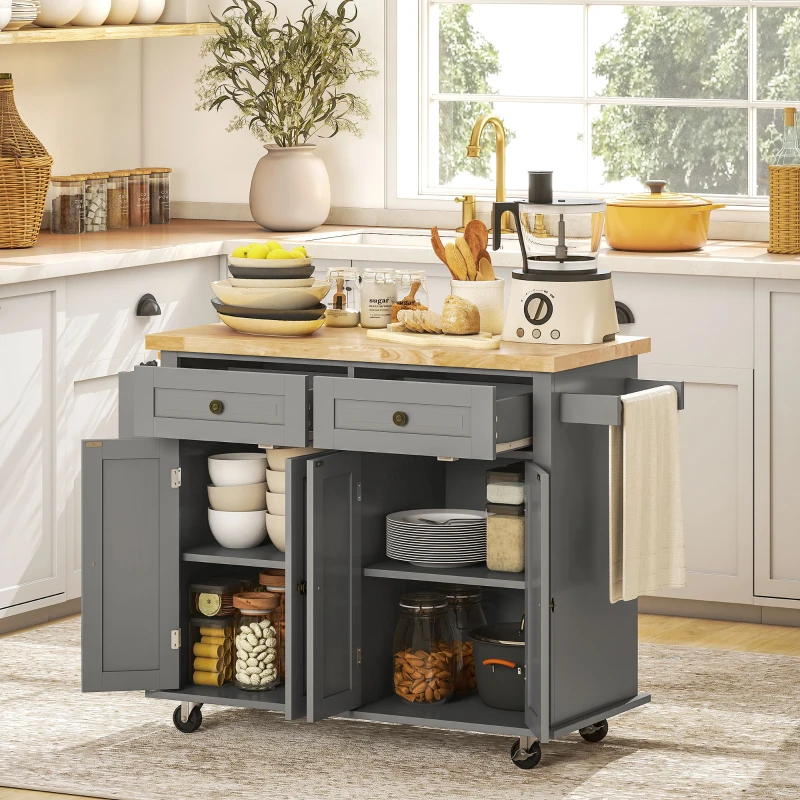
You Can Use vertical space in Kitnchen by adding extra shelves, using tall dividers, or installing wall-mounted racks. Stackable bins and shelf risers help utilize the height inside cabinets. This keeps items organized, visible, and accessible especially in small kitchens with limited footprint.
Most kitchens only use 60% of their wall height for storage. The other 40% sits empty above cabinets and counters. That wasted space could hold dishes, food, and cooking tools used every day.
Research shows the average American home contains 300,000 items. Studies reveal 54% of Americans feel overwhelmed with clutter in their homes. The kitchen becomes the biggest problem area because homeowners try to fit too much into small spaces.
Kitchen storage problems create real costs for families. Poor organization leads to buying duplicate items because people cannot find what they already own. Food waste increases when items get buried behind other products in deep cabinets. Time waste happens daily as family members search for basic cooking tools and ingredients.
Poor kitchen storage costs Americans an average of $100 monthly for storage units. When kitchens lack good storage, homeowners face several expenses:
The self-storage industry generates $37.5 billion annually from Americans storing excess belongings. Many storage unit renters are homeowners with garages and attics who still need more space for kitchen overflow items.
Vertical storage fixes these problems by using existing wall space. Homeowners can access 40% more storage capacity without expanding their kitchen footprint or renting external storage.
Wall-mounted shelves are the easiest way to add vertical storage in any kitchen. These shelves attach directly to wall studs and hold everyday items at convenient heights.
Wall shelves work best for frequently used items like spice jars, coffee mugs, cooking oils, and recipe books. The key is placing shelves at the right height for easy access without blocking sight lines or interfering with cooking tasks.
Optimal Wall Shelf Heights:
Professional installation costs $50-150 per shelf including materials and labor. DIY installation costs $20-40 per shelf for materials only. Wall shelves support 15-30 pounds per linear foot depending on bracket quality and wall attachment method.
Floating shelves create clean, modern storage that makes items visible at eye level. These shelves mount with hidden brackets that create a streamlined appearance without visible support hardware.
Floating shelves work particularly well in small kitchens because they don't add visual weight to walls. The clean lines help spaces feel larger and more open compared to traditional bracketed shelves.
Installation locations include areas around windows for herb gardens, above sinks for dish drying, and next to stoves for cooking essentials. The hidden mounting system requires precise installation but creates professional results.
Floating shelves cost $30-80 each for quality materials. Professional installation adds $40-60 per shelf. Weight capacity ranges from 20-50 pounds per shelf depending on mounting hardware and wall construction.
Pegboard systems let you hang pots, pans, and tools exactly where you need them most. These perforated panels accept moveable hooks and accessories that adapt to changing storage needs.
Pegboards offer maximum flexibility for tool organization. Hooks, baskets, and shelves can be repositioned without new holes or mounting points. This adaptability works well for cooks who frequently change their tool collections or cooking styles.
Modern pegboard materials include metal, wood, and composite options that match kitchen decor. Colors range from basic white and black to custom painted finishes that coordinate with cabinet colors.
Installation costs $100-300 for a full wall pegboard system including panel, mounting hardware, and basic accessories. Individual panels cost $40-120 depending on size and material quality.

Floor-to-ceiling cabinets add the most vertical storage space possible in kitchens. These extended cabinets capture the 12-24 inches typically wasted above standard 30-inch wall cabinets.
Upper cabinet sections store items used less frequently like holiday serving pieces, large mixing bowls, and seasonal appliances. While step stools are needed for access, the storage capacity gain justifies the slight inconvenience.
Floor-to-ceiling cabinets also create a custom, built-in appearance that increases home value. The continuous line from floor to ceiling makes kitchens appear larger and more sophisticated than cabinets with gaps above.
Installation requires precise measuring to accommodate ceiling height variations. Professional installation costs $200-500 per linear foot depending on cabinet quality and complexity. DIY installation saves labor costs but requires advanced carpentry skills.
Stackable shelf organizers double cabinet storage space by creating two levels where one existed before. These wire or plastic platforms lift items to create usable space underneath.
Shelf risers work best for dishes, canned goods, and other stackable items. They prevent the common problem of items getting buried behind taller products in deep cabinets. The elevated storage makes everything visible and accessible.
Quality shelf risers support 20-40 pounds and adjust to fit different cabinet widths. Expandable models cost $15-30 each and fit cabinets from 12-24 inches wide. Fixed-size models cost $10-20 each for standard cabinet dimensions.
Installation takes minutes without tools or permanent mounting. The platforms simply sit inside existing cabinets and can be removed or repositioned as needed.
Pull-out shelves bring back cabinet space to the front for easy access to all stored items. These sliding platforms eliminate the need to reach deep into cabinets or remove front items to access items in back.
Standard cabinet shelves waste 40-60% of available depth because items in the back become inaccessible. Pull-out shelves solve this problem by bringing the entire contents forward with a simple pull motion.
Pull-out systems work especially well in lower cabinets for heavy pots and pans, corner cabinets with awkward access, and pantry cabinets with bulk food storage. The sliding action reduces strain on backs and knees compared to reaching into deep spaces.
Professional installation costs $150-400 per shelf depending on size and weight capacity. Heavy-duty models for cookware cost more than light-duty versions for pantry items. Soft-close mechanisms add $30-60 per shelf but improve durability and reduce noise.
Cabinet door interiors offer prime storage real estate that most kitchens waste completely. The inside surface of every cabinet door can hold lightweight items without interfering with normal door operation.
Door storage works best for flat items like cutting boards, baking sheets, and serving trays. Spice racks, cleaning supply organizers, and paper towel holders also mount easily on door interiors.
The key is selecting items that won't interfere with door closing or create weight imbalance. Most cabinet doors support 5-15 pounds of additional weight without affecting hinges or operation.
Door-mounted organizers cost $15-60 each depending on size and complexity. Installation typically requires only screws into the door surface, making this one of the easiest vertical storage upgrades.
Over-the-door organizers hang on any cabinet door for instant extra storage without installation. These systems use hooks or clamps that grip door tops and require no screws or permanent mounting.
Over-door systems work particularly well for renters who cannot modify cabinet interiors. They also provide temporary storage solutions that can be moved between different doors as needs change.
Common applications include kitchen towel storage, aluminum foil and plastic wrap organization, measuring cup sets, and small container storage. The organizers typically feature multiple pockets or compartments for different item types.
Weight capacity ranges from 5-20 pounds depending on door construction and hanger design. Costs range from $20-50 for basic models to $60-120 for heavy-duty versions with multiple compartments.
Ceiling-mounted pot racks free up valuable cabinet space while keeping cookware within easy reach. These suspended systems hang from ceiling joists and support heavy cookware collections safely.
Pot racks work best over kitchen islands, above prep areas, or in corners where they don't interfere with normal traffic patterns. Proper placement prevents head bumping while maintaining convenient access to frequently used pots and pans.
Professional installation is recommended for ceiling-mounted systems because improper mounting can cause serious injury if racks fall. Ceiling joists must be located accurately and appropriate hardware used for the intended load.
Quality pot racks cost $150-800 depending on size, material, and weight capacity. Professional installation adds $100-300 depending on ceiling construction and accessibility. Weight capacity typically ranges from 50-200 pounds for residential models.
High ceiling shelves hold items not needed for daily cooking but still belong in the kitchen. These elevated storage areas work well for large serving bowls, special occasion dishes, bulk food storage, and rarely used appliances.
Ceiling-mounted shelves require careful planning to maintain proper clearance for walking and normal kitchen activities. Most installations place shelves 7-8 feet above floor level to provide adequate head room.
Access requires step stools or small ladders, so these storage areas suit items used monthly or seasonally rather than daily cooking needs. The storage capacity gain often justifies the slight access inconvenience.
Professional installation costs $200-500 per shelf section including materials and mounting hardware. Weight capacity depends on ceiling construction but typically ranges from 30-75 pounds per linear foot.
Narrow pull-out cabinets fit spaces as small as 6 inches wide and hold surprising amounts of kitchen essentials. These vertical storage units maximize awkward spaces between appliances or at the ends of cabinet runs.
Slim pantries work particularly well for cooking oils, vinegars, spices, and baking ingredients. The narrow design keeps items single-file for easy identification and access. Multiple shelf levels accommodate different container heights.
Common installation locations include gaps beside refrigerators, spaces between stoves and cabinets, and narrow areas at the ends of counter runs. These spaces often go unused but can provide significant storage capacity when properly utilized.
Professional installation costs $300-800 for complete pull-out systems including cabinet box, shelving, and hardware. DIY kits cost $150-400 but require precise measuring and advanced installation skills.
Vertical spice racks stack bottles on top of each other instead of spreading across wide shelves. This approach saves horizontal space while making all spice options clearly visible.
Traditional spice storage spreads containers across deep shelves where back rows become hidden and forgotten. Vertical systems arrange spices in narrow, tall configurations that use minimal counter or cabinet width.
Vertical spice storage works well inside cabinet doors, on narrow wall spaces, or in pull-out drawers designed for spice organization. The key is maintaining single-file arrangements that prevent hiding containers behind others.
Costs range from $25-80 for wall-mounted vertical racks to $100-300 for pull-out drawer systems. Professional installation adds $50-150 depending on mounting location and complexity.
Narrow gaps between appliances often measure 3-6 inches wide and can accommodate specialized storage solutions. These spaces typically occur between refrigerators and cabinets or between different appliance installations.
Rolling carts that slide in and out work well for narrow gaps. These mobile units can hold cleaning supplies, small appliances, or frequently used cooking items. The mobility allows full access to stored items when needed.
Fixed shelving units also fit narrow spaces but provide permanent storage rather than mobile access. These work well for items that don't need frequent access like backup supplies or seasonal items.
Installation costs vary widely depending on the chosen solution. Rolling carts cost $50-200 while custom shelving systems cost $150-500 including installation.
Under-cabinet space provides storage for coffee makers, microwave ovens, and frequently used items without using counter space. This area keeps appliances accessible while maintaining clean counter surfaces for food preparation.
Under-cabinet mounting works well for appliances used daily but not constantly. Coffee makers, toaster ovens, and can openers mount securely while remaining easily accessible. The mounting clears counter space for food preparation tasks.
Additional under-cabinet storage includes hooks for mugs and utensils, small shelves for spices and oils, and paper towel holders. These additions utilize previously wasted space while keeping items within easy reach of work areas.
Professional installation costs $100-300 per appliance depending on mounting complexity and electrical requirements. Weight limits typically range from 10-30 pounds depending on cabinet construction and mounting hardware.
Space above refrigerators typically provides 12-18 inches of unused vertical storage area. This location works well for items not needed daily but still belonging in the kitchen area.
Storage options include decorative baskets for paper products, small appliances used seasonally, and bulk food items purchased in quantity. The key is using lightweight items that don't require frequent access.
Custom shelving or cabinet extensions can formalize this storage area and improve appearance. Professional installation creates built-in looks that increase home value while providing practical storage capacity.
Installation costs range from $200-600 for custom cabinet extensions to $50-150 for simple shelving systems. Weight capacity typically supports 20-50 pounds depending on mounting method and refrigerator construction.
Tall, narrow containers use shelf space more efficiently than wide, shallow containers for most food storage needs. Vertical storage creates more usable shelf space while improving food visibility and access.
Vertical food storage prevents items from getting buried behind other containers in deep pantries. The narrow profile allows more containers per shelf while maintaining clear sight lines to all stored items.
Container selection should prioritize stackability and uniform sizing for maximum space efficiency. Square or rectangular shapes use space better than round containers. Clear materials improve visibility for quick identification.
Quality food storage containers cost $30-150 for complete sets depending on size and material. Airtight seals add cost but extend food freshness and prevent pest problems.
Stackable containers with interlocking lips create stable storage towers that maximize vertical space usage. These specialized designs prevent containers from sliding or tipping when stacked multiple levels high.
Interlocking systems work particularly well for bulk food storage, craft supplies, and seasonal items. The secure stacking allows high towers without stability concerns. Tapered designs allow empty containers to nest inside each other for storage.
Professional organizers recommend uniform container sizes within each storage area to maximize space efficiency and create clean, organized appearances. Mixed container sizes waste space and create unstable stacking conditions.
Complete stackable systems cost $100-400 depending on container quantity and quality. Individual containers cost $10-40 each for quality materials with secure locking mechanisms.
Every shelf and bracket system has specific weight limits that must never be exceeded for safe operation. Exceeding weight limits can cause shelf failure, wall damage, and serious injury from falling objects.
Steel brackets rated for 50+ pounds per linear foot provide adequate support for most kitchen storage needs. Lighter brackets work for dishes and food items but may fail under heavy cookware loads.
Weight distribution across shelf length is as important as total weight capacity. Concentrating heavy items in single spots can cause shelf bending or bracket failure even when total weight stays within limits.
Professional installation costs $100-300 per shelf but provides proper weight rating compliance and warranty protection. DIY installations save money but require careful attention to manufacturer specifications and local building codes.
All vertical storage must attach to wall studs or use appropriate wall anchors rated for the intended load. Drywall alone cannot support meaningful storage weights and will fail under moderate loads.
Wall stud location requires stud finders or probe methods to identify solid mounting points. Studs typically occur every 16 or 24 inches on center depending on construction methods and local building codes.
When wall studs don't align with desired storage locations, heavy-duty wall anchors can provide adequate support for lighter loads. Toggle bolts and expansion anchors work well for drywall applications up to 50 pounds per anchor point.
Professional installation guarantees proper wall attachment and includes warranty protection for mounting failures. DIY installations require careful attention to manufacturer specifications and local building codes.
Storage height placement should match usage frequency for optimal kitchen efficiency and safety. Daily items belong within easy reach while seasonal items can occupy higher locations requiring step stools.
Optimal Storage Heights by Usage:
Monthly and seasonal items can occupy higher locations up to 84 inches from floor level. These locations require step stools but provide significant storage capacity for items not needed regularly.
Inadequate measuring causes the most expensive vertical storage installation problems. Accurate measurements prevent costly mistakes and guarantee proper fit for purchased storage systems.
Common measuring errors include forgetting cabinet door clearance requirements, ignoring drawer opening space needs, and failing to account for light fixture locations. These oversights can prevent installation or create safety hazards.
Professional measuring services cost $50-150 but prevent expensive mistakes and guarantee accurate installations. DIY measuring requires careful attention to all clearance requirements and multiple verification measurements.
Mounting storage systems to drywall alone causes the most serious installation failures. Drywall cannot support meaningful weights and will fail catastrophically under moderate loads.
Wall stud attachment is required for all storage systems exceeding 10 pounds total weight. Stud locations must be verified with stud finders or probe methods before beginning installation work.
Shelves longer than 36 inches require additional center support brackets to prevent sagging under load. Even quality materials will bend or fail without adequate support spacing.
Professional installation provides warranty protection and building code compliance for all mounting methods. DIY installations save money but require careful attention to manufacturer specifications and safety requirements.
Poor item grouping makes finding kitchen essentials difficult and wastes preparation time. Related items should store together in logical groupings for maximum efficiency.
All baking supplies should occupy the same storage area including flour, sugar, measuring tools, and mixing bowls. Cleaning supplies should group separately from food items for safety and convenience.
Daily cooking items belong at eye level between 48-60 inches from floor level. Less frequently used items can occupy higher or lower storage locations with step stool access.

Tension rods create vertical partitions for baking sheets and cutting boards for under $20 per installation. These adjustable rods install without permanent mounting and can be repositioned as needs change.
Command strips and hooks provide removable mounting options for renters who cannot make permanent modifications. Weight limits range from 1-5 pounds per hook depending on size and wall surface.
Wire shelf risers double cabinet storage capacity for $15-30 per unit. These platforms require no installation and can be moved between different cabinet locations as needed.
Over-door organizers provide instant storage without installation for $20-50 per unit. These systems work particularly well for renters and temporary storage needs.
Wall-mounted spice racks and floating shelves cost $50-150 including professional installation. These permanent solutions provide long-term storage capacity with attractive appearances.
Under-cabinet hook systems and rails cost $40-120 for complete installations. These systems keep frequently used tools within reach while clearing counter space for food preparation.
Stackable shelf organizers maximize existing cabinet height for $60-180 per cabinet depending on size and quality. Professional organization services add $100-300 but provide optimal layouts.
Custom cabinet modifications and pull-out pantry systems cost $200-800 per installation. These permanent solutions provide maximum storage capacity with professional appearances.
Built-in shelving systems cost $400-1200 depending on size and complexity. Professional installation includes custom fitting and finishing that matches existing cabinetry.
Ceiling-mounted pot racks and heavy-duty storage systems cost $300-1000 including professional installation. These systems provide maximum storage capacity for serious cooking enthusiasts.
Custom kitchen cabinets offer the highest storage capacity and home value increase but require significant investment and professional installation.
Monthly maintenance includes dusting all surfaces, checking for loose hardware, and reorganizing shifted items. Regular maintenance prevents problems and extends storage system life.
Visual inspections should check for bracket loosening, shelf sagging, or other signs of stress or failure. Early detection prevents catastrophic failures that could cause injury or property damage.
Cleaning tasks include wiping down all surfaces, washing containers, and removing expired food items. Clean storage areas prevent pest problems and maintain attractive appearances.
Kitchen storage needs change as cooking habits evolve and family situations change. Regular review sessions help optimize storage arrangements for current needs.
Seasonal changes require different storage priorities. Holiday cooking items need accessible storage during relevant seasons but can move to higher locations during off-seasons.
Growing families need more storage capacity while empty nesters can reduce storage needs and focus on convenience and accessibility for remaining items.
Professional organizing consultations cost $100-300 but provide expert recommendations for changing needs and optimal storage arrangements.
Effective clutter prevention requires designated storage locations for every kitchen item. Items without designated homes tend to accumulate in random locations and create clutter problems.
Regular decluttering sessions help identify items no longer needed or used. Donation and disposal of unnecessary items prevents storage system overload and maintains organization.
Studies show that eliminating clutter reduces household cleaning time by 40%. Well-organized vertical storage systems make cleaning faster and more thorough.
Small kitchens require maximum utilization of every available vertical surface for adequate storage capacity. Multi-level storage systems in every cabinet and extensive wall-mounted storage are essential.
Cabinet doors, wall surfaces, and ceiling areas must all contribute to storage capacity in small kitchens. No vertical surface should remain unused if storage needs exceed available space.
Professional space planning helps identify all available storage opportunities and prioritize solutions with the highest storage capacity per dollar invested.
Small kitchen storage solutions cost $500-2000 for comprehensive vertical storage systems including professional installation and organization services.
Galley kitchens need shallow storage systems that don't block narrow walkways. Deep storage creates accessibility problems and safety hazards in confined spaces.
One-wall storage systems work well in galley kitchens because they maintain clear walking space while providing adequate storage capacity. Ceiling-mounted options add capacity without reducing floor space.
End-of-cabinet storage utilizes otherwise wasted space at cabinet run terminations. These narrow areas often accommodate specialized storage solutions designed for awkward spaces.
Open-plan kitchens require attractive storage solutions visible from multiple room areas. Storage systems become decorative elements that must coordinate with overall home design themes.
Container selection should prioritize attractive appearances and consistent styling across all visible storage areas. Mismatched containers create cluttered appearances in open floor plans.
Vertical storage can serve dual purposes as room dividers in open floor plans. Tall shelving units can define kitchen boundaries while providing valuable storage capacity.
Floor-to-ceiling cabinet installations require professional measuring and installation for proper fit and safety. Ceiling height variations and structural considerations exceed typical DIY skill levels.
Heavy-duty ceiling storage systems need professional installation to prevent catastrophic failures. Improper mounting can cause serious injury and property damage if storage systems fall.
Structural modifications including wall removal or major cabinet alterations require professional contractors and building permits for safety and code compliance.
Professional installation costs $200-800 per project but includes warranty protection and building code compliance that DIY installations cannot provide.
Professional design consultations help homeowners avoid costly mistakes while optimizing storage capacity for specific cooking styles. Designers understand storage system capabilities and limitations that homeowners may not recognize.
Material selection guidance prevents purchasing incompatible or inadequate storage components. Professional recommendations focus on durability and functionality rather than just initial cost savings.
Permit requirements and building code compliance become complex for major storage projects. Professional contractors handle all regulatory requirements and inspections.
Alabama residents benefit from custom pantry solutions that maximize storage in challenging kitchen layouts.
Successful vertical storage projects provide measurable improvements in counter space, item accessibility, and cooking efficiency. Quantifiable metrics help evaluate project success and return on investment.
Counter space measurements before and after installation show real capacity gains. Additional prep area improves cooking efficiency and meal preparation speed.
Time measurements for finding common kitchen items demonstrate accessibility improvements. Well-organized storage reduces daily frustration and improves cooking enjoyment.
Storage capacity counts show actual gains in kitchen storage ability. More stored items without cabinet expansion proves vertical storage effectiveness.
Quality vertical storage systems provide returns through reduced food waste, avoided duplicate purchases, and increased home value. These benefits often justify initial investment costs within 12-24 months.
Better food organization reduces waste by improving visibility and accessibility. Homeowners use more purchased food items and avoid buying duplicates of items they already own.
Home value increases of 5-15% are common for quality kitchen storage improvements. Custom cabinet installations provide particularly strong returns on investment.
Avoided moving costs justify storage investments for homeowners who can better utilize existing kitchen space rather than seeking larger homes.
Vertical kitchen storage adds 40% more storage capacity without requiring additional floor space or kitchen expansion. Smart storage solutions transform cramped, cluttered kitchens into organized, efficient cooking spaces.
Start with simple wall-mounted shelves and cabinet door organizers costing under $100. These basic improvements provide immediate benefits while testing storage preferences before larger investments.
Professional installation becomes worthwhile for complex projects involving ceiling mounting, custom cabinet modifications, or structural changes. Expert installation provides safety guarantees and warranty protection.
Safety requirements include proper wall mounting, weight limit compliance, and appropriate height placement for different usage frequencies. Professional installation guarantees safety compliance and building code adherence.
Contact Classic Cabinetry for professional vertical storage design and installation. Our team serves Huntsville, Madison, and Decatur, Alabama with custom kitchen solutions that maximize storage capacity and improve kitchen functionality.