.avif)


.avif)


.avif)
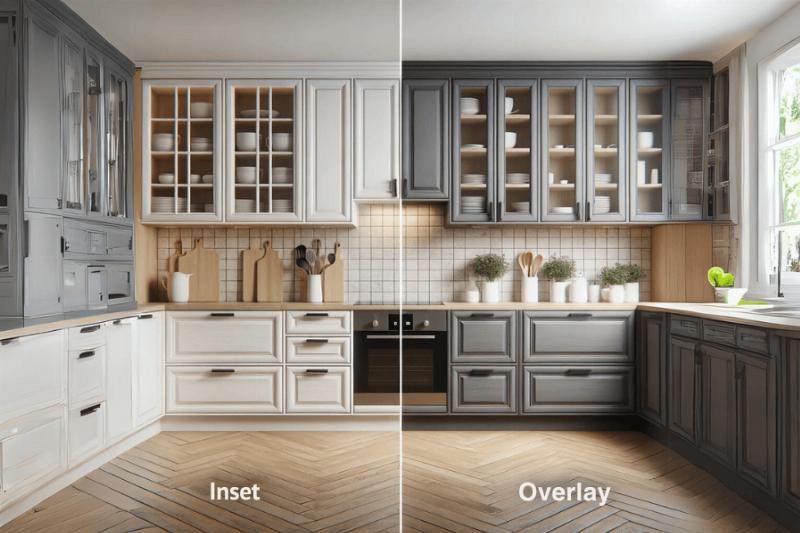
How to Choose Between Inset and Overlay Cabinet Doors
link desc


Mudroom locker ideas for families with kids start with one locker or cubby per person, hooks mounted at heights children can reach on their own, a built-in bench with shoe storage underneath, and closed cabinets or baskets that keep backpacks, sports gear, and seasonal items out of sight. The National Association of Home Builders (NAHB) ranks storage among the most requested features in new homes, and a well-planned mudroom delivers that storage right where families need it most. This guide covers how to size mudroom lockers for kids and adults, choose between open cubbies and closed cabinets, plan the layout, pick finishes that survive daily abuse, and organize the space for every season of the school year.
A mudroom locker system works for families with kids when every person in the house has an assigned space with hooks, shelves, and shoe storage sized to their height and their gear. The "one locker per person" rule is the foundation. Without assigned zones, coats pile on the floor, shoes scatter, and the mudroom becomes the mess it was supposed to prevent.
Families generate a high volume of daily items. Two school-age children produce four to six items each morning: a coat, a backpack, a lunchbox, shoes, a hat, and sometimes sports equipment. Two adults add purses, briefcases, keys, and jackets. That is 10 to 16 items hitting the mudroom between 3:30 and 5:30 p.m. on a weekday. Without a dedicated spot for each item, clutter takes over in minutes. Mudroom cabinetry built around a per-person locker system eliminates that daily pileup because every item has a home the moment it enters the house.
The Angi 2025 homeowner survey found that 72% of buyers ranked built-in storage among the top three features influencing their purchase decision. Mudroom lockers check that box while also solving the daily chaos that families with young children know all too well.
Design a mudroom for kids by placing hooks, cubbies, and shoe storage at heights children can reach independently, assigning each child their own labeled section, and choosing wipe-clean materials that survive dirt, mud, and spilled drinks. Kid-friendly design is about accessibility first and aesthetics second.
Children under age 6 cannot reach a standard adult hook mounted at 60 to 66 inches. Placing a dedicated kid hook row at 36 to 42 inches, confirmed by Brainbound and Imperial Cabinets as the ergonomic standard for young children, lets them hang coats and backpacks without help. That independence builds daily habits and saves parents from re-hanging everything after school.
Label each locker with the child's name or a picture for pre-readers. Color-coded baskets or bins inside each locker make it obvious where hats, gloves, and lunchboxes belong. A baby-proof cabinet strategy also applies to mudrooms with toddlers; soft-close hinges prevent pinched fingers, and lockable lower cabinets keep cleaning supplies or sharp items out of small hands.
Hooks in a mudroom for kids should be mounted at 36 to 48 inches above the floor for children ages 3 to 10, and at 60 to 66 inches for teens and adults. That two-tier layout lets every family member hang their own coat without asking for help.
Imperial Cabinets recommends a tiered hook system on the same backboard: a lower row at 42 to 54 inches for children and a higher row for adults. As kids grow, the lower hooks can be raised by pre-drilling holes at 2-inch intervals or using a slatwall backer that accepts hooks at any position. Adjustable systems prevent the need to patch and repaint every few years. Hooks spaced 8 to 12 inches apart prevent heavy coats from overlapping and trapping moisture between layers.
Three hooks per person is the standard recommendation from Angi for coats, bags, and hats. A family of four needs 12 hooks minimum, spread across four locker bays. Custom closets use the same tiered-hook logic for shared spaces, and the approach transfers directly to mudroom design.
A mudroom locker should be 18 to 24 inches wide per person to fit a winter coat and a backpack without spilling into the neighboring bay. Imperial Cabinets and multiple dimension guides confirm the 18-to-24-inch range as the industry standard for individual mudroom locker width.
The wider end of that range, 24 inches, works best for families with bulky seasonal gear like ski jackets, hockey bags, or oversized backpacks. The narrower end, 18 inches, fits a standard coat and a school bag in homes where wall space is limited. A family of four using 20-inch-wide lockers needs 80 inches (6 feet 8 inches) of continuous wall space for the locker bank alone. Add a 36-inch minimum walkway, and the mudroom needs at least 9 to 10 feet of total width for lockers on one wall with comfortable passage.
Mudroom lockers should be 15 to 20 inches deep for closed-door designs and 12 to 15 inches deep for open cubbies. Entryway Storage and multiple locker dimension guides identify 18 to 20 inches as the ergonomic baseline for closed lockers that hold winter coats on hooks, because a standard coat hanger measures 17 to 18 inches wide.
A 12-inch-deep locker forces hangers to sit at an angle, which limits how many coats fit and causes sleeves to bunch. Families in north Alabama, where mild winters still produce enough rain and cool weather for layered jackets, benefit from the 18-inch depth that accommodates seasonal outerwear without crowding. Kitchen cabinets use a 24-inch standard for base depth, but mudroom lockers run shallower because the items stored are narrower than dishes and appliances.
The best bench height for a mudroom is 17 to 19 inches, which matches standard chair-seat height and allows both adults and older children to sit comfortably while putting on or removing shoes. Imperial Cabinets confirms this range aligns with ADA-referenced bench dimensions used in public seating.
Bench depth should run 14 to 17 inches in tight mudrooms and 20 to 24 inches in larger spaces where deeper seating or accessibility is a priority. The space underneath the bench is prime shoe storage territory. Pull-out drawers, open cubbies, or woven baskets below the bench surface hold 2 to 4 pairs of shoes per family member. Shoe storage at bench level keeps footwear off the floor and out of the walkway.
ComponentStandard DimensionKid-Friendly AdjustmentLocker Width (per person)18-24 inchesSame; narrower for toddler-only baysLocker Depth (closed)18-20 inchesSame; hooks mounted lower insideLocker Height (full unit)72-84 inches50-55 inches for standalone kid unitsHook Height (adults)60-66 inchesN/AHook Height (kids 3-10)N/A36-48 inchesBench Height17-19 inchesSame; step stool for toddlersBench Depth14-17 inches (tight); 20-24 inches (open)SameWalkway Clearance36 inches minimumSame
Sources: Imperial Cabinets (hook heights, locker widths), Brainbound (bench height, walkway clearance), Entryway Storage (locker depth baseline: 18-20"), The Home Atlas (locker height: 72-84"), Home Stratosphere (kid locker height: 50.5")
Open cubbies offer faster access and lower cost, while closed lockers hide clutter and protect contents from dust and pet hair. The choice depends on whether the mudroom is visible from the main living area and how much visual mess the household can tolerate.
Open cubbies work best in dedicated mudrooms with a door separating the space from the rest of the house. Items stay visible and accessible, which encourages kids to put things away because they can see exactly where everything goes. The downside is that a row of open cubbies filled with coats, bags, and shoes looks messy from any angle. Custom mudroom designs often mix open upper cubbies for grab-and-go items with closed lower cabinets for shoes and seasonal gear.
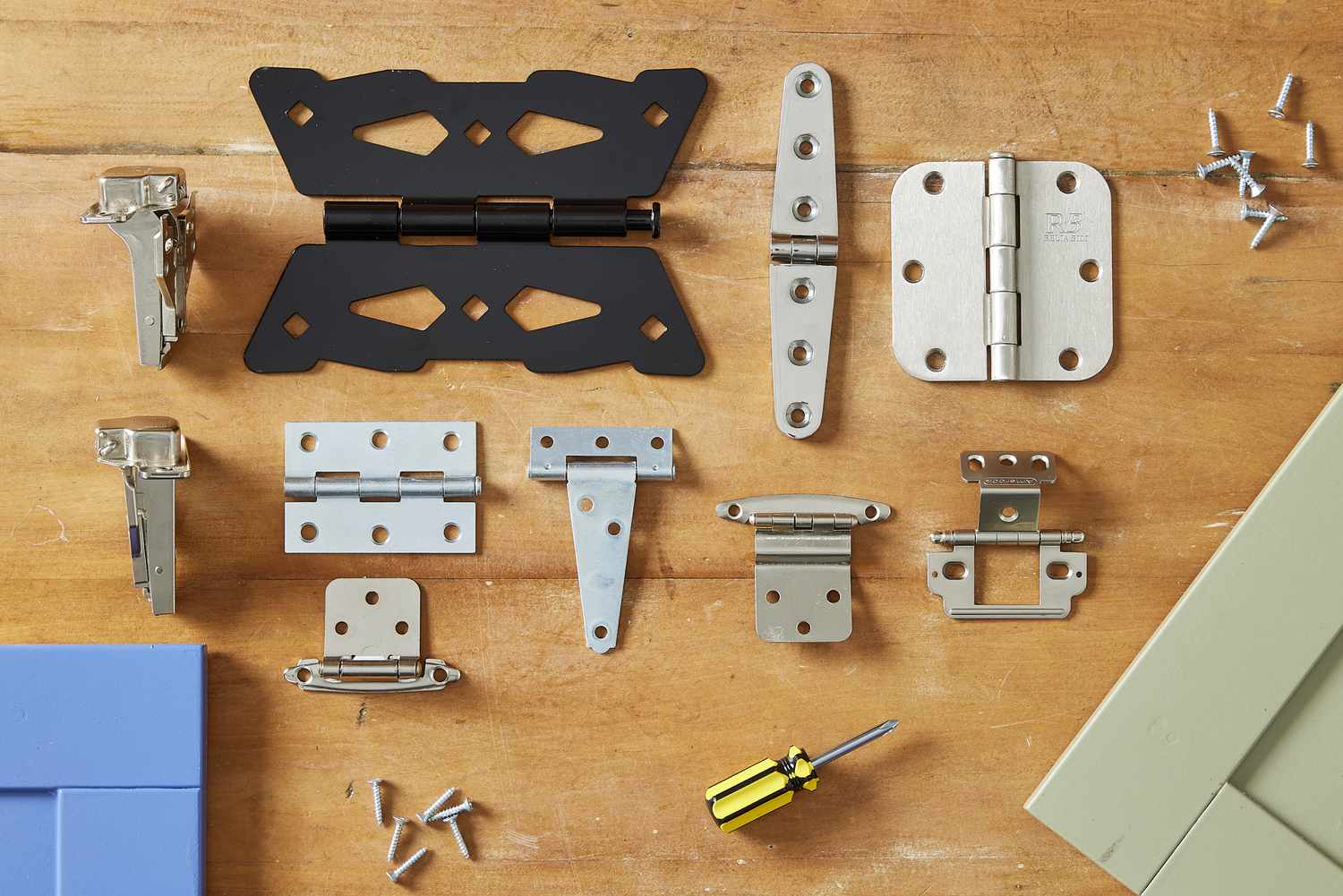
Closed lockers with cabinet doors cost more but deliver a clean, finished look even when the interior is stuffed with sports equipment. Soft-close hinges prevent slamming, and lockable doors keep hazardous items away from young children. Families who enter through a foyer visible to guests tend to prefer closed lockers because the doors conceal the daily reality of life with kids. Cabinet hardware choices like cup pulls and bar handles affect both the look and the ease of use for small hands.
The must haves in a mudroom are hooks for coats and bags, enclosed or open shoe storage, a sit-down bench, a shelf or cubby for each family member's daily items, durable waterproof flooring, and adequate lighting. These six components form the functional core that every mudroom needs regardless of size or budget.
Beyond the core six, families with kids benefit from these additional features:
Each feature adds function without requiring extra square footage. A laundry room cabinet system adjacent to the mudroom creates a seamless drop zone where wet clothes go straight from the hook to the washer without crossing the house.
The best layout for a mudroom places lockers along the longest wall, positions the bench opposite or adjacent to the lockers, and keeps the walkway at least 36 inches wide between any storage and the opposite wall. The layout depends on whether the mudroom connects to the garage, a side door, or the back entry.
A single-wall layout works in narrow hallways and small mudrooms under 50 square feet. All lockers, hooks, and the bench line up on one wall. A two-wall layout places lockers on one side and a bench with shoe storage on the other, creating a natural flow: enter, sit, remove shoes, stand, hang coat. An L-shaped layout wraps storage around a corner, which fits rooms where the entry door sits on an adjacent wall.
Mudrooms typically range from 40 to 100 square feet, according to Sineath Construction and Angi. A family of four using 20-inch-wide lockers with an 18-inch bench needs roughly 60 to 70 square feet for a comfortable two-wall layout. Garage cabinetry follows the same wall-measurement-first approach, and the layout logic transfers directly to mudroom planning.
Decorate a small mudroom by using vertical space from floor to ceiling, choosing light colors that reflect natural light, and replacing freestanding furniture with wall-mounted hooks and floating shelves. Small mudrooms under 40 square feet benefit from every inch of wall surface.
A floating bench with open space underneath creates the illusion of more floor area than a solid bench with enclosed sides. A small mudroom cabinet system with slim 12-inch-deep cubbies, wall-mounted hooks, and a narrow bench fits a 4-foot-wide hallway without blocking the walkway. A mirror on the opposite wall doubles the perceived depth of the space.
A good color for a mudroom is a mid-tone neutral that hides scuffs and fingerprints while keeping the space bright; greige (gray-beige blend), warm white, sage green, and navy blue are the most popular choices for mudroom cabinetry in 2025 and 2026.
Pure white shows every scuff, dirt mark, and handprint, especially at kid height. A warm white with slight undertones (Benjamin Moore Simply White or Sherwin-Williams Alabaster) looks clean without revealing every touch. Dark lower cabinets paired with lighter upper cubbies hide daily wear on the surfaces that take the most abuse while keeping the upper portion airy. Semi-gloss or satin paint finishes wipe clean with a damp cloth, which makes them the standard for mudrooms and other high-traffic rooms.
The best flooring for a mudroom is waterproof luxury vinyl plank (LVP), porcelain tile, or sealed concrete because all three resist water, mud, and heavy foot traffic without warping or staining. Angi identifies waterproof flooring as an essential mudroom feature because the room's primary purpose is containing moisture and dirt.
Luxury vinyl plank costs less than tile and installs faster, making it the most popular choice for mudroom renovations. Porcelain tile with a textured surface provides superior slip resistance for wet shoes and boots. Dark grout between tiles hides staining better than light grout. Sealed concrete offers an industrial look at the lowest cost but feels cold underfoot in winter without a rug or mat. Avoid hardwood and laminate in mudrooms; both swell and warp with repeated water exposure. Built-in bookshelves in adjacent rooms can use different flooring because those spaces stay dry, but the mudroom needs waterproof material without exception.
Yes, mudrooms increase home value by adding functional built-in storage that buyers actively seek. Angi reports that mudroom additions cost $8,000 to $16,000 for 50 square feet and yield approximately 50% return on investment at resale. U.S. News & World Report puts the average mudroom addition at $12,000 for a basic design.
The value comes from buyer perception. A clean, organized mudroom communicates that the homeowner invested in the property's daily livability. The Angi Home Report found that homes with custom built-in storage sell 20% faster and for 10% to 15% higher prices than comparable homes without built-ins. Even modest mudroom upgrades like hooks, a bench, and shoe storage create the impression of a move-in-ready home, which is what buyers want most. Home value increases further when the mudroom uses quality cabinetry materials rather than wire shelving or plastic bins.
Organize a mudroom for back to school by assigning each child a locker, purging summer gear, restocking winter layers, and adding labeled bins for school-specific items like lunchboxes, library books, and permission slips.
The back-to-school reset follows a simple sequence:
Seasonal rotation is the key to keeping a mudroom functional year-round. Mudroom storage systems with adjustable shelves and removable bins make the swap between summer and winter gear a 30-minute job instead of a full weekend project.
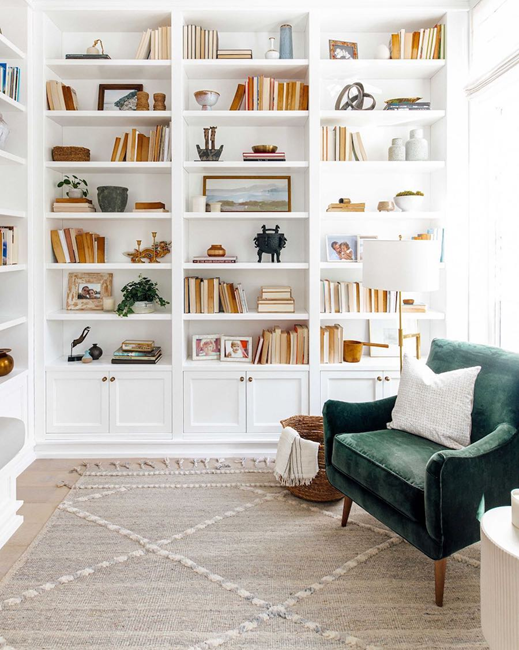
Design ideas for mudroom lockers include built-in lockers with crown molding that match the home's trim, open cubbies with woven baskets for a farmhouse look, two-tone cabinets (dark base with lighter upper section), integrated bench seating with pull-out shoe drawers, slatwall back panels for adjustable hooks, and glass-front upper cabinets for display items. Mixing materials like painted cabinetry below with natural wood shelves above creates visual contrast that keeps the space from feeling like a school hallway.
Each person needs three hooks in a mudroom: one for a coat or jacket, one for a bag or backpack, and one for a hat, scarf, or umbrella. Angi recommends three hooks per person as the standard for functional mudroom design. A family of four needs a minimum of 12 hooks total, spaced 8 to 12 inches apart to prevent overlapping.
Yes, you can add a mudroom to an existing home by converting a hallway, a section of the garage, a back porch, or an underused laundry room into a dedicated entry storage zone. A conversion using existing interior space costs $2,500 to $6,500, while a new addition with exterior walls, roofing, and a foundation costs $8,000 to $18,000 depending on size and finishes, according to multiple home renovation sources.
The ideal mudroom size for a family of four is 50 to 70 square feet. That area provides enough wall space for four 20-inch-wide lockers (80 inches total), a bench, shoe storage, and a 36-inch walkway. Mudrooms typically range from 40 to 100 square feet, according to Sineath Construction and Angi. Families with five or more members should aim for 70 to 100 square feet.
A mudroom should have a door between the mudroom and the main living area to contain noise, odors, and visual clutter. A pocket door or barn door saves swing space in tight layouts. The exterior entry into the mudroom always needs a door for weather protection and security. Interior doors between the mudroom and the kitchen or hallway are optional but recommended for families with young children who want to contain the mess.
The best material for mudroom cabinets is 3/4-inch hardwood plywood with a painted or thermofoil finish because it resists moisture, holds heavy coats without sagging, and wipes clean. MDF works for painted finishes in dry, climate-controlled mudrooms but swells when exposed to repeated moisture. Thermofoil (vinyl-wrapped MDF) provides a waterproof surface layer at a moderate price point. Solid hardwood is the most durable but costs significantly more.
A mudroom locker system designed for families with kids turns the most chaotic room in the house into the most organized one. Per-person lockers, hooks at kid-reachable heights, a bench with shoe storage, and durable waterproof finishes handle the daily flood of coats, backpacks, and sports gear without breaking down. Data from Angi confirms that mudroom storage delivers approximately 50% ROI at resale, and homes with built-in storage sell 20% faster. The investment pays for itself in both daily sanity and long-term property value.
At Classic Cabinetry, we have been building custom mudroom and foyer cabinetry for families across north Alabama and middle Tennessee for more than 44 years. If your entryway needs a system that keeps up with your family, call us at (256) 423-8727 to start planning.