.avif)


.avif)


.avif)
How Much Does a Custom Pantry Cost?
link desc
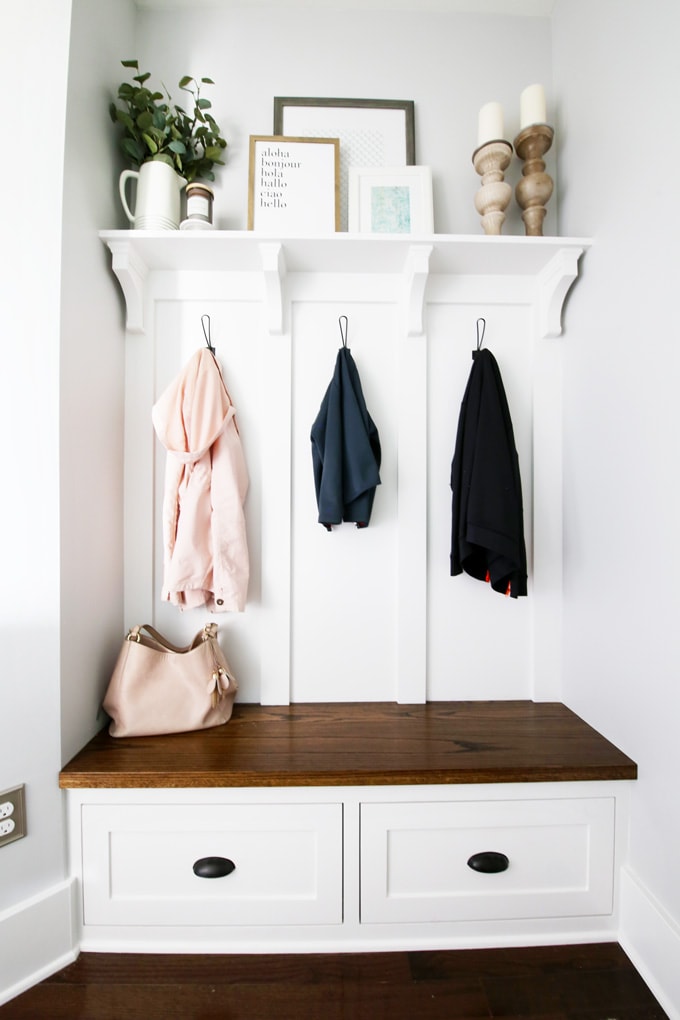


A built-in mudroom bench with storage maximizes small entryways by combining a seating area with vertical shoe cubbies, hidden flip-top compartments, or pull-out drawers that clear clutter from the floor. The bench serves as the anchor of the entire mudroom, giving every family member a place to sit, a spot to stash shoes, and a hook above for coats and bags. This guide covers the five most effective space-saving bench configurations, the dimensions that keep the bench comfortable and functional, the materials that hold up to wet boots and heavy use, and the styling details that turn a working entryway into a standout feature of the home.
A mudroom bench with storage is a built-in seating unit that combines a sitting surface with hidden or open compartments underneath for shoes, bags, and seasonal gear. The bench replaces the pile of loose shoes, scattered backpacks, and coats draped over chairs that build up near a home's entry door. By stacking functions vertically, a single built-in bench performs the job of a shoe rack, a coat closet, and a hallway chair without taking up more than 18 to 24 inches of floor depth.
The reason a mudroom bench saves space comes down to vertical integration. A standard entryway might have a coat rack on the wall, a separate shoe bin on the floor, and a chair or stool for sitting. Those three items occupy different parts of the room and leave gaps between them where clutter accumulates. A built-in bench with mudroom cabinetry consolidates all three functions into one wall-mounted or floor-anchored unit. Hooks go above the bench for coats. Cubbies or drawers go below the seat for shoes. The bench itself provides the seating. One footprint handles everything.
Data from the American Time Use Survey shows that the average American spends more than 62 hours per year on laundry-related tasks, and a significant portion of that time involves sorting through scattered items near the entryway. A 2024 NAHB report noted that specialty spaces like mudrooms and separate laundry rooms are becoming more important to homebuyers, with the median desired home size shrinking to 2,150 square feet, the lowest in 15 years. Smaller homes demand smarter storage, and a built-in bench delivers exactly that.
The benefits of having a mudroom bench with storage are reduced entryway clutter, a dedicated spot for every family member's belongings, faster morning routines, protection for interior floors from wet or muddy shoes, and increased home resale appeal. Each benefit compounds the next because an organized entry point keeps the rest of the house cleaner.
Families with children see the biggest gains. Labeled cubbies or drawers assigned to each child give kids a clear place to drop backpacks and shoes the moment they walk in. That single habit prevents the chain reaction of gear scattered across the kitchen counter, living room floor, and hallway. A closet system works well for bedrooms, but the mudroom bench catches items before they ever reach the bedroom.
Resale value is another measurable benefit. The NAHB found that 87% of homebuyers rate a dedicated laundry room as necessary or desirable, and mudrooms rank among the most consistently sought-after specialty spaces. A well-built mudroom bench with custom cabinetry signals to buyers that the home was designed with daily function in mind, not just aesthetics. Homes here in North Alabama that include a mudroom with built-in storage consistently attract more buyer interest during showings.
The different types of mudroom benches with storage include flip-top lid benches, floating benches, roll-out bin benches, vertical locker tower benches, and corner L-shaped benches. Each type solves a different space constraint and storage need.
Bench TypeHow It WorksBest ForStorage CapacityFlip-Top LidHinged seat lifts to reveal a deep storage box underneathHiding bulky items like winter boots and sports gearHigh (full interior volume)Floating BenchBench mounts directly to wall studs, leaving floor open underneathSmall mudrooms where floor space is limitedLow (open floor for baskets only)Roll-Out BinsDeep wheeled drawers slide out from under the bench seatFamilies with young children who need easy accessMedium (bin volume per drawer)Vertical Locker TowersBench sits between floor-to-ceiling cabinet towers with hanging rods and shelvesLarge mudrooms with wall space for full-height cabinetryVery high (bench + towers combined)Corner L-ShapedBench wraps around a corner to double seating and storage in an angled spaceAwkward corner entries, L-shaped hallwaysHigh (uses two walls instead of one)
A flip-top lid bench is the simplest built-in design. The hinged seat lifts like a chest, and the entire cavity beneath the seat becomes one open storage compartment. Flip-top benches hold bulky items like winter boots, sports helmets, and blankets that do not fit neatly in cubbies or drawers. The trade-off is that you have to stand up and lift the seat to access the contents, which makes the flip-top less convenient for everyday shoes.
A floating bench mounts directly to the wall with no legs touching the floor. Wall-mounted cleats or heavy-duty brackets carry the weight of the bench and anyone sitting on it. The open space underneath accommodates sliding baskets, shoe trays, or pairs of everyday shoes lined up in a row. Floating benches make small mudrooms feel larger because the visible floor creates an open, airy look. Custom closets use the same floating-shelf principle to maximize vertical storage in tight spaces.
Vertical locker tower benches combine the bench with floor-to-ceiling cabinet columns on each side. The towers provide hanging space for long coats, adjustable shelves for hats and gloves, and closed doors to hide the contents. The bench connects the two towers at seat height. This configuration captures dead wall space on both sides of the bench and turns it into high-capacity storage that a standalone bench cannot match.
The best type of storage for a mudroom bench depends on what you store most often. Drawers work best for small, loose items like gloves, scarves, and dog leashes. Open cubbies work best for shoes that need airflow to dry. A flip-top lid works best for large, seasonal items that you access less frequently. Closed cabinet doors below the bench work best for hiding clutter in a mudroom that doubles as a front entry where guests see the space.
Drawers mounted on full-extension ball-bearing slides pull out to their full depth, making every inch of the drawer accessible from the front. Soft-close drawer slides prevent slamming, which matters in a high-traffic area where kids are pulling drawers open and pushing them shut dozens of times a week. Open cubbies cost less to build and provide instant visual access to their contents, but they also display the mess. Families who want a clean look behind a cabinet door can still use pull-out bins on drawer slides inside the closed cabinet for the same ease of access.
Must haves in a mudroom are a built-in bench with storage, wall-mounted hooks or a coat rack, dedicated shoe storage, an upper shelf or cubby for hats and bags, durable moisture-resistant flooring, and at least one flat surface for dropping keys and mail. These six elements form the core of a functional mudroom that handles the daily flow of a household.
A good bench height for a mudroom is 18 to 20 inches from the finished floor to the top of the seat. This range matches the standard chair seat height established by furniture design guidelines and allows most adults and older children to sit and stand without straining. An 18-inch bench height also leaves enough room underneath for two to three rows of shoe cubbies or a set of drawers.
The vertical clearance above the bench matters just as much as the bench height itself. Design professionals recommend maintaining 48 inches of open space between the top of the bench seat and the bottom of the hooks or shelf above. That 48-inch gap prevents coats from bunching against the seat and gives you room to sit without your head bumping into a shelf. A bench at 18 inches with hooks at 66 inches satisfies both measurements. For families with young children, installing a second row of hooks at 36 inches from the floor gives smaller kids a reachable spot of their own.
A mudroom bench should be at least 36 inches wide for a single-person seating area, 48 inches wide for two people, and 60 to 72 inches wide for a family of four or more. Each person needs approximately 20 to 24 inches of width to sit comfortably and have a dedicated cubby or hook assignment above.
The maximum width depends on the wall space available. Most mudroom benches range from 48 to 72 inches, which accommodates two to three labeled storage sections. Wider benches require additional structural support to prevent the seat from bowing in the middle. A center divider or mid-span support panel every 24 to 30 inches reinforces the seat and doubles as a cubby partition.
The ideal size for a mudroom is at least 5 feet wide by 7 feet long, which provides enough space for a 48-inch bench on one wall, 20 inches of clearance in front of the bench for comfortable seating, and room to open the entry door without hitting the bench. Larger mudrooms of 6 by 8 feet or more can accommodate locker towers on both sides of the bench and still leave a clear traffic path.
Not every home has a full-size mudroom. Hallway entries as narrow as 36 inches can still support a floating bench or a fold-down seat, and a converted coat closet as small as 3 feet wide can hold a built-in bench with hooks above and cubbies below. The bench adapts to the space rather than the other way around.
The best materials for a mudroom bench are 3/4-inch cabinet-grade plywood for the structure, solid hardwood or butcher block for the seat surface, and moisture-resistant MDF or plywood for painted cabinet panels. The mudroom is a high-traffic, high-moisture environment where boots drip, coats shed rain, and heavy bags get tossed onto the bench daily. Every material in the build needs to handle that abuse.
Plywood provides the strongest and most dimensionally stable structure for built-in bench frames, dividers, and shelving. Cabinet-grade birch or maple plywood resists warping better than particleboard or standard MDF in environments with humidity fluctuations. Particleboard swells and degrades when exposed to moisture, making it a poor choice for any surface near a mudroom entry. The same principles that apply when choosing kitchen cabinets apply here: the cabinet box material determines how long the entire unit lasts.
The bench seat itself benefits from a hardwood or butcher block surface because it takes direct contact with belts, zippers, keys, and heavy items set down repeatedly. A stained hardwood seat paired with painted cabinet panels below creates a two-tone look that hides scuffs on the base while showcasing the natural wood grain on the seat. Sealing the seat with two to three coats of polyurethane protects the wood from water stains and salt residue tracked in from outside. Oil-based polyurethane lasts 10 to 15 years on indoor surfaces, according to finishing professionals cited by Family Handyman.
Yes, you can add a mudroom bench to an existing entryway by anchoring a built-in bench to the wall studs with a ledger board and L-brackets, then building out cubbies, drawers, or locker towers around it. A retrofit does not require moving walls, rerouting plumbing, or replacing flooring in most cases.
The simplest retrofit starts with measuring the available wall space and identifying the stud locations behind the drywall. A 2x4-inch ledger board screwed into two or more studs at 18 inches from the floor creates the back support for the bench seat. The bench seat, cut from 3/4-inch plywood, rests on the ledger board at the back and on vertical side panels at each end. L-brackets inside the side panels reinforce the connection between the seat and the panels. The entire structure anchors to the wall through the ledger board, which distributes the load across the studs.
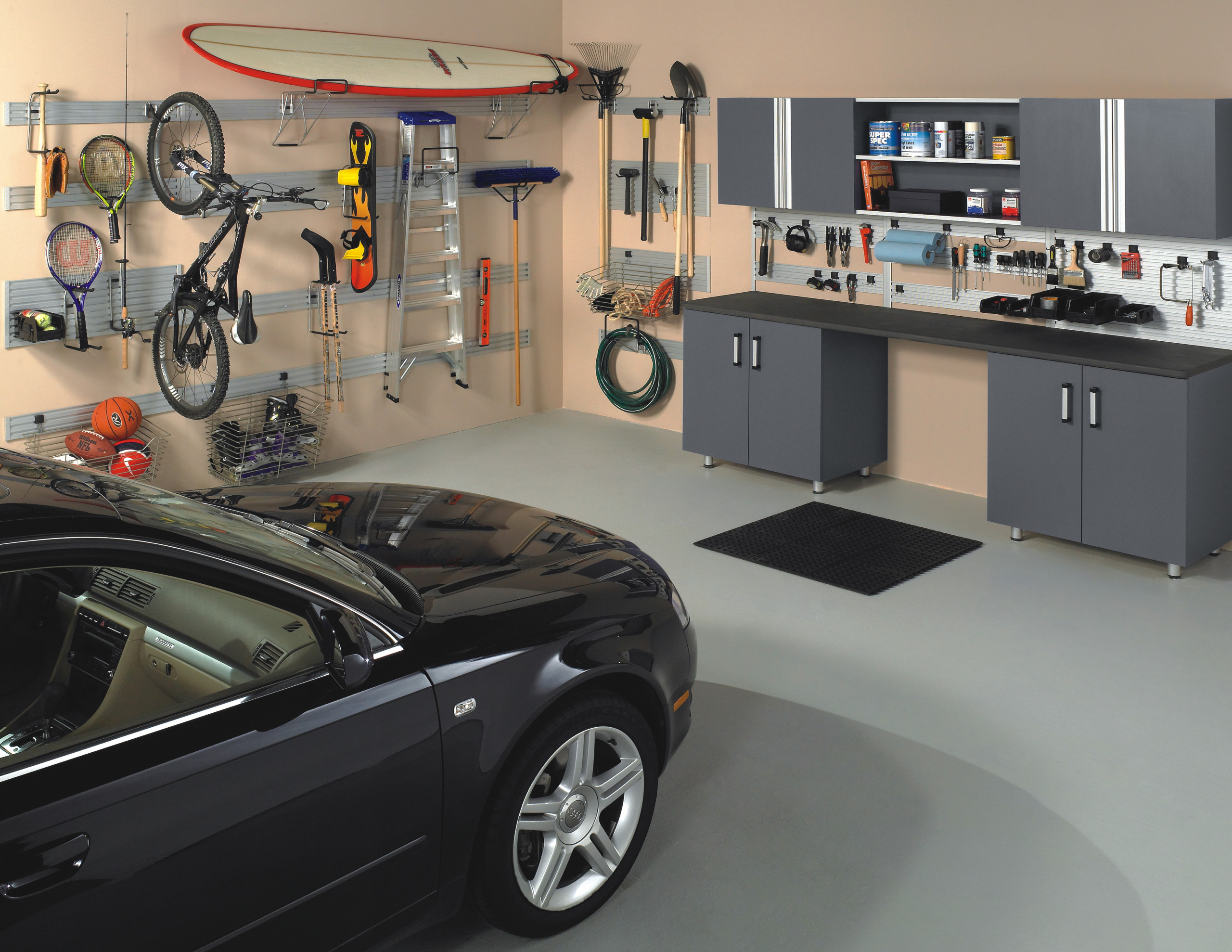
Homeowners who want garage cabinets or mudroom storage near the garage entry often retrofit a bench into the hallway between the garage door and the kitchen. That transition zone is one of the most effective spots for a mudroom bench because it catches shoes and coats before they enter the main living area.
If you don't have a mudroom, you can create one by converting a coat closet, carving out a section of a wide hallway, or building a narrow bench-and-hook station against a wall near the most-used entry door. A mudroom does not require a separate room. It requires a system: a place to sit, a place to hang, and a place to store shoes.
Removing the door and rod from a standard coat closet opens up 24 to 36 inches of depth and 36 to 48 inches of width. That space holds a built-in bench at 18 inches high, hooks on the back wall, and an upper shelf at 66 to 72 inches. The closet framing provides a natural alcove that makes the built-in look intentional. Painting the interior of the closet a contrasting color highlights the nook and visually separates it from the hallway.
Creative ideas for mudroom cabinets include arched trim on the top of locker openings, vertical shiplap or beadboard paneling on the back wall, a stained wood bench seat contrasted with painted white cabinet frames, personalized nameplates or labels above each cubby, and integrated charging stations hidden inside a drawer for phones and tablets. These details turn a functional storage area into a design feature that reflects the homeowner's style.
Arched openings at the top of each locker section soften the angular look of standard rectangular cubbies and add a finished, furniture-grade quality to the built-in. Shiplap or beadboard paneling on the back wall behind the bench provides visual texture and gives nails or hooks a solid surface to grip. Built-in bookshelves use the same paneling technique to create depth and character in living rooms and home offices.
Lighting makes a surprising difference in a mudroom. LED strip lights installed under the upper shelf or inside locker cubbies illuminate the space so family members can find what they need without turning on the overhead light. Puck lights recessed into the underside of an upper cabinet cast a warm glow over the bench area and make the entire unit feel intentional and polished.
You style a mudroom bench by adding a cushion or bench pad in a durable, washable fabric, placing woven baskets or labeled bins in the cubbies below, coordinating hook and knob finishes with the rest of the home's hardware, and keeping a small tray or bowl on the upper shelf for keys and sunglasses. Selecting the right cabinet hardware ties the mudroom's look to the kitchen, bathroom, and closet hardware throughout the house.
Performance fabrics like Sunbrella or Crypton resist stains, moisture, and fading, which makes them ideal for a bench cushion that sits near a wet-boot zone. Neutral tones like charcoal, navy, or oatmeal hide dirt between washes better than light whites or creams. Here are a few finishing touches that pull the mudroom together:
The best layouts for mudrooms are the single-wall layout, the galley (two-wall) layout, the L-shaped layout, and the mudroom-laundry combo layout. Each layout fits a different room shape and household size.
A single-wall layout places the bench, hooks, and upper storage along one wall. This layout works in hallways, converted closets, and narrow entries where only one wall is available. The opposite wall stays clear for the door swing and foot traffic. A galley layout uses two facing walls: one for the bench and shoe storage, the other for hooks, a shelf, and possibly a countertop or drop zone. Galley mudrooms work well in rooms that are at least 5 feet wide because the two walls need 20 inches of clearance between them for the bench depth and walking space.
The mudroom-laundry combo is one of the strongest design trends in 2024 and 2025, according to Houzz. Combining the two rooms lets homeowners toss muddy sports uniforms or sandy towels directly into the washer before dirt spreads further into the house. Laundry room cabinetry and mudroom storage share the same wall space, with the bench on one side and the washer, dryer, and folding counter on the other.
You maximize mudroom space by building vertically with floor-to-ceiling cabinets, mounting a floating bench to free up floor area, using the back of the entry door for over-door hooks, rotating seasonal items in and out of the cubbies, and assigning every family member a specific section so nothing drifts into shared zones. Vertical storage is the single most effective strategy because it captures wall space that would otherwise sit empty.
Floor-to-ceiling locker towers flanking the bench turn dead wall space above and beside the bench into usable mudroom storage. The towers hold long coats on a hanging rod at shoulder height, hats and gloves on adjustable shelves above, and shoes on angled shelves below. Keeping mudroom cabinets organized with labeled sections prevents one person's clutter from spilling into another's space.
Seasonal rotation keeps the mudroom from overflowing. In winter, heavy coats, snow boots, and ski gloves fill the cubbies. When spring arrives, swap those items into bins stored in the garage or a hall closet and replace them with raincoats, umbrellas, and lighter shoes. Rotating twice a year, once in spring and once in fall, keeps the mudroom holding only what the household needs right now.
The average cost of a mudroom bench with built-in storage ranges from $1,500 to $6,000 installed, depending on the size, materials, and level of customization. A basic bench with open cubbies below and hooks above falls at the lower end. A full locker-tower system with drawers, closed doors, arched trim, and a hardwood seat falls at the upper end. According to Angi's 2025 data, built-in cabinet installation averages $4,500 nationally, with a range of $2,000 to $7,500.
Custom mudroom cabinetry typically costs $500 to $1,200 per linear foot, according to CliqStudios. A 6-foot-wide bench-and-locker system at $800 per linear foot would cost approximately $4,800 for materials and installation. That cost includes the bench structure, cubby dividers, upper shelf, hooks, hardware, paint or stain, and professional installation. DIY builders can reduce the cost by purchasing materials and assembling the bench themselves, though custom joinery, paint-grade finishes, and precise stud anchoring often produce a longer-lasting result when handled by a professional.
Yes, a mudroom increases home value by adding a functional specialty space that buyers actively seek. The NAHB reported that mudrooms rank among the most important specialty spaces for homebuyers, alongside dedicated laundry rooms and walk-in pantries. According to Angi's 2025 analysis, mudroom and laundry room renovations deliver a return on investment of 60% to 70% of the project cost. On a $6,000 built-in bench project, that translates to approximately $3,600 to $4,200 in added home value.
The ROI climbs higher when the mudroom includes custom cabinetry, durable flooring, and a polished design that matches the rest of the home. Buyers notice the difference between a room that was thoughtfully designed and one that holds a freestanding coat rack and a plastic shoe bin. Investing in home value through built-in cabinetry in high-use rooms consistently ranks among the most effective remodeling strategies for homeowners in the Huntsville and Ardmore area.
A mudroom is a transitional space between the outdoors and the interior of a home, designed specifically for removing and storing outerwear, shoes, and gear before entering the main living area. A mudroom can be a dedicated room near the garage entry, a converted coat closet, a section of a wide hallway, or a built-in nook near the front or side door. The defining feature is function: if the space includes storage for shoes, hooks for coats, and a surface for sitting, it qualifies as a mudroom regardless of its size.
Alternatives to mudroom cabinets include freestanding hall trees with hooks and a bench, open wall-mounted shelving with baskets below, a repurposed dresser or console table with hooks above, and over-the-door organizers that hang on the back of a closet door. These options work when a full built-in is not possible due to budget or space constraints. Freestanding alternatives cost less and can move with you, but they lack the anchored stability and seamless look of built-in cabinetry.
A mudroom bench should have drawers for items accessed daily and a flip-top lid for items accessed occasionally. Drawers pull out quickly without requiring you to stand up, which makes them better for shoes, dog leashes, and gloves used every day. A flip-top lid stores larger, less-used items like winter boots, sports gear, or seasonal decorations in one deep compartment. Some benches combine both: drawers on one side and a flip-top on the other.
You keep a mudroom bench organized with kids by assigning each child a labeled cubby or locker section, installing hooks at a height they can reach (36 inches from the floor for younger children), using color-coded bins or baskets inside cubbies, and establishing a daily routine where backpacks and shoes go into their assigned spots immediately upon entering the house. Kids follow systems that are simple and visible. Open cubbies work better than closed doors for younger children because they can see where everything belongs.
Yes, combining a mudroom with a laundry room is one of the most popular design trends in residential construction. The shared layout lets family members drop muddy or sweaty clothes directly into the washer before dirt tracks further into the home. The mudroom side holds the bench, hooks, and shoe storage; the laundry side holds the washer, dryer, and folding counter. A single room handles both functions without requiring separate square footage for each.
A mudroom bench should be 14 to 18 inches deep from front to back. An 18-inch depth provides the most comfortable sitting surface for adults and enough interior depth underneath for shoe cubbies or drawers. A 14 to 16-inch depth works better in narrow hallways or compact entries where a deeper bench would block the walking path. Always maintain at least 20 inches of clear floor space in front of the bench so people can sit down and put on shoes without feeling cramped.
A built-in mudroom bench with storage turns the most cluttered room in the house into the most organized one. The right configuration, whether it is a flip-top bench, a floating wall-mount, locker towers, or a corner L-shaped design, depends on the size of the space, the number of people using it, and the types of items that need a home near the door. Standard bench height sits at 18 to 20 inches, width runs 36 to 72 inches depending on family size, and depth falls between 14 and 18 inches. Materials that resist moisture, scuffs, and heavy daily use keep the bench looking good year after year.
At Classic Cabinetry, we design and build mudroom storage systems that fit the exact layout and style of your entryway, from bench dimensions and locker configurations to paint colors and hardware finishes. If you are ready to turn your entryway into a working mudroom, call us at (256) 423-8727 to schedule a consultation and get started.