.avif)


.avif)


.avif)
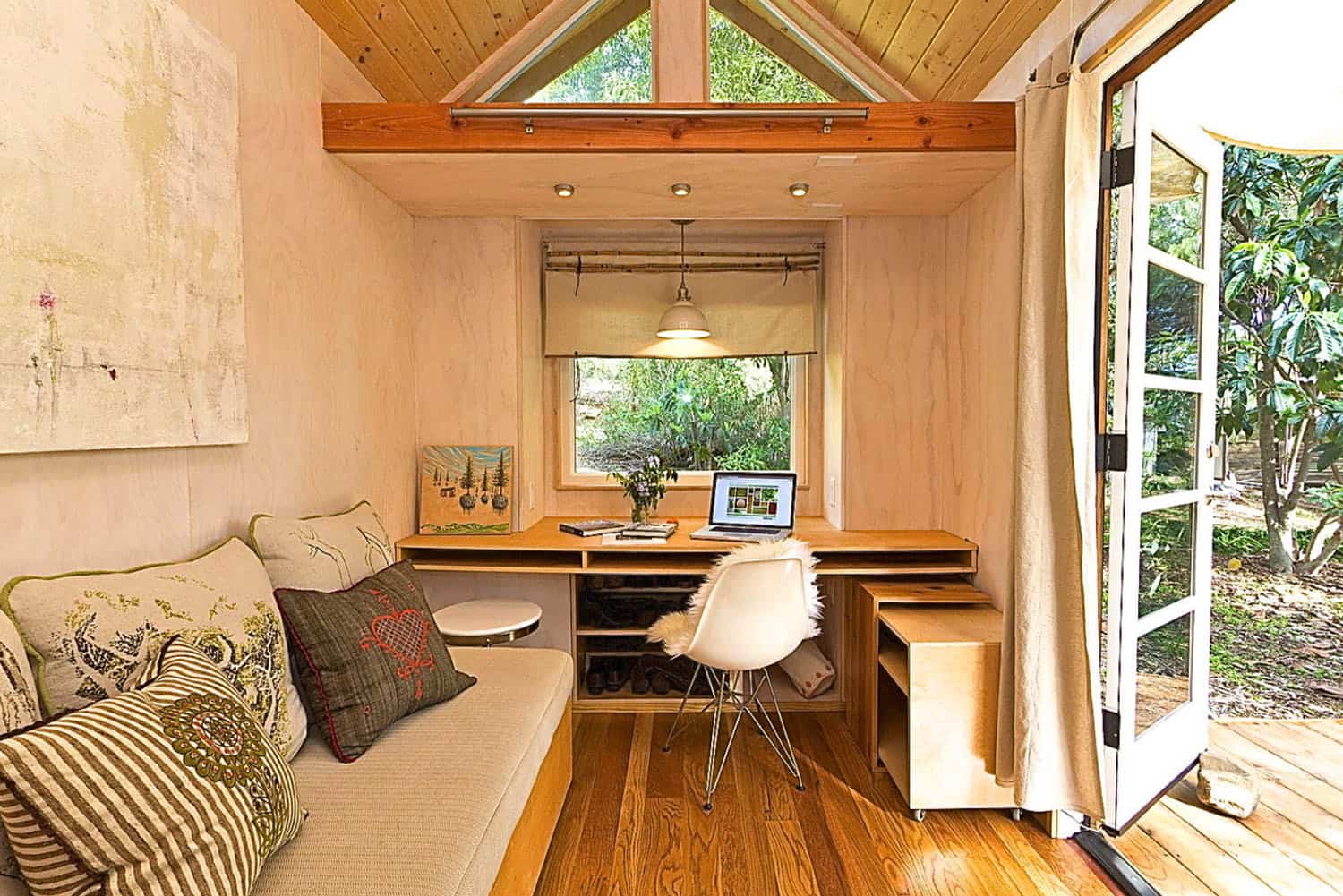
How to Design a Home Office and Guest Room Combo With Custom Cabinetry
link desc
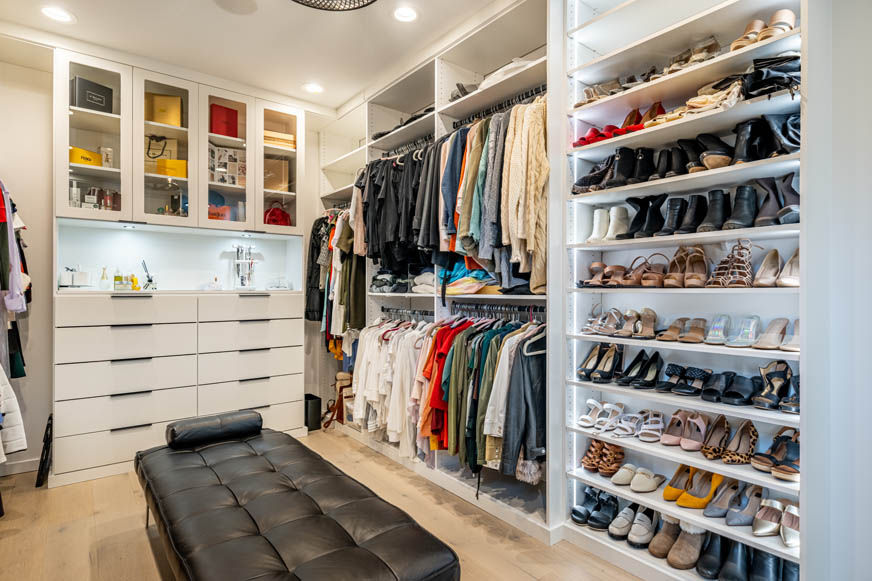


A walk-in closet that works for two people starts with the right size, clear zones for each person, and storage that matches how you both actually dress. According to Angi, two people need walk-in closet dimensions of at least 7 by 10 feet. According to Inspired Closets and The Designery, 100 square feet is ideal for a shared closet because it allows storage on all three walls with room for a sitting area or center island. According to a House Digest survey, 79% of homeowners prefer walk-in closets, and the NAHB ranks closet design among the most desirable features for buyers. The difference between a closet that causes stress and one that saves time every morning is the design. This article walks you through the sizes, layouts, zones, features, and practical strategies that make a shared walk-in closet actually work for two people.
A good size walk-in closet for two people is 7 by 10 feet (70 square feet) at minimum, with 100 square feet being the ideal target. According to Closet and Beyond, a standard full-size walk-in closet for two people should measure a minimum of 7 by 10 feet, preferably with 100 square feet so you can have storage on all three walls and still have room for a sitting area in the middle.
According to Angi, if you plan to have hanging rods on both sides, each side needs at least 24 inches of depth to accommodate hangers without the clothes touching the wall. Add 36 inches of clear walkway between the two storage walls, and you need a minimum of 7 feet of total width. The length determines how much hanging and shelving you can fit.
According to Inspired Closets, a walk-in closet with 100 square feet gives two people enough room for double hanging rods, adjustable shelves, shoe storage, a dresser island, and a comfortable amount of movement. Pairing closet work with home office cabinetry during the same renovation saves on design and installation costs. Anything under 50 square feet for two people will feel cramped and lead to the kind of clutter a shared closet is supposed to prevent.
Organizing a walk-in closet for two people starts with dividing the space into clearly defined zones. Each person gets their own section. No ambiguity, no overlap, no daily negotiation.
The simplest approach is to give each person one full wall. According to Carolina Closets Plus, a mirrored layout where each side has matching hanging rods, shelves, and drawers works well because it eliminates the "that's mine, not yours" debates. According to Bella Systems, a mirrored layout works well in walk-in closets, while a central divider or vertical tower can also split the space visually and functionally.
Equal does not always mean identical. One person might need more long-hang space for dresses and coats, while the other needs more shelving for folded items. According to Carolina Closets Plus, designing a custom walk-in closet for two means thinking beyond "equal" and focusing on "appropriate." Build each side around the actual wardrobe it needs to hold.
Double hanging rods instantly double the capacity of any wall. Hang shorter items (shirts, blouses, folded pants) on the upper and lower rods, and reserve a single-rod section for longer garments like dresses, suits, and overcoats. According to Knudson Cabinetry, converting single-rod space to double rods is one of the cheapest and most impactful changes you can make in a shared closet.
Place the items you reach for every day at eye level and arm's reach. Reserve the highest shelves for seasonal items, luggage, and things you only need a few times a year. According to The Premium Closets, prioritize accessibility by placing frequently used items at arm's reach and reserving the top or back areas for seasonal clothes. Pull-out baskets, drawer dividers, and adjustable shelves make everyday items faster to find and easier to put back.
The layout you choose determines how efficiently two people can use the closet at the same time without getting in each other's way. Three layouts work best for shared spaces.
A U-shaped layout puts storage on three walls, leaving the center open for movement. According to Knudson Cabinetry, U-shaped designs remain one of the most popular walk-in closet layouts because they offer maximum hanging space, versatile zoning, and even room for a center island if the space allows. This layout works best in closets that are at least 7 by 10 feet. Each person can take one side wall, with the back wall used for shared storage like shoes, accessories, or seasonal items.
A double-sided layout places storage on two opposite walls with a walkway down the middle. According to George Construction, double-sided closets need at least 6 feet of total width to fit 24-inch storage on each side with a 24-inch walkway in the middle. This is the most natural his-and-hers configuration because each person gets a full wall.
An L-shaped layout uses two adjacent walls that meet at a corner. According to Boss Design Center, L-shaped walk-in closets average 6.5 feet wide and 4 to 6 feet long with about 3 feet of walking space. This layout works well in smaller rooms where a full U-shape does not fit. One person takes the longer wall, the other takes the shorter wall, and the corner gets used for rotating shelves, shoe storage, or a pull-out hamper.
LayoutMinimum SizeStorage WallsBest ForU-Shaped7 x 10 ft (70 sq ft)3 wallsMaximum storage, island optionDouble-Sided6 x 10 ft (60 sq ft)2 opposite wallsClear his/hers divisionL-Shaped6.5 x 6 ft (39 sq ft)2 adjacent wallsSmaller rooms, corner spacesSingle-Sided4 x 8 ft (32 sq ft)1 wallOne person only (too small for two)Island Walk-In10 x 12 ft (120 sq ft)3 walls + center islandLuxury shared closets, dressing rooms
Sources: Angi, Closet and Beyond, Boss Design Center, George Construction, Knudson Cabinetry, Inspired Closets
The 80/20 wardrobe rule says that most people wear 20% of their clothing 80% of the time. The other 80% of your closet sits mostly untouched. This rule matters for closet design because it means the items you actually wear every day should be the most accessible, while the items you rarely touch should be stored higher, deeper, or in less convenient spots.
Before designing a shared closet, both people should audit their wardrobes using this rule. Pull out everything, sort by frequency of use, and donate or discard anything that has not been worn in the past year. Most couples who do this find they need 20% to 30% less storage than they originally thought. That translates directly into a simpler, less expensive closet design that feels spacious rather than packed.
The 3-3-3 rule for wardrobe is a capsule dressing method that challenges you to wear only 33 items for 3 months. It includes clothing, shoes, and accessories but excludes underwear, workout clothes, sleepwear, and loungewear. The idea is to simplify your wardrobe down to the pieces you actually love and use, then rotate seasonally.
For closet design purposes, this rule highlights how little space most people truly need for their daily wardrobe when they are intentional about what they keep. A shared closet designed around two capsule wardrobes can function beautifully in a much smaller space than one designed to hold years of accumulated clothes. It also means less cluttered closet organization and a faster morning routine for both people.
The most common closet organizer mistakes are building too much storage for things you do not need to keep, ignoring vertical space, using shelves that are too deep, skipping lighting, and failing to account for how two people will move through the space at the same time.
According to Knudson Cabinetry, poor lighting is why you wear navy thinking it is black. Good lighting fixes how you see your wardrobe and makes the closet feel cleaner. LED strips under each shelf illuminate the contents below and cost almost nothing to run. Motion-activated overhead lights eliminate fumbling for a switch.
Shelves deeper than 16 inches hide items in the back. Pull-out drawers, adjustable shelves, and clear bins solve this. According to Bella Systems, closets need to change over time, which is why adjustable shelves, movable hanging rods, and modular components are smart choices in a shared closet. Locking in a rigid system that cannot adapt is one of the most expensive mistakes homeowners make. Reading up on closet planning before you start helps avoid costly redesigns later. We design custom closet systems with flexibility built in so the layout can shift as wardrobes and lifestyles change.
Five feet wide is enough for a single-sided walk-in closet for one person, but it is too narrow for two people to share comfortably. According to Angi, the minimum walk-in closet dimensions are about 4 by 5 feet for one person, with 24-inch depth for hanging rods. That leaves about 36 inches of walkway, which is fine for one person but cramped for two.
For two people, you need at least 6 feet of width for a double-sided layout (24-inch storage on each side plus 24-inch walkway) and ideally 7 feet or more for comfortable use. According to George Construction, a double-sided walk-in needs at least 6 feet of width, and wider is better if both people will be getting dressed at the same time.
If you are limited to 5 feet of width, consider a single-sided layout for one person's clothes and use a separate built-in storage solution in the bedroom for the second person's wardrobe. Forcing two people into a 5-foot-wide closet usually leads to frustration and clutter.
Yes, it is cheaper to build your own walk-in closet using a DIY modular system than to hire a professional for a custom build. According to HomeLight, a small DIY walk-in pantry or closet costs $750 to $2,000, while custom professional builds run $3,000 to $8,000 or more. Modular kits from home improvement stores start at a few hundred dollars for a basic single-wall system.
The trade-off is fit and function. DIY kits come in standard sizes that may not fill your space perfectly, leaving gaps or wasted areas. A professional custom build fits every inch exactly, maximizes storage, and includes features like angled shoe shelves, felt-lined drawers, and integrated lighting that kits rarely offer. According to Bella Systems, a well-designed shared closet adds resale value because more and more buyers are looking for turnkey organization solutions in primary bedrooms.
For a basic reach-in upgrade, DIY is usually fine. For a shared walk-in closet that two people will use every day, a custom design delivers dramatically better results. Getting a professional layout ensures both people get the storage they need without compromising the other person's space. Investing in closet value pays off both in daily convenience and at resale.
The latest walk-in closet trends for 2026 emphasize intentional design, warm natural materials, integrated lighting, and multi-functional features. According to the NKBA 2026 Kitchen Trends Report, 94% of industry professionals agree that homeowners are adding functional spaces like closets, mudrooms, and flex areas to their homes. That same energy is driving closet design toward more purposeful, personalized spaces.
According to Knudson Cabinetry, walk-in closet trends in 2026 point toward fewer things organized better, lighting that actually works, and storage types matched to what you own rather than generic configurations. Concealed storage is rising. Glass-front drawers, hidden hampers, and closed-door shoe cabinets keep the closet looking clean.
Natural wood finishes are replacing all-white interiors. According to the 2026 Houzz Kitchen Trends Study, wood tones overtook white for the first time in nearly a decade. That same shift is happening in closets, where white oak shelving, walnut accents, and warm laminates are replacing stark white melamine. Soft-close drawers and doors are now standard, not premium. Smart features like USB charging stations, motion-activated lighting, and built-in valet rods are moving into mainstream designs. Pairing closet updates with bathroom cabinetry work or a mudroom build often saves money on combined design and installation.
A walk-in closet designed for two people needs specific features to keep the space organized and the morning routine running smoothly. Here are the features that make the biggest difference.
Double hanging rods on both sides maximize capacity for everyday clothing. A single long-hang section on each side handles dresses, suits, and overcoats. Adjustable shelving lets you reconfigure heights as wardrobes change over time. Pull-out drawers with dividers keep undergarments, socks, and accessories organized. A pull-out valet rod provides temporary hanging for tomorrow's outfit or clothes that need airing.
Shoe storage that tilts slightly forward (angled shelves) lets you see and grab shoes without pulling them out. According to OneStop Kitchen and Bath, LED strip lighting under each shelf illuminates the shelf below and eliminates dark corners. A center island with felt-lined drawers adds dresser space, a folding surface, and a jewelry storage area. According to Bella Systems, soft-close drawers and doors help maintain peace when partners operate on different schedules.
For homeowners across North Alabama who want a closet that truly works for both people, a professional design consultation is the fastest way to get from frustration to function. We measure the space, assess both wardrobes, and build a layout that gives each person exactly what they need. Exploring small walk-in ideas is a good starting point even for larger closets, because space-saving strategies work at every scale.
The average cost of a walk-in closet for two people is $3,000 to $8,000 for a mid-range custom system. According to HomeGuide, walk-in closet installation costs $1,000 to $8,000, with most shared closets landing between $3,000 and $5,000. Luxury walk-in closets with center islands, integrated lighting, and premium wood finishes can cost $10,000 to $20,000 or more. The final price depends on size, materials, and the features you include.
What you can do instead of closet doors includes using curtains, sliding barn doors, open entryways, or open closet designs with drawers and concealed storage. Removing doors makes a walk-in closet feel larger and more accessible. Curtains cost less than doors and can be changed easily. Barn doors save floor space because they slide rather than swing. If the closet is well-organized and visually consistent, an open entryway creates a boutique-like feel.
What not to throw out when decluttering a closet includes sentimental items with genuine emotional value, quality basics that fit well and are in good condition, seasonal items you use every year, and investment pieces (well-made coats, suits, classic shoes) that hold their quality over time. The goal of decluttering is to remove things you never wear, not to get rid of items you will need to replace later.
The home decor going out of style in 2026 includes all-white interiors, open shelving used as primary storage, shiny metallic finishes, and overly ornate detailing. According to the NKBA 2026 Kitchen Trends Report, the direction is toward warm natural tones, concealed storage, and matte or brushed hardware finishes. In closets specifically, stark white melamine is losing ground to warm wood tones and natural laminates.
The style coming back in 2026 is warm, organic design with natural wood finishes, quiet luxury, and intentional simplicity. According to the 2026 Houzz Kitchen Trends Study, wood tones overtook white for the first time. In closets, that means white oak shelving, walnut accents, and warm neutral palettes are replacing the cold, minimalist all-white look. Quality over quantity is the defining theme.
To design a walk-in closet on a budget, start by decluttering aggressively to reduce how much storage you need. Swap all single hanging rods for double rods. Add LED strip lighting under shelves. Use uniform velvet hangers for a clean, consistent look. According to Knudson Cabinetry, these four changes alone can transform a closet without any major construction. If you need more, add modular shelving units and adjustable brackets before committing to a full custom closet build.
The best month to buy closet organizers is January or September. January follows the holiday season when retailers clear inventory and New Year's organization goals drive promotional pricing. September marks back-to-school season and end-of-summer clearance. Shopping during these windows can save 15% to 30% on materials and systems.
A walk-in closet that works for two people is not about having the biggest room or the most expensive system. It is about clear zones, the right layout for your space, and storage that matches how each person actually lives. Start with the right size (7 by 10 feet minimum for two), divide the space fairly based on real wardrobe needs, and invest in adjustable features that can evolve over time. The result is a shared space that saves time, reduces stress, and makes both people feel like the closet was built for them.
If you are ready to design a walk-in closet that works for both of you, Classic Cabinetry can measure your space and build a custom plan around your actual wardrobes. Call us at (256) 423-8727 to schedule a free consultation.