.avif)


.avif)


.avif)
How to Design a Home Office and Guest Room Combo With Custom Cabinetry
link desc
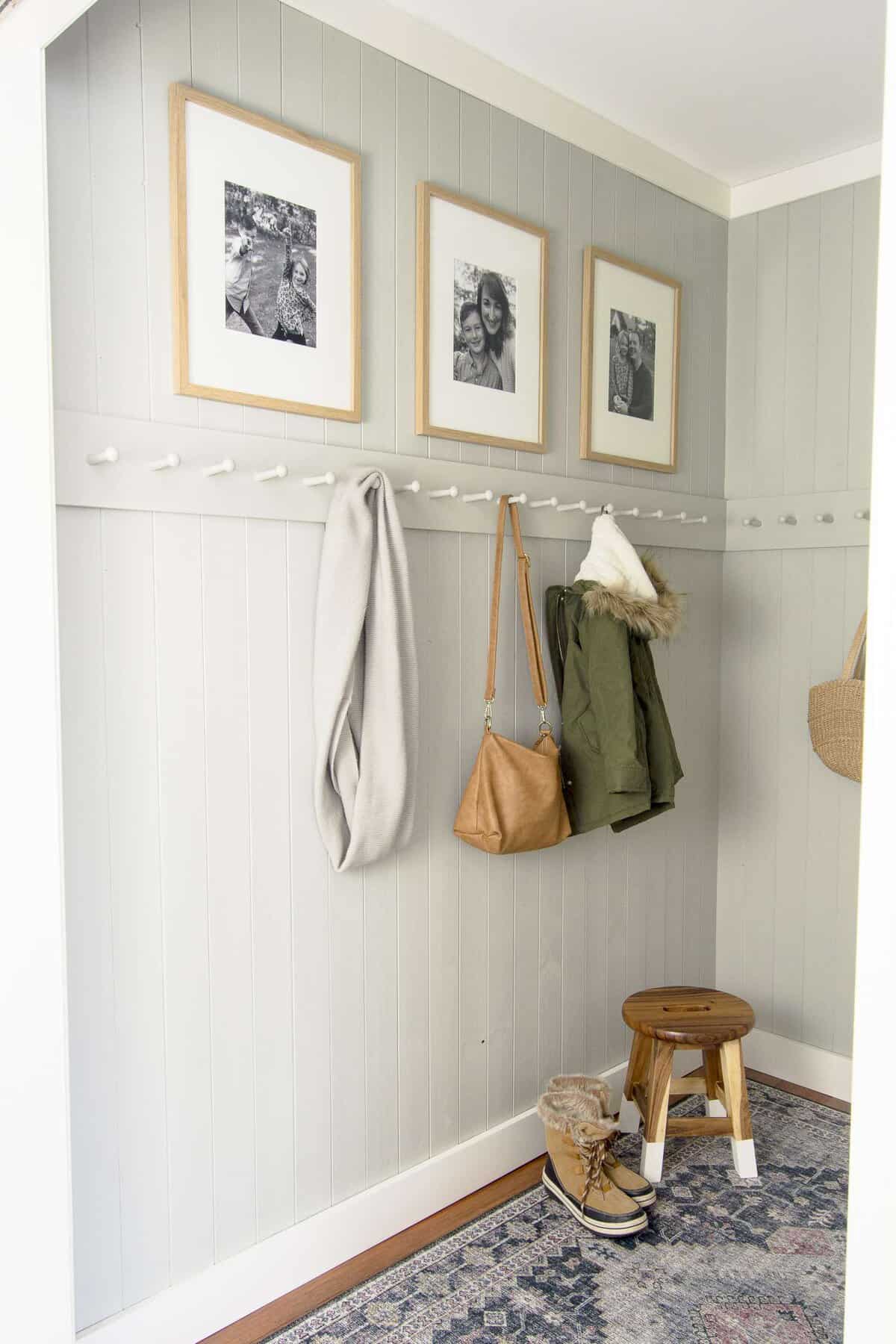


A mudroom in a small entryway does not need a large footprint to work well. Even a hallway alcove, a back door corner, or a 5-by-6-foot space can become a fully functional mudroom zone with the right cabinetry and layout. According to Angi, converting an existing space into a mudroom costs $3,000 to $10,000, compared to $18,000 to $36,000 for a full addition. According to the NAHB, 85% of homebuyers consider organized entry storage a must-have or highly desirable feature. According to the NKBA 2026 Kitchen Trends Report, 94% of industry professionals agree that homeowners are adding functional spaces like mudrooms, closets, and flex areas to their homes. This article covers the best layouts, storage ideas, materials, and design tips for turning even the smallest entryway into a mudroom that keeps your home organized and your mornings running smoothly.
Creating a mudroom in a small space starts with identifying the available wall area, deciding on the essential functions (coat storage, shoe storage, seating, and key drop), and then designing built-ins that handle all of those jobs within the footprint you have.
According to VorobCraft, standard mudrooms range from 5 by 6 feet (30 square feet) for compact layouts to 10 by 15 feet (150 square feet) for multi-functional zones. A small entryway mudroom typically occupies one wall, 4 to 8 feet wide and 12 to 24 inches deep. That is all you need for a built-in bench with shoe drawers, hooks above, and a shelf or closed cabinet at the top.
The key is vertical thinking. According to Freedom Kitchens, a well-planned mudroom makes the most of wall height with overhead cupboards for items you only need occasionally, matching baskets for visual cleanliness, and floor-clearing strategies that make the space feel calmer. Running custom mudroom cabinetry from floor to ceiling captures storage that standard coat hooks and a shoe rack simply cannot match.
The best layout for a small mudroom places everything along a single wall or in an L-shaped configuration that wraps around a corner. These two layouts work for most small entryways because they keep the walkway clear while maximizing storage on the available wall space.
A single-wall mudroom lines up all storage along one wall: tall cabinets or lockers on the ends, a built-in bench with shoe drawers in the middle, and hooks and shelves above. According to The DIY Playbook, a functional mudroom design includes tall cabinets for coat and vacuum storage, a built-in bench with drawers underneath for shoes, and dedicated sections for each family member. This layout works in hallways as narrow as 4 feet wide because the entire mudroom sits flush against the wall at 15 to 24 inches of depth.
Converting an existing entryway closet into a mudroom nook is one of the most affordable approaches. According to Kitchen Cabinet Kings, removing the closet doors, adding a bench, and lining the walls with custom cabinets turns an underutilized closet into a mudroom masterpiece. You can use the original closet frame to keep costs down. This approach works especially well for hall closets near the front or back door that currently hold a jumble of coats and shoes.
An L-shaped layout uses two adjacent walls that meet at a corner, which gives you more total storage than a single wall without taking up much more floor area. One wall handles coats and bags, the other handles shoes and seating. The corner where the walls meet can hold a pull-out hamper, a tall closet-style cabinet, or a narrow shelf for keys and sunglasses.
A small mudroom needs five core features to function well: a bench, shoe storage, coat hooks, closed cabinets, and durable flooring. Every feature should earn its place by solving a real daily problem.
A bench makes it easy to sit down and put shoes on or take them off. In a small mudroom, the bench also serves as hidden storage. According to VorobCraft, a mudroom bench should be 36 to 48 inches wide and 14 to 17 inches deep, with drawers underneath for shoes, gloves, and seasonal gear. According to The DIY Playbook, deep drawers under the bench keep shoes out of sight but easy to access, solving the biggest source of entry clutter.
Wall hooks at 48 to 60 inches are the fastest grab-and-go storage for coats, bags, and leashes. According to VorobCraft, hooks should sit between 48 and 60 inches from the floor. For families with children, adding a lower row of hooks at 30 to 36 inches helps kids reach their own coats independently. According to Freedom Kitchens, a combination of hooks for daily items and closed cabinets for overflow keeps the mudroom looking clean. Using the right hardware ties the hooks and cabinet pulls together into a cohesive look.
Open cubbies are popular in mudroom photos, but in daily life they tend to look cluttered fast. Closed cabinets above the bench and tall locker-style cabinets on the ends hide the mess behind doors. According to HomeGuide, creating a new custom closet or cabinet in your mudroom offers essential closed storage to keep the space tidy. According to Angi, built-in mudroom storage (cabinets, drawers, or shelving) costs $500 to $1,250 when done by a professional.
The mudroom floor takes more abuse than any other floor in the house. According to Angi, ceramic tile and luxury vinyl plank are the best choices for mudroom flooring, costing $300 to $2,400 for a standard 120-square-foot space. According to Freedom Kitchens, keeping the floor clear instantly makes the room feel calmer and more organized, which is why built-in cabinets that lift storage off the floor work so well in small spaces.
ComponentCost RangeBuilt-In Bench With Shoe Drawers$500 to $2,000Built-In Lockers or Tall Cabinets$1,000 to $3,000Hooks, Hardware, Accessories$100 to $500Flooring (Tile or LVP)$300 to $2,400Lighting (Overhead + Task)$150 to $800Paint or Wallpaper$100 to $500Total (Conversion of Existing Space)$3,000 to $10,000
Sources: Angi, HomeGuide, VorobCraft, The DIY Playbook, Kitchen Cabinet Kings
Yes, a mudroom adds value to your home by improving both daily function and buyer appeal. According to the NAHB, 85% of homebuyers consider organized entry storage a must-have or highly desirable feature. According to Angi, converting an existing space to a mudroom costs $3,000 to $10,000, while building a full addition costs $6,500 to $18,000 with a national average of $12,000.
A finished mudroom with built-in cabinetry signals that the homeowner takes care of the entire property. According to Jane at Home, a mudroom entrance does not just catch the mess; it welcomes you home with warmth and charm. That perception matters at resale. Organized entry spaces photograph well in listings and give buyers confidence that the house is well-maintained throughout. For homeowners across North Alabama, we see mudroom conversions consistently improve how homes show, especially for families with kids who need the daily function most.
Yes, mudrooms are still in style and growing in popularity. According to the NKBA 2026 Kitchen Trends Report, 94% of professionals agree that homeowners are adding functional spaces like mudrooms to their homes. According to Freedom Kitchens, three mudroom styles are leading the way in 2026: modern farmhouse (rustic comfort with sleek practicality), contemporary (clean lines and handle-free doors), and traditional (raised-panel cupboards with solid wood and brass hardware).
The direction for mudrooms in 2026 is toward more intentional design. They are no longer just a back-door dumping ground. Homeowners are treating mudrooms like finished rooms with quality cabinetry, proper lighting, and materials that match the rest of the home. According to Jane at Home, just like any other room, a mudroom deserves style with artwork, wallpaper, beadboard, or a soft paint color that makes the space feel intentional rather than purely utilitarian. Matching the mudroom cabinetry to the kitchen cabinets creates a seamless flow between rooms.
The most affordable mudroom ideas reuse existing space, skip full demolition, and rely on smart cabinet design rather than expensive finishes. Here are the strategies that deliver the most impact per dollar.
Convert an existing closet. Removing closet doors and adding a bench, hooks, and open shelving costs a fraction of building from scratch. According to Kitchen Cabinet Kings, using the original closet frame keeps costs down and makes the mudroom feel like a natural addition. Add labeled baskets for each family member, and you have a functional mudroom for under $1,000.
Use a single wall of built-ins. According to Angi, DIY mudroom lockers cost about $500 in materials for a professional-looking setup. Having a professional build and install the same setup costs $1,000 to $1,250. A single wall with a bench, shoe drawers, and hooks above handles 80% of a typical family's entry storage needs.
Bundle with other projects. If you are already having laundry room cabinetry done or updating the kitchen, adding a mudroom wall to the same project saves on design and installation costs because the crew is already on site. According to Freedom Kitchens, merging a mudroom with the laundry space creates a hardworking zone that manages both areas efficiently.
The most welcoming color for an entryway mudroom is a warm neutral like soft white, warm gray, sage green, or creamy off-white. According to the NKBA 2026 Kitchen Trends Report, 96% of designers identified neutrals as the most popular palette. According to Freedom Kitchens, three leading mudroom color approaches include rich greens and navy for traditional style, monochromatic palettes for contemporary look, and warm natural tones for farmhouse appeal.
Light colors make small entryways feel bigger. Dark colors can work as an accent on the bench or inside cabinet interiors, but the walls and the bulk of the cabinetry should stay light in a compact space. According to Kitchen Cabinet Kings, white cabinets reflect light and help even the smallest mudrooms feel bigger. For a pop of personality, painting the mudroom cabinets a soft green or blue while keeping the walls neutral is a popular two-tone approach that feels current without overpowering the space.
The biggest entrance decor mistakes to avoid are skipping closed storage, using too many open cubbies, choosing flooring that cannot handle moisture, ignoring lighting, and overdecorating a small space.
Open cubbies look great in magazine photos but collect clutter fast in real life. According to Jane at Home, labeled baskets add warmth and texture while keeping things organized inside open cubbies. If you use open sections, pair them with baskets that hide the contents. Better yet, use closed cabinets for most items and reserve one open section for grab-and-go items like keys and sunglasses.
Choosing carpet or hardwood in a mudroom is a mistake. Both absorb moisture, stain easily, and wear out fast in a high-traffic entry zone. Selecting moisture-resistant materials for both the flooring and the cabinetry is critical in a space that sees rain, snow, and mud daily. Ceramic tile, porcelain tile, or LVP handle the demands of a mudroom far better. According to Angi, durable tile or luxury vinyl plank is the best investment for mudroom flooring.
Skipping lighting makes a mudroom feel like an afterthought. Even a single overhead fixture and an under-shelf LED strip make a dramatic difference. According to Freedom Kitchens, soft LED lighting keeps the space functional and welcoming well into the evening. Good lighting makes the mudroom look intentional, which is what separates a designed entry from a dumping ground. Installing the right task lighting elevates the space without adding cost.
Making a small foyer look bigger comes down to keeping the floor visible, using light colors, adding a mirror, and running built-ins flush against the wall. According to HomeGuide, a well-placed mirror in your entryway makes the space feel larger and brighter by reflecting natural and artificial light.
Built-in cabinets that sit flush with the wall take up less visual space than freestanding furniture. A floating bench (wall-mounted with open space underneath) has the same effect as a floating vanity in a bathroom; it makes the floor area look bigger. According to Freedom Kitchens, keeping the floor clear instantly makes the room feel calmer and more organized.
Paint the cabinets and walls the same light color to create a seamless, expansive feel. Avoid cluttering the walls with too many hooks, shelves, and decorations. A clean, organized wall with a few well-placed hooks and a single compact cabinet system does more for a small foyer than a busy wall full of mismatched storage pieces.
A foyer mudroom is an entryway that serves double duty as both a welcoming front entrance and a functional storage zone for coats, shoes, bags, and daily essentials. It combines the decorative qualities of a foyer (lighting, mirror, console) with the practical features of a mudroom (hooks, bench, closed storage). A well-designed foyer mudroom balances style and function so the first impression of your home is both warm and organized.
The three basic types of entryways are open (the front door opens directly into the living area with no transition space), vestibule (a small enclosed area between the exterior and interior doors), and hallway (a corridor leading from the front door to the main living spaces). Each type can be converted into a functional mudroom with the right built-in cabinetry, even if the space is compact.
The 3-5-7 rule of decorating says that objects arranged in odd-numbered groupings (3, 5, or 7) look more visually appealing than even-numbered groups. In a mudroom, this means styling the top shelf or display area with groupings of 3 baskets, 5 hooks, or 3 framed prints rather than 2 or 4. Odd numbers create a balanced, intentional look that feels designed rather than random.
The 3 4 5 rule in decoration refers to proportional spacing, suggesting that furniture and decor should follow a ratio where the largest element takes up roughly 5 parts, the medium element takes 4, and the smallest takes 3. In a mudroom, this could mean a tall locker cabinet (5), a medium bench section (4), and a small open cubby or key shelf (3). Following this proportion creates a balanced layout that feels orderly and natural.
Making your front entrance look expensive requires quality built-in cabinetry with consistent finishes, matte or brushed hardware, a well-chosen light fixture, durable tile flooring, and a clutter-free design. According to Freedom Kitchens, integrated lighting and monochromatic palettes keep the space feeling bright and sophisticated. A quality cabinet finish in a warm neutral with brushed brass or matte black hardware is the fastest way to make a mudroom feel premium.
To organize a lot of things in a small room, use every vertical inch from floor to ceiling with built-in cabinets and shelving. Add hooks on the back of doors. Use drawer dividers and labeled baskets inside cabinets. Assign each family member a dedicated zone with their own hooks, drawer, and cubby. According to The DIY Playbook, personalized lockers and dedicated sections for each family member prevent the shared chaos that makes small mudrooms fail.
What makes a home look outdated is deferred maintenance, dated light fixtures, old hardware, worn flooring, cluttered entries, and finishes that belong to a past decade (shiny brass, honey oak, sponge-painted walls). An organized, well-designed mudroom with current finishes and built-in storage signals that the home is well cared for throughout. According to the NKBA 2025 Kitchen Trends Report, 87% of designers say homeowners want seamless, concealed design, and that principle applies to entryways just as much as kitchens.
A small entryway does not need a big budget or a room addition to become a functional mudroom. A single wall of well-designed built-ins with a bench, shoe drawers, hooks, and closed cabinets handles the daily chaos of coats, bags, keys, and shoes while keeping the entry looking clean and welcoming. The right materials, a warm color, and proper lighting turn even the narrowest hallway into a space that works as hard as the rest of your home.
If you are ready to design a mudroom for your entryway, Classic Cabinetry can build custom cabinetry that fits your space exactly. Call us at (256) 423-8727 to schedule a free consultation.