.avif)


.avif)


.avif)
How Much Does a Custom Mudroom Cost?
link desc
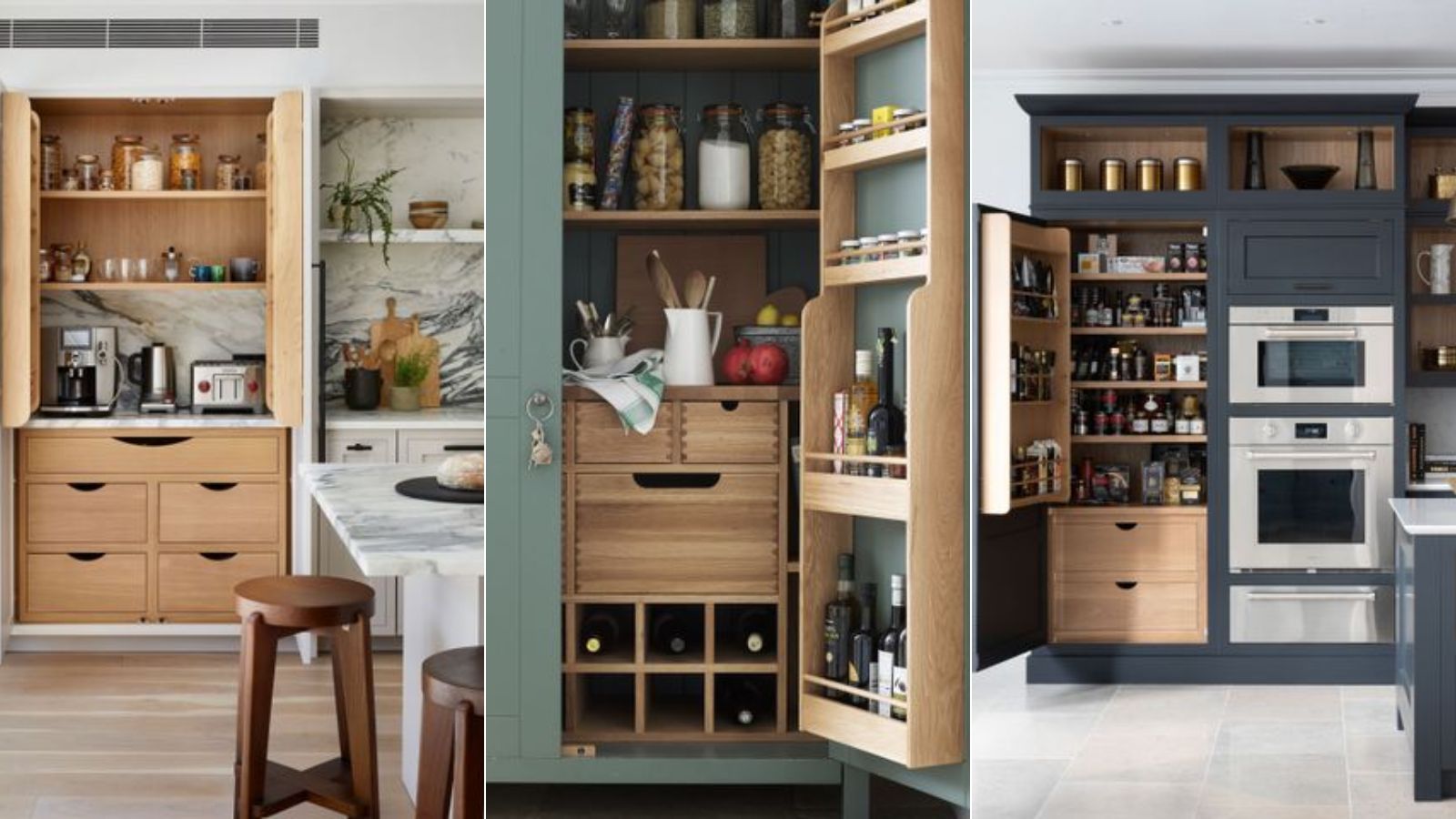


Converting a closet into a pantry with custom cabinets is one of the smartest ways to add storage and function to your kitchen without a full remodel. A nearby hall closet, coat closet, or underused bedroom closet can become a fully organized pantry with the right shelving, drawers, and cabinet layout. According to the 2026 U.S. Houzz Kitchen Trends Study, 47% of homeowners add pantry cabinets during a kitchen renovation, making it the most popular built-in feature. This guide walks you through every step of the conversion, from choosing the right closet to picking materials and organizing your new space.
Transforming a closet into a pantry with custom cabinets starts with choosing the right closet, removing what you do not need, and building a layout that makes every inch count. The process is simpler than most people think, and the results can completely change the way your kitchen works.
The National Kitchen and Bath Association (NKBA) 2025 Kitchen Trends Report found that 87% of designers say homeowners want pantries concealed behind cabinet doors or panels. That means a converted closet with built-in cabinets fits perfectly with what buyers and homeowners want right now.
Here is how to do it step by step.
Almost any closet can be converted into a pantry as long as it is dry, dark, and away from heat sources like ovens or water heaters. The best closets for this project are ones near or next to the kitchen, such as a hallway closet, a coat closet, or even a linen closet that is no longer being used.
A standard reach-in closet measures between 24 and 30 inches deep and 3 to 8 feet wide, according to Angi. That is enough space for several rows of shelves, pull-out drawers, and door-mounted racks. Even a small closet of just 5 square feet can hold a surprising amount of food and supplies when the storage is built to fit.
We see homeowners across North Alabama get excited about this project because it adds real function without tearing into walls or moving plumbing. The key is to understand your closet's exact measurements before planning any pantry cabinetry.
Start by removing everything inside the closet. Take out clothing rods, wire shelving, hooks, and any old hardware. Fill nail holes and screw holes with spackle, then sand the walls smooth once it dries.
Give the closet a fresh coat of paint. Light colors like white or soft gray reflect light and make a small space feel bigger. If you plan to add lighting later, now is the time to run a simple electrical line or install a battery-powered LED strip.
Clean the floor and check for any signs of moisture or mold. A pantry needs to stay dry, so fix any issues before you move forward.
Measure the height, width, and depth of the closet at multiple points. Closets are rarely perfectly square, so take measurements at the top, middle, and bottom. Write down every number.
For shelves, plan to leave at least 2 inches of clearance from the back wall. This gives you room for door-mounted organizers and prevents items from getting pushed behind shelves where you cannot see them. A depth of 14 to 16 inches works well for most pantry shelves, according to Family Handyman, since it keeps items visible and within easy reach.
This is where the real transformation happens. A custom cabinet layout lets you decide exactly where shelves, drawers, pull-out bins, and racks go based on what you actually store.
Think about the items you will keep in the pantry. Canned goods, cereal boxes, baking supplies, snacks, and small appliances all have different sizes. The 2026 Houzz Kitchen Trends Study found that 94% of homeowners now include specialty storage features in their upgraded cabinetry, including pull-out bins and tray dividers. That same approach works perfectly inside a converted closet.
A good layout might include taller shelves at the bottom for heavy items like bulk bags and small appliances, medium-height shelves in the middle for cans and boxes, and shorter shelves near the top for lighter items like spices and snacks. With custom cabinets, every piece is built to your exact closet dimensions, so nothing is wasted.
If you have no space for a traditional pantry, converting an existing closet is the best alternative. A coat closet, hallway closet, or even a closet in an adjacent room can serve as a pantry without any structural changes. Closets are deeper and taller than standard cabinet shelving, and that extra space gives you far more room for food storage.
Another option is to install a tall, narrow pantry cabinet beside the refrigerator or at the end of a counter run. Pull-out pantry cabinets as narrow as 6 inches can hold a full column of spice jars, cans, and bottles.
Research from the USDA shows that the average American family of four loses around $1,500 a year to uneaten food. A big part of that waste comes from not being able to see what you already have. A well-organized pantry, even a small one, helps you track your food and use it before it expires.
Pantry design mistakes to avoid include shelves that are too deep, poor lighting, no door organization, and skipping ventilation. Each of these problems makes the pantry harder to use and leads to wasted food and frustration.
Shelves deeper than 16 inches cause items to get lost in the back. According to Utah State University Extension research, the average American household wastes 31.9% of the food it buys. A lot of that waste happens because food gets pushed to the back of deep shelves and forgotten. Keep shelves between 12 and 16 inches for the best visibility.
A dark pantry is a disorganized pantry. Battery-powered LED puck lights or a simple overhead fixture makes a huge difference. You should be able to see every item on every shelf at a glance.
The back of the pantry door is valuable real estate. Add a door-mounted rack or slim shelves for spices, foil, plastic wrap, and small bottles. This alone can add 2 to 3 square feet of usable storage.
A closed pantry needs some air circulation to prevent moisture buildup and keep food fresh. A small gap under the door or a louvered door panel helps. If the closet has no ventilation, avoid storing items that are sensitive to humidity, like flour and crackers, on the lowest shelf.
A very deep closet can actually become one of the best pantries in your home if you use the space wisely. The trick is to avoid putting standard flat shelves all the way to the back wall.
Instead, install pull-out drawers or sliding shelves that let you access the full depth without reaching blindly into dark corners. Pull-out pantry shelves glide out smoothly so you can see and grab everything, even items stored 24 inches deep.
For walk-in closets being converted, consider a U-shaped or L-shaped cabinet layout. Line two or three walls with custom shelving and leave a clear walkway of at least 36 inches in the center. Family Handyman recommends walk-in pantries be at least 6 feet wide so that each wall can hold 16 to 18 inches of storage while keeping a comfortable 3-foot walking space.
The materials you choose for your pantry cabinets affect how long they last, how they look, and how well they hold up to daily use. According to the NKBA 2026 Kitchen Trends Report, 72% of designers say transitional and timeless designs are the most popular style choice, so materials that are clean and classic are a safe bet.
Plywood is one of the strongest and most moisture-resistant options for cabinet boxes. It typically lasts 25 to 30 years, far longer than particleboard, which can sag and swell when exposed to humidity. For shelves that hold heavy canned goods, 3/4-inch plywood is the best choice.
Solid wood, plywood, and medium-density fiberboard (MDF) are common choices. Each one has its own strengths. Knowing the difference between materials helps you pick the right fit. We always recommend that homeowners choose cabinet materials based on the room's humidity level and how much weight the shelves will carry.
MaterialDurabilityMoisture ResistanceTypical LifespanBest ForPlywoodHighGood25 to 30 yearsHeavy-duty pantry shelves, cabinet boxesMDFMediumFair15 to 20 yearsPainted cabinet doors and decorative panelsParticleboardLowPoor10 to 15 yearsBudget-friendly shelving in dry spaces onlySolid HardwoodVery HighGood (with finish)30+ yearsPremium pantry cabinets and face framesMelamine/LaminateMediumFair15 to 20 yearsEasy-clean interior shelves
Sources: Bradco Kitchens and Baths 2025 cabinet material analysis; Family Handyman closet dimension guide; general industry data on cabinet construction lifespans.
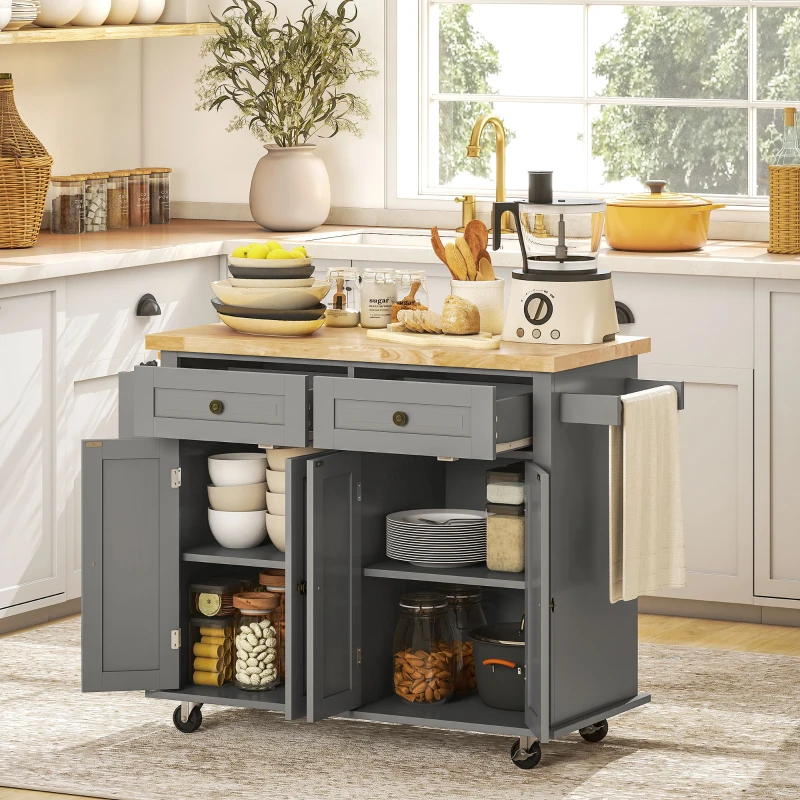
Instead of a traditional pantry, you can use a converted closet, a tall freestanding cabinet, a rolling cart, or open shelving mounted on a kitchen wall. Each option works depending on the space you have available.
A converted closet is the closest thing to a real pantry because it gives you an enclosed, dedicated space. But if no closet is available, a floor-to-ceiling kitchen cabinet with pull-out shelves can hold almost as much. A Redfin agent survey found that 83% of luxury homebuyers want walk-in pantries, which shows just how strongly buyers value dedicated food storage. Even if your home does not have one built in, adding a converted closet pantry gets you close to that same appeal.
Using cabinets as a pantry means dedicating one or more kitchen cabinets specifically to dry food storage and organizing them with the right inserts. The best way to do this is with pull-out shelves, door-mounted racks, and clear containers that let you see what is inside.
Start by choosing the tallest cabinet available, ideally a full-height unit near the refrigerator or stove. Add adjustable shelves spaced about 6 to 8 inches apart for cans and jars, and 10 to 12 inches apart for cereal boxes and taller items. The 2026 Houzz study found that 55% of homeowners now include specially designed cabinets or drawers for items like cookie sheets, trays, and baking supplies, so this kind of intentional organization is becoming the norm.
If you are planning a kitchen update and want cabinets that double as pantry storage, organized cabinetry with built-in dividers and pull-outs makes the biggest difference.
What you keep in the pantry versus cabinets depends on how often you use each item and how much space it takes up. The pantry is best for bulk items, backup supplies, and things you do not use every single day. Kitchen cabinets should hold the items you reach for during every meal.
Store these in your pantry: canned goods, dry pasta, rice, flour, sugar, baking supplies, cereal, snacks, oils, vinegar, extra condiments, paper towels, and bulk items bought on sale.
Store these in kitchen cabinets: everyday dishes, glasses, cooking utensils, spices you use daily, salt, pepper, coffee, tea, and anything you grab multiple times per day.
Keeping this separation clear prevents overcrowding in your kitchen cabinets and makes it easier to find what you need. A 2025 EPA report estimated that the average American consumer wastes about $728 worth of food per year, and a big factor is disorganized storage. A pantry with labeled, visible shelves helps you rotate stock and waste less.
Items that should not be stored in a pantry include anything that needs refrigeration, fresh produce that spoils quickly, and chemicals or cleaning products. A pantry is for dry, shelf-stable food and kitchen supplies only.
Avoid storing potatoes and onions together in the same area. When stored side by side, they release gases that speed up spoiling. Keep them on separate shelves or in different bins. Bread also tends to go stale faster in a warm, enclosed pantry, so many people prefer to keep it on the counter or in the refrigerator.
Never store cleaning supplies, pesticides, or chemicals near food. Even if your converted closet is small, always keep non-food items in a completely separate area. This is a basic food safety rule recommended by the FDA.
A closet pantry conversion does add value to a home, both in daily function and in resale appeal. According to Remodeling Magazine's 2025 Cost vs. Value Report, minor kitchen remodels return up to 113% of their cost at resale, making them the top-performing interior project in the country.
Adding a pantry falls into that "minor upgrade" category because it improves storage and organization without the expense of a full kitchen gut. The National Association of Realtors (NAR) and NARI found that kitchen upgrades earn a perfect 10 out of 10 satisfaction score, and 64% of homeowners say they have a greater desire to be at home after remodeling their kitchen.
A Redfin survey from 2024 confirmed that 83% of luxury homebuyers consider walk-in pantries a must-have. Even a closet-converted pantry signals to buyers that the home has been thoughtfully improved. We have seen homeowners in the Huntsville area turn unused coat closets into fully organized custom pantry storage that makes their kitchen feel twice as big.
A pantry closet should be at least 16 inches deep for standard shelving, and 24 inches deep if you plan to use pull-out drawers or store larger items like small appliances. According to Angi, the standard closet depth for pantry use is 16 to 20 inches, while kitchen cabinet depth runs about 24 inches.
If your closet is deeper than 20 inches, use that extra depth wisely. Add pull-out baskets or sliding shelves so nothing gets hidden in the back. Fixed shelves deeper than 16 inches tend to become dumping grounds where food gets forgotten and wasted.
The best shelf spacing for a converted pantry depends on what you store on each shelf. A good rule is to use adjustable shelving so you can change the layout as your needs shift over time.
Here is a general spacing guide that works for most households. Space shelves about 6 inches apart for cans and jars. Use 8 to 10 inches between shelves for boxes like cereal and pasta. Leave 12 to 14 inches for taller items like bottles, blenders, and mixers. The top shelf can be 14 to 16 inches from the ceiling for lightweight, rarely used items.
Custom built-in shelving gives you the flexibility to set each shelf at exactly the right height. Adjustable shelf pins make it easy to reconfigure later without any tools.
Stocking a pantry for the first time means starting with the essentials and building up over time. Do not try to fill every shelf on day one. Buy the staples you cook with most often and add specialty items as you go.
Start with these basics: rice, pasta, canned tomatoes, canned beans, cooking oil, vinegar, flour, sugar, salt, pepper, oats, peanut butter, honey, and a few boxes of broth. These items form the foundation of hundreds of meals.
From there, add items based on your family's eating habits. Snacks, baking supplies, extra condiments, and backup spices fill out the pantry over the next few weeks. Group similar items together on the same shelf so you always know where to look. Clear containers and labels help even more.
The USDA estimates that food waste in the United States runs between 30% and 40% of the total food supply. Stocking a pantry with intention, buying only what you need and rotating older items to the front, is one of the simplest ways to fight that waste right at home.
Once your closet-to-pantry conversion is done, a little regular care keeps it looking and working like new for years. Wipe down shelves once a month with a damp cloth. Check for any expired food every few weeks and move older items to the front each time you unpack groceries.
A solid cabinet maintenance routine protects your investment and keeps the space hygienic. Tighten any loose hinges or drawer slides every few months, and touch up any scuff marks on painted surfaces as they appear.
If you used quality materials during the build, your pantry cabinets should last 20 to 30 years with basic upkeep. Plywood boxes and solid wood doors hold up especially well in pantry environments where temperature and humidity stay relatively stable.
Converting a closet into a pantry typically takes 1 to 3 days for a DIY project using basic shelving, or 1 to 2 weeks when working with a professional for custom closet cabinetry that includes drawers, pull-outs, and built-in features. The timeline depends on the complexity of the design and the materials being used.
You typically do not need a permit to convert a closet into a pantry if the work only involves shelving, paint, and cabinetry. However, if you are adding electrical wiring for lighting or making structural changes like removing a wall, a permit may be required depending on your local building codes.
The best door style for a pantry closet depends on the space available. A standard swing door works well if there is clearance, while a sliding barn door or pocket door saves space in tight hallways. Louvered doors are a good choice because they allow airflow, which helps keep food fresh.
Yes, you can add lighting to a closet pantry without any electrical wiring. Battery-powered LED puck lights, rechargeable LED strips, and motion-activated lights all work well inside a pantry. These options are easy to install and cost very little.
The ideal temperature for a pantry is between 50 and 70 degrees Fahrenheit. According to the USDA, most shelf-stable foods stay fresh longest when stored in a cool, dry environment away from direct sunlight and heat sources. A closet that sits on an interior wall usually maintains a stable temperature year-round.
Pantry shelves should be adjustable whenever possible. Adjustable shelving lets you change the spacing as your storage needs change, which prevents wasted vertical space. Fixed shelves work for specific items like wine racks or appliance nooks, but the majority of your pantry benefits from flexibility.
A closet-to-pantry conversion is one of the most practical home improvements you can make. It solves a real storage problem, adds value to your home, and makes your kitchen run more smoothly every day. Whether you are working with a small coat closet or a spacious walk-in, the right custom cabinets turn wasted space into something your whole family will use.
If you are ready to turn an unused closet into the organized pantry you have always wanted, Classic Cabinetry builds every piece to your exact specifications with over 44 years of experience. Give us a call at (256) 423-8727 to set up a free estimate and get started.