.avif)


.avif)


.avif)
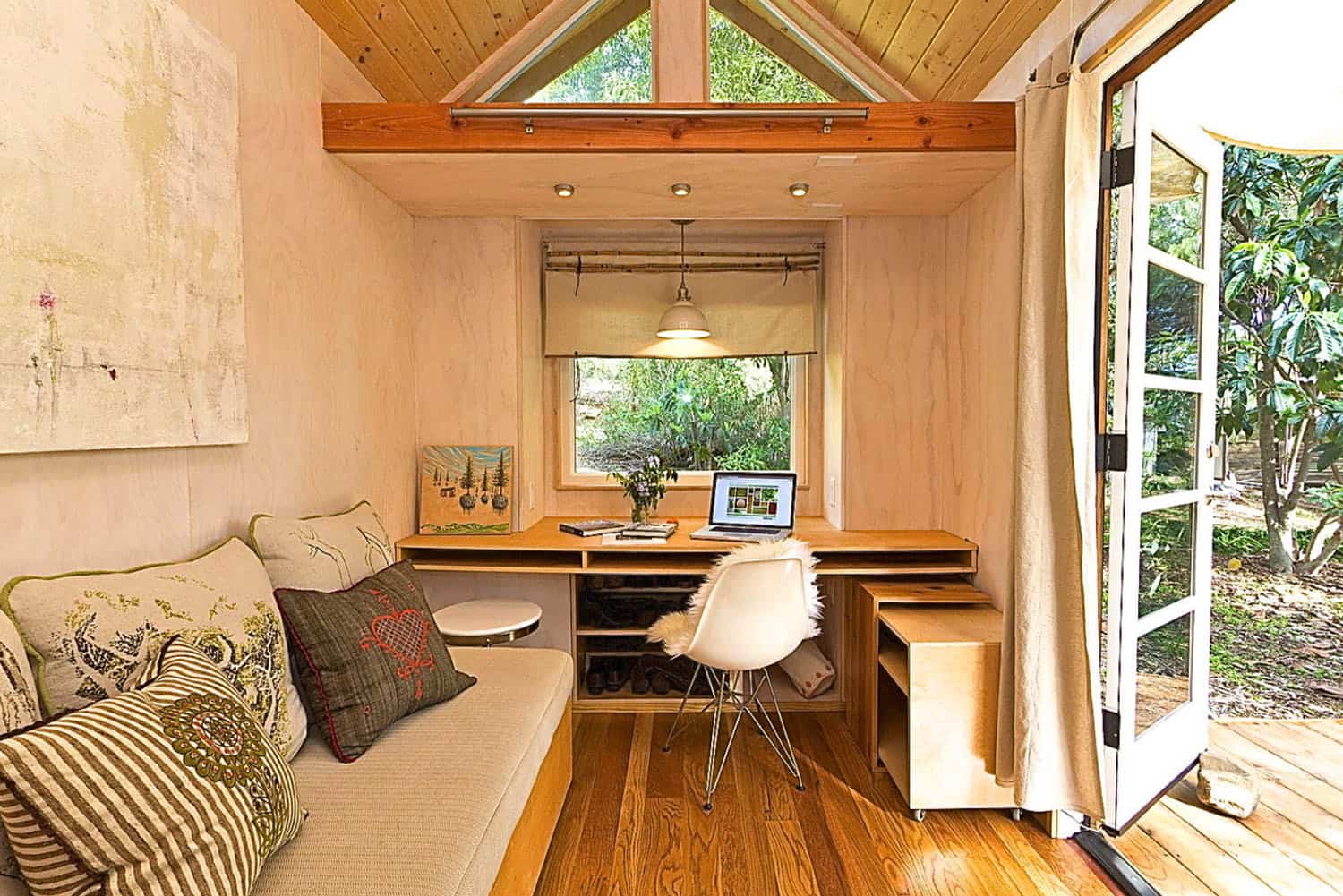
How to Design a Home Office and Guest Room Combo With Custom Cabinetry
link desc


A custom closet costs between $1,000 and $10,000 for most homeowners, with the national average sitting around $2,100 to $3,500 depending on the source. According to Angi, the average custom closet installation costs $2,133, with most projects falling between $1,044 and $3,221. Walk-in closets run higher at $1,000 to $8,000, while reach-in closets are more affordable at $500 to $3,800. The final price depends on closet size, material choice, the features you add, and whether a professional handles the installation. In this article, we break down every cost factor, compare closet types, and share practical ways to get the most value from your investment.
The type of closet you build is the single biggest factor in how much you will spend. Walk-in closets need more materials, more labor, and more design work than smaller reach-in closets. Built-in wardrobes and specialty closets like linen or utility closets fall somewhere in between.
A custom walk-in closet costs $1,500 to $10,000 or more for a full build with shelving, drawers, hanging rods, and accessories. According to HomeGuide, walk-in closet installation costs $1,000 to $8,000, with the average landing between $3,000 and $5,000 for a mid-range system. HomeAdvisor places the average walk-in at $5,000 to $7,500. Most walk-in closets start at a minimum of 7 feet by 10 feet, giving about 70 square feet of floor space. That footprint allows shelves on three walls with a clear walkway in the middle.
At the high end, luxury walk-in custom closets with features like a center island, integrated LED lighting, glass-front drawers, and premium wood finishes can run $10,000 to $20,000 or more. According to Fixr, a boutique-style 100-square-foot walk-in with wood veneer shelves, motorized accessories, jewelry storage, and a custom island can cost up to $20,000.
A custom reach-in closet costs $500 to $3,800, making it the most budget-friendly option. According to HomeGuide, building a reach-in closet costs $500 to $3,800 depending on size and features. Reach-in closets need a minimum depth of 24 inches and work best when they span at least half the width of the room they serve.
Even though they are smaller, smart design can make a reach-in closet just as functional as a walk-in. Double hanging rods, pull-out baskets, adjustable shelves, and shoe racks can more than double the usable storage. According to Fixr, a basic 6-foot laminate reach-in closet with shelving and partitioned hanging spaces starts around $1,200, while a more customized version with accessories and painted shelves runs $2,500 to $5,000.
A built-in wardrobe costs $1,500 to $4,500 installed, according to HomeGuide. Built-ins are permanently mounted into an existing wall recess and include cabinets, drawers, or open shelving depending on your storage needs. They are a strong option for bedrooms that do not have a traditional closet. Mirrored doors brighten a dark room, while paneled or upholstered doors add a high-end feel.
How much you should budget for a custom closet depends on the scope you have in mind. For a basic reach-in closet upgrade, $1,000 to $2,500 is realistic. For a mid-range walk-in with quality materials and professional installation, budget $3,000 to $7,000. For a luxury walk-in with premium finishes and advanced accessories, plan on $8,000 to $20,000 or more.
According to SpaceManager Closets, custom closet costs break into three tiers. Budget-friendly modular systems using pre-made components run $500 to $3,500. Mid-range systems with thermally fused laminate, custom shelving, drawers, and accessories cost $2,500 to $7,000. High-end luxury systems with glass, lighting, and premium features range from $6,000 to $20,000 or more.
The global home organization products market was valued at $12.59 billion in 2024 and is expected to reach $13.27 billion in 2025, according to Business Research. That growth is driven by homeowners investing more in storage solutions as living spaces get smaller and clutter becomes a bigger concern. Closet organizers account for a significant share of that market. Whatever your budget, getting a professional design consultation first helps you avoid overspending on features you will not use and underspending on the ones you will use every day.
Several factors affect custom closet costs, and understanding them helps you control the final number. The biggest cost drivers are size, materials, accessories, installation method, and where you live.
Larger closets need more shelving, more hanging rods, more drawers, and more labor. According to Angi, custom closets cost $30 to $50 per square foot for most installations. HomeGuide places the range at $25 to $35 per square foot. A 40-square-foot reach-in costs far less than a 100-square-foot walk-in simply because of the difference in materials and time required.
Material choice has a huge impact on your final bill. Wire shelving is the cheapest option but looks basic. Laminate and thermally fused laminate (TFL) offer a good balance of durability, appearance, and cost. Solid wood and wood veneer sit at the top of the price range but deliver the richest look and longest lifespan. According to SpaceManager Closets, wire and painted MDF systems run $500 to $3,500, TFL with accessories costs $2,500 to $7,000, and TFL with glass, lighting, and premium accessories runs $6,000 to $20,000 or more.
We see the best long-term results with high-quality materials that resist warping and moisture, especially in closets near bathrooms or laundry rooms.
Every add-on increases the total. Shoe racks, jewelry trays, belt and tie holders, pull-out hampers, valet rods, and built-in mirrors all add cost but also add daily convenience. According to HomeAdvisor, storage accessories range from $45 to $2,500 depending on complexity. Integrated LED lighting typically costs a few dollars per year to run and adds both function and a high-end feel. According to Angi, minor repairs like tightening a rod or fixing a drawer cost $50 to $100, while major repairs like replacing warped shelving can run $200 to $800.
Professional installation costs more upfront but delivers a better fit, stronger durability, and often includes warranty protection. According to HomeGuide, a carpenter charges $40 to $100 per hour, while a general contractor charges $50 to $150 per hour or 10% to 20% of the total project cost. DIY installation using a modular kit from a home improvement store can save money, but alignment and levelness issues are common without professional tools. According to HomeAdvisor, general contractors charge 15% to 25% of the total project cost for closet work.
Seeing the numbers side by side makes budgeting easier. The table below breaks down costs for the most common closet types, with data from multiple sources.
Closet TypeAverage Cost RangeCost Per Square FootTypical Installation TimeReach-In Closet (Basic)$500 to $2,500$17 to $351 dayReach-In Closet (Custom)$1,200 to $5,000$25 to $501 to 2 daysWalk-In Closet (Mid-Range)$3,000 to $8,000$30 to $502 to 3 daysWalk-In Closet (Luxury)$8,000 to $20,000+$50 to $150+3 to 5 daysBuilt-In Wardrobe$1,500 to $4,500$25 to $451 to 2 daysFreestanding Wardrobe$1,000 to $3,000N/AAssembly only
Sources: Angi, HomeGuide, HomeAdvisor, Fixr, SpaceManager Closets, George Constructions
Reach-in closets are the fastest and most affordable way to add organized storage. Walk-in closets deliver the biggest impact on daily life and buyer appeal. The right choice depends on your available space and how much storage you truly need.
Yes, custom closets increase house value by improving both function and buyer perception. According to the National Association of Realtors, homeowners who invest in closet upgrades can see an ROI of up to 56%. Closet Plus Inc. reports that ROI for custom closets often falls between 50% and 100%, depending on quality, home price, and local buyer expectations.
According to data referenced by USA Today from the National Association of Realtors, 60% of homebuyers will pay more for a home with a custom closet. The National Association of Home Builders found that closet design is ranked among the most desirable features, especially for younger buyers. According to Angi, built-in closets for average homes cost $1,400 to $4,000 and return approximately $700 to $2,000 in resale value, putting ROI between 45% and 60% depending on location.
Custom closets do not add value the same way a bedroom addition or kitchen remodel does. They add perceived value. According to DTH Remodeling, a home with better storage may sell faster, receive stronger offers, or avoid price reductions. The impact on a buyer's decision often matters more than the raw dollar amount added to an appraisal. We have seen this play out consistently across homes in North Alabama, where organized closet systems help listings stand out.
It is cheaper to buy a wardrobe in most cases, but building a closet delivers more long-term value. A freestanding wardrobe costs $1,000 to $3,000 according to HomeGuide, while a built-in closet costs $1,500 to $4,500 and a custom walk-in starts at $3,000 or more.
A wardrobe is a piece of furniture you can move. A built-in closet is a permanent part of the home that adds to both daily function and resale appeal. Wardrobes also take up floor space in the room, while built-ins sit flush against the wall or inside an existing recess. For homes that lack closet space entirely, adding a built-in is almost always the better investment because it solves the problem permanently. A well-designed closet system also adds more to buyer perception than any piece of freestanding furniture.
If budget is tight and you need storage now, a quality freestanding wardrobe works fine. If you are planning to stay in the home for several years or preparing to sell, a custom closet is the smarter play.
A contractor charges $1,500 to $8,000 or more to build a closet from scratch, depending on the type and complexity. According to HomeGuide, the average cost to build a closet from scratch is $25 to $35 per square foot, including materials and labor. A simple reach-in might run $500 to $2,000 in labor alone, while a full walk-in with custom shelving, drawers, lighting, and a center island can run $5,000 to $8,000 or more.
If structural work is needed, like framing new walls or running electrical for lighting, the costs go up further. According to HomeGuide, framing costs $13 to $15 per linear foot, drywall runs $1.50 to $3.50 per square foot, an interior door costs $150 to $400, and recessed lighting adds $125 to $300 per can light. According to HomeAdvisor, building permits for closet projects that require structural changes cost $400 to $2,200.
Getting quotes from at least three professionals is the best way to compare. Ask each one for an itemized breakdown so you can see exactly where the money goes. We handle every step from design through installation, so homeowners always know the full scope before any work begins.
The 70/30 rule for wardrobe is a closet organization principle that says 70% of your closet space should be dedicated to hanging clothes and 30% should be used for folded items, shoes, and accessories. This ratio works well for most people because the majority of everyday clothing (shirts, pants, dresses, jackets) hangs better than it folds.
When designing a closet layout, this rule helps you decide how much rod space versus drawer and shelf space to include. A well-designed custom closet uses this ratio as a starting point and then adjusts based on your actual wardrobe. If you own more folded items like sweaters and activewear, you might shift closer to 60/40. If your wardrobe is mostly professional attire, 80/20 might be a better fit.
The most durable closet material is solid hardwood, followed closely by plywood and thermally fused laminate (TFL). Solid wood like oak, maple, or birch resists warping and holds up for decades with proper care. Plywood is lighter and more affordable than solid wood while still offering excellent strength and moisture resistance.
According to SpaceManager Closets, TFL is one of the most popular materials for custom closets because it offers durability and a wide range of finishes at a mid-range price point. TFL resists scratches and stains better than painted MDF. Wire shelving is the least durable option and tends to leave marks on folded clothes over time.
For closets in humid environments, like those connected to bathrooms or laundry rooms, moisture-resistant materials are worth the extra cost. Solid wood with a sealed finish or marine-grade plywood handles humidity much better than particle board or unfinished MDF.
The rule of 3 for cleaning closets is a decluttering method that says you should sort every item in your closet into one of three categories: keep, donate, and discard. Go through your closet one section at a time and make a quick decision on each piece. If you have not worn it in the past year, it goes in the donate or discard pile.
This rule matters for custom closet planning because the amount of storage you actually need depends on how much you keep. Most homeowners who declutter before a closet redesign find they need 20% to 30% less storage than they originally thought. That can translate directly into cost savings on your custom closet project.
The latest closet design trends for 2025 and 2026 lean toward clean lines, warm wood tones, integrated lighting, and multi-functional features. According to the NKBA 2026 Kitchen Trends Report, 94% of industry professionals agree that homeowners are adding functional spaces like mudrooms, closets, and flex-office areas to their homes. The demand for personalized, space-saving storage continues to grow as living spaces get smaller and remote work makes home offices a higher priority.
Concealed storage is a major trend. According to the NKBA 2025 Kitchen Trends Report, 87% of designers said homeowners want concealed elements with seamless design. That same mindset applies to closets, where hidden hampers, pull-out valet rods, and closed-door shoe storage keep the space looking clean. Open shelving has declined in popularity, while glass-front drawers and interior cabinet lighting are on the rise.
Natural wood finishes are replacing the all-white look. White oak, walnut, and warm-toned laminates dominate current designs. Soft-close drawers and quiet-close doors are now considered standard rather than premium. Smart features like USB charging stations and motion-activated lighting are gaining traction, especially in walk-in closets that double as dressing rooms. For homeowners planning a closet project alongside a broader renovation, pairing closet work with bathroom cabinetry or a mudroom build often saves money through combined design and installation.
Saving money on a custom closet starts with being honest about what you actually need versus what looks nice in a showroom. Here are the most effective ways to keep costs down without sacrificing quality.
Declutter first. Getting rid of items you no longer wear or use before designing the closet means you need less storage, which directly lowers the cost. A smaller, well-planned system always works better than a large, overstuffed one.
Choose TFL or laminate over solid wood. These materials look great, resist scratches and stains, and cost significantly less than hardwood or wood veneer. For most closets, the visual difference is minimal while the cost difference is substantial.
Prioritize function over flash. Spend on the features you will use daily, like double hanging rods, pull-out drawers, and adjustable shelves. Skip the extras you will rarely touch, like motorized shoe carousels or velvet-lined jewelry trays, unless they fit comfortably in your budget.
Skip the center island in smaller walk-ins. An island only works in closets with enough floor space to walk comfortably around it. In a tight space, an island creates more frustration than convenience. That money is better spent on wall-mounted storage. Smart space-saving strategies work in small walk-in closets just as well as large ones.
Combine projects. If you are already doing work on a built-in bookshelf or another room, bundling closet work into the same project can reduce design and installation costs since the crew is already on site.
The average price for a built-in closet is $1,500 to $4,500 installed, according to HomeGuide. Built-in closets are permanently mounted into a wall recess and include a combination of shelves, drawers, hanging rods, and sometimes doors. The final cost depends on materials, size, and the level of customization. Laminate-based built-ins cost less, while solid wood with custom accessories runs higher.
Yes, a custom closet is a good investment for both daily quality of life and home resale. According to the National Association of Realtors, homeowners who invest in closet upgrades can see an ROI of up to 56%. A quality closet system can recoup 50% to 70% of its cost in resale value according to Amazing Closets and More. Beyond dollars, custom closets save time every morning and reduce stress by keeping belongings organized and easy to find.
Building a 5x5 closet (25 square feet) costs approximately $625 to $1,250 for basic construction at $25 to $50 per square foot, according to HomeGuide and Angi. That covers framing, drywall, flooring, a door, and basic shelving. Adding a custom organization system inside the closet adds $500 to $3,000 depending on materials and features.
The smallest size a custom closet can be is about 2 feet deep by 3 feet wide for a basic reach-in. That provides enough room for a single hanging rod and a shelf above it. Reach-in closets need a minimum depth of 24 inches to allow hangers to hang freely. For a functional walk-in, the minimum recommended size is about 4 feet by 4 feet, though 7 feet by 10 feet is standard for a comfortable walk-in with storage on multiple walls.
What increases closet installation costs is structural work (framing new walls, running electrical), premium materials (solid wood, glass inserts), luxury accessories (motorized racks, built-in mirrors, center islands), and geographic location. According to HomeGuide, adding electrical wiring costs $100 to $150, recessed lighting adds $125 to $300 per fixture, and building permits for structural changes can run $400 to $2,200.
Installing a custom closet from a big-box store costs $500 to $3,000 for semi-custom modular systems. According to HomeGuide, Closets by Design charges $1,800 to $7,000 for a walk-in and $1,100 to $3,000 for a reach-in. California Closets runs $175 to $1,800 or more per linear foot. Home Depot semi-custom designs range from $500 to $3,000 according to George Constructions. These systems offer convenience but less flexibility than a fully custom-built closet.
The best month to buy closet organizers is January or September. January follows the holiday season when retailers clear inventory and New Year's organization goals drive promotions. September marks the end of summer and the start of back-to-school season, when many home organization brands run clearance sales. Shopping during these windows can save 15% to 30% on materials and systems.
A custom closet is one of the most practical upgrades you can make to any home. Whether you spend $1,000 on a smart reach-in system or $15,000 on a luxury walk-in, the key is matching the design to how you actually live. The right materials, the right layout, and the right features turn a cluttered space into something that saves you time every single day and adds real appeal when it is time to sell.
If you are ready to explore what a custom closet would look like in your home, Classic Cabinetry can help you design something that fits your space and your budget. Call us at (256) 423-8727 to schedule a free consultation.