.png)


.png)




.png)

.png)


.png)
Energy Efficient Electrical Systems for Kitchens
link desc
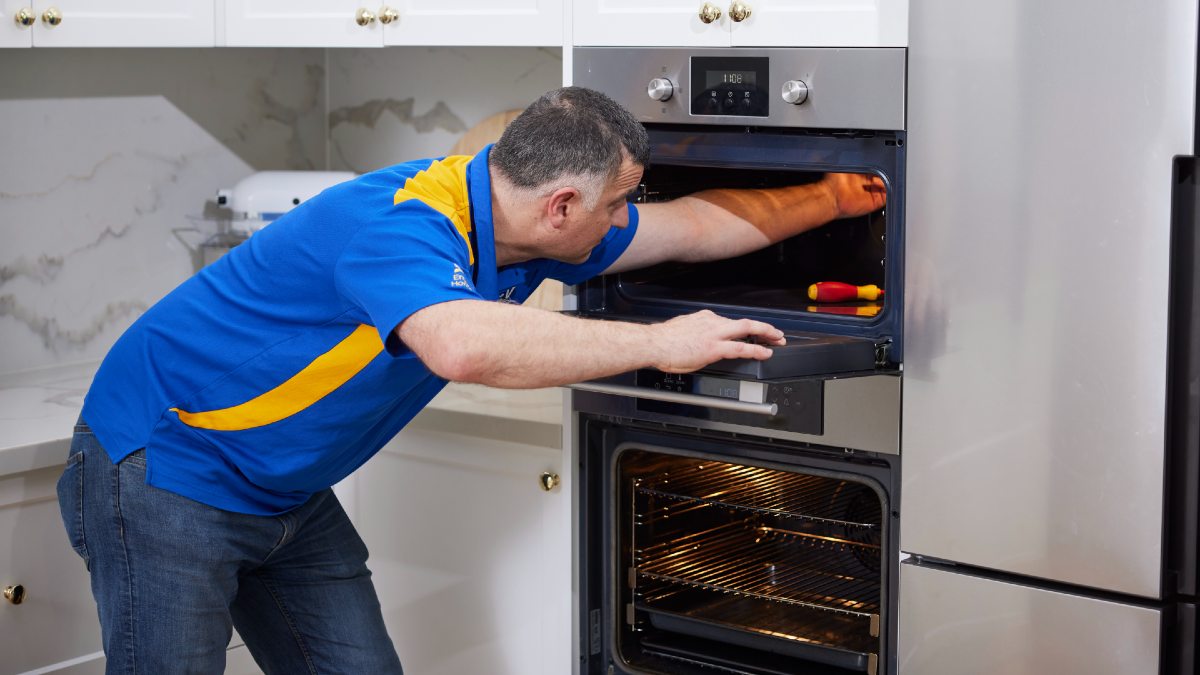


Energy efficient electrical systems for kitchens include LED lighting, induction cooktops, ENERGY STAR-rated appliances, smart outlets, and well-planned circuit layouts that cut your energy use and lower your monthly utility bills. The kitchen is one of the largest energy consumers in any home or commercial space, accounting for roughly 17 percent of the average household's electricity bill, according to household appliance energy use data aggregated from the U.S. Energy Information Administration. Getting your kitchen's electrical systems right from the start, or upgrading them strategically, is one of the most effective ways to reduce energy waste and add lasting value to your space. This guide covers every major electrical system in a kitchen, how efficient each one is, what upgrades deliver the biggest returns, and how smart design and storage planning tie it all together.
The most energy efficient electrical systems for kitchens are induction cooktops, LED lighting, ENERGY STAR-certified appliances, smart circuit controls, and properly sized ventilation systems. Each one targets a different source of energy waste, and together they can dramatically reduce a kitchen's total electricity draw. According to the U.S. Department of Energy, replacing outdated appliances with efficient models can save between 5 and 30 percent on annual energy bills, with a single appliance swap often paying for itself over time.
A kitchen that is thoughtfully designed, with well-placed appliances, organized storage, and clean wiring layouts, uses less energy than a cluttered, disorganized one. Efficient custom kitchen cabinets play a role here too. When cabinets are built to the right dimensions and positioned around appliances properly, you reduce the need to keep appliance doors open longer than necessary, prevent obstructions near ventilation systems, and keep your kitchen operating smoothly.
An energy efficient appliance is one that delivers the same or better performance as a standard model while using measurably less electricity or fuel. The clearest marker is the ENERGY STAR label, a certification from the U.S. Environmental Protection Agency that guarantees the appliance meets strict efficiency standards. According to the U.S. Department of Energy, ENERGY STAR-certified appliances include refrigerators, dishwashers, freezers, and ovens, and identifying them is as simple as looking for the blue label on the product.
Appliances account for roughly 13 percent of a home's total energy bill, according to Get Beautified. Upgrading even one major kitchen appliance, like an old refrigerator that runs 24 hours a day, can make a meaningful dent in that cost. A refrigerator alone can account for up to 10 percent of a household's total electricity use, according to FOTILE Global appliance data. Choosing a newer, ENERGY STAR-certified model is one of the most straightforward ways to cut your kitchen's energy draw without changing your daily habits at all.
Induction cooking is the most energy efficient cooking method. According to ENERGY STAR data, induction cooktops operate at approximately 85 percent efficiency, compared to about 74 percent for conventional electric smooth-top stoves and roughly 40 percent for gas stoves. That means when you cook with gas, nearly 60 percent of the energy you are paying for is wasted to the surrounding air. With induction, only about 15 to 16 percent is lost.
The reason induction is so efficient comes down to physics. An electromagnetic field transfers energy directly into the cookware itself, so no heat is wasted heating the air or the cooktop surface between the burner and the pan. The cooktop surface stays cool to the touch while the food cooks. According to the U.S. Department of Energy, induction appliances are up to three times more efficient than gas stoves and up to 10 percent more efficient than conventional smooth-top electric stoves. Consumer Reports testing has found that induction cooktops can boil water 20 to 40 percent faster than tested gas and traditional electric cooktops.
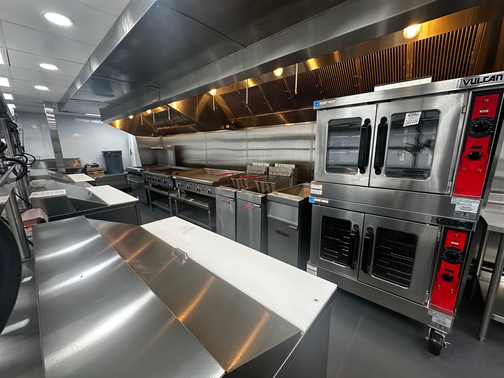
In a busy commercial kitchen, those efficiency gains add up fast. A 2024 industry analysis on induction versus gas cooking estimated a 3 to 5 percent productivity gain in commercial kitchens due to induction's faster heating times. For restaurants operating on thin margins, that kind of speed and efficiency difference matters every single service.
Yes, induction is better than gas for a kitchen in terms of energy efficiency, safety, and ease of cleaning. Induction is up to three times more efficient than gas, cooks faster, and produces no combustion byproducts indoors. Gas stoves release nitrogen dioxide and other combustion gases into the kitchen air, according to research cited by San Mateo County's sustainability department. Induction generates no indoor air pollutants. The cooktop surface never gets dangerously hot because the heat is created within the cookware, not on the surface. Spills do not burn onto the surface, making cleanup far faster than cleaning around gas burners and grates.
LED lighting makes a kitchen more energy efficient by using up to 75 percent less electricity than traditional incandescent bulbs while lasting up to 25 times longer, according to the U.S. Department of Energy. Lighting accounts for roughly 15 percent of an average home's electrical use, making the kitchen, where lights are often on for hours at a time, a high-impact area for lighting upgrades.
The difference in energy draw is not subtle. A traditional 60-watt incandescent bulb can be replaced by an LED that delivers the same brightness using just 8 to 10 watts. Over the lifetime of a single LED bulb, the savings are substantial. The DOE estimates that LED bulbs last 25,000 to 50,000 hours, compared to about 1,000 hours for incandescent bulbs. In a kitchen with multiple recessed lights, under-cabinet task lighting, and pendant fixtures, switching to LED across the board reduces the lighting load significantly and eliminates the frequent bulb replacements that add up in labor and material costs.
Smart LED systems take the savings further. Motion sensors, occupancy controls, and app-connected dimmers make sure kitchen lights are only on when needed and at the brightness level the task actually requires. According to Bray and Scarff, pairing LED lights with smart systems like motion sensors or app-controlled dimmers means lights are used only when necessary, cutting consumption even further beyond what LEDs alone achieve.
The best lighting for an energy efficient kitchen is a layered LED system that combines recessed ceiling lights, under-cabinet task lighting, and pendant or island lighting, all using LED bulbs and ideally connected to dimmer switches or smart controls. Recessed downlights are among the most common kitchen lighting choices and the DOE estimates there are more than 600 million recessed downlights installed in U.S. homes and businesses. Switching all of those to LED would represent enormous energy savings at a national scale.
Under-cabinet task lighting is especially important in kitchens because it directs light exactly where you need it for food prep, reducing the need to run all ceiling fixtures at full brightness just to illuminate a cutting board. A well-designed kitchen cabinet layout that includes space for under-cabinet LED strips is both more energy efficient and more functional than relying on overhead lighting alone.
ApplianceTypical Annual Energy UseEnergy Star Available?Top Efficiency UpgradeRefrigerator/Freezer Combo350–1,460 kWh/yrYesNew ENERGY STAR model (saves up to 10% of home energy)Dishwasher1,800W per cycleYesRun only when full; use air-dry settingElectric Range/Oven~875 kWh/yr (modern 2,400W)YesConvection setting cooks faster, uses less energyInduction CooktopLower than electric rangeYes (Emerging Tech)85% efficiency vs. 40% for gas; 3x more efficientMicrowave~215 kWh/yr (1,200W, 30 min/day)Guidelines only (post-2024)Use instead of full oven for small meals (saves 50–67%)Range Hood/Ventilation~25 kWh/yrYesUse only when cooking; match fan speed to needLED Lighting (full kitchen)75% less than incandescentYesAdd dimmers and motion sensors for additional savings
Sources: U.S. Department of Energy, ENERGY STAR, Kowalske Kitchen Remodel data, FOTILE Global Appliance Energy Use Statistics, Bray and Scarff Kitchen Design.
The most energy efficient way to cook in a kitchen is to match the heat source to the task. Use a microwave or toaster oven for small meals and reheating instead of a full-size oven. According to the U.S. Department of Energy, a toaster or convection oven uses one-third to one-half as much energy as a full-sized oven. For stovetop cooking, use a burner or induction zone that matches the diameter of your pot or pan. When you heat a larger burner than the pot sitting on it, the excess heat goes directly into the room air, doing nothing useful. How you design your kitchen cabinetry materials also matters; durable materials around cooktops hold up to heat and require less maintenance over time.
Lids on pots and pans are one of the simplest and most effective energy-saving habits in any kitchen. Covering a pot reduces the time it takes to bring water to a boil, which means the burner or induction zone runs for less time. Keeping range-top burners clean is also important. Clean burners and reflectors reflect heat more efficiently, according to the DOE. Dirty or warped burner rings and grates reduce the amount of heat that actually reaches the cookware.
For larger appliances, using the convection setting on an electric oven is more efficient than conventional bake mode. Convection circulates hot air around the food, cooking it more evenly and often 25 percent faster, which directly reduces the time the oven element is running. The U.S. Department of Energy recommends using the convection setting whenever possible for faster, more efficient cooking.
Yes, a well-organized kitchen uses less energy in several measurable ways. Every time you open a refrigerator or freezer and stand there deciding what to grab, cold air escapes and the compressor has to work harder to bring the temperature back down. The DOE recommends keeping refrigerator seals airtight and knowing what you need before you open the door. A kitchen with clear, organized storage makes it faster to find food and reduces the time the door stays open.
Beyond refrigeration, a cluttered kitchen often leads to inefficient appliance placement. Appliances that are crammed together without proper airflow around them run hotter and less efficiently. Refrigerators need several inches of clearance on the sides and top for heat to dissipate. A dishwasher that is hemmed in by cabinetry without proper venting works against its own efficiency. Well-built custom kitchen cabinetry that is measured and designed around your specific appliances makes sure every piece of equipment has the clearance it needs to operate at peak efficiency.
Smart electrical systems improve kitchen efficiency by automating and optimizing how electricity is used throughout the space. Smart outlets track standby power draw and let you cut power to appliances that are not in use. Many kitchen appliances continue drawing small amounts of power even when switched off. These phantom loads, as the DOE calls them, occur in appliances like microwaves, coffee makers, and kitchen electronics that display clocks or maintain memory functions. Plugging these into a smart power strip and scheduling them to cut power overnight or during off-hours eliminates phantom loads without requiring any daily habit changes.
Smart lighting controls, including occupancy sensors, motion detectors, and programmable dimmers, make sure kitchen lights are never running when no one is in the room. Smart thermostats that connect to HVAC systems can also reduce the cooling load that a hot kitchen puts on your home's air conditioning system, particularly important in summer when cooking and cooling compete directly with each other.
ENERGY STAR products are appliances and fixtures that have been tested and certified by the U.S. Environmental Protection Agency to meet strict energy efficiency standards without sacrificing performance. In a kitchen, ENERGY STAR products include refrigerators, dishwashers, ranges, and now some ventilation systems. Choosing ENERGY STAR products matters because these are not just marketing labels. They are based on verified testing data. An ENERGY STAR refrigerator, for example, uses at least 15 percent less energy than the federal minimum standard for comparable models.
ENERGY STAR certification also helps homeowners and business owners qualify for rebates and tax credits under federal and state programs. The Inflation Reduction Act, for example, created rebate programs of up to $840 for replacing gas or conventional electric cooktops with induction models, according to the U.S. Department of Energy. These financial incentives make upgrading to efficient systems more accessible and reduce the payback period on the investment. Pairing ENERGY STAR upgrades with smart kitchen cabinet organization maximizes the return on a kitchen improvement project by improving both efficiency and usability at once.
Planning the electrical layout of an energy efficient kitchen starts with identifying the high-draw appliances and making sure each one has a dedicated circuit. A refrigerator, dishwasher, microwave, and garbage disposal each need their own circuit to prevent tripping breakers and to prevent the shared load from causing any single appliance to run at reduced efficiency. According to the National Electrical Code (NEC), kitchen circuits also require a minimum of two 20-amp small appliance branch circuits for countertop receptacles.
GFCI (Ground Fault Circuit Interrupter) outlets are required by code in kitchens wherever water and electricity are in close proximity, including near sinks and countertop areas. These are not just safety requirements. GFCI outlets protect appliances from damage caused by electrical faults, which extends the life of the equipment and avoids early replacement costs.
Proper placement of outlets and circuits also affects how efficiently a kitchen operates day to day. If appliances like toaster ovens, coffee makers, or blenders need extension cords to reach a socket, you are already working around a poorly planned layout. A licensed electrician working from a well-designed kitchen plan will position outlets where they are naturally needed, eliminate the need for power strips and extension cords at cooking areas, and make sure the circuit load is balanced across your electrical panel.
A kitchen remodel can improve energy efficiency by replacing outdated appliances, upgrading to LED lighting, adding smart controls, improving ventilation, and redesigning the layout to eliminate wasted space and inefficient appliance placement. According to Today's Homeowner, replacing single-pane windows during a remodel can lower household energy bills, and 9 out of 10 homebuyers now prefer homes with energy-efficient features that lower energy costs. A remodel that targets energy efficiency adds real, measurable value to a home.
The layout decisions made during a kitchen remodel have lasting energy consequences. A kitchen designed with the refrigerator away from heat sources like the oven and dishwasher reduces the compressor load on the refrigerator. A range positioned under a properly sized ventilation hood reduces the heat and humidity load on the room's HVAC system. These are design decisions that are far easier to get right during a planned remodel than to correct after the fact. At our showroom in Ardmore, Alabama, we work with homeowners and business owners from the planning stage to make sure the cabinetry layout supports an efficient, functional kitchen from day one.
Thoughtfully designed custom pantry cabinetry also contributes to efficiency. When dry goods, small appliances, and kitchen tools have dedicated, accessible storage spaces, you spend less time with refrigerator and cabinet doors hanging open while you search. Over time, those small habits driven by poor storage design add up to real energy waste.
Energy efficient ventilation in a kitchen means using a range hood that is properly sized for your cooktop, running it only when cooking, and choosing a model rated by ENERGY STAR for efficient motor performance. Range hoods are among the lowest-energy appliances in a kitchen, typically using only 25 kWh per year according to appliance energy data from Kowalske Kitchen Remodel. However, an undersized hood running at maximum speed to compensate for poor sizing wastes energy and does not ventilate effectively. Choosing the right cabinet finishes near your range and hood also matters; certain finishes resist heat and grease better, lasting longer and reducing the need for early replacements.
The key rule is to match the range hood's capacity in cubic feet per minute (CFM) to the size and type of your cooktop. A gas range typically requires more ventilation than an electric or induction cooktop because combustion produces additional heat and gas byproducts. With induction, less heat is released into the kitchen air, so the ventilation load is lower. This is another efficiency advantage of switching to induction: it reduces not just cooking energy, but the energy your HVAC system uses to cool the kitchen after cooking.
Cabinet design plays a direct role in kitchen energy efficiency through appliance clearance, refrigerator placement, ventilation access, and storage organization. Cabinets that are built around appliances without adequate clearance trap heat and reduce efficiency. A refrigerator needs airflow around the condenser coils to dissipate heat. When cabinets are too tight on the sides or top, that heat builds up, and the compressor runs longer and harder to maintain temperature.
For commercial kitchens, the relationship between cabinetry and energy efficiency is even more pronounced. A well-planned commercial cabinetry layout positions equipment for optimal workflow, reduces unnecessary movement, and keeps high-heat and high-cold equipment properly separated. Our team at Classic Cabinetry designs each commercial project around the actual equipment being installed, making sure clearances, access panels, and storage zones are built in from the start, not added as an afterthought.
The most practical energy efficient kitchen design tips are the ones that change how the entire system operates, not just individual appliances. Here is what actually makes a measurable difference.
Position your refrigerator away from heat sources. Placing a refrigerator next to an oven or in a spot that gets direct afternoon sunlight from a window forces the compressor to work harder constantly. Even a few degrees of ambient warmth increases energy draw noticeably over time.
Use your dishwasher only when it is full and use the air-dry setting instead of the heated dry cycle. According to the U.S. Department of Energy, running a dishwasher uses up to 1,800 watts per cycle. Making every cycle count and skipping the electric heating element for drying are two of the simplest ways to cut dishwasher energy use without buying anything new.
Switch all kitchen lighting to LED immediately if you have not already. It is the single highest-return upgrade in most kitchens. LED bulbs use 75 percent less energy than incandescent bulbs, last up to 25 times longer, and produce far less heat, which also reduces the cooling load in summer.
Plan your cooking around your smallest capable appliance. A microwave uses a fraction of the energy a full oven uses for reheating or small cooking tasks. A toaster oven handles most baking jobs that do not require a full-size oven and does it using one-third to one-half the energy, according to the DOE. Reserving the full oven for the tasks that actually require it keeps your kitchen's daily energy draw lower without any sacrifice in what you can cook. Smart storage placement supports these daily habits; functional kitchen cabinet organization covers how to get there.
The top energy saving devices for a kitchen are induction cooktops, ENERGY STAR refrigerators, LED lighting, smart power strips, dishwashers with air-dry settings, convection ovens, low-flow faucet aerators, motion-sensor light switches, smart thermostats connected to kitchen HVAC zones, and programmable outlet timers. According to the U.S. Department of Energy, each of these targets a specific source of energy waste in the kitchen. Replacing outdated appliances with efficient models can save 5 to 30 percent on annual energy bills, and combining multiple upgrades compounds those savings.
The ENERGY STAR label is a certification issued by the U.S. Environmental Protection Agency that identifies appliances meeting strict energy efficiency guidelines. For kitchen appliances, ENERGY STAR means the product uses measurably less energy than the federal minimum standard for its category, without sacrificing performance. A certified refrigerator, for example, uses at least 15 percent less energy than a non-certified comparable model. The label is one of the most reliable shortcuts for identifying genuinely efficient products without having to compare technical specifications yourself.
Energy efficient products for the home kitchen include ENERGY STAR-certified refrigerators, dishwashers, and ovens; induction cooktops; LED light bulbs and fixtures; smart power strips that eliminate phantom loads; low-flow kitchen faucets that reduce hot water use; and programmable or motion-activated light switches. According to FOTILE Global, the kitchen accounts for roughly 17 percent of a household's electricity bill, making it one of the highest-priority areas for energy-efficient upgrades in any home. Targeting the highest-draw appliances first gives the fastest payback on efficiency investments.
A typical kitchen accounts for roughly 17 percent of the average household's total electricity bill, which translates to a meaningful portion of the average U.S. home's annual consumption of approximately 10,500 kWh, according to the U.S. Energy Information Administration. The refrigerator is the largest single kitchen electricity user, running 24 hours a day and accounting for up to 10 percent of a home's total electricity use on its own. Cooking appliances, lighting, and dishwashing account for the rest. An energy efficient kitchen with modern appliances, LED lighting, and smart controls can substantially reduce that share.
Yes, an induction cooktop really saves energy compared to gas. Induction cooktops operate at roughly 85 percent efficiency, meaning 85 percent of the electricity used goes directly into heating your food. Gas stoves are only about 40 percent efficient, according to ENERGY STAR data, meaning about 60 percent of the energy you pay for is wasted to the surrounding air. The U.S. Department of Energy states that induction appliances are up to three times more efficient than gas stoves. Over the course of a year, that efficiency difference translates to real savings on your energy bill.
Energy efficient appliances are products designed and tested to perform their intended function using less electricity or fuel than a standard model. The defining characteristic is that performance is not compromised. An energy efficient dishwasher cleans dishes just as well as a standard one, it just uses less hot water and electricity to do it. ENERGY STAR certification is the most widely recognized standard for energy efficiency in kitchen appliances in the United States, backed by testing conducted under EPA-approved protocols. Choosing energy efficient appliances reduces both operating costs and the environmental impact of running a kitchen over time.
Yes, a kitchen renovation can increase a home's energy efficiency rating by replacing outdated appliances, upgrading lighting, improving ventilation, and redesigning the layout to reduce energy waste. According to Today's Homeowner, LEED-certified homes use 20 to 30 percent less energy than non-certified homes, and energy-efficient features are among the most valued by homebuyers. The National Renewable Energy Laboratory (NREL) has found that a home's value increases by an estimated $20 for every $1 saved annually on energy bills, meaning efficiency upgrades in a kitchen renovation have both environmental and financial returns.
An energy efficient kitchen is not built around any single upgrade. It is the result of thoughtful planning across every system: the cooktop, the refrigeration, the lighting, the ventilation, and the wiring. Induction cooktops bring cooking efficiency from 40 percent (gas) to 85 percent. LED lighting cuts the lighting load by 75 percent. ENERGY STAR appliances reduce the draw of your biggest energy consumers. Smart controls eliminate the waste that happens when systems run without anyone paying attention. And a well-designed physical layout makes all of those systems work better together because each piece of equipment has the space, airflow, and access it needs to perform as intended.
Cabinetry is the backbone of that physical layout. At Classic Cabinetry, we design every kitchen project around how the space will actually be used, making sure storage, appliance placement, and workflow all work in your favor. If you are planning a kitchen remodel or a new build and want cabinetry that is built around efficiency and function, give us a call at (256) 423-8727 or stop by our showroom in Ardmore, Alabama.