.avif)


.avif)


.avif)
How to Design a Home Office and Guest Room Combo With Custom Cabinetry
link desc
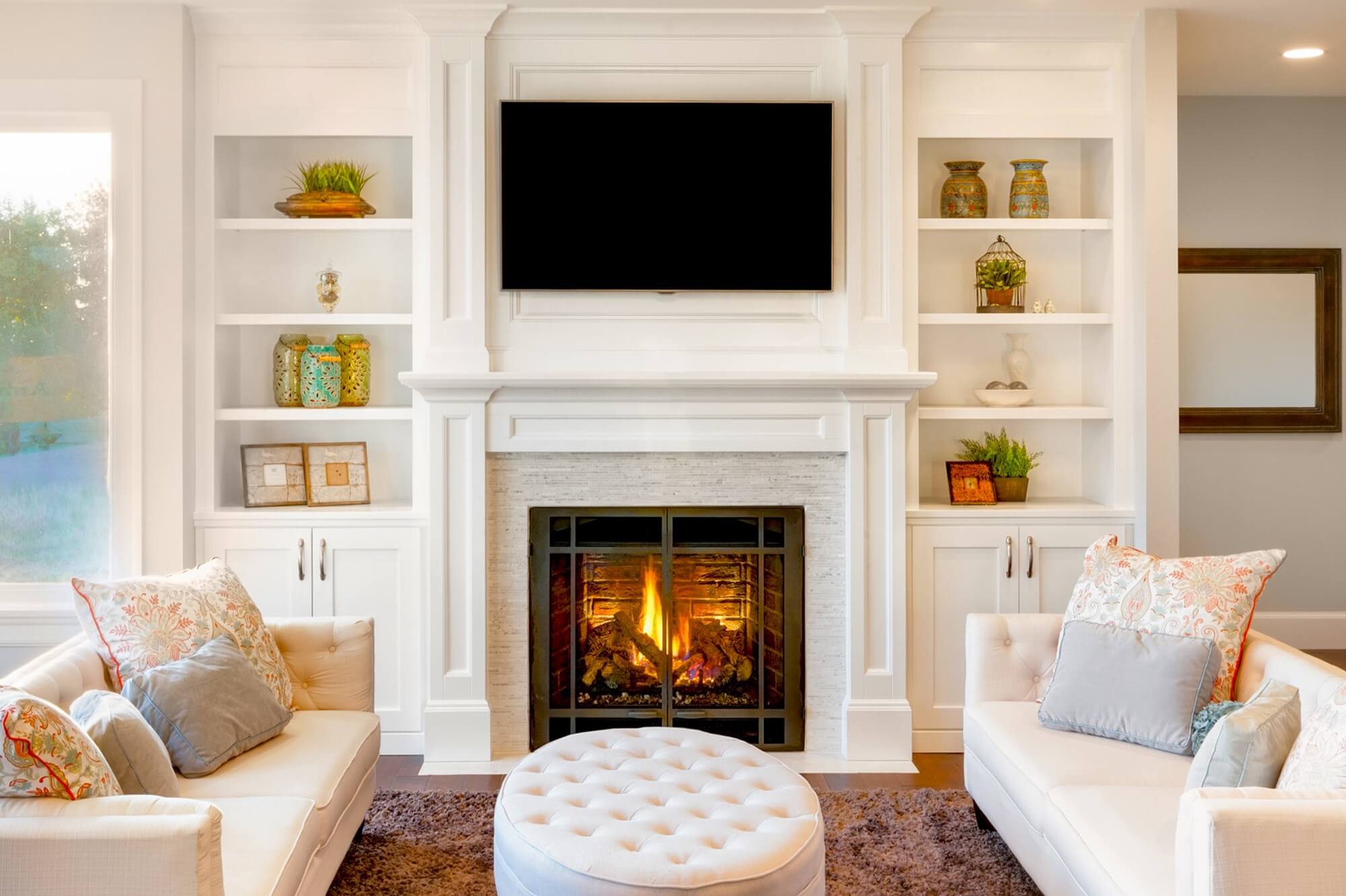


Built-in bookshelves around a fireplace turn an ordinary wall into the most striking feature in your home. They frame the fireplace, add storage, display your favorite pieces, and give the room architectural character that freestanding furniture simply cannot match. According to HomeGuide, the cost of built-ins around a fireplace ranges from $1,000 to $8,000 on average, depending on style, materials, and project complexity. According to HomeAdvisor, most homeowners spend about $3,077 on average for built-in bookshelves, with fully custom projects reaching $400 to $1,200 per linear foot. The investment pays off in both daily enjoyment and resale appeal. According to Remodeling Magazine's 2024 Cost vs. Value Report, minor interior remodeling projects that improve function and layout yield between 50% and 80% ROI. This article covers the best design ideas, practical tips, cost factors, and styling strategies to help you plan a fireplace bookshelf project that looks amazing and works for your life.
The design you choose sets the tone for the entire room. Built-in bookshelves around a fireplace come in many configurations, from symmetrical floor-to-ceiling units to asymmetrical arrangements with mixed open and closed storage. Here are the most popular approaches.
This is the classic layout. Matching bookshelves on each side of the fireplace create a balanced, formal look. The fireplace serves as the anchor, and the shelves extend outward to frame it. According to Christine Tuttle, a Boston-area interior designer featured on This Old House, a pair of bookcases flanking a fireplace can help create a focal point and give the room structure, especially in newer homes that lack architectural details like wainscoting or crown molding.
Symmetrical designs work in traditional, transitional, and farmhouse living rooms. They photograph beautifully, which is a real advantage if you plan to sell the home down the road. According to Raleigh Woodworks, custom bookshelves flanking a fireplace create a cozy and stylish focal point that buyers notice immediately in listing photos.
This design runs built-ins from the floor to the ceiling, with open shelves on top for display and closed cabinets on the bottom for hidden storage. The lower cabinets hide blankets, board games, remotes, and anything else you want out of sight. According to Cedars Woodworking, custom built-ins can use a combination of drawers, open shelves, cubbies, and paneled or glass doors. Best of all, a built-in is designed to fit perfectly in its designated space.
Floor-to-ceiling units also make a room feel taller. The vertical lines draw the eye upward and create a sense of height, even in rooms with standard 8-foot ceilings. Adding crown molding at the top ties the built-ins into the room's existing trim and makes them look like they were part of the original house.
Asymmetrical designs use different shelving configurations on each side of the fireplace. One side might have tall open shelves, while the other features a built-in desk or a media cabinet. Some homeowners extend the concept into an adjacent home office area for a seamless wall of storage. This approach works well in rooms where the fireplace is off-center or where one wall is wider than the other. According to HomeGuide, styles like geometric built-ins with shelves of differing heights and widths can form decorative patterns that add personality.
Asymmetrical layouts feel more casual and contemporary. They work especially well in modern and eclectic living rooms where a perfectly matched pair would feel too formal. Choosing a modern door style for the lower cabinets can reinforce the contemporary direction.
Many homeowners want the fireplace and the TV to share the same wall. Built-in shelves on each side with a recessed niche for the television above the mantel solves this cleanly. According to HomeGuide, a shelf and storage combination with shelves at the top and cabinets or drawers on the bottom is one of the most popular configurations, and it integrates easily with media equipment storage.
Keep the TV niche wired for power and cable before the shelves go up. Hiding cords behind the wall during construction is much easier than trying to retrofit later. We always plan wiring and outlet placement during the design phase so everything is hidden behind the built-in bookshelves once they are installed.
Built-in bookshelves around a fireplace cost $1,000 to $8,000 on average, according to HomeGuide. The price depends on the style, materials, how many linear feet you need, and whether you include add-ons like lighting, glass doors, or crown molding. According to HomeAdvisor, fully custom built-in bookshelves cost $400 to $1,200 per linear foot, while premade units cost $150 to $300 per linear foot installed.
According to HomeAdvisor, labor makes up 70% to 80% of the total budget. A carpenter charges $40 to $100 per hour to build and install custom or semi-custom built-in bookshelves. According to HomeGuide, drawers add $100 to $250 each, cabinet doors add $100 to $200 per set for wood or up to $400 per set for glass, and running new wiring for shelf lighting costs $40 to $100 per hour for an electrician.
According to Fixr, budget-friendly built-in shelves start at $65 to $400 for DIY or prefabricated options. Mid-range professional builds run $400 to $5,000. Luxury built-ins with hardwood, glass doors, integrated lighting, and ornate trim cost $5,000 to $42,000 depending on the scope. For most living room fireplace projects, $3,000 to $6,000 delivers a high-quality custom result that transforms the room.
StyleCost RangeWhat Is IncludedPrefab Shelving Units$150 to $300/linear ftBasic pre-made units, simple installSemi-Custom Built-Ins$300 to $600/linear ftModified standard units, some sizing flexibilityFull Custom Built-Ins$400 to $1,200/linear ftBuilt to exact specs, premium materials, full design controlCustom With Lower Cabinets$3,000 to $8,000 totalOpen shelves + closed base cabinets, crown moldingLuxury Floor-to-Ceiling$5,000 to $42,000 totalHardwood, glass doors, lighting, ladder, ornate trim
Sources: HomeGuide, HomeAdvisor, Fixr, Grandma's House DIY
Yes, built-in bookshelves add value to a home by improving both function and visual appeal. According to HomeAdvisor, built-in bookshelves offer a favorable return on investment, especially when quality materials and professional installation are used. The shelves provide practical storage that appeals to buyers, improve the room's aesthetics, and are securely attached, eliminating the tipping risk of freestanding furniture.
According to HomeLight, the value impact depends on the home and location. In mid- to higher-priced homes with other upgrades and custom features, built-ins are often expected and help the home match neighborhood competition at resale. According to Grandma's House DIY, minor interior remodeling projects that improve function and layout tend to yield between 50% and 80% ROI, depending on the region.
A fireplace flanked by custom shelving tends to photograph well and adds dimension to the room, according to Grandma's House DIY. Real estate agents often mention built-ins in listing descriptions because they add visual impact that makes buyers pause while scrolling through photos. For homeowners across North Alabama, we see well-designed built-ins consistently help living rooms photograph better and attract stronger buyer interest.
The best materials for built-in bookshelves around a fireplace are plywood with a hardwood veneer or paint-grade finish, solid hardwood for visible edges and trim, and MDF for painted surfaces where a smooth, grain-free finish is the priority. According to HomeAdvisor, a 2-by-4-foot sheet of MDF costs less than $20 compared to a similar piece of oak at over $35. Higher-end materials like maple, cherry, and walnut deliver a richer look and last longer.
According to Fixr, popular material choices include painted pine or plywood for budget projects, stained or painted MDF for mid-range builds, and solid maple, cherry, or mahogany for luxury installations. Glass shelving and glass-front doors are premium add-ons that let you display items while keeping dust out.
For shelves near a fireplace, heat resistance matters. Keep shelving at least 6 to 12 inches away from a working firebox, and use materials that can handle mild temperature fluctuations without warping. Plywood and solid hardwood perform better near heat sources than MDF or particle board. The right material choice affects both the appearance and the long-term durability of the project.
Styling built-in bookshelves is where the design comes to life. The goal is a balanced mix of books, decorative objects, and open space that looks intentional without feeling staged.
Mix books with decorative items. Stack some books vertically and lay others horizontally. Add plants, framed photos, small sculptures, or candles between book groupings. According to Christopher Scott Cabinetry, the number one rule is to start with your books, then layer in decorative items, and leave some negative space so the shelves do not look cluttered.
Use a cohesive color palette. Pick 2 to 3 dominant colors and carry them across the shelves. This does not mean everything has to match, but a loose color theme ties the display together and keeps it from feeling random. According to Art Sample Home, cohesive color schemes help the shelves complement the room's decor rather than competing with it.
Add lighting. Integrated LED strips or small puck lights inside the shelves illuminate the display and make the built-ins look more polished, especially in the evening. According to HomeGuide, running new wiring for shelf lighting costs $40 to $100 per hour for an electrician. Outlets on the back wall of built-in bookshelves allow for lighted displays without visible cords. According to Cedars Woodworking, unique or hidden lighting can enhance both the built-in piece and the room itself, and adding mirrors to the back of the unit increases light and depth.
Building built-in bookshelves around a fireplace involves measuring the space, designing the layout, choosing materials, building the frame, and finishing with trim and paint or stain. The process can be DIY for simple projects or requires a professional carpenter for custom builds.
Start by measuring the wall on each side of the fireplace. Note the height from floor to ceiling, the width from the fireplace surround to the nearest wall or doorway, and the depth you want for the shelves (10 to 12 inches is standard for books). According to HomeAdvisor, the ideal shelf depth for built-in bookshelves is 10 to 12 inches for optimal storage and aesthetics.
Decide on the configuration: open shelves only, shelves with lower cabinets, or a full library wall with glass doors and drawers. According to HomeGuide, alcove-style bookshelves built into the spaces on each side of a fireplace are the most common configuration and create a clean, symmetrical look. Plan for adjustable shelving where possible so you can reconfigure heights later. According to Cedars Woodworking, adjustable shelving gives both you and future homeowners the ability to use the shelves however they want. Selecting the right hardware and pulls for cabinet doors adds the finishing touch that ties everything together.
For a professional result that looks like it was part of the original house, hiring a carpenter or custom cabinet maker is worth the investment. The built-ins need to be level, plumb, and tightly fitted to the walls, ceiling, and fireplace surround. A quarter-inch gap or an uneven shelf line will be visible every time you look at it. We handle every step from custom bookshelf design through finished installation so every joint, edge, and surface is precise.
If custom built-ins are outside your budget, there are several alternatives that still create the look of built-in bookshelves around a fireplace without the full custom cost.
Freestanding bookcases placed on each side of the fireplace and secured to the wall can mimic the built-in look, especially if you add crown molding along the top to tie them into the room. This approach costs a fraction of custom work and can be removed later if you change the design.
Floating shelves are another popular option. According to HomeGuide, floating shelves are a popular design choice to frame a fireplace mantel. They are less expensive to install and create a modern, minimalist look. However, they offer no hidden storage and can feel too sparse if the wall space is large.
Modular shelving systems from home improvement stores offer a middle ground. They come in standard sizes and can be configured to fill the space on each side of the fireplace. Add paint that matches the wall or trim color, and they blend in reasonably well. For a more permanent look, combining modular systems with custom trim, base cabinets, and a floor-to-ceiling design takes the result from basic to impressive.
A few practical details make the difference between built-ins that look great on day one and ones that still look great ten years later.
Use paint-grade MDF for doors and visible panels if you are painting, and solid hardwood or veneered plywood if you are staining. Do not pay for an expensive wood species if you plan to cover it with paint. According to HomeAdvisor, the material you choose directly affects both cost and final appearance.
Run electrical wiring during construction, not after. Plan outlet placement on the back wall of the shelves so you can plug in lights, charge devices, or power media equipment without visible cords. According to HomeGuide, the cost to install an electrical outlet is $150 to $350.
Match the trim and molding to your home's existing style. Crown molding, baseboard trim, and panel detailing should feel like they belong in the room. If the rest of the house has shaker-style trim, the built-ins should follow the same profile. According to HomeGuide, installing crown molding costs $7 to $16 per linear foot including labor and materials. According to the NKBA 2026 Kitchen Trends Report, 87% of designers say homeowners want seamless, concealed design, and that same principle applies to living room built-ins. Keeping finishes consistent across the room makes built-ins feel intentional rather than added on.
Use adjustable shelving for the open sections. Your display items will change over time, and fixed shelves limit your flexibility. Adjustable shelf pins cost very little and allow you to reconfigure in minutes. According to installation planning guides, the most common regret homeowners have with built-ins is not building in enough flexibility.
Installing built-in bookshelves around a fireplace takes 2 to 5 days for a professional custom build, depending on the complexity. According to HomeAdvisor, a simple prefabricated unit can go up in a few hours, while an elaborate custom build could take up to a week. Running electrical for lighting, adding crown molding, and finishing with paint or stain all extend the timeline.
The ideal shelf depth for built-in bookshelves is 10 to 12 inches. According to HomeAdvisor, this depth works well for most books, decorative items, and display pieces. Deeper shelves (14 to 16 inches) work for lower cabinets where you want to store larger items, but anything deeper than 16 inches makes items in the back hard to reach.
Yes, built-in bookshelves can be removed, but the process involves patching walls, repairing trim, and refinishing the area. Because built-ins are permanently attached, removal leaves marks, screw holes, and unfinished surfaces that need professional repair. According to HomeLight, built-ins are a permanent addition to the home, which is worth considering before committing to a specific design or placement.
The best wood for fireplace built-ins is plywood with a hardwood veneer or paint-ready surface for the structural components, and solid maple, oak, or cherry for visible trim and edges. MDF is excellent for painted doors and panels where a smooth finish matters. Avoid particle board near fireplaces because it does not handle heat or humidity fluctuations well.
Built-ins around a fireplace generally do not need a building permit unless you are modifying the fireplace itself, running new electrical wiring, or making structural changes to the wall. According to HomeGuide, adding electrical outlets or running new wiring requires an electrician and may need a permit depending on local codes. Always check with your local building department before starting work.
To protect built-in shelves from fireplace heat, maintain at least 6 to 12 inches of clearance between the shelving and the firebox. Use heat-resistant materials like plywood and solid hardwood rather than MDF or particle board, which can warp under temperature changes. A non-combustible surround (stone, tile, or metal) between the firebox and the wood provides an additional safety buffer. Confirm clearance requirements with your fireplace manufacturer's specifications before building.
Yes, built-in bookshelves are worth it for homeowners who want to add architectural character, organized storage, and resale appeal to their living space. According to HomeAdvisor, built-ins offer a favorable ROI when quality materials and professional installation are used. According to Grandma's House DIY, custom built-ins that provide useful storage and match the home's style tend to boost both value and buyer appeal. The investment pays off in daily enjoyment and at resale, especially in mid- to higher-priced homes where custom features are expected.
Built-in bookshelves around a fireplace do more than store books. They transform an entire wall into the centerpiece of your living room, adding storage, architectural detail, and the kind of character that makes a house feel like a home. Whether you go with a symmetrical pair of floor-to-ceiling units or a more relaxed asymmetrical layout, the key is matching the design to your room, your needs, and the style of your home.
If you are ready to explore what Classic Cabinetry can build around your fireplace, call us at (256) 423-8727 to schedule a free design consultation.