.avif)


.avif)


.avif)
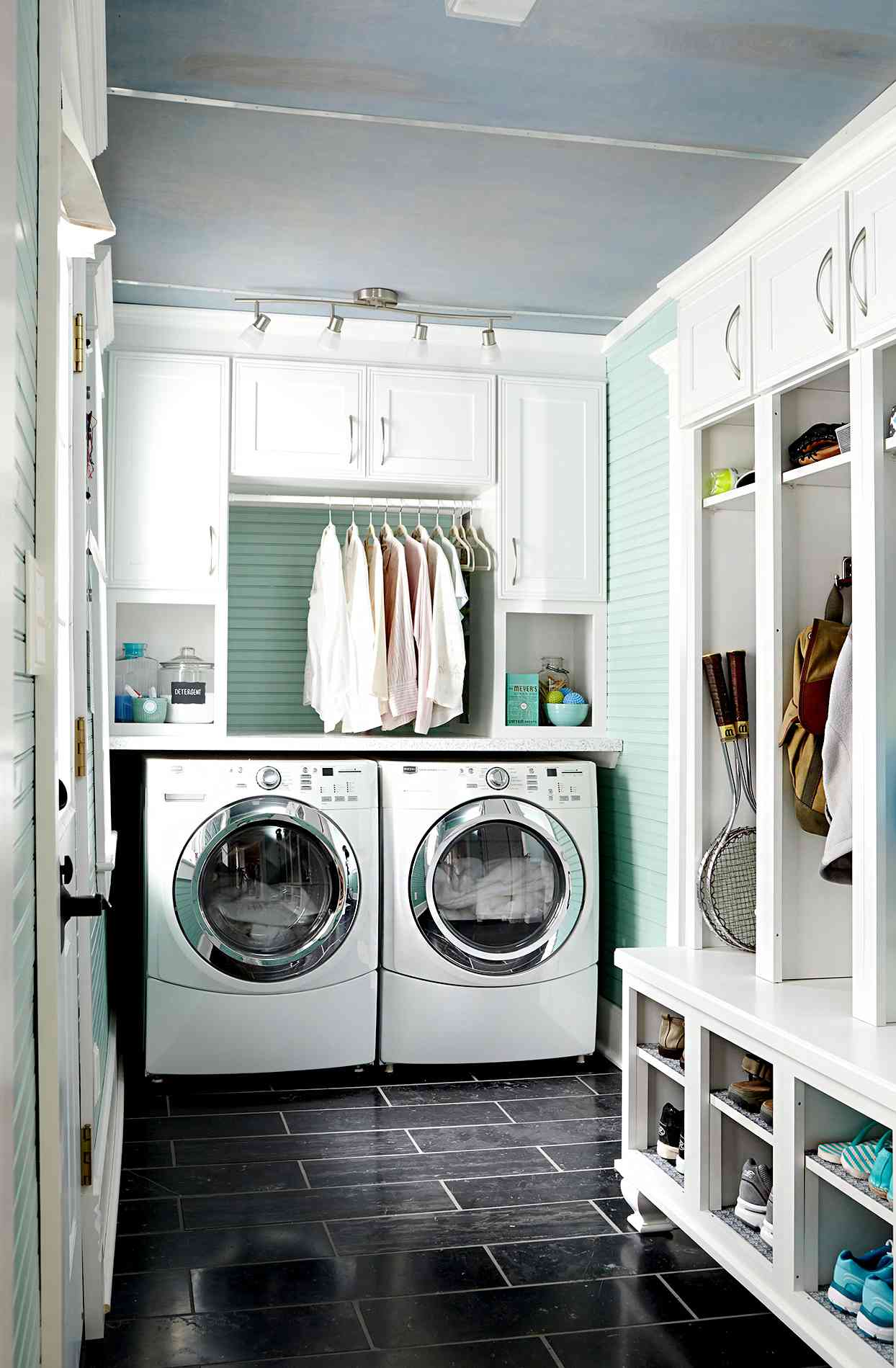
Floor-to-Ceiling Laundry Room Cabinets for Maximum Storage
link desc
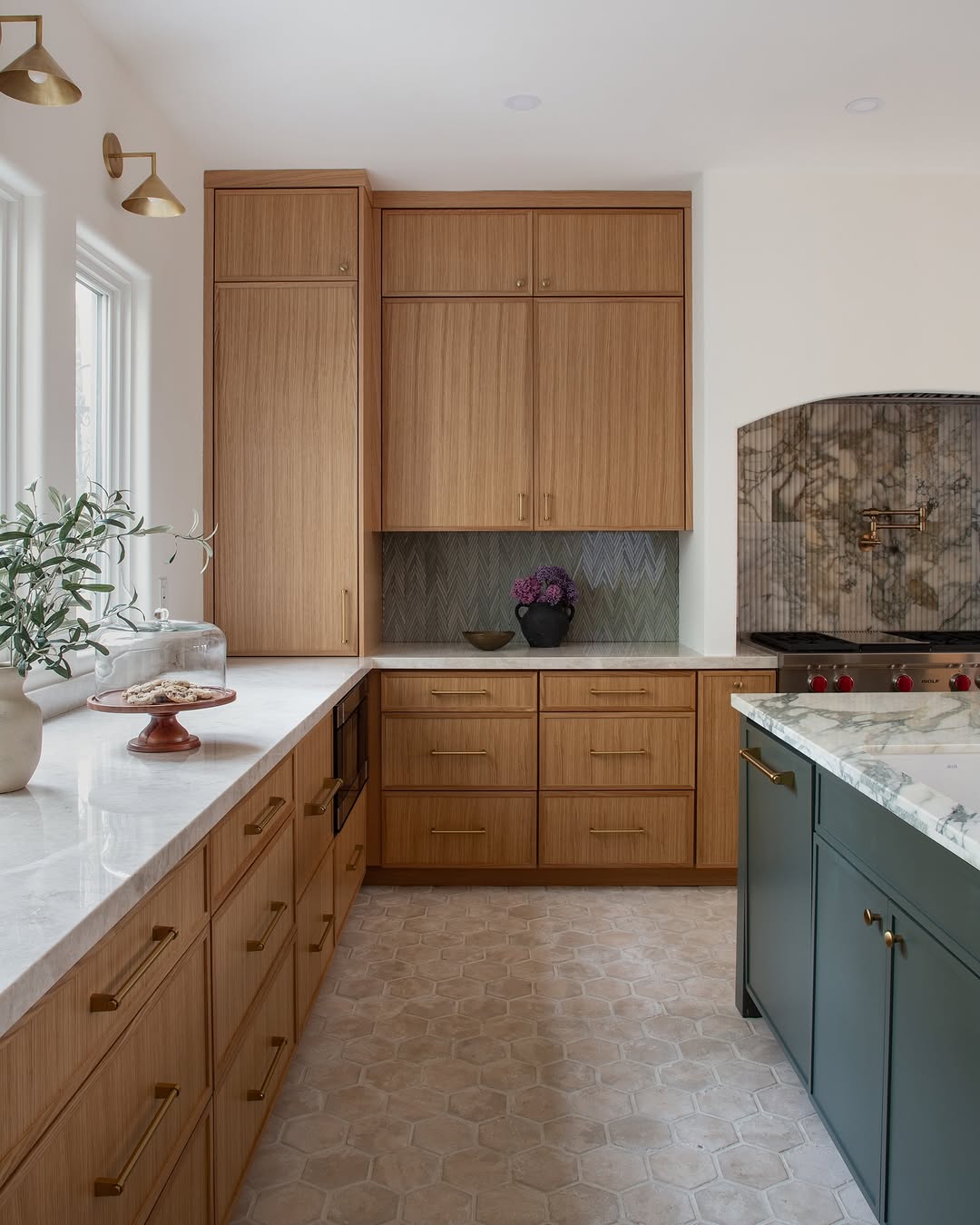


Brushed brass, satin gold, and handcrafted bronze are the top cabinet hardware finishes for 2025 and beyond, moving away from high shine toward warm, tactile depth. These warm finishes offer a soft, non-reflective glow that pairs well with dark paint and natural wood cabinets like walnut and white oak. Matte black and deep charcoal remain popular for high-contrast kitchens, evolving into softer, tactile silhouettes with knurled grips and curved edges. Mixed metals round out the trend, with designers layering contrasting tones like brushed brass with matte black or gunmetal to create a curated, intentional look. The global cabinet hardware market reached $11.29 billion in 2025, according to Global Growth Insights, and 62% of modern interiors now feature premium hardware finishes. This guide covers every major finish trending right now, explains what makes each one durable, shows how to pair finishes with different cabinet colors, and walks through a practical selection process for your home.
The best cabinet hardware finishes trending right now are brushed brass, satin gold, matte black, champagne bronze, handcrafted bronze, and gunmetal. Each of these finishes falls into the broader category of matte and satin surfaces, which have overtaken polished and high-gloss options across the industry. According to market data from Global Growth Insights, 43% of consumers now demand matte finishes specifically when selecting cabinet hardware for renovation projects.
The reason for this shift runs deeper than aesthetics alone. Matte and satin finishes reduce glare under kitchen lighting, hide fingerprints and water spots far better than polished chrome, and create visual warmth that polished surfaces cannot replicate. Matte finishes also photograph well, which matters to homeowners considering resale value in a market where buyers form first impressions from online listing photos.
Warm-toned metals lead this trend. Brushed brass, satin gold, champagne bronze, and antique bronze all fall under the warm metal family. These warm hardware finishes pair naturally with the wood cabinets, earth-tone palettes, and organic materials dominating kitchen design. Cool-toned metals like polished chrome and bright nickel still serve certain contemporary designs, but the momentum belongs firmly to warm and matte surfaces heading into 2026 and beyond.
Cabinet hardware finishes are available in two broad categories: surface-applied finishes and living finishes. Surface-applied finishes include Physical Vapor Deposition (PVD), powder coating, electroplating, and lacquer coatings. Living finishes include unlacquered brass, raw bronze, and oil-rubbed bronze that change appearance over time through natural oxidation.
The material underneath the finish determines how long the hardware lasts. Solid brass hardware uses a copper-zinc alloy that naturally resists corrosion, weighs more in the hand, and accepts finishes that bond deeply to the metal surface. Zinc alloy hardware holds approximately 40% of the global market share, according to Accio market analysis, because zinc offers a budget-friendly alternative that still accepts quality finishes. Stainless steel hardware resists rust and humidity damage better than either brass or zinc, but stainless steel limits the range of decorative finishes available.
PVD coating is the most durable surface treatment available for custom kitchen cabinets. PVD bonds a thin metallic film to the hardware at the molecular level, producing a surface that resists scratching, tarnishing, and fading for decades. Powder coating applies a dry, baked-on finish that provides good scratch resistance at a lower price point than PVD. Electroplating deposits a thin layer of chrome, nickel, or gold onto the hardware surface. Electroplated finishes look sharp initially but wear through over time with heavy daily use, especially on drawer pulls that receive constant friction.
The most popular finish for kitchen cabinet hardware is brushed brass, followed closely by matte black. According to CabinetCorp industry data, 32% of interior designers now recommend antique brass as their second-most-specified finish after matte black. The popularity of brushed brass and its warm-metal relatives, satin gold and champagne bronze, reflects a broader movement toward finishes that add warmth and depth to kitchen spaces.
Brushed brass hardware brings a soft, non-reflective glow that feels warm without appearing flashy. Brushed brass achieves this effect through a mechanical finishing process that creates fine directional grain lines across the metal surface. These grain lines scatter light gently instead of reflecting it sharply, producing the characteristic warm sheen that designers describe as "quiet luxury." Brushed brass hardware pairs beautifully with dark paint colors, natural wood tones like white oak and walnut, and stone countertops with warm veining.
Satin gold sits adjacent to brushed brass but offers a slightly smoother, more golden appearance. Satin gold finishes lack the visible grain lines of brushed brass and instead present a uniform, warm golden surface. Satin gold hardware works particularly well on bathroom cabinets and vanities where a softer, more refined metallic tone complements marble and quartz surfaces.
The difference between brushed brass and satin gold is the surface texture and the color tone each finish produces. Brushed brass has visible directional grain lines from the brushing process and leans slightly toward a deeper, amber-gold color. Satin gold has a smoother surface without visible grain lines and leans toward a lighter, yellow-gold color.
Brushed brass typically looks best in kitchens with natural wood cabinetry, darker color palettes, and rustic or transitional design themes. Satin gold works better in bathrooms, light-colored kitchens, and spaces with a more formal or contemporary feel. Both finishes fall into the matte family, both hide fingerprints effectively, and both create warmth. The choice between brushed brass and satin gold comes down to whether you want visible texture (brushed brass) or a smoother, more uniform golden surface (satin gold).
Yes, matte black cabinet hardware is still in style and remains one of the two most specified finishes by professional designers. According to CabinetCorp, 65% of modern kitchen designs incorporate minimalist hardware, and matte black leads that category. Matte black hardware creates bold contrast against light-colored cabinets while blending seamlessly with darker cabinetry.
Matte black hardware hides fingerprints, water spots, and daily wear better than any polished finish. Matte black hardware also acts as a visual neutral. Black pairs with white cabinets for high contrast, with navy and dark green cabinets for tonal depth, and with natural wood for a warm modern farmhouse aesthetic. The finish coordinates naturally with black stainless appliances, matte black faucets, and dark window frames.
The evolution of matte black hardware in 2025 and 2026 is happening in form rather than finish. Matte black pulls and knobs are incorporating knurled grips, curved edges, and softer silhouettes that add tactile interest to the sleek black surface. Knurled hardware features fine ridged patterns machined into the handle surface that catch light differently throughout the day and feel substantial in the hand. These textured variations keep matte black relevant for homeowners who want the versatility of black with more visual depth than a plain smooth surface provides.
Yes, you can mix cabinet hardware finishes in the same kitchen, and mixed metals are one of the strongest design trends for 2025 and beyond. The key to mixing hardware finishes successfully is limiting the combination to two finishes and assigning one as the dominant finish and the other as the supporting accent.
The dominant finish covers the majority of cabinet pulls and knobs throughout the kitchen. The supporting finish appears in a controlled, intentional location, such as an island, a pantry bank, or a built-in coffee bar. Repeating each finish more than once prevents the mix from looking accidental. A single brass knob in a sea of matte black reads like a mistake. Brass pulls on the island and brass on the range hood strapping, combined with matte black on all perimeter cabinets, reads like a curated design choice.
Popular mixed-metal combinations for 2025 include brushed brass paired with matte black, champagne bronze paired with brushed nickel, and satin gold paired with gunmetal. Warm metals mix best with other warm metals, and cool metals mix best with other cool metals. Crossing warm and cool tones in the same space requires careful balance, but the pairing of warm brass with matte black succeeds because black functions as a neutral that bridges both temperature families. Many homeowners across North Alabama are choosing this exact combination for kitchen cabinetry projects.
The best hardware finish for any cabinet color depends on whether you want contrast, coordination, or warmth. Each cabinet color creates a different visual relationship with metal finishes, and understanding these relationships prevents mismatched results that make a kitchen feel disjointed.
The best hardware finishes for white cabinets are brushed brass, champagne bronze, and matte black. Brushed brass adds warmth to white cabinets and creates a soft, inviting contrast. Champagne bronze offers similar warmth with a slightly lighter, more golden tone. Matte black creates the strongest visual contrast against white and produces a crisp, modern appearance that photographs particularly well for resale.
Brushed nickel and satin nickel also work on white cabinets but create a cooler, more contemporary feel. Chrome provides high contrast similar to matte black but with a reflective quality that shows fingerprints more readily in a busy kitchen.
The best hardware finishes for dark cabinets, including navy, espresso, charcoal, and black, are satin brass, champagne bronze, and polished nickel. These lighter metallic finishes create necessary contrast against dark cabinet surfaces and prevent the hardware from disappearing visually. Satin brass against navy kitchen cabinets produces one of the most popular finish combinations in current design, adding brightness and luxury without overwhelming the richness of the dark paint color.
Matte black hardware on black cabinets creates a monochromatic, tone-on-tone effect that works in ultra-modern kitchens but sacrifices the visual pop that contrasting finishes provide.
The best hardware finishes for wood cabinets are oil-rubbed bronze, brushed brass, and antique bronze. Wood cabinets have natural warmth from grain patterns and wood tones, so warm metal finishes enhance that character rather than competing against it. Oil-rubbed bronze adds depth and an aged quality that complements the organic nature of wood. Brushed brass on white oak cabinets has become one of the signature combinations of 2025 kitchen design.
Cabinet ColorBest Warm FinishBest Cool FinishBest for ContrastWhiteBrushed BrassBrushed NickelMatte BlackNavy / Dark BlueSatin GoldPolished ChromeChampagne BronzeBlack / CharcoalChampagne BronzePolished NickelSatin BrassNatural WoodOil-Rubbed BronzeSatin NickelMatte BlackGrayBrushed BrassChromeMatte BlackGreen / SageAntique BrassBrushed NickelMatte Black
The table above shows how each cabinet color responds differently to warm, cool, and high-contrast hardware finishes. Warm finishes dominate the strongest pairings across nearly every cabinet color because warm metals add depth and richness without competing against the cabinet surface. Cool finishes work best in kitchens that already lean contemporary with stainless steel appliances and cool-toned countertops. High-contrast pairings like matte black on white or satin brass on charcoal create the most visual impact and photograph best for resale.
Cabinet hardware does not need to match light fixtures and faucets exactly. Coordinating metal tones creates a cohesive look, but matching every fixture to a single finish makes a kitchen feel overly staged rather than naturally designed. The current approach in 2025 and 2026 design is to assign one finish as the dominant anchor on cabinetry and let a secondary finish appear on plumbing fixtures, lighting, or range hood details.
The coordination rule is straightforward. Keep metals in the same temperature family. Warm finishes like brushed brass, champagne bronze, and gold coordinate well together because they share underlying yellow and amber tones. Cool finishes like chrome, polished nickel, and brushed nickel coordinate because they share silver and gray tones. A kitchen with brass cabinet pulls, a brass-accented pendant light, and a matte black faucet reads as intentional. A kitchen with brass pulls, chrome lighting, and polished nickel faucets reads as indecisive.
The same coordination principle applies across rooms. When you have custom closets, bathroom vanities, and kitchen cabinetry in the same home, selecting finishes from the same warm or cool family throughout creates continuity. The finishes do not need to be identical from room to room, but they should feel related.
A kitchen looks cheap when it uses builder-grade hardware with thin, lightweight construction and outdated finishes like shiny polished brass or plain chrome. Swapping outdated cabinet hardware for modern finishes is one of the fastest, most affordable upgrades a homeowner can make, and it delivers measurable return on investment.
According to the 2025 Zonda Cost vs. Value Report, a minor kitchen remodel that includes new cabinet fronts and fresh hardware delivers a 112.9% return on investment nationally. That means homeowners recoup more than they spend at resale. Hardware replacement is the least expensive component of that remodel scope, yet it contributes significantly to the updated, modern appearance that drives buyer interest.
The specific details that make hardware look cheap include visible seams in the finish coating, lightweight hollow construction that flexes when pulled, screw heads visible from the front face, and outdated proportions. Oversized statement pulls in brushed brass or matte black immediately signal that a kitchen has been updated with current design sensibility. Even modest cabinetry looks dramatically better with well-chosen, quality hardware installed at consistent, professional spacing. We see this transformation regularly when homeowners upgrade their mudroom cabinetry and kitchen hardware simultaneously during a renovation.
Cabinet hardware finishes achieve durability through three factors: the base material composition, the coating technology applied to the surface, and the daily care routine the homeowner follows. PVD-coated solid brass hardware represents the most durable combination available, resisting scratching, tarnishing, and fading for 20 years or more under normal kitchen use.
The base material matters because every finish is only as strong as the surface it bonds to. Solid brass provides the best foundation because the copper-zinc alloy naturally resists corrosion and provides a dense, stable surface for coatings to adhere to. Zinc alloy offers acceptable performance at lower cost but is more susceptible to finish wear in high-traffic areas. Stainless steel resists corrosion exceptionally well but limits decorative finish options to brushed, polished, or matte treatments of the steel itself.
Alabama's high humidity environment places additional demands on hardware durability. Moisture in the air accelerates tarnishing on unprotected brass and can cause cheaper electroplated finishes to bubble or peel over time. PVD-coated hardware and powder-coated hardware both resist humidity-related degradation far better than standard electroplated options. We build our custom cabinetry with specially treated hardwoods and moisture-resistant cabinet finishes designed for this climate, and selecting hardware with equally durable finish coatings completes the protection.
Matte black hardware finish lasts 10 to 20+ years depending on the coating method. PVD-coated matte black hardware lasts the longest because the molecular-level bond prevents chipping and flaking. Powder-coated matte black hardware lasts 10 to 15 years before showing wear at high-contact points. Electroplated matte black hardware shows wear earliest, typically within 5 to 8 years, as the thin surface layer wears through on frequently used pulls and knobs.
Daily care extends matte black hardware life regardless of coating type. Wiping hardware weekly with a damp cloth and mild soap removes cooking oils and acidic residue that degrade finishes over time. Avoiding abrasive cleaners and harsh chemicals preserves the matte surface texture that gives the finish its characteristic non-reflective appearance.
Brass hardware tarnishes because the copper in the brass alloy reacts with oxygen and moisture in the air, forming a surface layer called patina. Patina is a natural oxidation process, not a defect, and many homeowners and designers actively seek hardware that develops patina because it adds character and visual depth over time.
Whether brass hardware tarnishes depends entirely on whether the surface is lacquered or unlacquered. Lacquered brass has a clear protective coating that prevents air and moisture from reaching the metal surface. Lacquered brass maintains a consistent, bright appearance for years. Unlacquered brass has no protective barrier and begins developing patina within weeks of installation. Unlacquered brass darkens gradually, developing warm brown and golden tones that deepen with age and hand contact.
This patina development is what designers call a "living finish." Living finishes change appearance based on use patterns, environmental conditions, and time. Hardware on frequently used pantry cabinets develops patina faster than hardware on seldom-opened upper cabinets. The variation creates an organic, authentic appearance that mass-produced hardware cannot replicate. Rocky Mountain Hardware, one of the leading artisan hardware manufacturers, produces bronze hardware containing at least 90% post-consumer recycled content that develops patina naturally over its lifetime.
The trends in hardware finishes for 2025 and beyond are textured surfaces, handcrafted artisan hardware, sustainable materials, oversized statement pulls, and warm patinated metals. The direction is toward hardware that feels handmade, ages gracefully, and communicates craftsmanship rather than mass production.
Textured hardware finishes represent the fastest-growing subcategory in the market. Knurled handles feature fine ridged patterns machined into the grip surface. Hammered finishes show small, irregular impressions that catch light from different angles throughout the day. Fluted surfaces display parallel vertical grooves that add depth to an otherwise smooth form. These textures provide both visual and tactile interest. Textured hardware invites touch and feels substantial in the hand, qualities that smooth, polished hardware cannot deliver.
Sustainability is shaping hardware choices alongside aesthetics. Consumers are increasingly selecting hardware made from recycled metals, responsibly sourced bronze, and materials that last decades rather than requiring replacement every few years. The global cabinet hardware market is projected to grow at 6.8% annually through 2035, according to Global Growth Insights, with premium and sustainable hardware segments growing faster than the overall market. Approximately 52% of consumers now prefer soft-close cabinet systems, a related trend where hardware functionality receives the same attention as hardware appearance.
Oversized pulls continue gaining momentum. Statement pulls measuring 8 to 12 inches or longer create bold visual presence on wide drawers, tall pantry doors, and kitchen island fronts. Oversized pulls in brushed brass or matte black look particularly striking on shaker and slab cabinet door styles where the hardware serves as the primary decorative element on a clean surface.
Choosing the right cabinet hardware finish requires evaluating your cabinet color, your kitchen's design style, your existing fixtures, and your tolerance for maintenance. The selection process works best when you narrow choices systematically rather than browsing hundreds of options without a framework.
Follow this step-by-step process to select the right finish:
Planning hardware selection early in a cabinetry project produces the best results. When you choose hardware before cabinet doors are built, your cabinetmaker can accommodate specific sizing, mounting requirements, and finish coordination in the design phase. The North American cabinet hardware market alone is valued at $8.9 billion, according to Verified Market Reports, with 57% of U.S. homeowners now preferring modern cabinet accessories and hardware as part of their renovation planning.
The difference between brushed nickel and satin nickel is the surface texture and sheen level. Brushed nickel has visible linear grain marks from the brushing process and a slightly warmer undertone. Satin nickel has a smoother surface without visible brush marks and presents a cooler, more uniform appearance. Both finishes reduce fingerprint visibility compared to polished nickel, and both coordinate well with stainless steel appliances.
No, brushed brass hardware is not going out of style. Brushed brass remains one of the two most recommended finishes by professional designers heading into 2026. The finish has evolved from the shiny polished brass of the 1990s into softer, matte-textured forms that pair with contemporary and transitional designs. Industry trend reports consistently name brushed brass and warm metals among the leading finishes for the foreseeable future.
Matte black hardware holds up well over time when manufactured with quality coating methods. PVD-coated matte black hardware maintains its appearance for 20+ years. Powder-coated matte black hardware performs reliably for 10 to 15 years. The matte surface hides daily wear, fingerprints, and water spots better than glossy or polished alternatives, making matte black one of the most practical finishes for busy kitchens.
Brushed brass hardware on white cabinets creates a warm, inviting contrast that designers describe as understated elegance. The amber-gold tones of brushed brass soften the crispness of white paint and add visual warmth to a light kitchen. Brushed brass pulls on white shaker cabinets is one of the most widely photographed and requested combinations in current kitchen design.
The hottest kitchen cabinet trends for 2026 include natural wood finishes (white oak leads with 51% of professional specifications, according to NKBA), warm off-white and cream paint tones, premium cabinet materials, mixed-metal hardware, and textured hardware finishes like knurled and hammered pulls. Two-tone kitchens that combine a painted finish on perimeter cabinets with a natural wood island continue gaining popularity.
No, white cabinets are not out of style in 2026. White cabinets hold 28% of homeowner selections according to Houzz 2026 Kitchen Study data, placing them statistically even with natural wood at 29%. The shift is from stark, cool white toward warmer off-whites, cream tones, and soft ivory that feel more organic and less sterile. White laundry room cabinets and bathroom vanities remain especially popular for their ability to brighten smaller spaces.
Cabinet hardware finishes do more than complete the look of a cabinet door. Hardware finishes define the visual temperature, the design personality, and the daily tactile experience of your kitchen, your bathroom, and every room with cabinetry in your home. Brushed brass, satin gold, matte black, and mixed metals lead the way in 2025 and beyond because they deliver the warm, intentional, lived-in quality that homeowners and designers are seeking. Textured finishes, sustainable materials, and oversized statement pulls push the conversation forward into 2026 and the years ahead.
Choosing the right finish comes down to understanding your cabinet color, matching your design style, coordinating with existing fixtures, and selecting a coating that performs reliably in your environment. When those four elements align, hardware stops being an afterthought and becomes the detail that elevates your entire space. At Classic Cabinetry, we guide homeowners through every step of this process, from initial consultation and 3D design through material selection, precision build, and professional installation. If you are ready to start a cabinetry project and want help selecting finishes that will look and perform beautifully for years to come, reach out to our team for a free estimate.