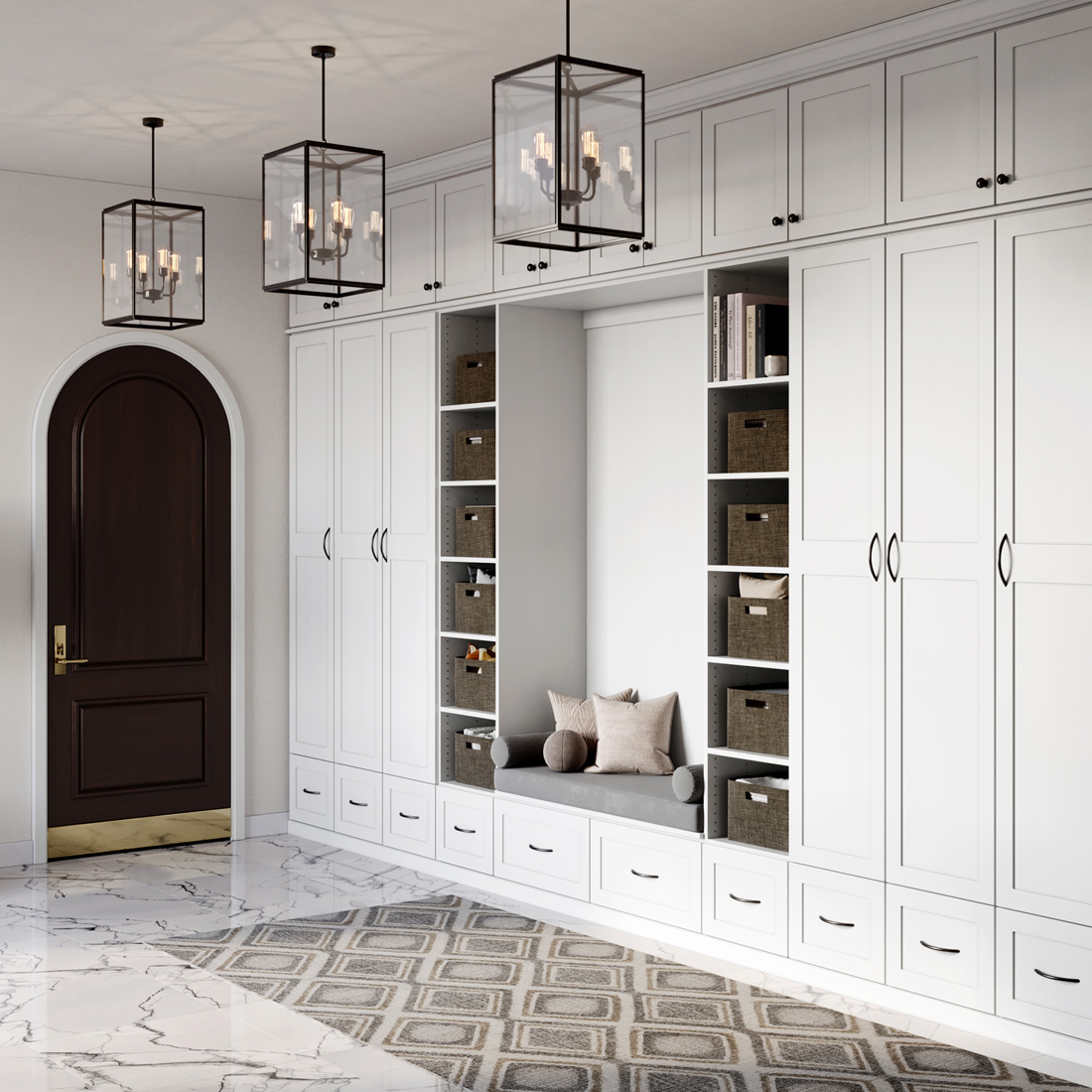
How Much Does a Custom Mudroom Cost?
link desc
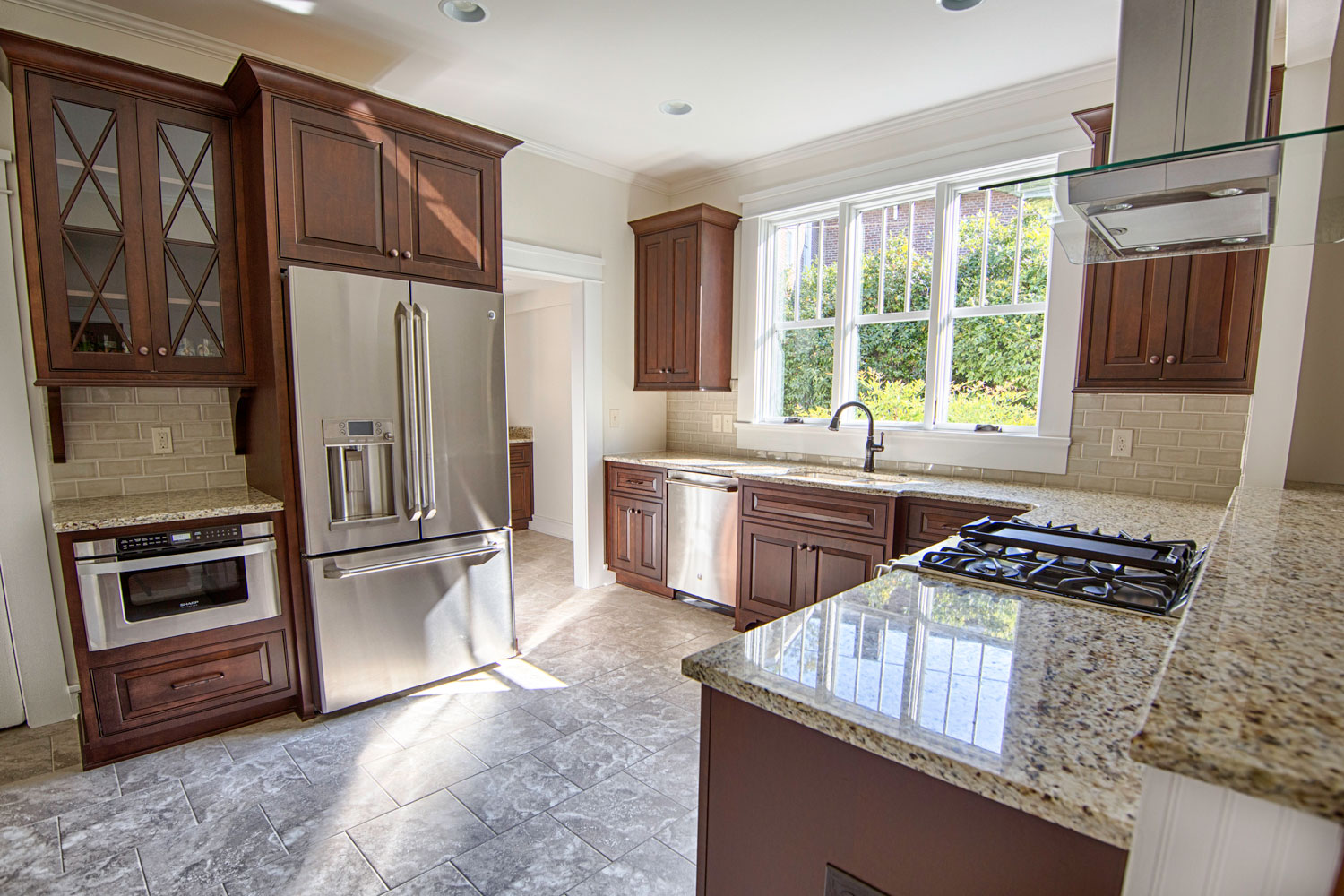


Repair your kitchen cabinets when the damage is limited to loose hardware, sticky drawers, minor surface scratches, or worn-out hinges. Replace your kitchen cabinets when the main cabinet boxes sag, suffer severe water damage or mold, or when you want to change your kitchen layout. Below, we cover which problems a repair fixes, how to test whether your cabinet boxes are still sound, the clear signs of replacement, how water damage and refacing fit the decision, and what cost, lifespan, and home value mean for your choice.
Cabinet decisions sit at the center of most kitchen projects. According to the 2026 U.S. Houzz Kitchen Trends Study, 84% of renovating homeowners upgrade their cabinets, and 68% replace every cabinet in the kitchen.
You should repair your kitchen cabinets when the cabinet boxes are solid and only the moving parts or surfaces are worn, and you should replace your kitchen cabinets when the boxes themselves are failing or the layout no longer works. The cabinet box is the deciding part. Doors, hinges, drawer glides, and finishes are replaceable parts that bolt onto the box, while the box carries the countertop, holds the sink, and anchors everything to the wall.
A sound box makes nearly every other problem fixable. A failing box makes every repair temporary, because new hinges and new doors keep drifting out of line on a frame that is no longer square. Custom kitchen cabinets become the better path at the point where the box, not the hardware, is the source of the trouble.
Kitchen cabinets can be repaired when the problem is loose or broken hardware, misaligned doors, sticking drawers, surface wear, or small areas of peeling laminate on an otherwise solid box. Each of these problems lives in a part that attaches to the cabinet, so swapping or adjusting that part restores the cabinet without touching its structure.
Loose or broken hardware is the simplest cabinet repair, and the fix is swapping out damaged knobs, pulls, or basic hinges. Knobs and pulls loosen from daily use, and a stripped screw hole takes a longer screw or a wood filler plug to hold again. New cabinet hardware also refreshes the look of the whole kitchen at a fraction of the effort of new doors.
Misaligned doors are fixed by tightening or adjusting the existing European-style or face-frame hinges. European-style concealed hinges carry adjustment screws that move the door side to side, in and out, and up and down. A quarter turn on the right screw closes an uneven gap or stops a door from rubbing its neighbor.
Hinge type decides how much adjustment is possible. Concealed hinges offer the widest range, while older exposed hinges on face-frame cabinets often need new screw holes or a hinge swap. The different cabinet hinges each adjust in their own way, so identifying the hinge comes before turning any screw.
Sticking drawers are repaired by replacing worn-out plastic or metal drawer glides. Plastic roller glides wear flat over years of use, and the drawer starts dragging, dropping, or jumping its track. Ball-bearing replacement glides restore a smooth pull, and soft-close versions stop the drawer from slamming shut.
Surface cosmetic wear is repaired by sanding, painting, or restaining solid wood surfaces when the underlying frame is strong. Scratches, dull spots, and faded finish around handles are cosmetic damage that a refinish removes. The available cabinet finishes range from stains that show wood grain to opaque paints that cover it completely.
Older homes need one extra step before any sanding starts. The U.S. Environmental Protection Agency (EPA) banned lead-based paint for residential use in 1978, and painted cabinets in homes built before 1978 may carry lead paint under newer layers. Lead paint calls for testing first and lead-safe work practices during the job, because dry sanding releases lead dust.
Peeling laminate is repaired by regluing small areas of loose veneer or laminate edges with contact cement and clamping pressure. Edge banding lifts first at sink bases and dishwasher sides, where steam and heat soften the original glue. Small lifted edges reattach cleanly, while large bubbled panels point to moisture inside the core.
Repairs like these last longest when the cabinets get regular care. Routine cabinet maintenance, such as wiping spills fast and tightening hinges once a year, keeps small problems from turning into structural ones.
You know your cabinet boxes are still good when the cabinet floors feel firm, the boxes sit square and tight to the wall, the joints hold, and doors stay aligned after adjustment. Every repair in the previous section depends on a sound box, so a five-minute inspection comes before any repair money gets spent.
Boxes that pass all six checks are worth repairing. Boxes that fail even one structural check usually move the decision toward replacement.
The signs that it's time to replace kitchen cabinets are failing cabinet boxes, water damage and swelling, a planned layout redesign, outdated storage capacity, and multiple failing components at once. Each sign points to a problem that sits in the box or the floor plan rather than in a part that unscrews.
Failing cabinet boxes are wooden or particleboard boxes that sag, flex, or pull away from the wall. Cabinet boxes carry countertops that weigh hundreds of pounds, so a box that sags under that load cannot be fixed with new doors.
Water damage and swelling show up as bottom panels or toe-kicks that feel soft, look puffy, or show mold from persistent leaks. Swelling is the most common reason cabinets fail under sinks and next to dishwashers.
Layout redesigns require new cabinets when you plan to move the sink, stove, or walls. Existing cabinets are built around the current plumbing and appliance locations, so a new floor plan needs a new cabinet configuration.
Outdated storage capacity means you need modern pull-outs, deep drawers, or extra space that old frames cannot support. Storage expectations have grown, and the 2026 Houzz study found that 94% of renovating homeowners add specialty storage features, such as pull-out waste bins at 64% and tray storage at 55%.
Multiple failing components means repair costs for several broken doors, glides, and shelves add up to near-replacement value. One worn glide is a repair, while worn glides, sagging shelves, and warped doors across the whole kitchen are a pattern. These warning signs rarely appear alone, and two or more together usually settle the question.
Water-damaged kitchen cabinets can be repaired when the water only touched the surface finish and the material dried quickly, but cabinets with swollen, soft, warped, or moldy boxes need replacement. The difference comes down to how long the water stayed and what the box is made of.
Speed decides the outcome. The EPA advises drying water-damaged areas and items within 24 to 48 hours to prevent mold growth, and notes that mold may already have started even when materials dry within 48 hours. Sink-base leaks are often slow and hidden, which is why cabinet water damage tends to be found late.
Hidden leaks are common. According to EPA WaterSense data, 10% of homes have leaks that waste 90 gallons or more per day, and a slow drip from a sink supply line or drain fitting soaks into the cabinet floor long before anyone sees a puddle.
Box material decides how much damage the water does. Particleboard is made of wood chips bonded with resin, and particleboard swells when it absorbs water and does not shrink back to its original shape. Plywood, built from cross-layered veneers, resists swelling better, and solid wood dries out with less permanent damage when the finish is sealed.
The signs of water damage that call for replacement include:
Climate adds daily moisture on top of leaks. Humid North Alabama summers push moisture into cabinet materials season after season, and sealed finishes with stable box construction hold up best in that climate. The material guidelines for high-humidity cabinets apply directly to sink bases and any cabinet next to a dishwasher.
You should reface your kitchen cabinets when the boxes are sound and you like your current layout, and you should replace your kitchen cabinets when the boxes are damaged or the layout and storage no longer work. Refacing sits between repair and replacement. Refacing keeps the existing boxes, covers them with new veneer, and swaps in new doors, drawer fronts, and hardware.
Refacing changes the look without changing the function. The cabinet sizes, the sink location, the corner cabinets, and the drawer count all stay the same. Refacing also keeps whatever is wrong inside the box, so a soft sink floor or a racked frame stays soft and racked under the new surface.
Replacement changes the look and the function together. New cabinets bring new box construction, new drawer configurations, pull-outs, and a layout planned around how you cook today. Function is the top goal for many homeowners, with 28% naming increased functionality and livability as the most important result in the National Association of Realtors (NAR) 2025 Remodeling Impact Report.
It is cheaper to repair kitchen cabinets than to replace them when only one or two parts are worn, but replacement becomes the better value when repairs pile up across several cabinets or the boxes are failing. A single hinge or glide is a small expense. A kitchen full of worn glides, sagging shelves, warped doors, and a swollen sink base turns into a repair bill that approaches the value of new cabinets while leaving the old boxes in place.
The table below compares the three paths across the factors that decide the choice.
Long-term value matters as much as the first bill. Repairs keep the original box age, while replacement resets the clock on the entire cabinet system. Planning a full remodel budget around that reset gives a clearer picture than comparing a single repair invoice to a full replacement.
Yes, you can replace only some kitchen cabinets, and partial replacement works best when the damage is limited to one area, like the sink base, and the remaining cabinets are in good shape. Partial replacement is common, with just over a quarter of renovating homeowners (27%) choosing partial cabinet replacement in the 2026 Houzz study.
Matching is the main challenge with partial replacement. New boxes and doors need to match the existing door style, wood species, finish color, and sheen, and older cabinets often have aged finishes that new ones do not match on day one. Custom-built cabinets solve matching problems best, because each door and box is made to the existing dimensions instead of chosen from a fixed catalog of stock or semi-custom sizes.
Partial replacement also opens a door to targeted upgrades. A new sink base with moisture-resistant construction, or a new island with deep drawers, can sit beside existing kitchen cabinetry when the finishes are planned to work together.
Kitchen cabinets last up to 50 years, according to the National Association of Home Builders (NAHB) Study of Life Expectancy of Home Components. That 50-year figure assumes quality construction, good installation, and normal care. Particleboard boxes in a sink base with a slow leak can fail in a fraction of that time, while solid wood cabinets with sealed finishes reach the full span.
Style often ends a cabinet's life before wear does. The NAHB notes that many buyers of 15- to 20-year-old homes make new kitchen cabinets a priority, even though the old cabinets still function. Cabinet age alone does not decide the question, but age combined with worn components or an outdated layout usually tips the choice toward replacement.
Yes, new kitchen cabinets add value to a home, because kitchen upgrades rank among the projects buyers want most and homeowners enjoy most. The NAR 2025 Remodeling Impact Report gave a kitchen upgrade a perfect Joy Score of 10, and Realtors named kitchen upgrades the top project for rising buyer demand at 48%.
Resale return and daily enjoyment both count. The same NAR report estimates that both a complete kitchen renovation and a minor kitchen upgrade recover 60% of their cost at resale. Buyers also look for the storage that new cabinets bring, with the NAHB finding that 74% of buyers rate pull-out shelves as essential or desirable. Quality cabinetry supports home value by combining those buyer-favorite features with construction that lasts.
It takes about 6 to 8 weeks to replace kitchen cabinets with custom cabinetry from design to finish, and the installation itself takes 3 to 5 days once the cabinets are built. Most of that timeline happens away from your kitchen. Design, material selection, and building take place in the shop, while your kitchen stays usable until the old cabinets come out.
Our process starts with a one-on-one consultation and precise measurements, followed by a free 3D design consultation so every drawer and door is planned before construction begins. Our Ardmore shop then builds each cabinet with solid wood construction and soft-close hardware.
Installation day closes the gap. Every set of handcrafted kitchen cabinets we build is delivered and installed by our own team, then backed by a lifetime craftsmanship warranty.
Yes, you can replace just the cabinet doors when the cabinet boxes are sound and the door sizes stay the same. New doors change the look of the kitchen quickly, but new doors do not fix soft floors, racked boxes, or a layout that does not work.
Yes, sagging cabinet shelves can be fixed by flipping the shelf, adding a center support, or replacing the shelf with thicker plywood or solid wood. A sagging shelf is a repair, while a sagging cabinet floor or bottom panel points to a box problem.
You fix a cabinet door that won't close by adjusting the hinge screws, tightening loose hinge plates, or replacing a worn hinge. A door that still won't close after adjustment, or drifts open again within weeks, usually sits on a box that has moved out of square.
Solid wood and plywood are the kitchen cabinet materials that last the longest, because both hold screws firmly and resist swelling better than particleboard. Particleboard swells permanently when it absorbs water, which shortens its life in sink bases and humid kitchens.
Yes, it is worth replacing cabinets in an old house when the boxes show wear, water damage, or a layout that no longer fits modern appliances. Homes built before 1978 also benefit from replacement over sanding and refinishing, since old painted cabinets may carry lead-based paint.
You should replace cabinets before selling a house when the existing cabinets are damaged or badly dated, since kitchen upgrades rank as the top project for rising buyer demand in the NAR 2025 Remodeling Impact Report. Cabinets in good condition with a dated look often only need new hardware or a refinish before listing.
The cabinet box decides whether to repair or replace your kitchen cabinets. Loose hardware, drifting doors, sticking drawers, and worn finishes are repairs on a sound box. Soft floors, swelling, mold, failing joints, and a layout that fights you every day are signs the box has reached its limit and replacement is the smarter investment.
At Classic Cabinetry, we build custom cabinets that are made to last for decades in the kitchens they serve.
Reach out for a free estimate, and we will help you decide what your kitchen needs next.